
Comfrey tea: claimed benefits, side effects and safer choices
Comfrey tea is sometimes promoted as a soothing herbal drink, although reliable evidence of benefit from drinking it is lacking. This guide explains what it contains, why safety warnings matter and how to record it in your food diary.
What comfrey tea is
Comfrey tea is an infusion made by steeping the leaves or root of the comfrey plant in water. It may be homemade from fresh or dried plant material, or supplied as a prepared herbal blend. Its traditional reputation does not show that it is safe to drink.
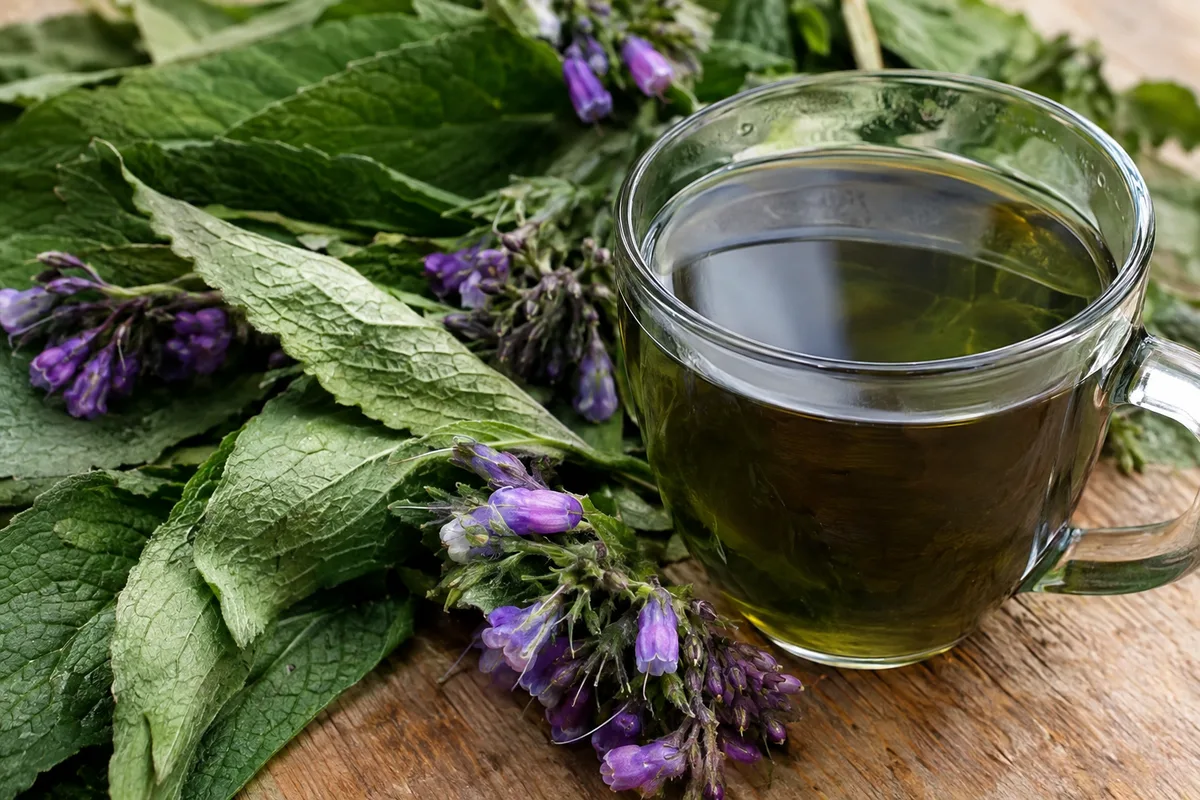
The name can also cause confusion because gardeners use comfrey leaves to make a liquid plant feed. That preparation is not a drink and should never be consumed. Even products clearly intended as herbal tea carry concerns because potentially harmful compounds can pass into the water.
- Check whether the material is comfrey leaf, comfrey root or a mixture.
- Do not confuse a herbal infusion with comfrey liquid plant feed.
- Treat homemade and commercially prepared comfrey tea with the same caution.
- Remember that natural origin does not guarantee safety.
Do the claimed benefits hold up
Claims about comfrey tea often draw on traditional use or on research that does not involve drinking it. A result from a laboratory, an externally applied preparation or a different part of the plant cannot automatically be applied to tea. The amount extracted into a cup also varies with the plant material and preparation method.
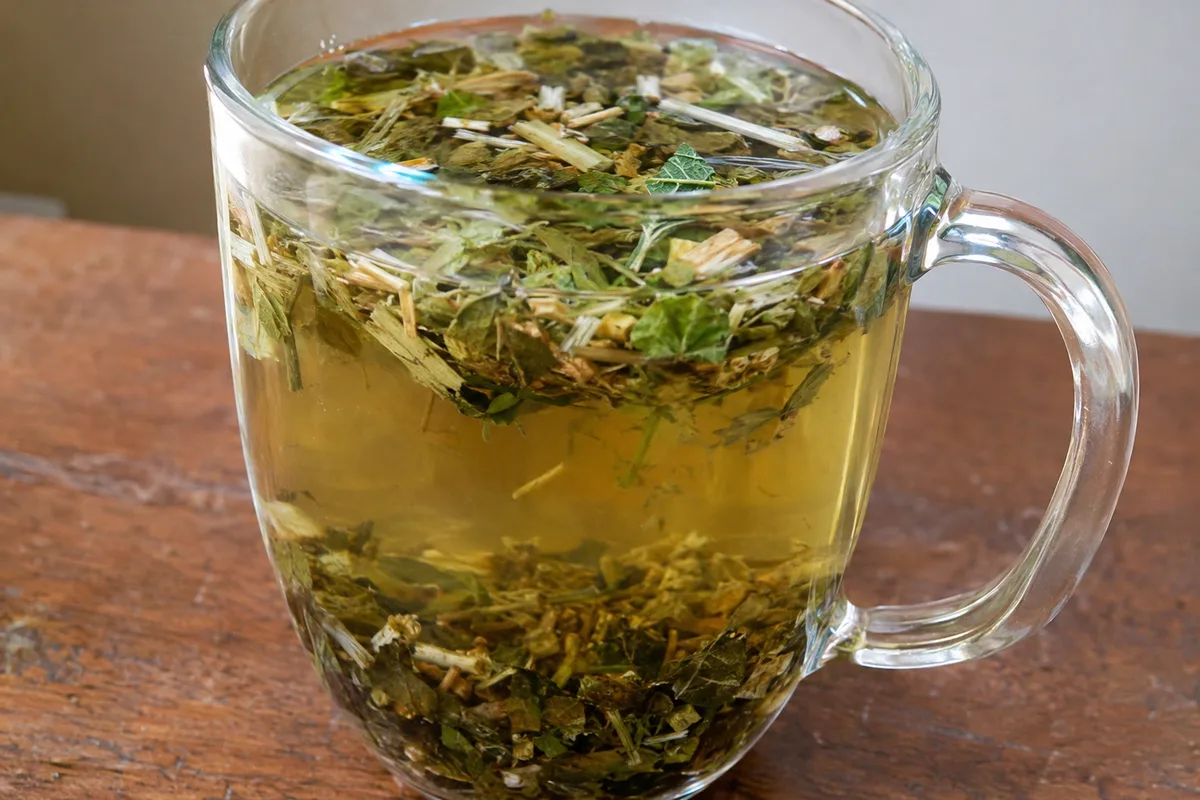
There is no well-established nutritional or wellbeing benefit that makes drinking comfrey tea necessary. It should not be treated as a useful source of hydration, vitamins or minerals when safer drinks can fill those roles. Personal stories may sound convincing, but they cannot establish either benefit or safety.
- Traditional use is not the same as reliable evidence.
- External use does not prove that swallowing comfrey is safe.
- Leaf and root preparations may have different compositions.
- Brewing strength and plant variety affect what enters the drink.
Why drinking comfrey raises safety concerns
Comfrey can contain pyrrolizidine alkaloids, often shortened to PAs. After these compounds are swallowed, the body can convert them into substances that may damage the liver. Harm may build without an obvious taste, smell or immediate warning.
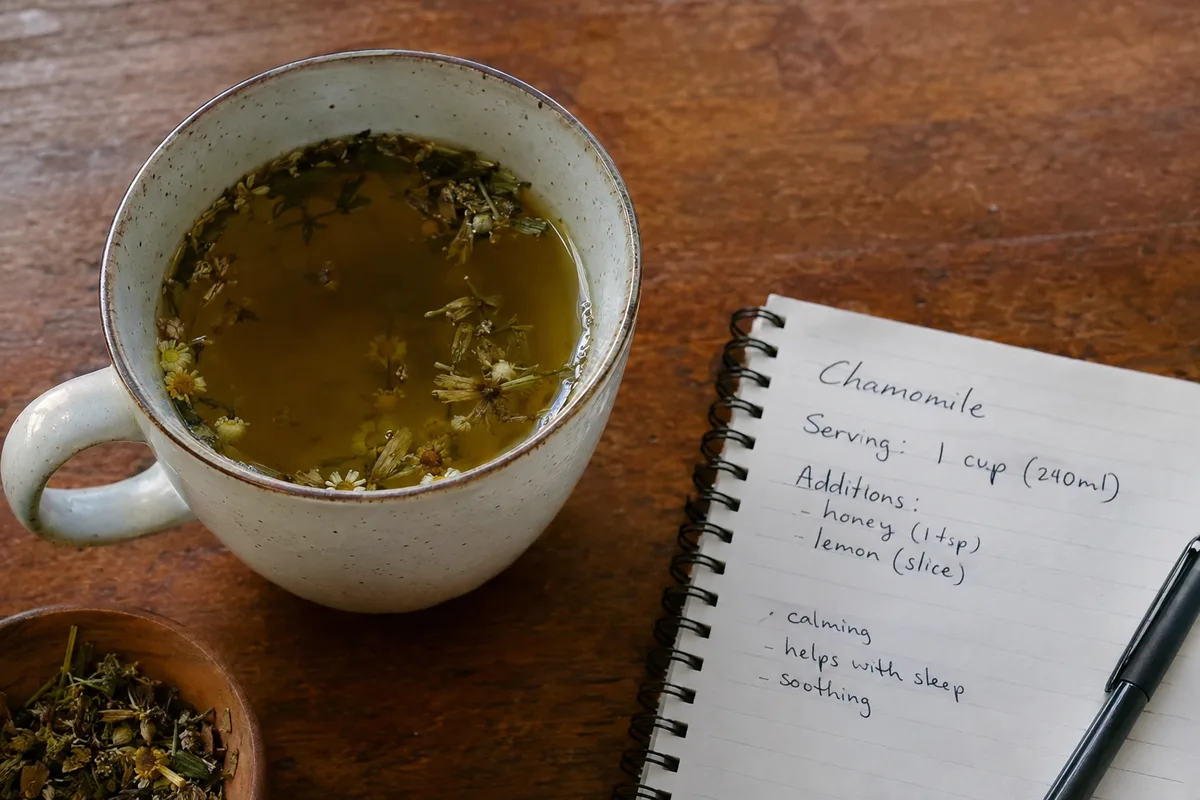
The amount of PAs in a serving cannot be judged by the colour or strength of the tea. Levels may differ between plants, plant parts, harvests and processing methods. Brewing it for less time or drinking a smaller cup does not make the risk predictable.
- Possible nausea or stomach discomfort
- Loss of appetite
- Unusual tiredness
- Pain or swelling around the upper abdomen
- Yellowing of the skin or eyes
Who should be especially cautious
Comfrey tea is not considered an appropriate routine drink because the concern applies to anyone swallowing it. Extra caution is important during pregnancy or breastfeeding and for children, as avoiding unnecessary exposure is particularly important in these circumstances. Anyone with existing liver concerns should seek individual guidance from a qualified health professional.
Combining comfrey with alcohol or other substances processed by the liver may add to the concern. It can be difficult to assess this from a food diary alone because herbal blends do not always make every relevant compound clear. If comfrey tea has already been consumed and unusual symptoms occur, contact an appropriate healthcare service promptly.
- Pregnancy or breastfeeding
- Childhood
- Existing concerns about liver function
- Regular alcohol intake
- Use of other herbal preparations or prescribed products
How to record comfrey tea in your food diary
Comfrey tea is usually low in food energy when nothing calorific is added, but calories are not the main issue. Record the drink anyway so your diary reflects exposure to the herb as well as energy intake. Note any milk, sugar, syrup or honey separately because those additions contribute energy.
Include the plant part and preparation details when they are known. This creates a clearer record if you later discuss the drink with a qualified professional. Do not rely on a calorie total to judge whether an herbal drink is suitable.
- Write down the full product or plant name.
- Record whether leaf, root or a blend was used.
- Note the approximate serving and brewing method.
- Log sweeteners, milk or other additions separately.
- Add the time consumed and any symptoms noticed.
Safer ways to choose a hot drink
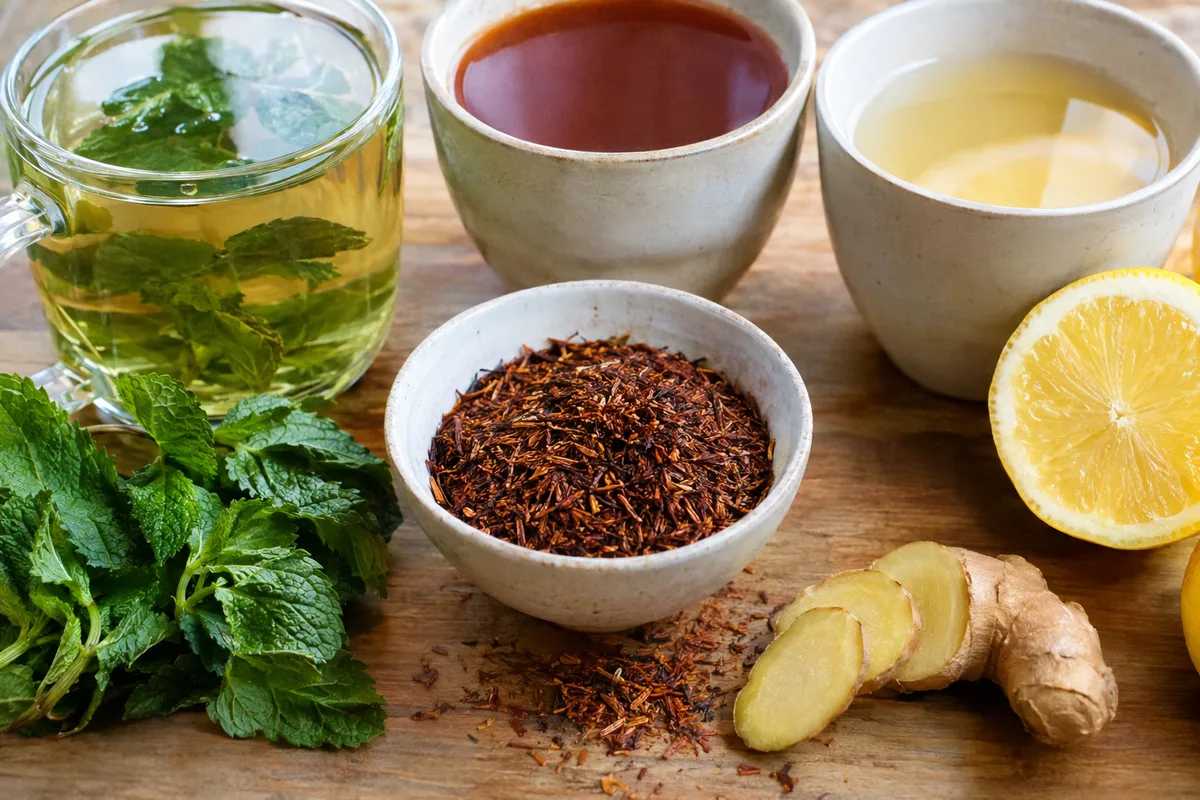
You do not need comfrey tea to add variety to your drinks. Water, ordinary tea and familiar caffeine-free infusions can provide fluid without the particular PA concern linked with comfrey. Choose simple blends with ingredients you recognise and check the label if you have sensitivities.
If you want a warm drink as part of a tracked eating routine, focus on what you will add to it and how it fits your preferences. The energy content depends mostly on additions such as milk, sugar or honey. A repeatable choice can also make diary entries easier to compare from day to day.
- Hot water with a slice of lemon
- Peppermint infusion
- Ginger infusion
- Rooibos tea
- Decaffeinated ordinary tea