
A Clean Eating Challenge That Fits Real Life
This challenge turns the vague idea of clean eating into practical choices you can track. You will focus on regular meals, useful additions and simple reflection rather than banning foods.
Start by defining what clean eating means to you
Clean eating has no single agreed definition, and the word clean can make ordinary food sound dirty. A more useful aim is to eat a varied mix of foods that leaves you satisfied and suits your routine. Packaged, frozen and convenient foods can all have a place.
Before beginning, write down what you want the challenge to improve. You might want to cook more often, include more vegetables or make lunches more filling. Choose a focus that you can notice in your existing food log.
Set a duration that feels manageable rather than treating the challenge as a permanent set of rules. Your diary is there to show patterns, not to grade your choices. If a day goes differently from planned, record it and continue with the next meal.
- Choose one clear focus for the challenge
- Keep logging meals, snacks and drinks as usual
- Notice hunger, fullness, energy and enjoyment
- Avoid labelling foods as good, bad, clean or dirty
Build meals from familiar ingredients
A balanced meal usually brings together a source of protein, carbohydrate, fat and colourful plant foods. You do not need a special recipe or an exact plate formula. Use ingredients you already enjoy and adjust the amount to your appetite and goals.
Your tracker can help you see what a meal may be missing. If breakfast leaves you hungry soon afterwards, adding protein, fibre or fat may make it more satisfying. If lunch feels heavy, try changing the balance rather than removing an entire food group.
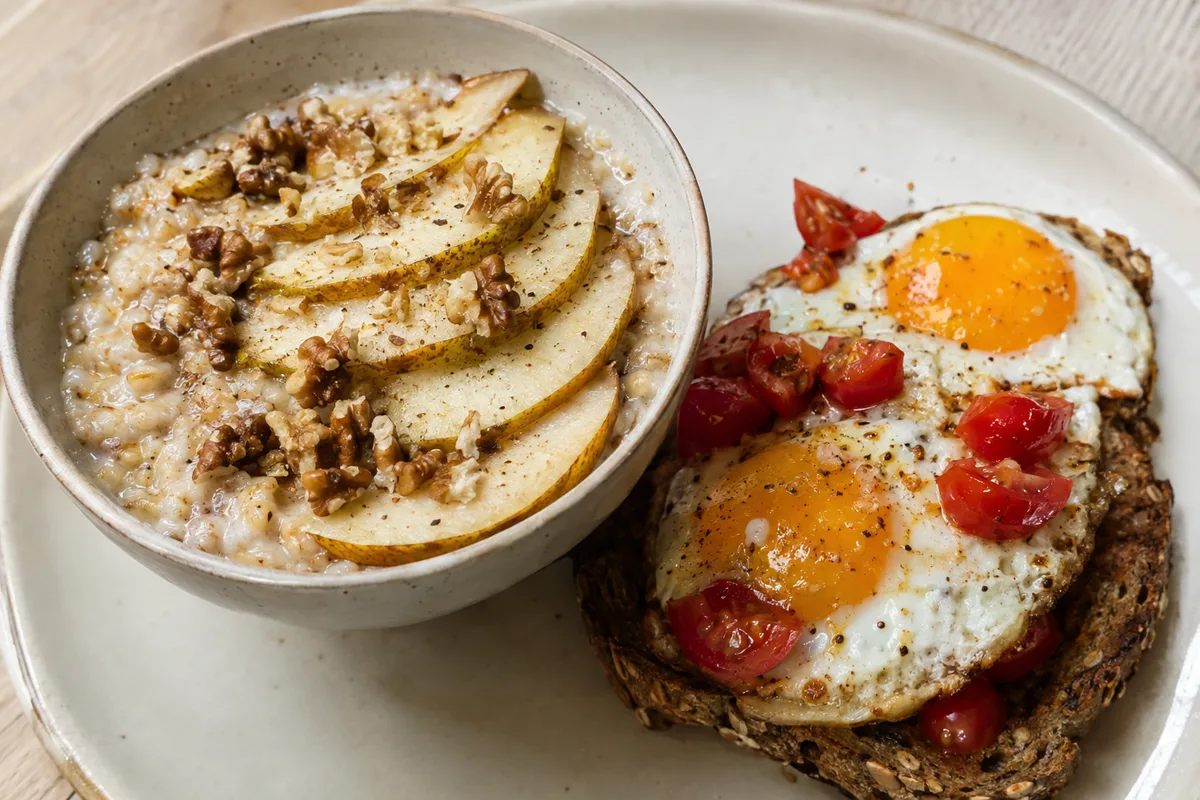
- Porridge with milk or yoghurt, fruit and nuts
- Eggs on toast with tomatoes or spinach
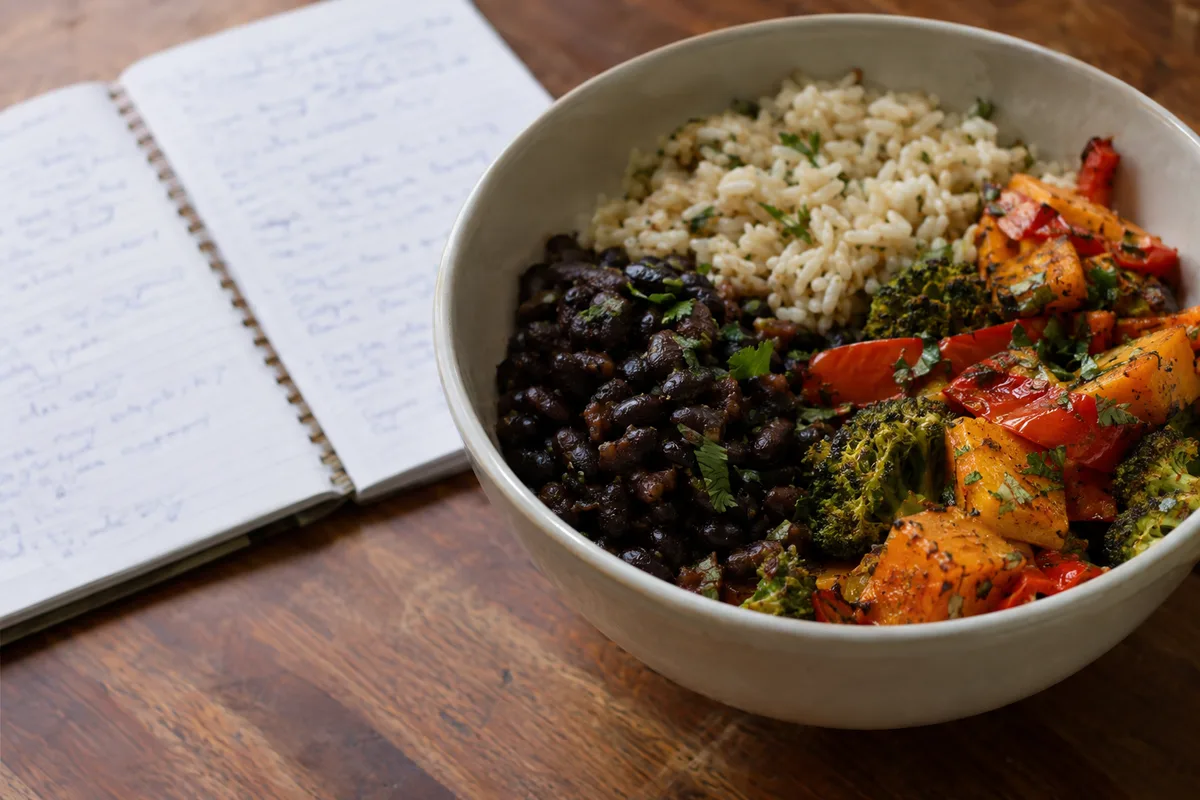
- Rice with beans, roasted vegetables and avocado
- Fish or tofu with potatoes and mixed vegetables
- Pasta with a tomato and lentil sauce
Add useful foods before taking anything away
Challenges often begin with a long list of foods to avoid. That can make eating feel restrictive and may leave meals less enjoyable. Start instead by adding foods that bring fibre, flavour, texture or protein.

Look through your recent log and find meals that could use one simple addition. A piece of fruit beside breakfast, beans stirred into soup or vegetables added to a sandwich can make a practical difference. The right addition depends on the meal and your preferences.
Additions still count in your overall intake, so record them as you normally would. Tracking lets you see how the full meal fits your usual target. There is no need to compensate by skipping food later.
- Add berries or sliced fruit to cereal
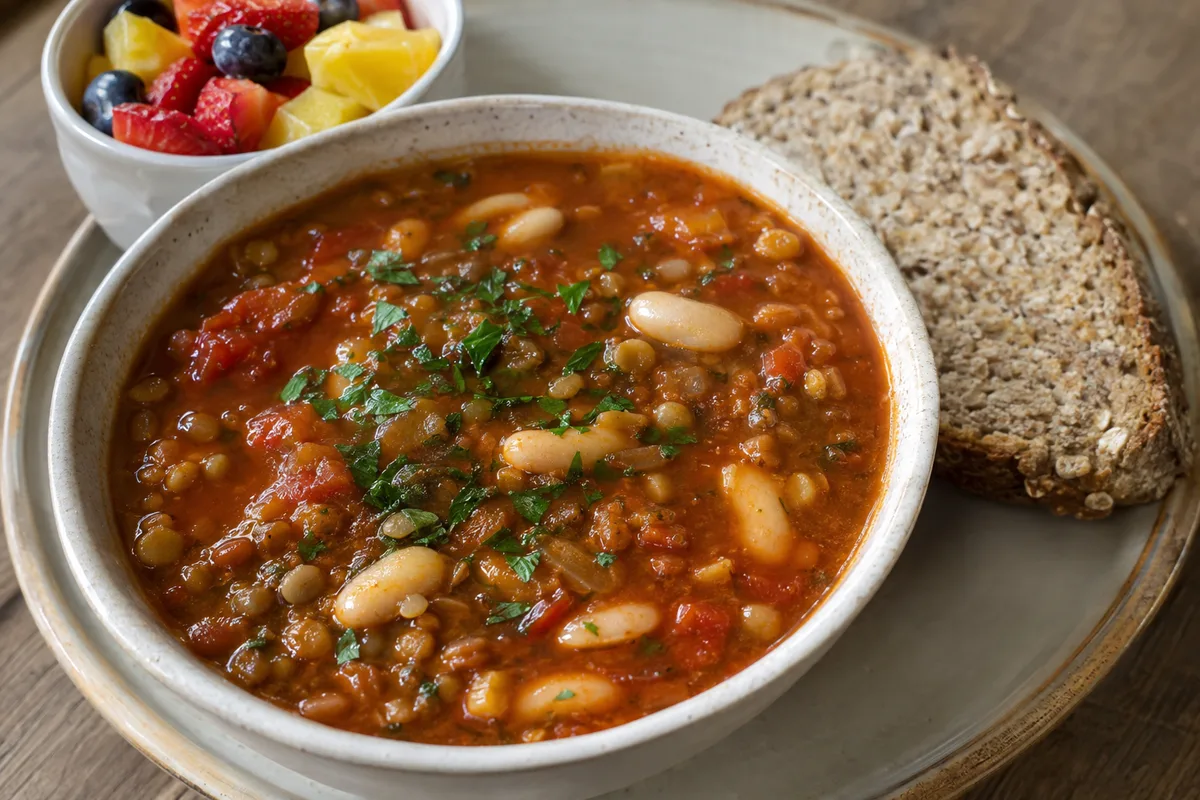
- Mix beans or lentils into soups and sauces
- Keep frozen vegetables for quick cooked meals
- Add seeds or nuts where extra crunch suits the dish
- Serve yoghurt or fruit alongside a light snack
Use convenience foods without guilt
Eating well does not require making everything from scratch. Tinned pulses, frozen vegetables, microwave grains and ready-made sauces can reduce preparation time. They may also make a balanced meal more realistic on a busy day.
When comparing packaged foods, use the information that matters to your own goals. You might check the portion you actually eat, the protein and fibre, or how a sauce affects the full meal. One number does not tell you whether a food belongs in your routine.
Try pairing a convenient base with fresh, frozen or tinned additions. This keeps the challenge flexible while giving you control over flavour and balance. It also avoids turning cooking skill or spare time into a test of commitment.
- Top a ready-made soup with beans and serve it with bread
- Add frozen vegetables and tofu to microwave rice
- Serve tinned fish with potatoes and salad
- Stir spinach and lentils into a ready-made pasta sauce
- Pair plain yoghurt with fruit and cereal
Plan for snacks, drinks and meals out
A challenge should include the parts of life that are easy to overlook. Snacks, drinks, takeaways and meals with other people still count as normal eating. Planning for them is more useful than pretending they will not happen.
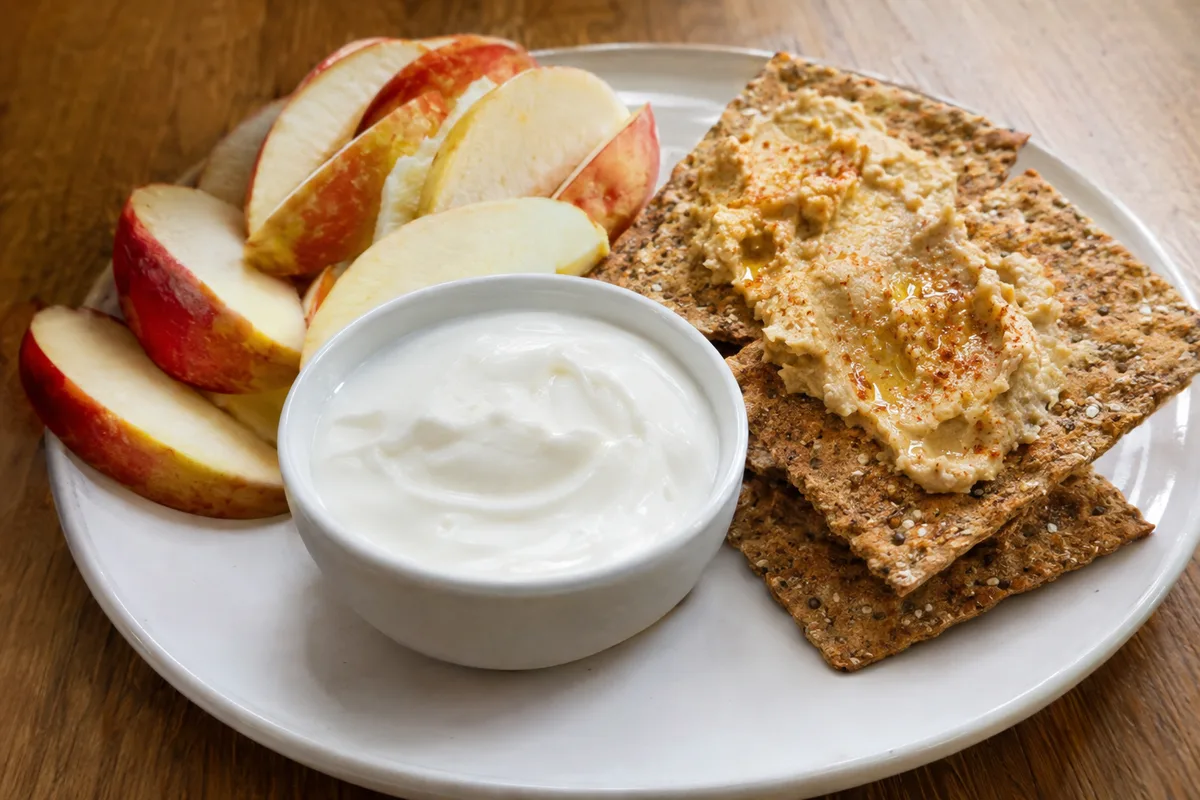
For snacks, combine foods when one item is unlikely to satisfy you. Fruit with yoghurt, crackers with hummus or toast with nut butter offers a mix of carbohydrate, protein, fat or fibre. Log the amount you have rather than relying on a standard serving that may not match yours.
When eating out, choose something you expect to enjoy and make the best estimate your tracker allows. Exact numbers are rarely available, so consistency matters more than false precision. Return to your usual routine at the next meal without trying to make up for it.
- Carry a snack when long gaps between meals are likely
- Include water while keeping other drinks visible in your log
- Check menus ahead only when it makes the decision easier
- Estimate mixed dishes using their main ingredients
- Record meals out without marking them as failures
Review the challenge without chasing perfection
At the end, look for patterns across the whole challenge rather than judging individual meals. Notice which breakfasts kept you satisfied, which ingredients were easy to use and where plans often fell apart. These observations are more helpful than a perfect streak.
Compare your experience with the focus you chose at the start. Your calorie or nutrient totals may offer context, but they do not show convenience, enjoyment or how filling a meal felt. Use your notes alongside the numbers.
Keep the changes that fitted naturally and drop the rules that created unnecessary work. You can repeat the challenge with a different focus or simply continue one useful habit. A flexible approach is easier to adapt when your schedule, appetite or food options change.
- Keep one meal combination that worked well
- Adjust portions based on your own log and appetite
- Note which convenience foods saved time
- Remove any rule that caused guilt or needless restriction
- Choose one practical next step