
Which Foods Contain Citric Acid? A Practical Food List
Citric acid occurs naturally in several fruits and is also added to many packaged foods and drinks. This guide explains where you may find it, how it appears on labels and what it means for food tracking.
What citric acid is
Citric acid is a naturally occurring acid that gives many fruits their sharp, fresh taste. It is especially associated with citrus fruit, although it is present in some other fruits and vegetables too. Citric acid is not the same thing as vitamin C, even though both can occur in the same food.
Food manufacturers also use citric acid to add tartness, balance sweetness or help maintain a food's colour and consistency. The added form is commonly produced through fermentation rather than being squeezed directly from lemons. In a finished product, naturally occurring and added citric acid perform much the same role.
- Naturally present in citrus fruit and some other produce
- Added to foods for a sharper or more balanced flavour
- Used as an acidity regulator in packaged products
- Different from vitamin C
Foods that naturally contain citric acid
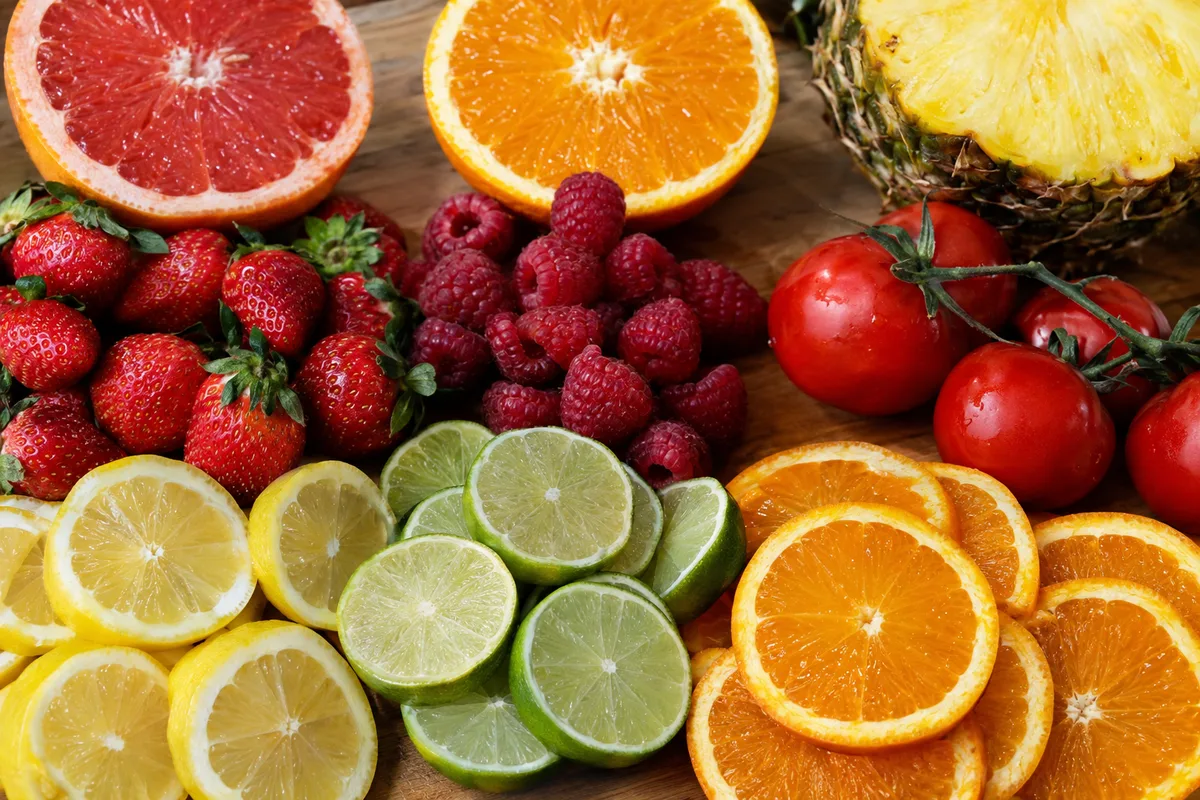
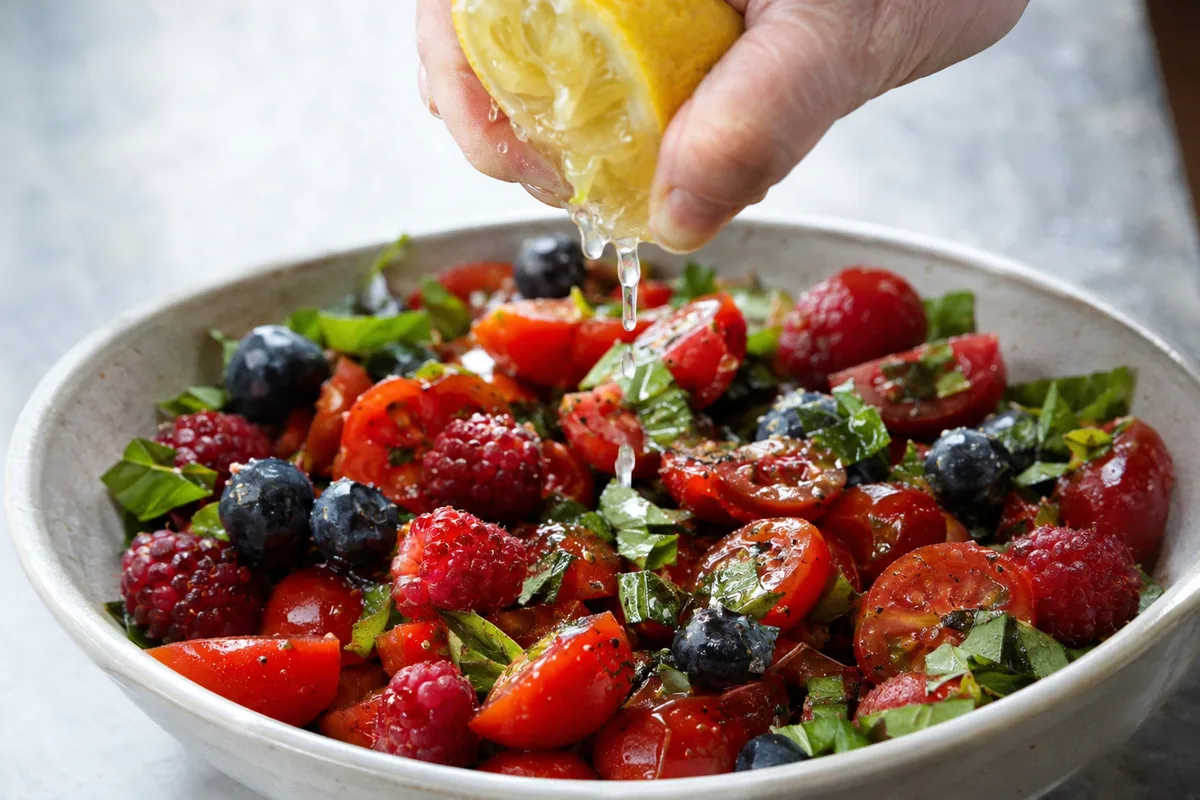
Citrus fruits are the clearest natural sources, with lemons and limes providing a particularly noticeable sour taste. Oranges, grapefruit and similar fruits also contain it, even when they taste sweet. Their juices, zest and flesh can all bring citric acid into a meal or drink.
Citric acid is also found in several non-citrus fruits, including berries and pineapple. Tomatoes contain it as part of their natural mixture of acids, so tomato juice, purée and sauces can contain it before anything is added. The precise amount varies with the variety, ripeness, growing conditions and processing.
- Lemons and lemon juice
- Limes and lime juice
- Oranges, mandarins and grapefruit
- Strawberries, raspberries and other berries
- Pineapple, tomatoes and tomato products
Packaged foods that may contain added citric acid
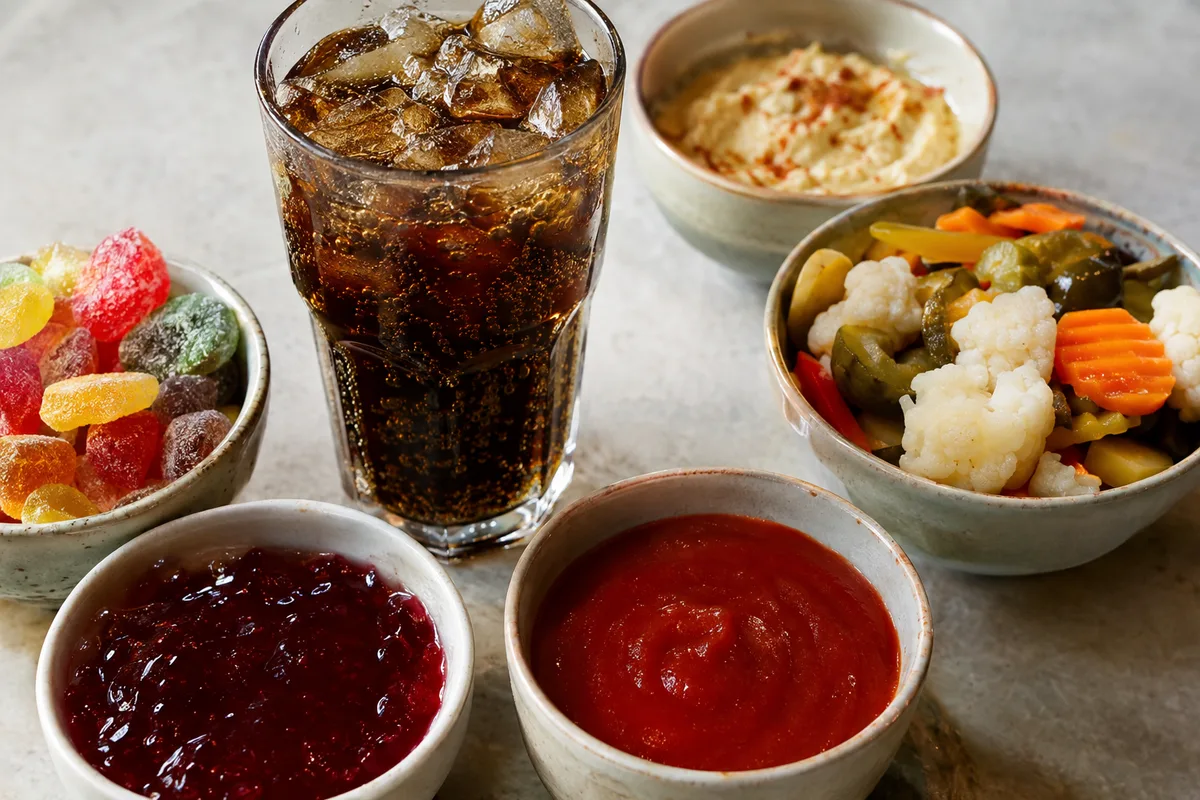
Added citric acid appears in both sweet and savoury products. It may provide a sour flavour in sweets and drinks, or help balance the sweetness of jam and fruit preparations. In sauces and preserved vegetables, it can be used to adjust acidity without making the food taste strongly of vinegar.
Its presence cannot always be predicted from the type of food. Two similar products may use different ingredients, and recipes can change over time. Check the current ingredient list rather than assuming every product in a category contains citric acid.
- Fizzy drinks, squashes and flavoured waters
- Sour sweets, jellies and frozen desserts
- Jams, fruit fillings and canned fruit
- Tomato sauces, dressings and table sauces
- Pickled or preserved vegetables and prepared dips
How to find citric acid on a food label
On a UK ingredient list, it may appear as “citric acid” or as “E330”. It can also sit beside a description of its purpose, such as acidity regulator. Ingredients are generally listed in descending order by weight when the product is made, but the exact quantity of citric acid is not usually given.
Do not treat every sour taste as proof that a food contains citric acid. Vinegar gets its main sharpness from a different acid, while fermented foods may owe their tang to other acids. A label is more reliable than flavour alone when you need to know whether citric acid has been added.
- Look for “citric acid” in the ingredients
- Check for the additive number “E330”
- Notice terms such as “acidity regulator”
- Recheck labels when buying a familiar product
How citric acid fits into food tracking
When tracking what you eat, record the food or drink itself rather than creating a separate entry for citric acid. For a packaged item, use the nutrition information for the serving you actually have. That information reflects the complete recipe, including any citric acid used by the manufacturer.
For homemade meals, log the ingredients that contribute to the recipe, such as fruit juice, sugar, oil or tomato purée. If a recipe uses a small amount of citric acid as an ingredient, the packet may not provide enough information to calculate it separately. The useful approach is to stay consistent and focus on the ingredients and portions that materially affect your food log.
- Log the full packaged product from its nutrition label
- Record lemon or lime juice when it is a meaningful recipe ingredient
- Track sauces, drinks and sweets as foods rather than as citric acid
- Use the same logging method each time for consistency
Building a useful personal food list
A citric acid food list is most useful when it reflects the foods you actually eat. Begin with obvious natural sources, then add packaged products only after checking their labels. This avoids treating every fruit, sour food or preserved product as though it has the same ingredients.
You can separate your list into foods with naturally occurring citric acid and products with citric acid added. Note the product name and ingredient wording if that distinction matters to you, but remember that manufacturers may update recipes. The amount present depends on the food, its preparation and the particular formulation.
- Natural sources: citrus fruit, berries, pineapple and tomatoes
- Added sources: selected drinks, sweets, sauces and preserves
- Uncertain foods: check the ingredient list instead of relying on taste
- Changing products: review the label from time to time