
Should You Drink a Protein Shake on Rest Days?
Rest days are part of training, and your body still uses protein while recovering. This guide explains when a shake may be useful, when food may suit you better, and what to check in your food log.
Protein still matters when you rest
A rest day does not mean your body has stopped responding to training. Muscles continue to repair and adapt between sessions, and protein provides the building blocks involved in that process. You also need protein for everyday functions that have nothing to do with exercise.
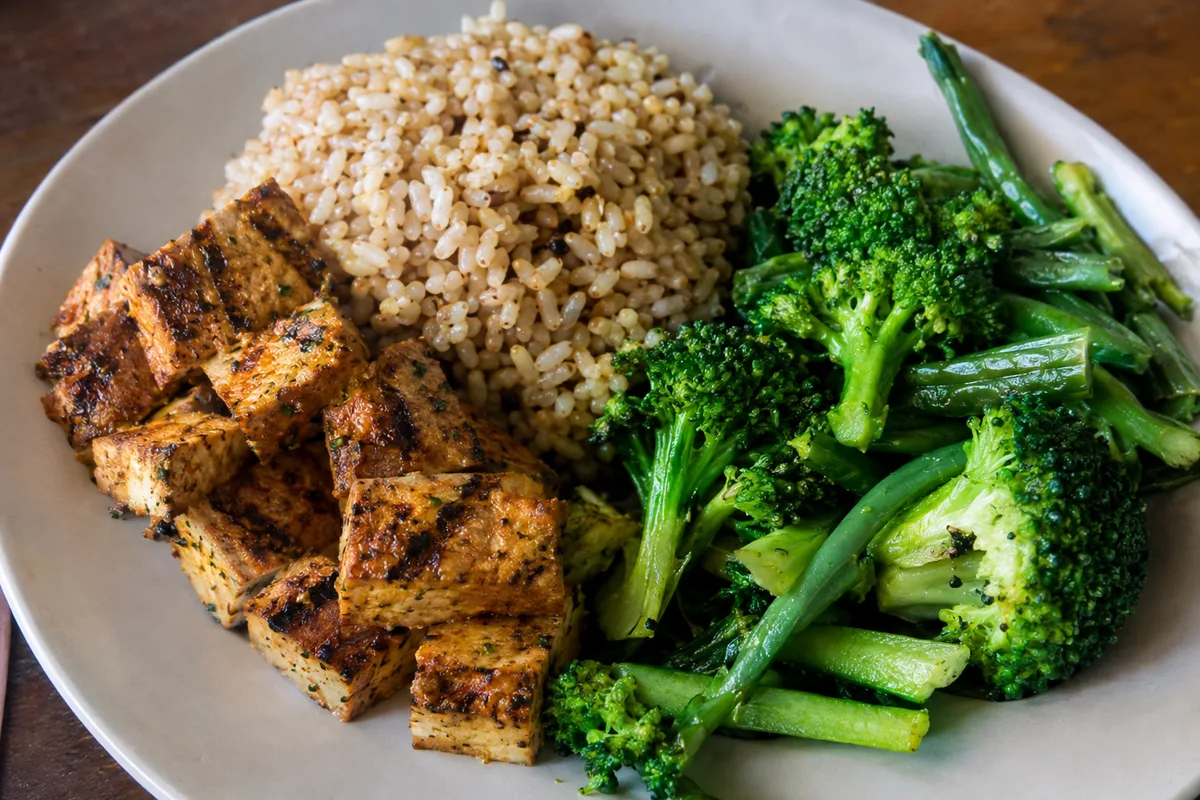
That does not make a shake compulsory. A protein shake is simply a convenient source of protein, not a separate category of nutrition. If your normal meals already cover your needs, adding one may offer little practical benefit.
Start with your daily total
Because you already track your food, look at your protein total across the whole rest day. Your suitable amount depends on factors such as body size, training style, goals and the rest of your diet. The useful question is whether the shake fills a genuine gap rather than whether rest days require a special rule.
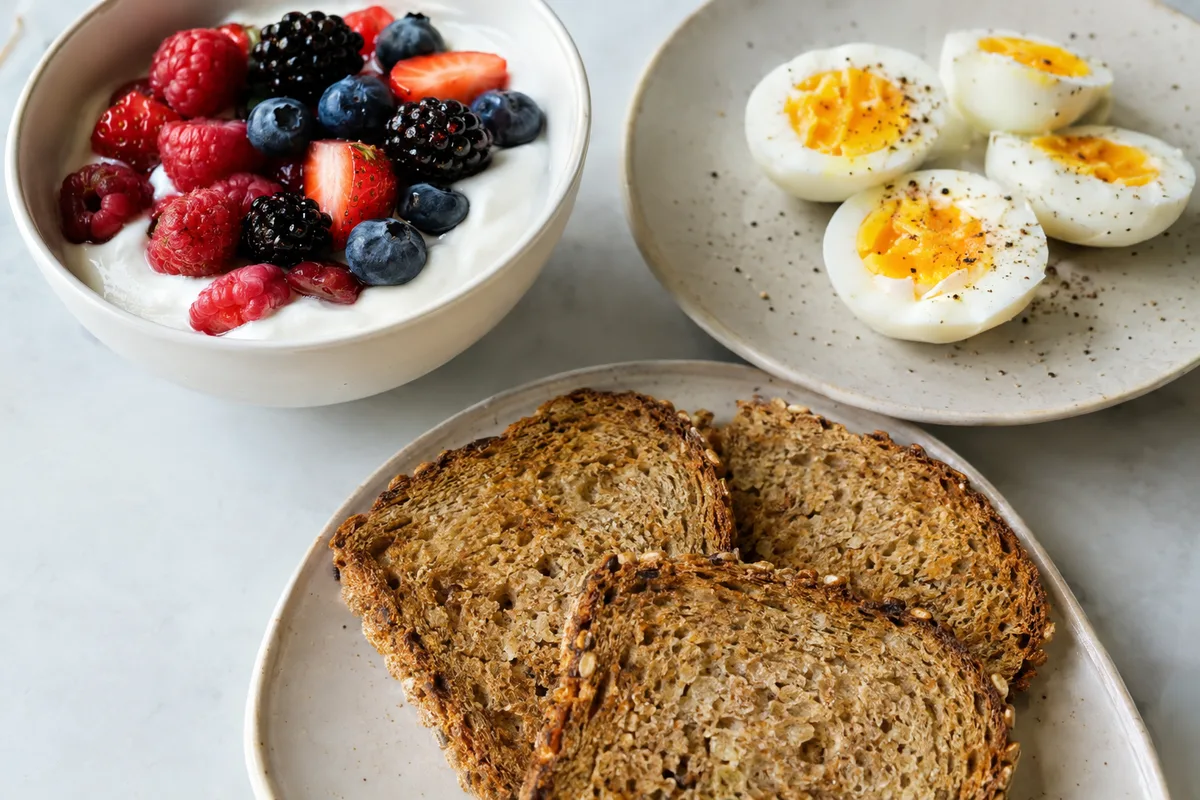
Check several typical days instead of judging your intake from one unusually busy or unplanned day. Notice whether protein regularly drops on rest days because your meals become smaller or less structured. If it stays near the level you have chosen for your goals, you do not need a shake simply because one appears in your training-day routine.
- Compare protein totals across training and rest days
- Check which meals contribute most of your protein
- Notice recurring gaps rather than one-off shortfalls
- Include the shake in your overall energy intake
When a shake can be useful
A shake can help when convenience is the main issue. You may have less appetite early in the day, limited time between plans or few protein-rich foods available. In those situations, a measured serving can make your planned intake easier to reach.

It can also be useful if you prefer smaller meals and find another full plate uncomfortable. Log the shake just as you would any other food, including anything mixed into it. Milk, yoghurt, fruit, oats and nut butter all change its protein, carbohydrate, fat and energy content.
- A rushed breakfast with little protein
- A long gap between meals
- A day when your usual protein foods are unavailable
- A smaller snack that fits your appetite better than a meal
When food may be the better choice
Whole foods often bring more than protein alone. Depending on the choice, they can add fibre, vitamins, minerals and textures that make a meal feel more satisfying. They can also be easier to fit into a normal breakfast, lunch or dinner.
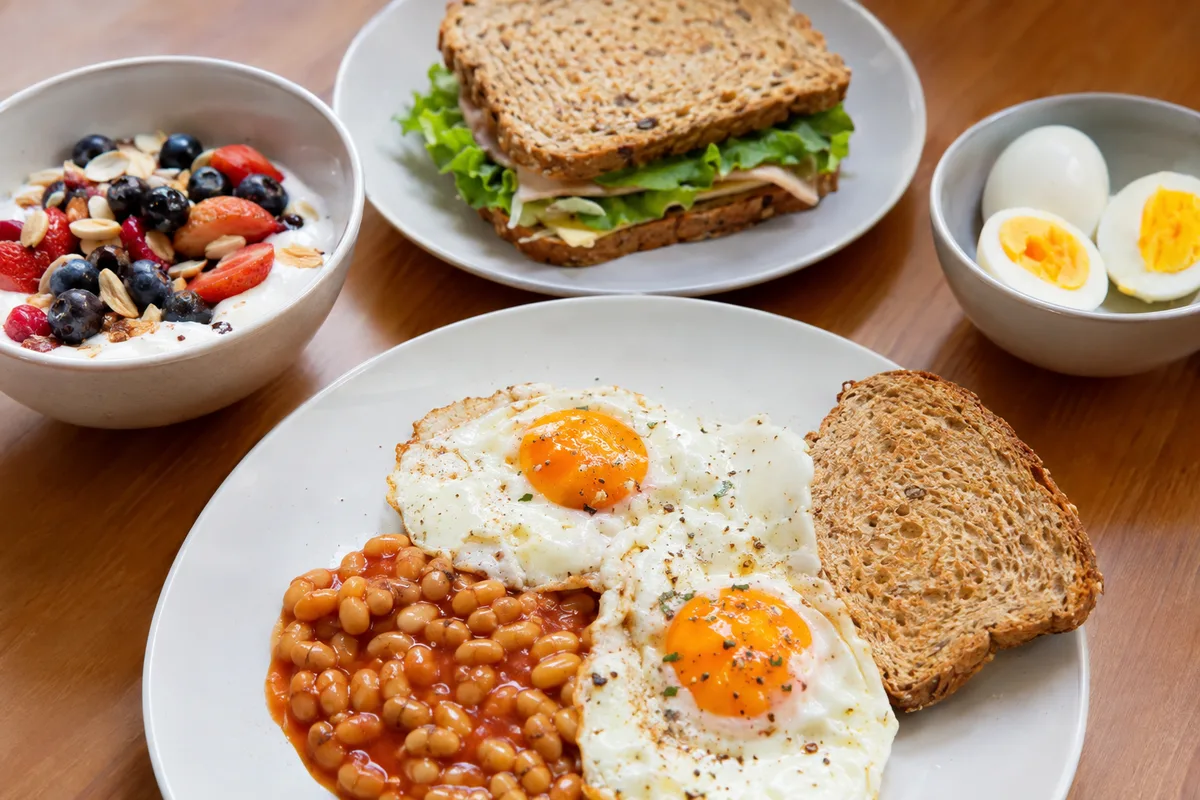
If your tracker shows that you already reach your protein aim, consider whether the shake is replacing hunger for foods you otherwise need. A regular meal may suit you better when you want more variety or a fuller eating experience. The best option is the one that supports the overall pattern of your diet, not the one that looks most closely linked to fitness.
- Greek-style yoghurt with fruit
- Eggs with wholegrain toast and vegetables
- Beans or lentils in a soup, salad or stew
- Tofu, fish, chicken or another protein food with a balanced meal
Timing matters less than consistency
You do not need to copy the exact timing of a training-day shake when you are resting. It is generally more practical to spread protein through your usual meals and snacks than to chase a precise minute. Your food log can show whether most of the day’s protein is clustered into one meal.
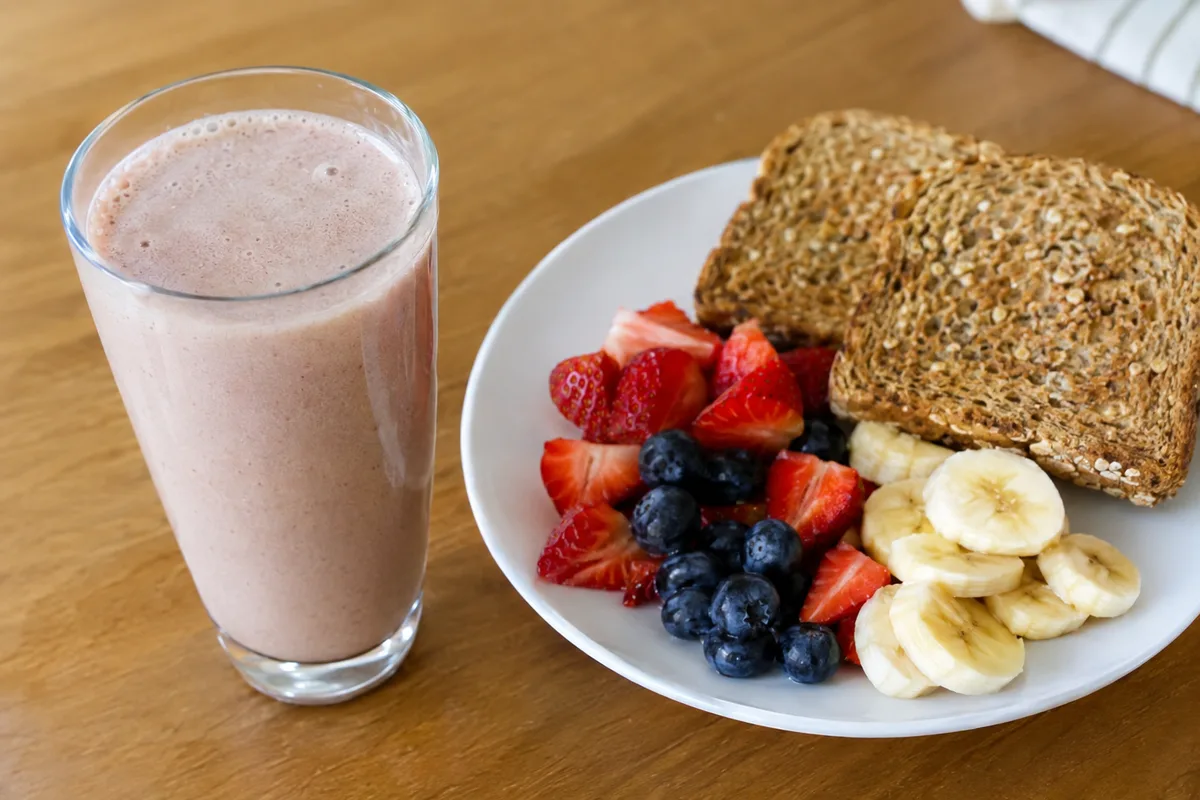
Try linking protein to eating occasions you already have, such as breakfast, lunch, dinner or an afternoon snack. This creates a routine that can work on both active and quieter days. A shake can take one of those places, but it does not need a special rest-day time slot.
- Add a protein food to breakfast
- Include a clear protein source at lunch
- Plan a protein-rich snack if meals are far apart
- Finish the day with a balanced dinner rather than correcting every small tracking gap
Make the decision from your food log
Review the day you have planned before automatically making a shake. If meals and snacks already provide enough protein for your personal target, you can leave it out. If there is a consistent shortfall, a shake is one possible way to close it.
Also consider appetite, digestion, enjoyment and your total energy intake. A shake that leaves you too full for meals or adds more than you intended may not be helpful, while one that fits comfortably can be practical. Your answer may change from one rest day to another.
In short, you can drink a protein shake on a rest day, but you do not have to. Treat it as food that contributes to your daily totals rather than as a required part of recovery. Base the choice on the pattern in your tracker and what you are likely to eat that day.
- Keep it when it fills a clear protein gap
- Skip it when meals already meet your target
- Adjust what you mix into it to match the day
- Choose a food-based snack when you want more texture or variety