
Swimming or walking: which burns more calories?
Swimming often burns calories faster than a gentle walk, but the answer changes with pace, stroke, terrain and time. Here is how to compare the two fairly and fit the result into your food tracking.
The short answer
Swimming can burn more calories per minute than walking when it involves steady, purposeful strokes. Water creates resistance around the whole body, so the arms, legs and trunk all contribute. However, an easy swim with long rests may use less energy overall than a long, brisk walk.
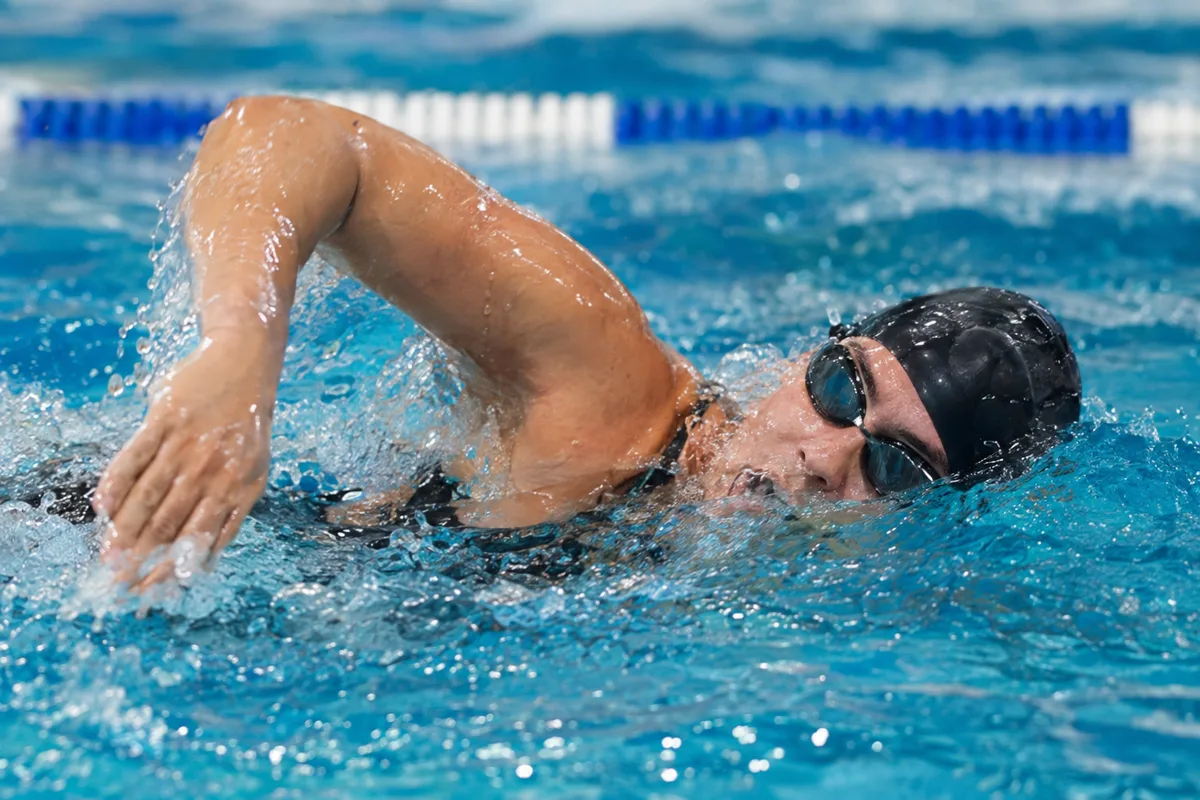
The most useful comparison is not simply swimming versus walking. You need to compare how hard you worked, how long you kept moving and how often you paused. Body size, swimming skill, water conditions, walking pace and terrain also affect the result.
- Purposeful swimming compared with a gentle stroll: swimming is likely to burn calories faster
- Relaxed swimming with frequent pauses compared with a brisk, continuous walk: the walk may burn more overall
- A short swim compared with a long walk: duration may matter more than activity type
- Hard swimming compared with easy walking for the same time: swimming will usually require more energy
Why swimming can use more energy
Every stroke pushes against water, which offers more resistance than air. Swimming also asks several large muscle groups to work at once while you maintain your position in the water. A stronger pace generally needs more energy than relaxed floating or slow, easy lengths.
Stroke choice and skill make a difference. A demanding stroke may feel harder, while an efficient swimmer may cover the same distance with less effort than a beginner. Resting at the side reduces the active time, so record the full session and note how much of it was spent swimming.
- Stroke and pace
- Continuous lengths or frequent rests
- Pool swimming or moving water
- Swimming skill and technique
- Total time actively swimming
What changes the calorie burn from walking
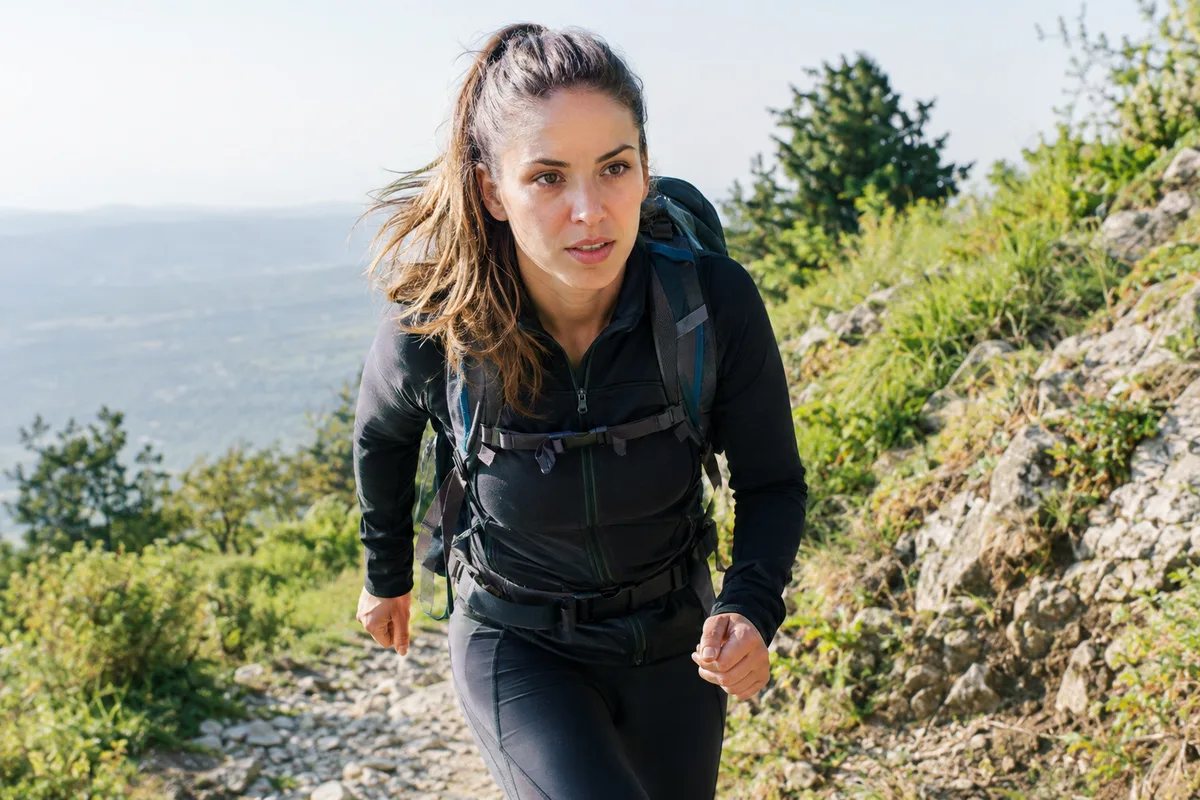
Walking ranges from an easy wander to a fast, sustained effort. Pace is important, but hills, steps, uneven ground and carrying a load can also make the body work harder. Arm movement and a longer, purposeful stride may raise the effort further.
Walking is often easier to continue for longer because it needs less planning and allows a manageable pace. That can make total duration more important than the calorie rate per minute. A longer walk may therefore use more energy than a shorter swim, even if swimming felt harder while it lasted.
- Walking speed
- Flat ground, hills or stairs
- Smooth or uneven surfaces
- Length of the walk
- Extra load carried
How to make a fair comparison
Start by comparing sessions of the same duration. A continuous brisk walk and a continuous swim give a clearer comparison than sessions with very different amounts of rest. Then consider which activity made your breathing deeper and required more sustained effort.
Distance is less helpful across different activities. A swimming distance cannot be compared directly with the same walking distance because the movements and resistance are different. Time and effort provide a more practical basis for your log.
You can also compare complete sessions as they happen in real life. Include rests, slower periods and changes of pace rather than recording only the hardest part. This gives you a more honest view of the energy used during the time you set aside.
- Record the start and finish of each session
- Note the time spent actively moving
- Describe the effort as easy, moderate or hard
- Include rests and slower periods
- Compare similar sessions over time
Logging exercise calories without false precision
Any exercise calorie figure is an estimate. Calculators use details such as body size, activity type, pace and duration, but they cannot see your exact technique or effort. Treat the result as a guide rather than a precise amount earned.
Use the same logging method each time so your records stay consistent. Choose the closest activity description and avoid selecting a harder category simply because the session felt tiring. If you log food and activity together, be cautious about automatically eating back the entire estimated burn.
- Choose a specific entry such as brisk walking or steady swimming
- Enter active time rather than rounding the session up
- Use a consistent source for estimates
- Add a note about pace, stroke, hills or rests
- Review trends rather than focusing on one number
Choosing between swimming and walking
The activity that burns more during one session is not always the best choice for your routine. Consider which one you can do regularly, for a useful length of time and with an effort that suits you. Enjoyment, access, weather and recovery can all influence that choice.
Swimming may suit days when you want full-body movement without ground impact, while walking is simple to fit around everyday plans. You can also use both and track them separately. For calorie burn, the practical winner is the activity that combines sustained effort with enough time and regularity.
- Choose swimming when you prefer water-based, full-body movement
- Choose walking when convenience makes a longer session more realistic
- Vary pace gradually rather than making every session hard
- Track each activity as its own category
- Judge the pattern across several sessions