
Lipozene for weight loss: what to know about safety and results
Lipozene is a fibre supplement promoted for weight loss, but its effects depend on more than taking a capsule. This guide explains what it contains, what the research can and cannot show, and the main safety points.
What Lipozene is
Lipozene is a branded supplement whose main active ingredient is glucomannan. Glucomannan is a soluble fibre made from the root of the konjac plant. It absorbs water and forms a thick gel in the digestive system.

The idea is that this gel takes up space and may help you feel full after eating. That could make it easier to eat less, but it does not directly remove body fat or cancel out calories. Any effect still depends on your overall eating pattern, activity, sleep and other personal factors.
- The active ingredient is a water-absorbing fibre
- It is intended to increase fullness rather than burn fat
- The amount of fibre can vary by product and serving
- Other ingredients should be checked on the current label
Does it work for weight loss
Research on glucomannan and body weight has produced mixed findings. Some trials suggest a small effect when the fibre is used alongside a reduced-energy eating pattern, while others find little meaningful difference. Results for glucomannan in general do not automatically prove that every branded product works in the same way.
There is limited strong evidence showing that Lipozene itself leads to substantial or lasting weight loss. Studies may differ in dose, duration, food intake and the people taking part, which makes simple claims difficult to support. The result for any individual also depends on whether greater fullness actually changes how much they eat over time.
Your food log can help you judge the claim more clearly. Look beyond short-term changes and note whether hunger, portions and total intake are genuinely different. A supplement that is added without changing intake is unlikely to create a reliable result on its own.
- Compare hunger before and after meals
- Check whether portions or snacks have changed
- Keep the rest of your routine reasonably consistent
- Judge trends over time rather than a single day
Possible side effects and safety concerns
Because glucomannan absorbs water, it can cause bloating, wind, stomach discomfort or changes in bowel habits. These effects may be more noticeable when fibre intake rises suddenly. Tolerance varies from person to person.
The fibre can swell before it reaches the stomach if it is swallowed without enough liquid. This can create a choking or blockage risk, especially for anyone who has difficulty swallowing. Follow the current label exactly and do not take more than the stated serving.
Glucomannan may also affect how quickly other substances are absorbed. If you take regular medicines, use other supplements, are pregnant or breastfeeding, or have an ongoing health condition, ask a pharmacist or another qualified health professional before using it. Stop taking it and seek prompt help if swallowing becomes difficult or severe discomfort develops.
- Bloating or wind
- Stomach discomfort
- Loose stools or constipation
- Difficulty swallowing if taken incorrectly
- Changes in the absorption of medicines or supplements
What the label can and cannot tell you
A supplement label should state the serving size, ingredients and directions for use. Check how much glucomannan the stated serving provides rather than relying on claims printed prominently on the front. Formulas and instructions can change, so use the packaging you actually have.
Words such as natural, clinically studied or weight-management support do not guarantee a useful result. A study of an ingredient may use a different amount or routine from the finished product. Marketing language also cannot tell you how well you will tolerate the fibre.
Supplements are not assessed in exactly the same way as medicines before sale. Product quality and oversight can differ according to where an item is made and sold. Claims deserve particular caution when they promise rapid results, effortless fat loss or a precise outcome.
- Read the full ingredient list
- Check the amount per stated serving
- Follow warnings and water instructions
- Look for clear manufacturer and batch information
- Treat guaranteed outcomes as a warning sign
Food can provide fibre too
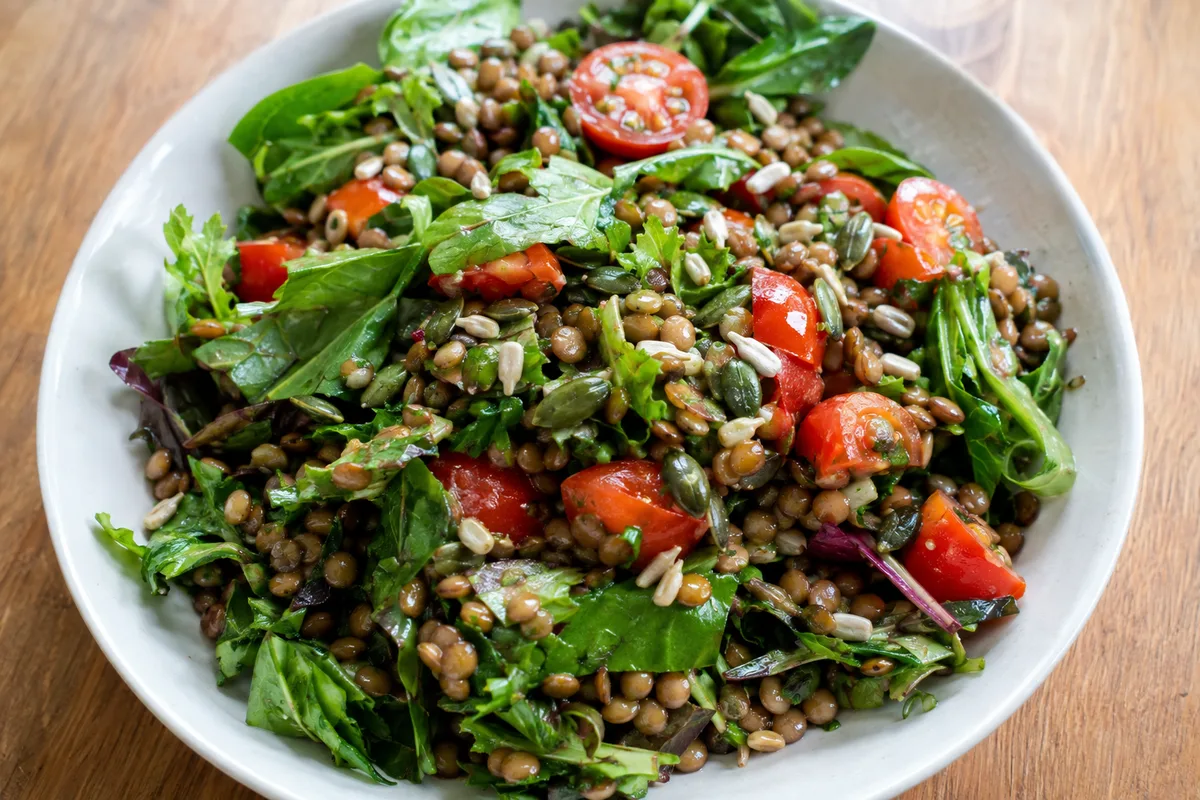
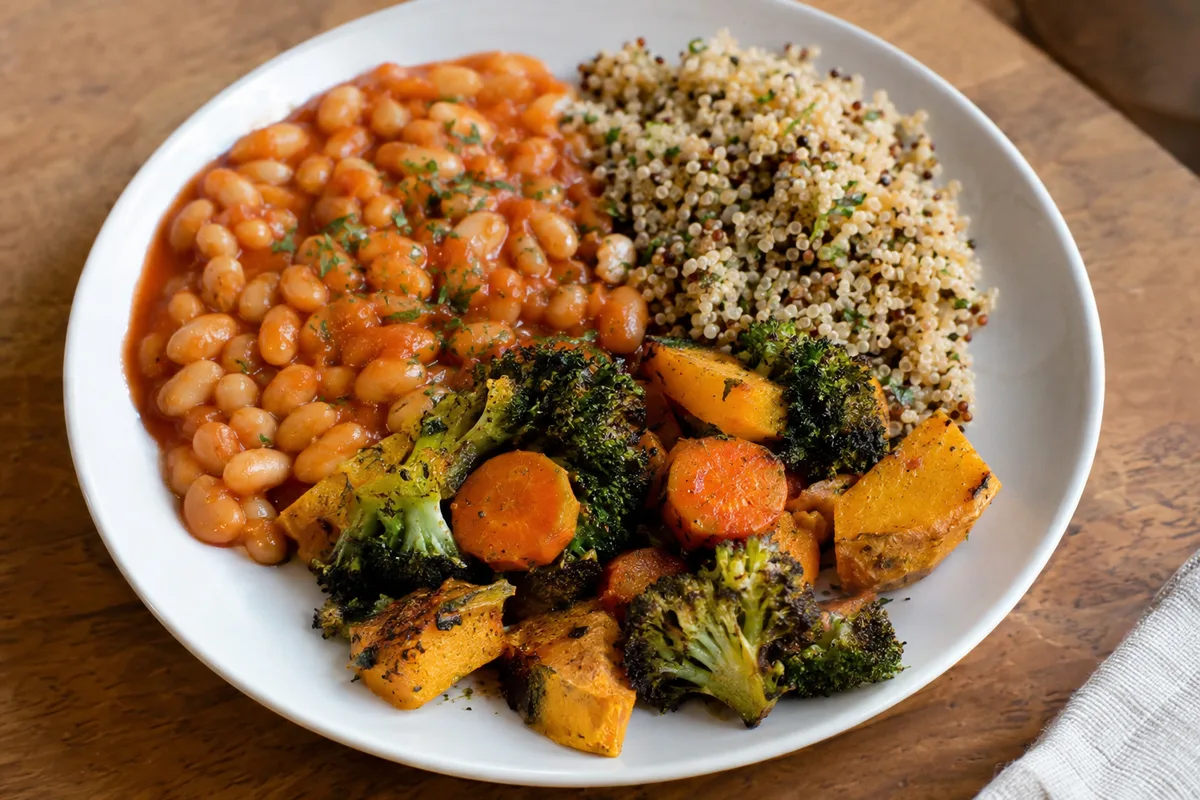
You do not need a branded supplement to increase fibre in your meals. Beans, lentils, oats, fruit, vegetables, nuts and seeds provide fibre alongside other nutrients. Whole foods also add texture and volume, which can make meals more satisfying.
If your current intake is low, increase fibre gradually and drink fluids regularly. A sudden large change can be uncomfortable, whether the fibre comes from food or a supplement. Your food log can show where simple additions fit without changing everything at once.
A filling meal usually combines fibre with protein and an amount of fat that suits your needs. For example, oats with fruit and yoghurt may be more satisfying than fruit alone. The best portions depend on your appetite, routine and overall energy needs.
- Add beans or lentils to soups, stews and salads
- Choose oats or wholegrain cereals
- Keep the edible skin on suitable fruit and vegetables
- Add nuts or seeds to yoghurt or porridge
- Include vegetables in main meals
A practical decision
Lipozene is not a proven shortcut to substantial weight loss. Its main ingredient may help some individuals feel fuller, but the evidence does not support assuming a strong or predictable result. Any benefit is likely to depend on whether it helps you maintain an eating pattern that matches your goal.
Before trying it, consider what problem you want it to solve. If hunger is the issue, first check whether your meals contain enough protein, fibre and volume, and whether long gaps are leading to intense hunger later. These details are visible in a well-kept food log.
If you decide to use a fibre supplement, record the serving, timing, fluid intake, hunger and any unwanted effects. Do not let it replace balanced meals or use it to compensate for eating. A pharmacist or qualified nutrition professional can help you consider personal risks and whether the product fits with anything else you take.
- Define the reason you are considering it
- Review meal balance and gaps between meals
- Record hunger and digestive effects
- Reassess whether it is making a useful difference