
A practical list of fat-free foods for your food diary
Fat-free foods include some everyday fruit, vegetables, drinks and labelled products, but the exact amount can depend on preparation. This guide explains what counts as fat-free and how to record these foods accurately.
What fat-free really means
A food described as fat-free contains no fat or such a small amount that it may be shown as zero on the label. That does not always mean every serving is completely free from fat. Labelling rules, serving sizes and natural variation can affect what you see.
Fat-free also does not mean free from calories or automatically more filling. Sugar, starch and protein still provide energy, while fat provides about 9 kcal per gram. When tracking food, record the whole product rather than judging it by a fat-free claim alone.
- Check the fat value in the nutrition panel
- Match the listed serving with the amount you eat
- Look at ingredients such as oil, cream, butter and nuts
- Use the entry for the cooked or prepared version of the food
Fruit and vegetables with negligible fat
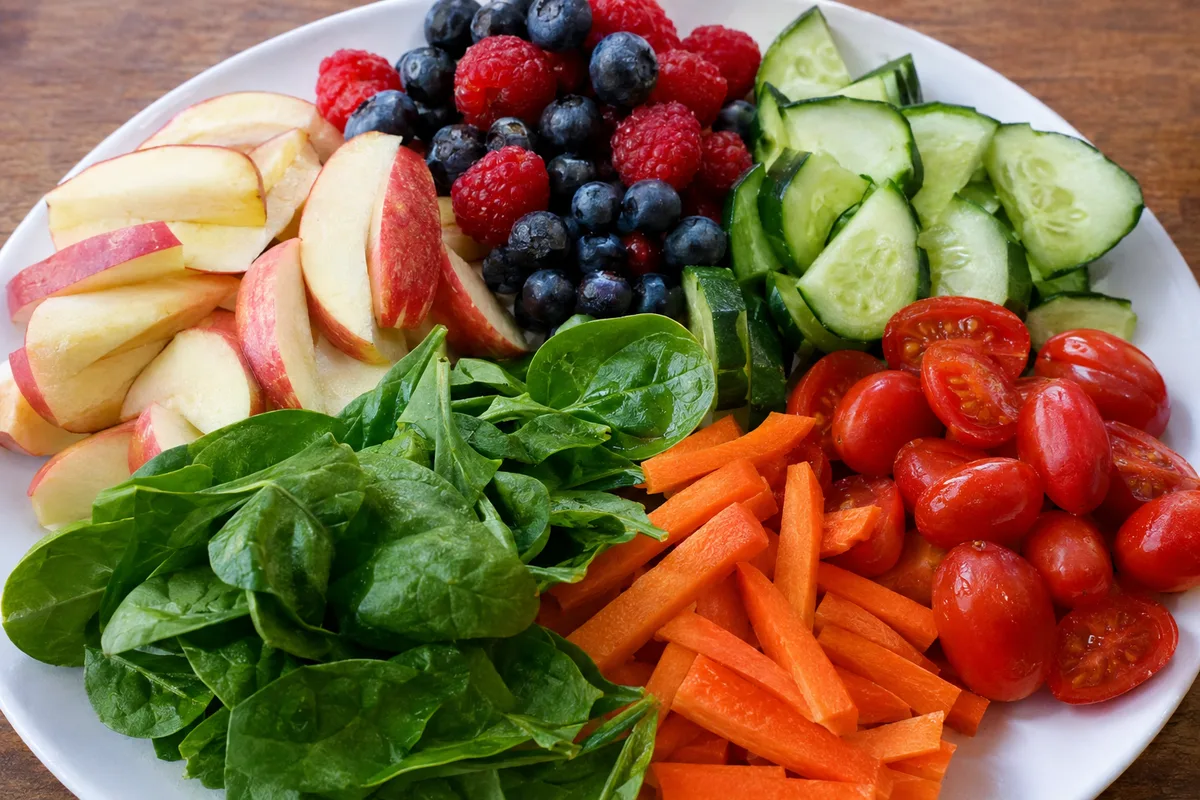
Most fresh fruit and many vegetables contain no fat or only a trace. The exact value varies by variety, ripeness and portion, so use the entry in your usual tracking database. Avocado and olives are notable exceptions because they naturally contain more fat.
Preparation can turn a virtually fat-free ingredient into a higher-fat dish. Steaming, boiling, grilling without oil and eating foods raw keep added fat out. Roasting with oil, frying or adding creamy dressings changes the total.
- Apples, pears, oranges and grapes
- Berries, melon, pineapple and mango
- Carrots, peppers, tomatoes and cucumber
- Broccoli, cauliflower, cabbage and green beans
- Leafy vegetables such as lettuce and spinach
Grains and starchy foods
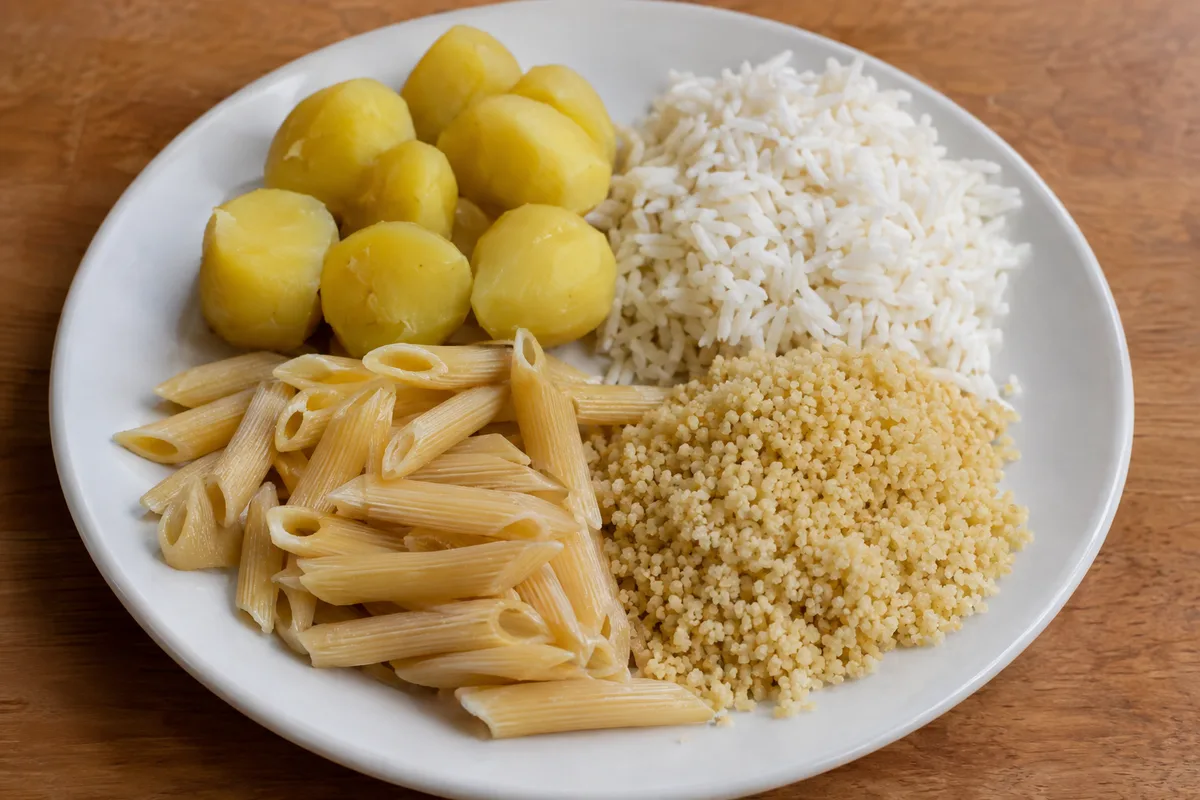
Plain grains and starchy foods are generally very low in fat, although they may contain small natural traces. Rice, pasta and potatoes are useful examples when cooked in water without added fat. Choose the matching cooked entry when logging them, because cooking changes their water content and weight.
The extras are often where fat enters the meal. Butter on potatoes, oil stirred through pasta and fried coatings all need separate entries. Packaged grain products may also include oil, seeds or other fat-containing ingredients.
- Boiled or steamed potatoes without toppings
- Plain cooked rice
- Plain cooked pasta
- Couscous prepared with water
- Porridge made with water from a low-fat grain product
Protein-containing options
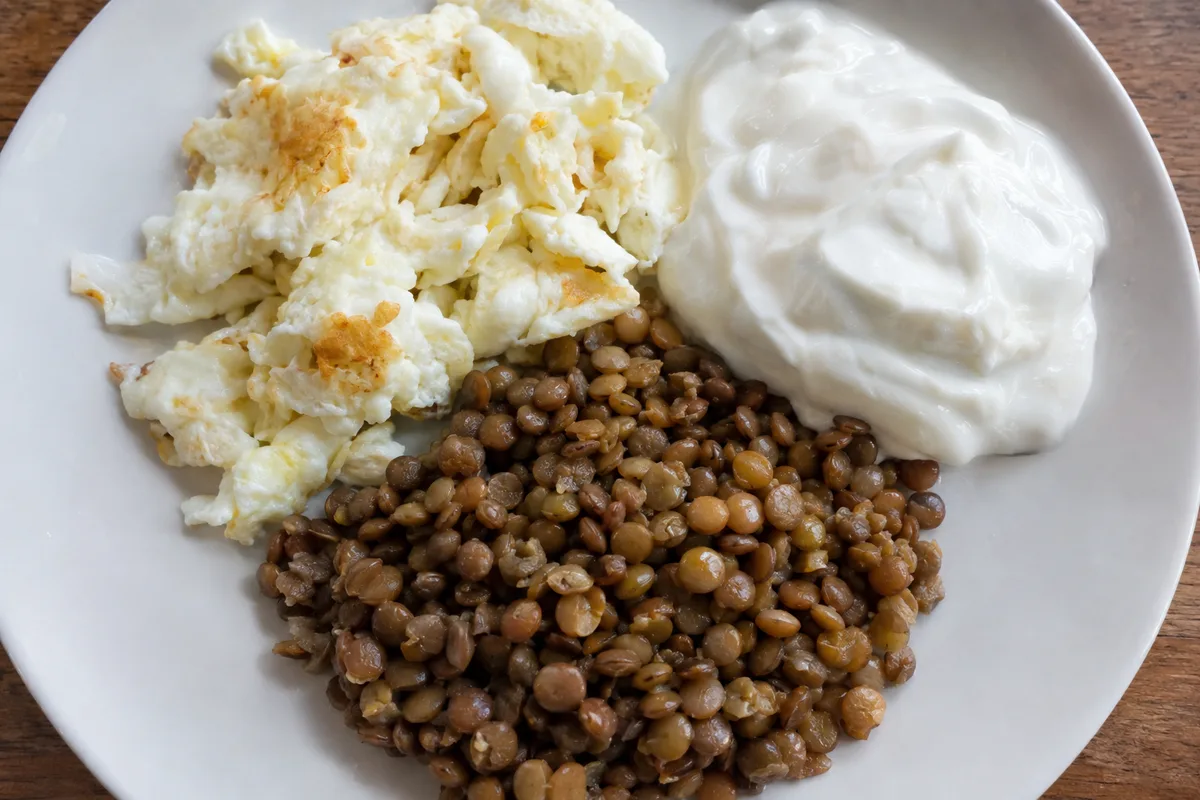
Completely fat-free protein foods are less common because many naturally contain at least a little fat. Egg whites are a familiar option, while some dairy products are made and labelled as fat-free. Beans, peas and lentils are usually low in fat rather than strictly fat-free.
Check labels on dairy and dairy-style products because recipes differ. Flavoured versions may contain added sugar even when they have no fat. For pulses, log sauces, dressings and cooking oils as well as the beans or lentils themselves.
- Egg whites cooked without oil or butter
- Dairy yoghurt specifically labelled fat-free
- Soft cheese specifically labelled fat-free
- Beans and lentils cooked without added fat, recorded as low-fat rather than fat-free
- Peas prepared without butter or oil
Other foods and drinks that may be fat-free
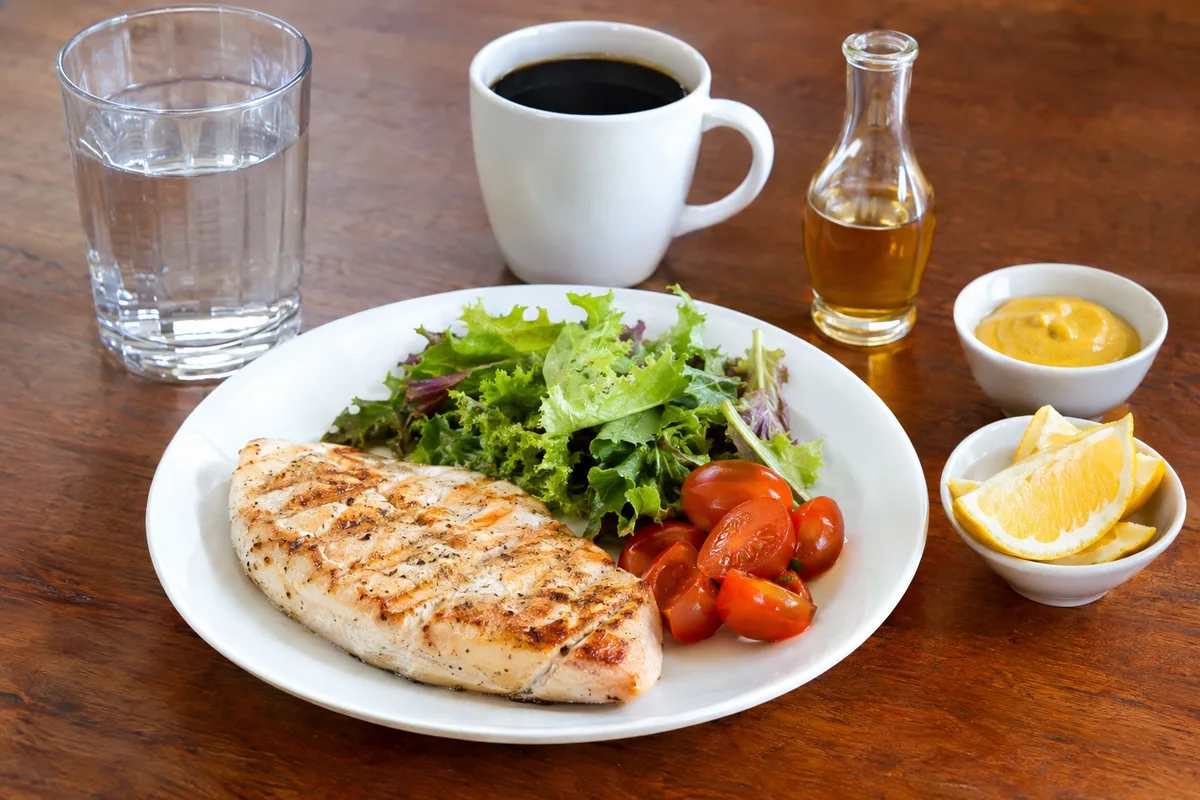
Some drinks, condiments and sweet foods contain no fat, but that does not make them nutritionally similar. Water, unsweetened tea and black coffee contain no meaningful fat when served plain. Adding milk, cream or certain drink powders changes the entry.
Some sauces, preserves and sweets may also show zero fat while still contributing sugar or salt. Record them if they form part of what you eat rather than ignoring them because the fat line says zero. The product label is more reliable than a generic database entry for a specific packaged food.
- Water and sparkling water without added ingredients
- Plain tea or black coffee
- Vinegar and lemon juice
- Jam or fruit spread labelled fat-free
- Mustard or tomato-based sauces labelled fat-free
How to build a useful fat-free food list
Start with foods you actually eat rather than trying to collect every possible fat-free item. Save accurate entries for plain fruit, vegetables, grains and labelled products in your tracker. This makes repeated meals quicker to record and reduces confusion between similar versions.
Keep fat-free foods in context because dietary fat has useful roles, including helping the body absorb certain nutrients. The right overall amount depends on the person and their wider eating pattern. A food diary is most helpful when it captures ingredients, preparation and portions rather than focusing on a single nutrient.
- Separate plain foods from versions cooked with oil
- Create saved meals for combinations you eat regularly
- Update an entry when a manufacturer changes its recipe
- Record toppings, dressings and cooking fats separately