
Ketogenic eating: what it means and how to track it
A ketogenic diet changes where most of your food energy comes from by sharply limiting carbohydrate and relying more on fat. This guide explains how that affects your meals, your food diary and the choices you make day to day.
What makes a diet ketogenic
A ketogenic diet is very low in carbohydrate, higher in fat and usually moderate in protein. With little carbohydrate available, the body starts producing substances called ketones from fat to use as an energy source. This state is known as ketosis, and it is what separates a ketogenic diet from a generally lower-carbohydrate way of eating.

There is no single carbohydrate limit that suits everyone. The amount needed to maintain ketosis depends on the person, their activity and how their meals are put together. This means a food diary can show what you are eating, but it cannot confirm ketosis by itself.
Ketogenic eating is not simply a matter of adding butter or oil to usual meals. Bread, pasta, rice, potatoes, sugary foods and many snack foods are commonly reduced, while meals are rebuilt around lower-carbohydrate vegetables, protein foods and sources of fat. The overall pattern matters more than one individual ingredient.
- Lower-carbohydrate vegetables such as courgette, cauliflower, cabbage and leafy greens
- Protein foods such as eggs, fish, poultry, meat, tofu and tempeh
- Fat sources such as olive oil, avocado, nuts, seeds and olives
- Smaller amounts of foods such as berries, plain yoghurt and cheese, depending on the individual approach
How carbohydrate tracking works
Carbohydrate is the main figure to watch when logging a ketogenic diet. Record drinks, sauces, dressings and small snacks as well as the main parts of a meal, because carbohydrates can appear in places that are easy to overlook. Using the portion you actually ate gives a more useful total than relying on a default serving.
On most UK food labels, the carbohydrate figure does not include fibre, because fibre is listed separately. You would therefore usually log the stated carbohydrate amount rather than subtracting fibre from it. Recipes and food entries from other countries may use different labelling rules, so check how the information has been calculated.
Some trackers display total carbohydrate while others offer a figure labelled net carbohydrate. Mixing these methods can make one day look lower or higher than it really was. Choose one method that matches your local food labels and use it consistently.
- Check the carbohydrate amount per portion, not only per 100 g
- Confirm whether a database entry is for cooked or uncooked food
- Include milk, sweetened drinks, sauces and condiments
- Check whether imported labels include fibre within total carbohydrate
- Save regularly eaten recipes with the correct ingredient amounts
Building a satisfying ketogenic meal
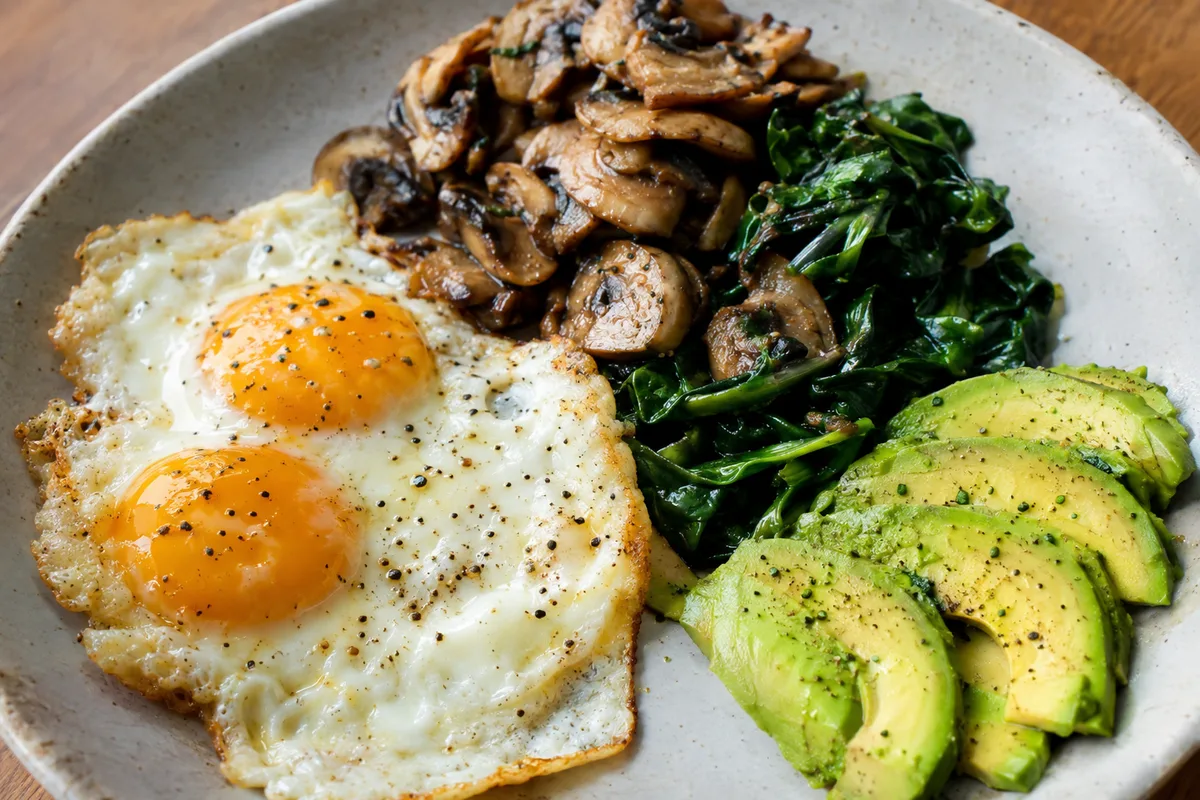
Start with a protein food and a generous serving of lower-carbohydrate vegetables. Add a source of fat that suits the dish, such as olive oil on a salad, avocado beside eggs or seeds over roasted vegetables. This creates a recognisable meal rather than a plate made mostly from added fat.

Protein still has an important place in ketogenic eating. It contributes about 4 kcal per gram, as does carbohydrate, while fat contributes about 9 kcal per gram. Because fat is more energy-dense, modest-looking additions of oil, cream, nuts or cheese can noticeably change the energy total in your diary.
You do not have to force extra fat into a meal simply to reach a tracker target. Hunger, meal size and overall energy intake still matter, and the suitable amounts depend on the person. Logging added fats accurately can help you see whether they are supporting the meal or dominating it.
- Eggs with mushrooms, spinach and avocado
- Salmon with green beans and an olive oil dressing
- Tofu with cabbage, peppers and sesame seeds
- Chicken with cauliflower, herbs and a yoghurt dressing
- A salad of leafy greens, cucumber, olives, tuna and olive oil
Food quality still matters
A low carbohydrate total does not automatically make a day varied or balanced. Eating the same meat, cheese and added fats repeatedly can leave little room for vegetables, seeds, nuts and other sources of fibre. Your diary can help you notice repetition as well as numbers.
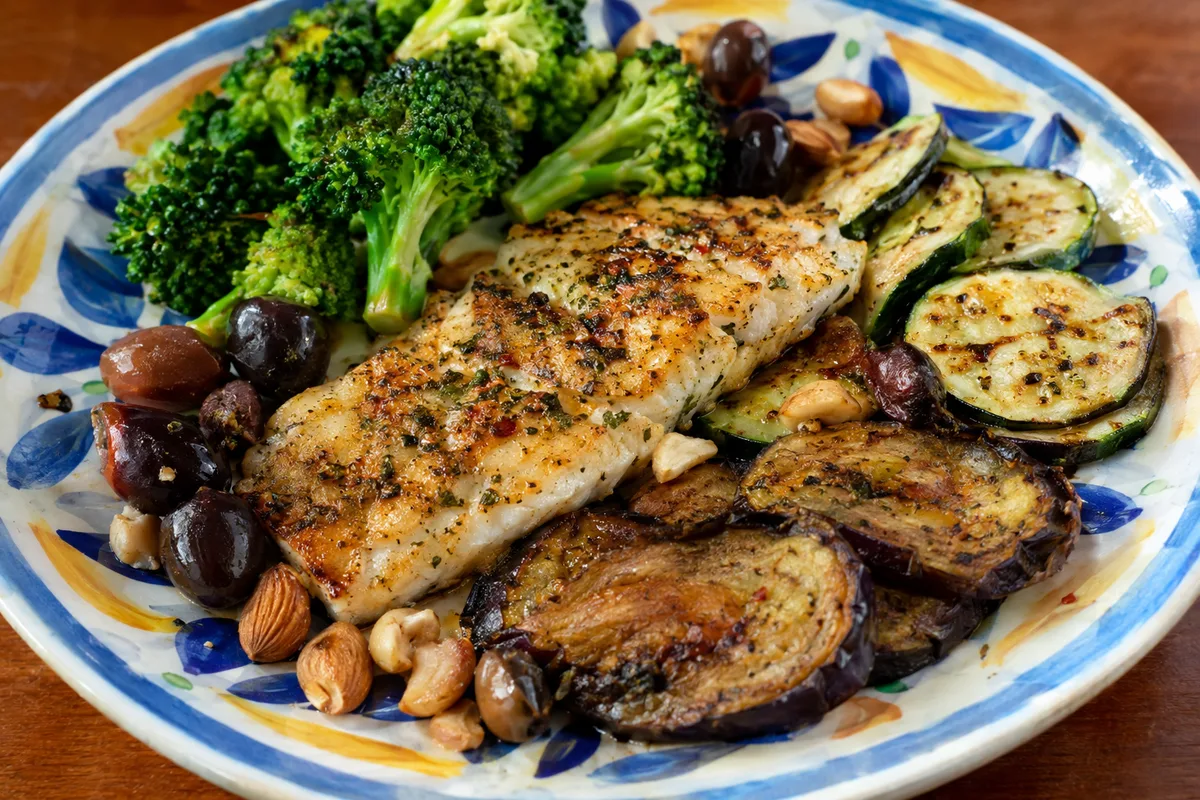
Include a range of lower-carbohydrate vegetables across the week, with different colours and textures where possible. Nuts, seeds, avocado and olives can add fibre alongside fat, while fish, eggs, tofu and other protein foods provide variety. The exact mix will depend on your preferences, budget and usual way of eating.
Packaged foods labelled keto or low carb are not essential. Read the full nutrition information and ingredient list rather than relying on wording on the front. A simple meal made from familiar ingredients is often easier to understand and log.
- Rotate leafy greens, mushrooms, aubergine, broccoli and courgette
- Vary protein choices rather than repeating one food every day
- Use nuts and seeds in portions that can be logged accurately
- Choose oils, avocado, olives or seeds alongside other fat sources
- Keep fibre-rich lower-carbohydrate foods visible in your diary
Planning for the first few days
A sudden drop in carbohydrate changes both meals and stored water in the body. Some people notice temporary tiredness, headache, thirst, digestive changes or reduced exercise capacity while adjusting. These experiences vary, and persistent or severe symptoms should not be ignored.
Regular meals, enough fluid and a varied food intake can make the change easier to observe. Salt intake may also shift when bread, ready meals and snack foods are removed, but the right amount depends on the person and their circumstances. Avoid using a fixed target copied from someone else's diary.
Plan a few straightforward meals before starting so that hunger does not leave you relying on foods that do not fit your intended approach. It can also help to change one familiar meal at a time and log the result. This makes it easier to spot which changes are practical for your routine.
- Choose several breakfasts, lunches and dinners you can repeat
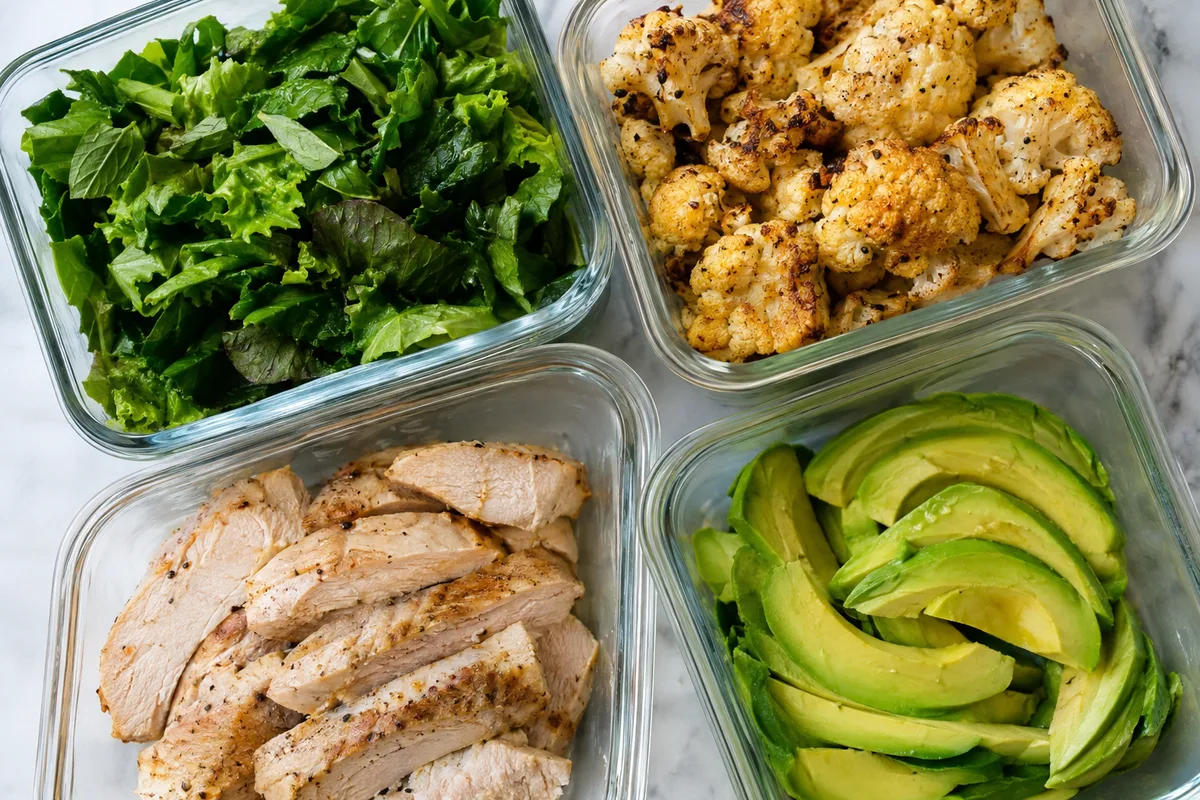
- Prepare lower-carbohydrate vegetables in advance
- Keep suitable protein foods available for quick meals
- Plan what you will eat when away from home
- Review hunger, digestion and energy in your diary notes
Reviewing whether the approach suits you
Use your tracker to look beyond a single carbohydrate figure. Review meal variety, fibre, protein, added fats, hunger and how practical the pattern feels in everyday life. A diet that is difficult to maintain or leaves meals feeling unsatisfying may need adjusting.
Early body-weight changes can include changes in stored water, so they do not tell the whole story about body fat. Avoid treating a short stretch of data as a guaranteed trend. The pace and direction of change depend on the individual and their overall intake.
A ketogenic diet is a major dietary change and is not appropriate in every situation. Seek individual guidance from a qualified health professional if you are pregnant, breastfeeding, under 18, have a history of restrictive eating or are already receiving medical care. Personal guidance is also sensible if symptoms continue or you are unsure how to meet your nutritional needs.
- Compare weekly patterns rather than judging one meal
- Check whether vegetables and fibre sources appear regularly
- Review portions of oils, nuts, cheese and cream
- Note hunger, digestion, sleep and exercise alongside food
- Adjust the plan when it does not fit your needs or routine