
Is Vodka Gluten Free? What to Check Before You Pour
Vodka can begin with wheat, barley or rye and still contain no gluten after distillation. This guide explains why, what can introduce gluten later and what to record when tracking your intake.
The short answer
Pure vodka is generally considered gluten free because it is distilled. This applies even when the starting ingredient is a grain such as wheat, barley or rye. The important distinction is between the ingredients placed in the still and the liquid collected after distillation.
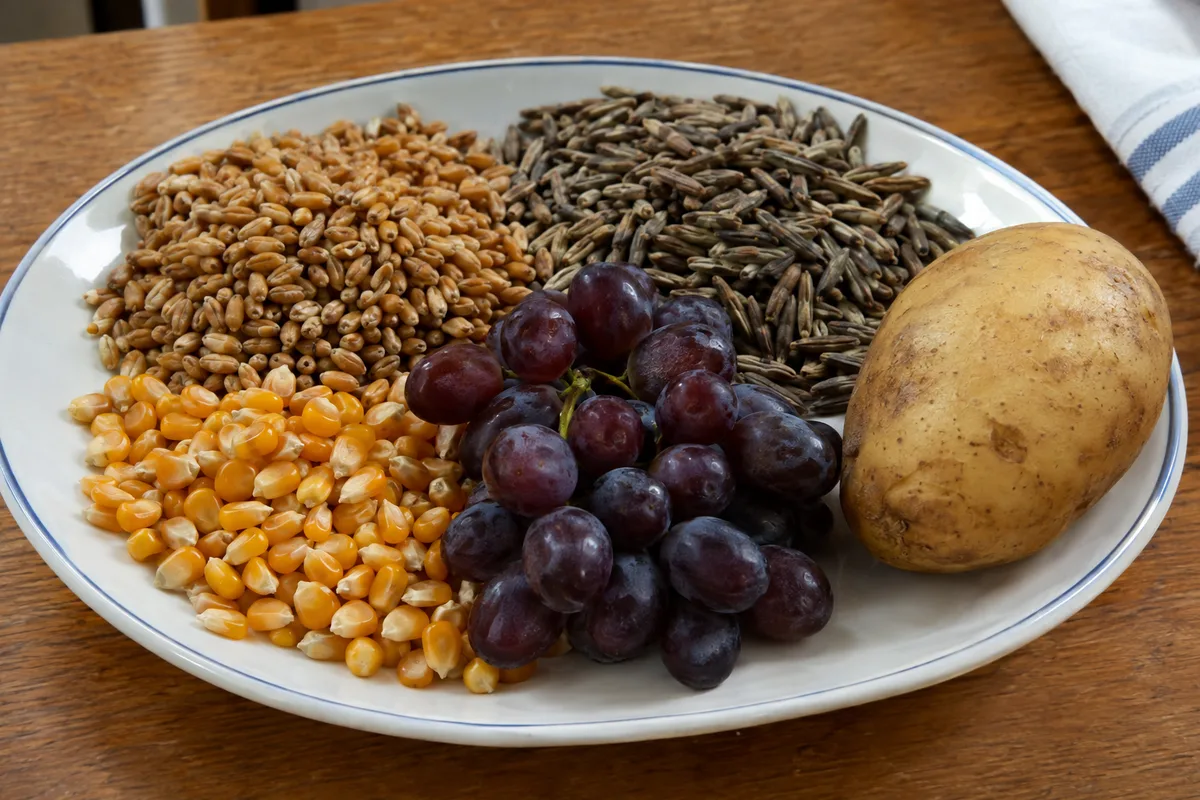
Vodka may also be made from potatoes, maize, grapes or other sources. These ingredients can matter for flavour and personal preference, but they do not automatically make one plain distilled vodka safer than another. Added ingredients and handling after distillation deserve more attention than the original starch source.
- Plain distilled vodka
- Vodka made from grain
- Vodka made from potatoes
- Vodka made from maize or grapes
Why distillation changes the answer
Fermentation turns sugars from the starting ingredient into alcohol. Distillation then heats the fermented liquid and collects the alcohol-rich vapour as it cools. Gluten proteins do not normally travel with that vapour into the finished distillate.
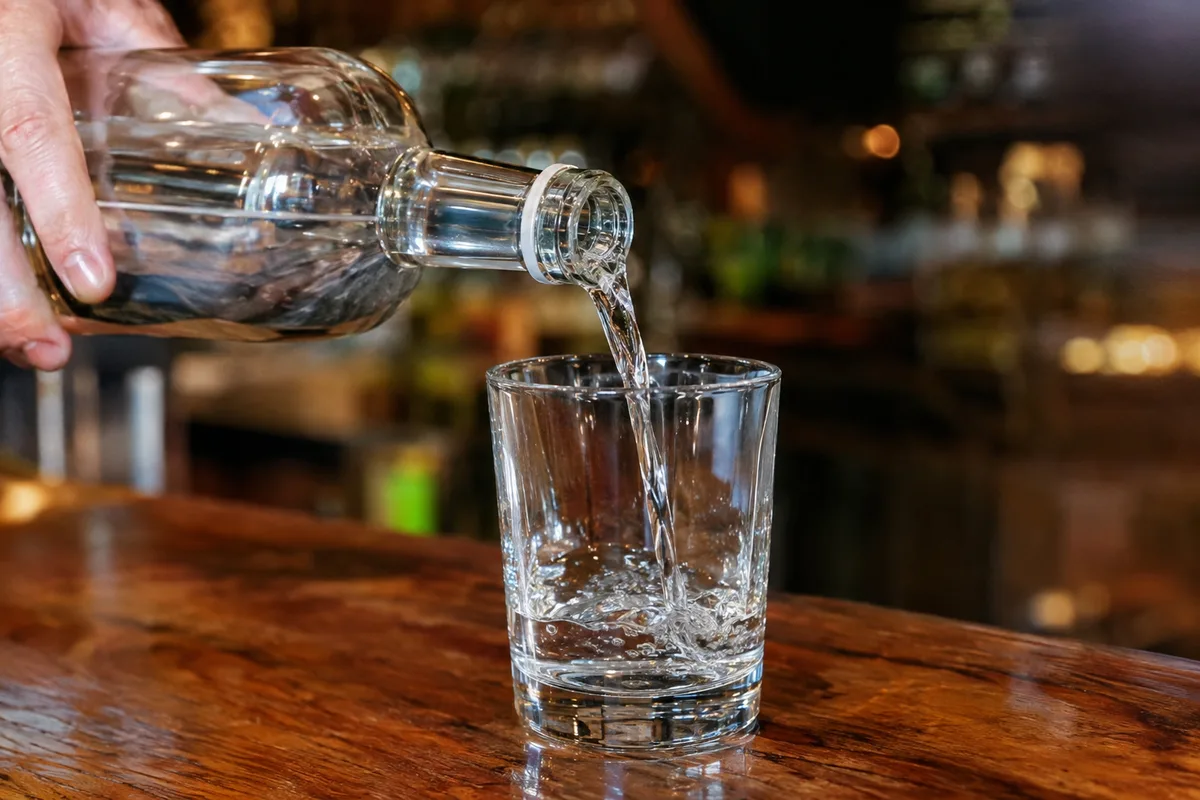
This is different from drinks that are only fermented and are not distilled. In those drinks, material from the original grain can remain in the final product. Vodka goes through the extra separation step, although ingredients added afterwards need checking separately.
- The base ingredient provides starch or sugar
- Fermentation produces alcohol
- Distillation separates the alcohol from heavier material
- Water and other permitted ingredients may be added afterwards
When vodka may need a closer look
The simple answer applies most clearly to plain, unflavoured vodka. Flavoured versions may contain syrups, extracts, colourings or other additions introduced after distillation. Ready-mixed vodka drinks can also contain many more ingredients than the spirit itself.
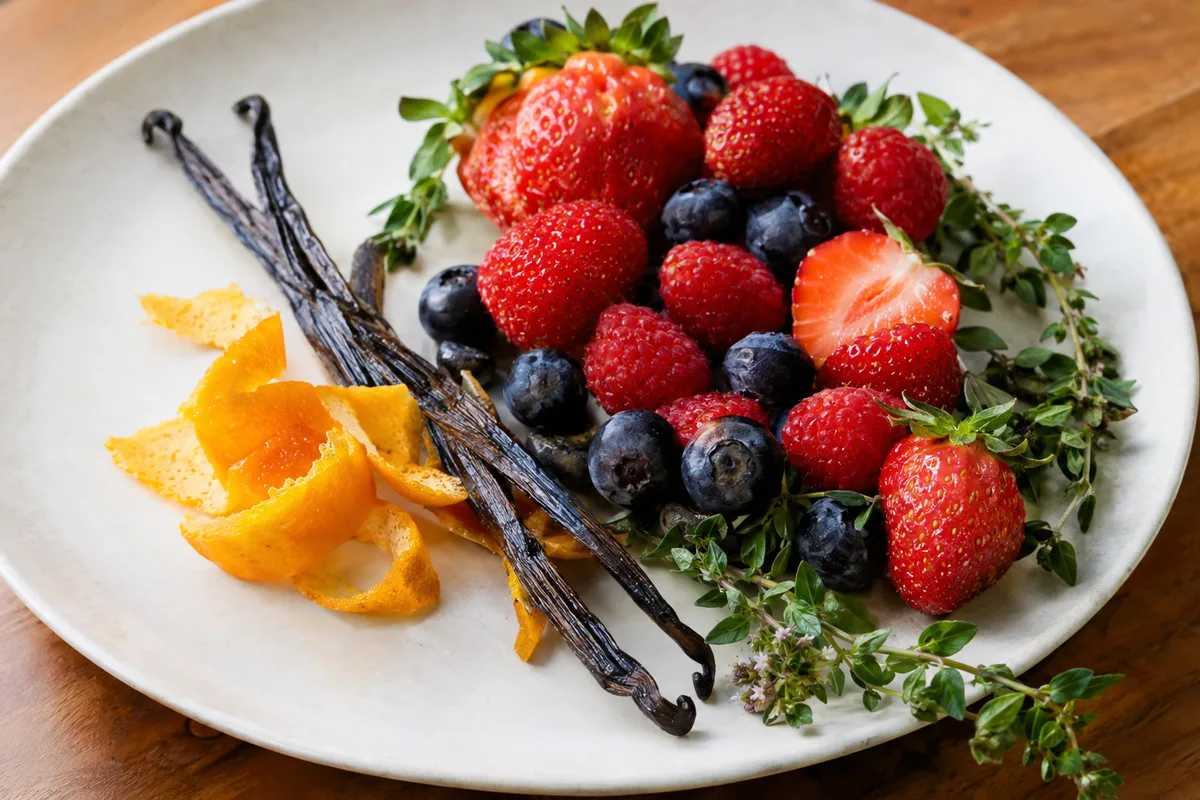
Cross-contact is another possible concern when equipment or production lines are shared. Manufacturing practices differ, so the risk depends on the producer and the particular drink. A vague flavour description on the front of the bottle does not provide a full ingredient check.
- Flavoured or infused vodka
- Vodka-based cream drinks
- Premixed cans and bottled cocktails
- Products with added colouring or sweetening
- Drinks poured from shared bar equipment
How to read the label
Start with the exact product rather than assuming every drink from the same brand is identical. Look for a gluten-free statement, an ingredient list and any allergen information available in your region. Labelling rules vary, and spirits may show less ingredient detail than packaged food.
If the information is unclear, check the producer's official product details or contact the producer directly. Ask about ingredients added after distillation and whether the product is made on shared equipment. Avoid relying only on a shop category, an online comment or the appearance of the drink.
- Confirm that the product is distilled vodka
- Check whether it is plain or flavoured
- Read the ingredient and allergen information
- Look for a clear gluten-free statement
- Check the producer's information if the label is incomplete
Mixers and garnishes count too
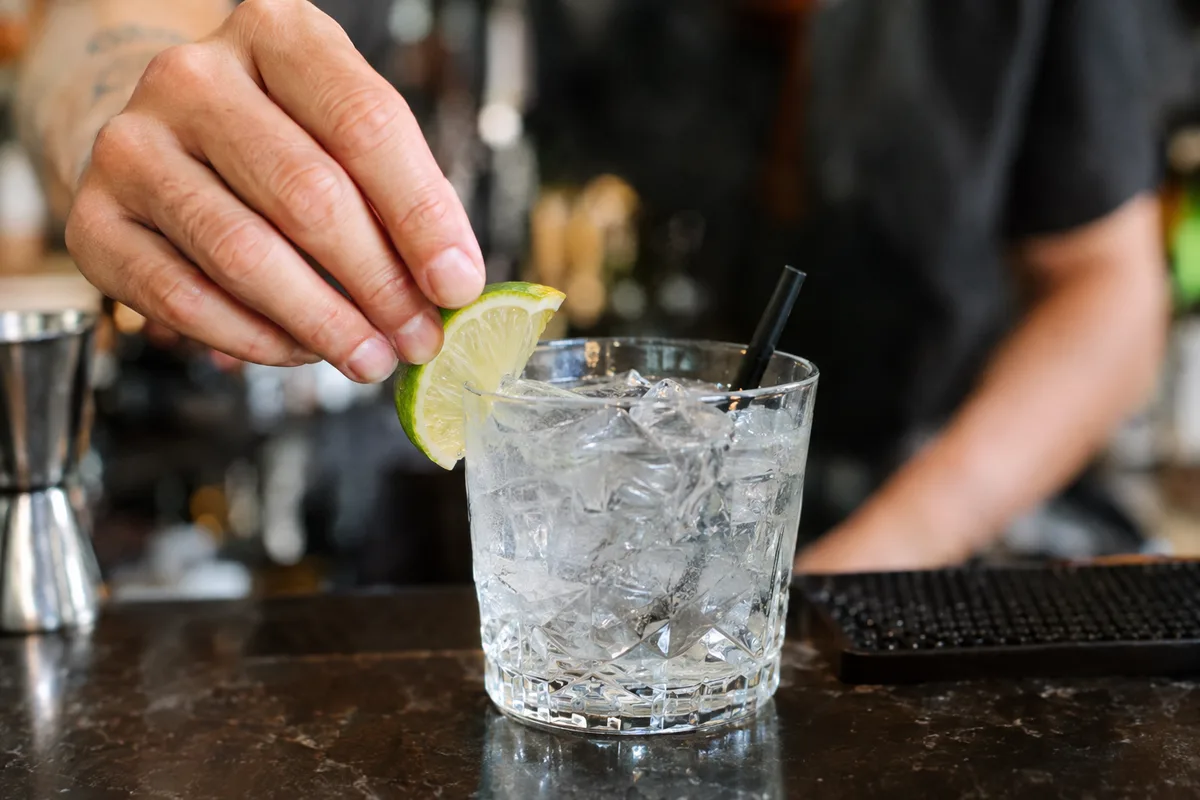
A plain vodka may be gluten free while the complete drink is not. Mixers, cocktail syrups, bitters and decorative toppings all become part of what you consume. Shared shakers, measures and preparation surfaces can also introduce traces from other drinks.
Simple combinations are usually easier to check because they contain fewer ingredients. Packaged mixers should be assessed using their own labels rather than the vodka label. At a bar or restaurant, ask what goes into the full drink, including the garnish and anything used around the rim.
- Check tonic water, fizzy drinks and juices separately
- Ask what is in flavoured syrups and bitters
- Check creamy or dessert-style mixers
- Watch for biscuit, malt or crumb garnishes
- Ask about shared cocktail equipment when relevant
Recording vodka in your food tracker
Gluten status and energy intake are separate questions. A vodka can be gluten free and still contribute energy, while mixers may add more depending on their ingredients. The amount depends on the serving size, the strength of the vodka and what else is in the drink.
Record the measure poured rather than entering a generic glass if your tracker allows it. Add mixers, syrups and garnishes as separate entries so the record reflects the complete drink. When no label is available, choose the closest verified entry and note that it is an estimate.
- Enter the vodka measure and strength shown on the label
- Record each mixer separately
- Include syrups, cream and sweetened additions
- Adjust for a single or larger measure
- Save a regular combination as a meal or recipe if useful