
Can You Mix Creatine with Protein Powder?
Creatine and protein powder do different jobs, but they can be mixed in the same drink or meal. This guide explains how to combine them, what to track and when separate servings may be more practical.
Creatine and protein are not the same thing
Protein powder is a convenient source of dietary protein. Your body uses protein as part of maintaining and building tissues, including muscle, while your total intake across the day matters more than any single serving. Protein powder can contribute energy, so it belongs in your food log.

Creatine is a substance stored mainly in muscle, where it helps supply energy for short, demanding efforts. It is also found naturally in foods such as meat and fish, although supplements provide it in a more concentrated form. Creatine does not replace protein, and adding it to a shake does not turn it into an extra source of protein.
Because the two have different roles, taking one does not remove the possible reason for taking the other. Your decision can reflect your training, food intake, preferences and professional guidance. Neither powder can take the place of a varied diet or a suitable training programme.
- Protein powder contributes to your daily protein total
- Creatine supports the rapid energy system used during brief, hard efforts
- Protein powder usually contributes calories
- Creatine is not a substitute for a meal or protein-rich food
Yes, they can be mixed together
Creatine can generally be stirred or shaken into a protein drink. Mixing the powders does not stop either one from serving its usual purpose. The main practical questions are whether the drink mixes well, tastes acceptable and feels comfortable to consume.

Follow the serving directions on each label rather than assuming the scoop sizes are interchangeable. A creatine scoop and a protein scoop can hold very different amounts, even when they look similar. Measure each powder with the method stated on its own packaging.
Add enough liquid to make the drink easy to mix and consume. If powder settles at the bottom, stir or shake it again and finish the remaining liquid. Preparing the drink shortly before consuming it is simpler than leaving a mixed shake standing for a long time.
- Measure each powder separately
- Add both to water or milk
- Mix until no dry pockets remain
- Record the ingredients you actually used
Timing is mostly about consistency
You do not have to combine creatine and protein at a precise minute. Creatine is normally used consistently so that muscle stores can build and remain topped up, rather than for an immediate effect from one drink. The most useful time is often one that fits easily into your routine.

Protein can be spread across meals and snacks according to your appetite and daily target. A shake after training can be convenient, but it is not the only suitable option. If you already get enough protein from meals, the amount of powder you need may be smaller or none at all.
Taking both powders together may make the routine easier to remember. Taking them separately is also reasonable if you prefer protein at one time and creatine at another. Regular habits matter more than making the combination complicated.
- With a meal you already eat regularly
- In a shake after training
- Mixed into yoghurt or porridge
- Separately at two convenient times
How to log the mixture
Track protein powder using the nutrition information for the brand and amount you used. Include the liquid and any additions, such as milk, yoghurt, oats, fruit or nut butter. These ingredients can change the drink's energy and nutrient totals more than the creatine itself.

Log creatine separately if your tracker includes supplements, using the amount shown on the label. If there is no suitable entry, a note in your diary can help you monitor consistency without assigning invented nutrition values. Avoid choosing a database entry that adds calories or protein not shown on your product's label.
Saved meals can make repeated combinations quicker to record. Check the saved quantities whenever you change the powder, liquid or extras. Your protein target and suitable creatine serving depend on the person, so use goals based on your own circumstances rather than copying another user's log.
- Protein powder and its measured serving
- Milk, yoghurt or other mixing base
- Fruit, oats, nut butter or other additions
- Creatine as a separate supplement entry or diary note
If the mixture feels unpleasant
Combining two powders can make a drink thicker, sweeter or grainier. A large shake may also feel less comfortable than two smaller servings. This is a practical issue rather than a sign that the powders must be taken together.
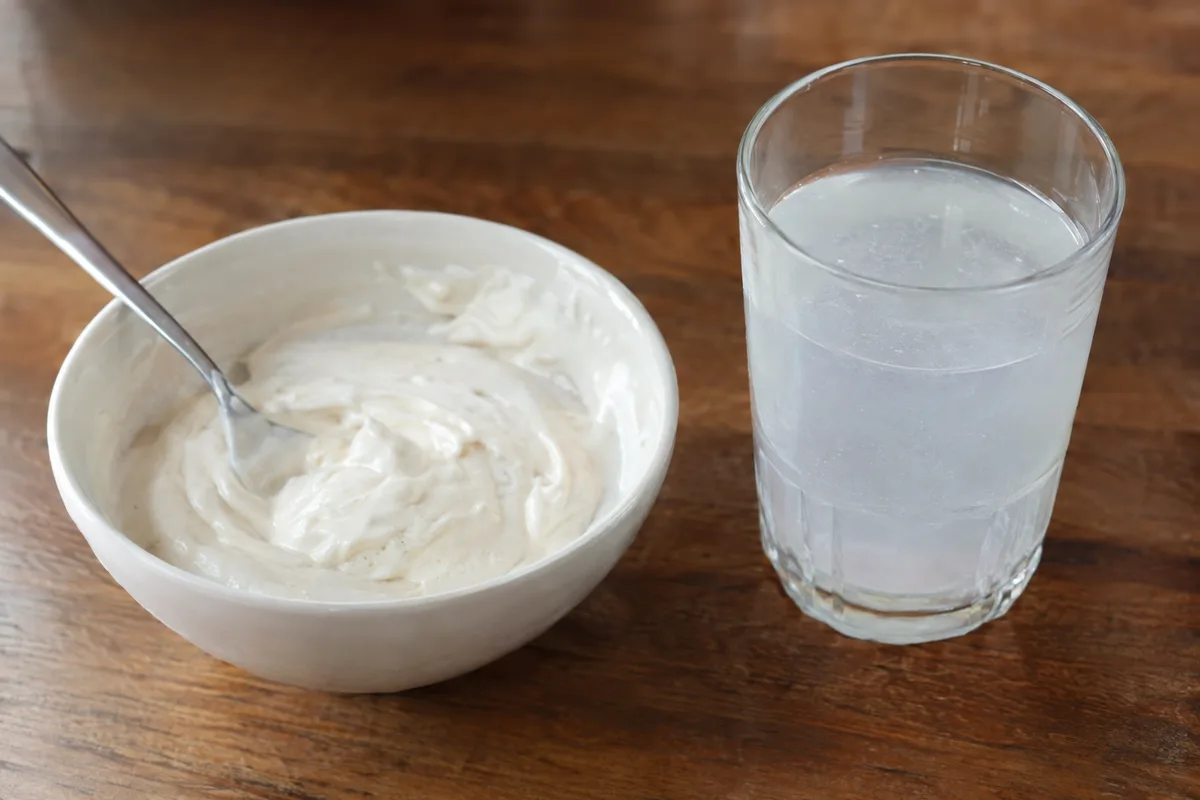
Try changing one feature at a time so you can tell what helps. More liquid, a different temperature or mixing creatine into a meal may improve the texture. Do not keep increasing liquid if that simply creates a volume you do not want to finish.
You can also separate the powders without losing the convenience of either one. For example, protein powder can go into porridge while creatine is mixed into a drink later. Choose a method that you can follow consistently and that suits your digestion.
- Use more liquid for a thinner texture
- Stir creatine into yoghurt or porridge
- Split a large drink into separate servings
- Take creatine and protein at different times
Check whether the combination suits you
Read both labels before combining the products, including directions, ingredients and warnings. Flavoured protein powders may contain additional ingredients that affect taste, digestion or your food log. A simple ingredients list can make it easier to understand what you are taking.
More is not automatically better. Stay within the labelled directions unless a qualified professional has advised a different approach for your circumstances. Taking extra protein or creatine cannot replace suitable meals, recovery and training.
Seek individual guidance before using supplements if you are pregnant, breastfeeding, under 18, have existing health concerns or have been advised to limit particular nutrients. A GP, registered dietitian or pharmacist can consider your wider circumstances. Stop using a product and ask for advice if it causes a persistent unwanted reaction.
- Read the serving directions for both powders
- Check added ingredients and allergens
- Consider your total protein from food and drinks
- Ask a qualified professional when personal guidance is needed