
How to Choose a Protein Powder That Fits Your Food Diary
Protein powder can be a convenient way to add protein, but the best choice depends on your diet, preferences and usual meals. This guide explains how to read the label, compare protein sources and log each serving accurately.
Start with the reason you want it
Before comparing tubs or sachets, decide what job the powder needs to do. You might want an easy addition to breakfast, something portable after activity or a way to make a snack more filling. Protein powder is an optional food rather than a requirement, so it helps to compare it with ordinary protein-rich foods you already enjoy.
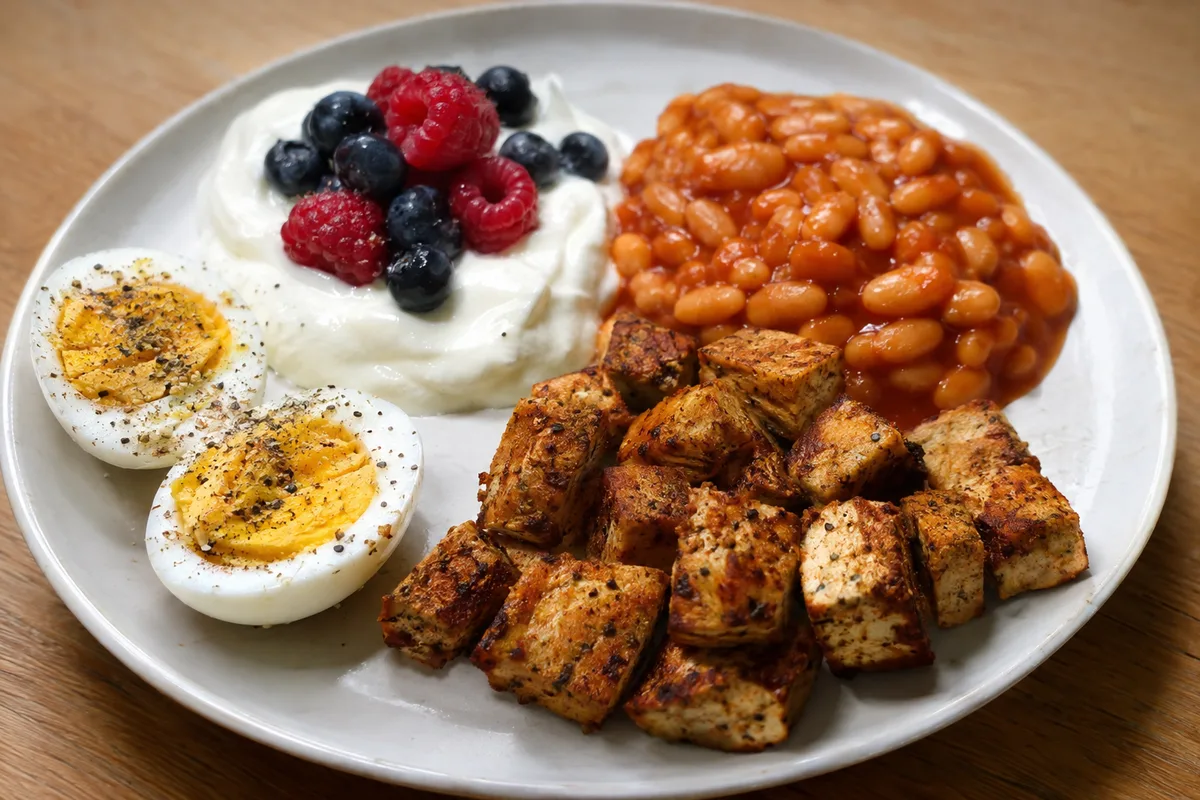
Look at your food diary across several typical days rather than focusing on one meal. Notice when protein is harder to include and whether a powder would genuinely make that moment easier. The amount that suits you depends on your overall food intake, activity, appetite and personal aims.
- Identify the meal or snack where you plan to use it
- Check whether food such as yoghurt, eggs, beans, fish or tofu would work just as well
- Decide whether you need a plain powder for recipes or a flavoured one for drinks
- Consider how often it would realistically appear in your diary
Choose a protein source you enjoy and tolerate
Protein powders can come from milk, eggs or plants such as soy, peas, rice and hemp. Each source has its own taste, texture and ingredient profile. Your usual eating pattern and any ingredients you avoid can quickly narrow the options.
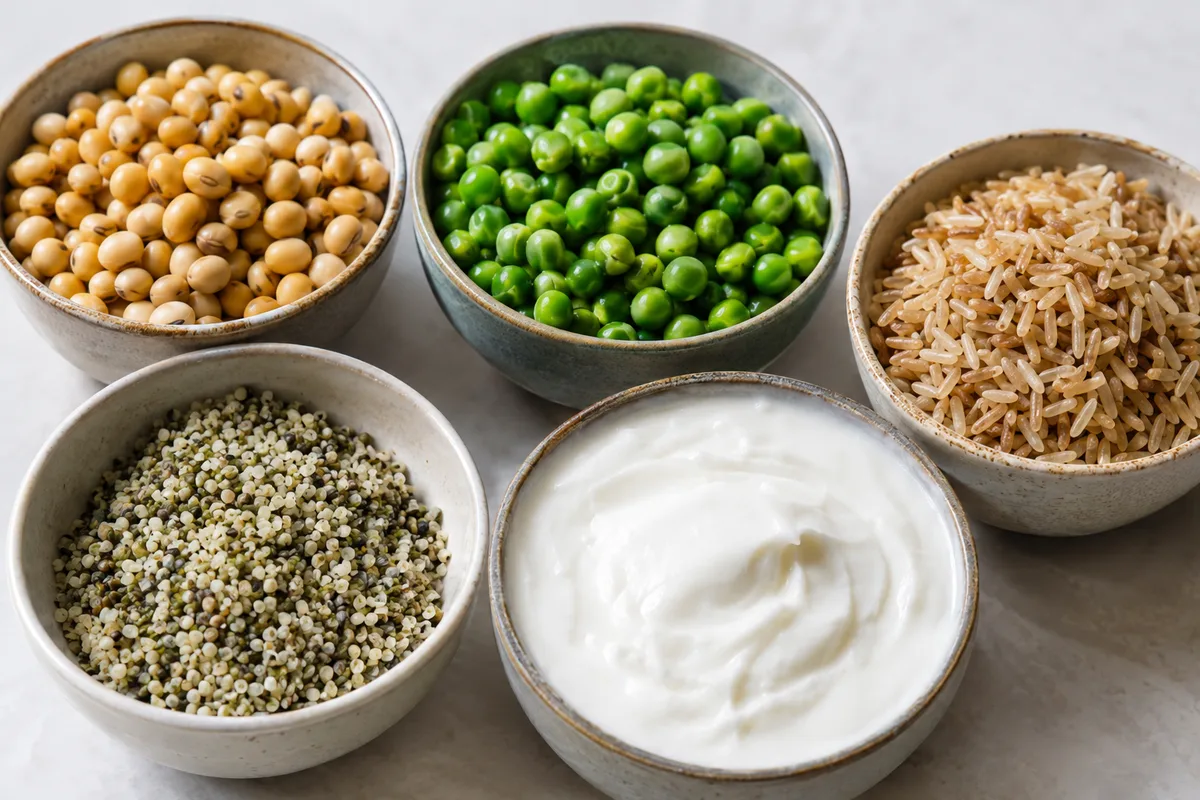
Whey tends to mix into a lighter drink, while casein usually creates a thicker texture. Plant powders can taste earthier, and blends may combine different plant sources for a broader mix of amino acids. These are general tendencies, so the final texture still depends on the recipe and how the powder is processed.
- Whey for a generally lighter, milk-based option
- Casein for a generally thicker, milk-based option
- Soy for a single-source plant protein
- Pea, rice or mixed plant proteins for other plant-based choices
- Egg protein for a non-dairy animal-based option
Read the nutrition panel in context
Compare the protein amount with the serving size rather than looking only at the claims on the front. A larger scoop can appear to provide more protein simply because the suggested serving is bigger. Also check the energy, carbohydrate, sugars, fat and fibre if those figures matter in your tracking.
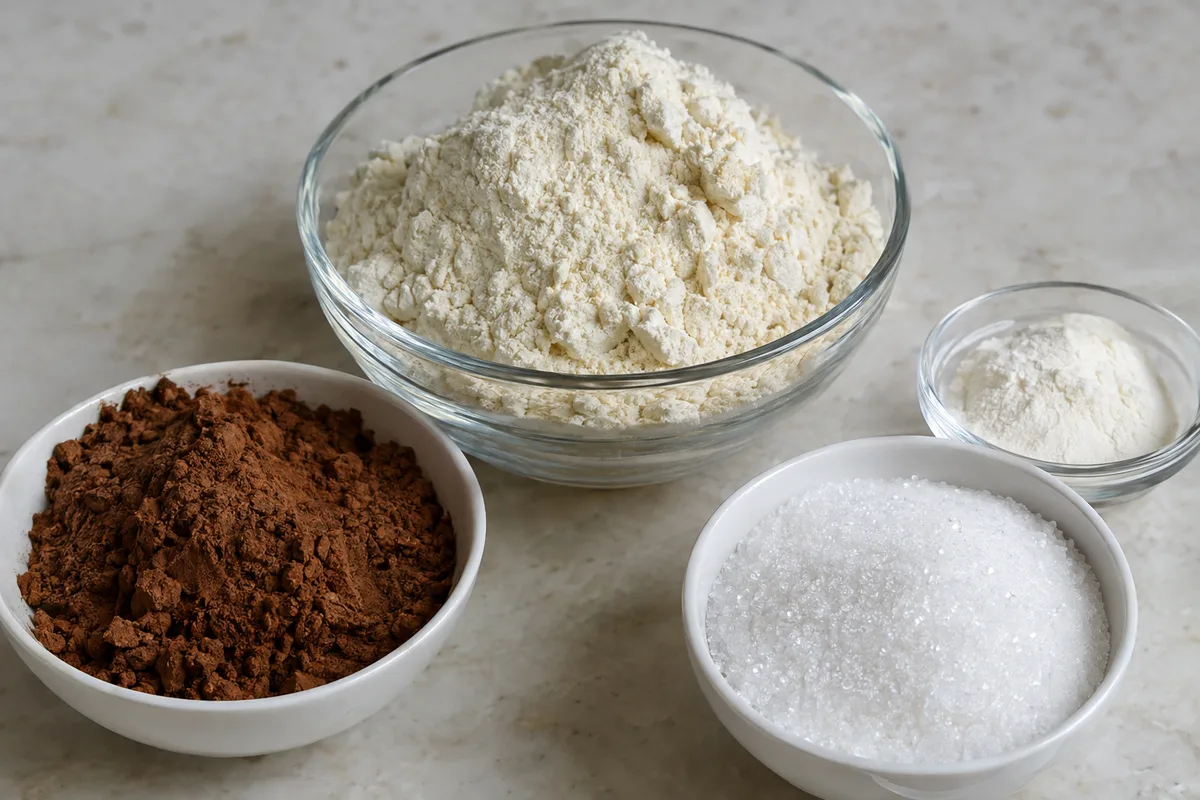
The serving printed on the pack is a reference, not a rule. If you use a different amount, log the quantity you actually add to your drink or meal. Remember that milk, yoghurt, fruit, oats, nut butter and other additions also contribute energy and nutrients.
Some powders are mainly protein, while others include more carbohydrate, fat or added ingredients. Neither style is automatically better, but they serve different purposes in a food diary. The useful choice is the one whose full nutrition profile fits the meal you intend to make.
- Compare protein per stated serving and per 100 grams
- Check the serving size used for the front-of-pack claim
- Review energy and other nutrients that you track
- Include every mixer and topping in your log
- Use the same logged amount as the amount you prepare
Check the ingredient list and added extras
A shorter ingredient list can be easier to understand, but length alone does not determine quality. Read from the beginning because ingredients are listed in descending order by weight. This shows whether protein is the main ingredient and what else contributes to the product.
Flavoured powders may contain sweeteners, sugar, cocoa, flavourings, thickeners or salt. Some also include added vitamins, minerals, caffeine or herbal ingredients. Decide whether you want those extras rather than assuming that more additions make a powder more useful.
Check the label carefully for ingredients you avoid or do not tolerate well. Statements about shared manufacturing equipment can also matter when avoiding particular foods. If independent testing is important to you, look for a clearly named verification programme rather than relying on vague quality claims.
- Protein source near the start of the list
- Sweeteners or added sugars
- Thickeners and flavourings
- Caffeine or other stimulating ingredients
- Clear allergen and independent-testing information
Think about flavour, texture and how you will use it
A powder may look suitable on paper but still be impractical if you dislike its taste or texture. Consider whether it will be mixed with water, stirred into yoghurt, blended with fruit or used in porridge. A strong flavour can work in a smoothie but may be less flexible in cooking.
Unflavoured powder usually gives you more control over sweetness and flavour, although it can still have a noticeable taste. Vanilla and chocolate may be easier to drink on their own but can limit the recipes they suit. Texture can also change depending on the liquid, mixing method and time left to stand.
Choose around your real routine rather than an imagined one. If you normally track quick breakfasts, a simple mixture may be easier to log consistently than a recipe with many additions. Consistency in preparation also makes your diary more useful when comparing meals.
- Water for the simplest drink
- Milk or a plant drink for a creamier result
- Yoghurt for a thicker snack
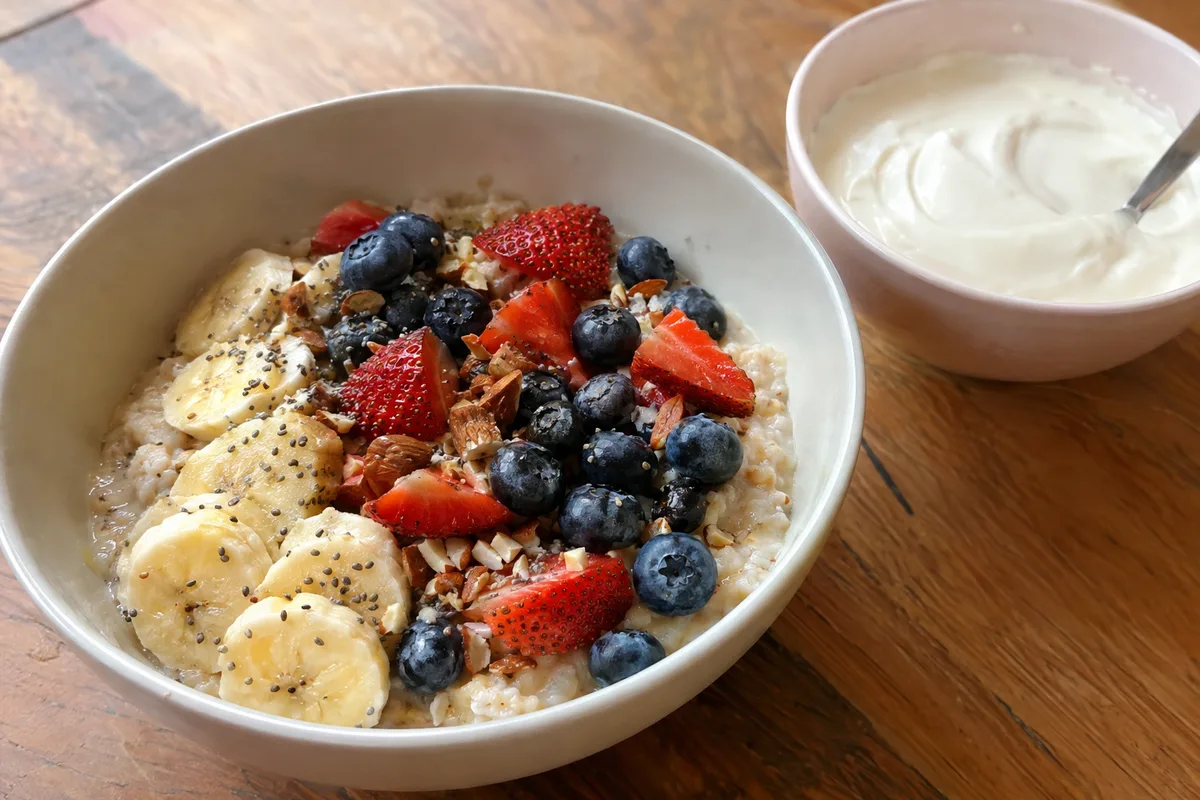
- Oats or porridge for a food-based meal
- Fruit and other additions for a more substantial smoothie
Use a final checklist before deciding
Bring the information together by comparing only the features that matter for your intended use. Check the protein source, serving information, full ingredient list and preparation instructions side by side. Ignore dramatic wording unless the specific claim is supported by clear information on the label.
Your first choice does not have to be permanent. After using a powder, note how it tastes, how easily it mixes, whether it suits your appetite and how simply it fits into your tracking. Those practical details are often more useful than a long list of marketing claims.
Protein powder should complement the rest of your meals rather than crowd out variety. Keep including protein-rich foods that also provide different textures and nutrients. The most suitable powder is one you tolerate, enjoy and can record accurately when it is genuinely useful.
- Does the protein source suit your eating pattern
- Is the serving information clear
- Do the ingredients match what you want to include or avoid
- Will the flavour work in your usual meals
- Can you log the amount and additions accurately