
How to Count Macros Without Making It Complicated
Counting macros means tracking how much protein, carbohydrate and fat you eat, rather than looking only at calories. This guide explains how to choose targets, log foods and make useful adjustments.
What counting macros actually means
Macros, short for macronutrients, are nutrients that provide most of the energy in food. The three usually tracked are protein, carbohydrate and fat. Counting them means recording the grams of each one you eat across the day.

Protein and carbohydrate provide about 4 kcal per gram, while fat provides about 9 kcal per gram. This is why two meals with the same weight can have very different energy totals. Macro tracking shows where that energy comes from as well as the overall amount.
- Protein includes the protein in meat, fish, eggs, dairy foods, beans, lentils and plant-based alternatives.
- Carbohydrate includes sugars, starches and fibre, although labels and tracking tools may handle fibre differently.
- Fat includes the fats naturally present in foods as well as oils, spreads, dressings and cooking fats.
Choose targets that fit your routine
There is no single macro split that suits everyone. Your preferred foods, appetite, activity, body size and goal all affect what feels practical. If you already have calorie and macro targets from a suitable professional or trusted tracking tool, use those as your starting point.

Think of macro targets as a working guide rather than a test you must pass perfectly. A range can be easier to follow than trying to hit an exact gram every day. Review patterns over several days because one unusual meal rarely tells you much.
- Choose a protein target that you can spread across familiar meals and snacks.
- Leave enough carbohydrate for the foods and activities you enjoy.
- Include fat rather than trying to remove it from every meal.
- Check that the overall targets allow a varied and satisfying way of eating.
Read labels in the right order
Start with the serving information, because the numbers may refer to a suggested portion or to a standard amount of food. Compare that amount with what you actually ate. If your portion differs, adjust the listed protein, carbohydrate and fat by the same proportion.

Use the total carbohydrate and total fat figures rather than adding their smaller parts together. Sugars sit within carbohydrate, while saturated fat sits within total fat. Adding both the total and its parts would count the same nutrient twice.
Foods without labels can be logged using a reliable food database. Choose an entry that matches whether the food was raw, cooked, drained or prepared with added ingredients. For mixed dishes, either use a close match or enter the recipe ingredients separately.
- Check whether the label uses a portion or a standard amount.
- Match the food description to the form you ate.
- Adjust all macro figures when you change the portion.
- Avoid entries that look incomplete or describe a different preparation method.
Log portions and mixed meals
For packaged foods, enter the amount you ate rather than accepting the default serving automatically. For foods such as rice, pasta and meat, be consistent about logging raw or cooked amounts. Cooking changes water content, so mixing the two can make the record less accurate.

For a homemade meal, record each ingredient and the number of portions the finished dish provides. Include oils, sauces, toppings and drinks when they contribute meaningful amounts. Save meals you prepare often so you do not have to rebuild them each time.
Restaurant meals and shared dishes usually require an estimate. Break the plate into its main parts, select sensible database matches and accept that the result will not be exact. Consistent estimates are more useful than avoiding the entry because you cannot know every ingredient.
- Log the main protein food.
- Add grains, bread, potatoes or other carbohydrate foods.
- Include vegetables, beans and fruit.
- Record oils, dressings, cheese, sauces and toppings.
- Divide batch recipes by the portions actually served.
Build meals around the macros you need
Your log can help you decide what to add to the next meal. If protein is low, choose a protein-rich main ingredient; if carbohydrate is low, add a grain, bread, fruit or starchy vegetable. If fat is already high, use smaller amounts of oils, rich sauces and high-fat toppings.
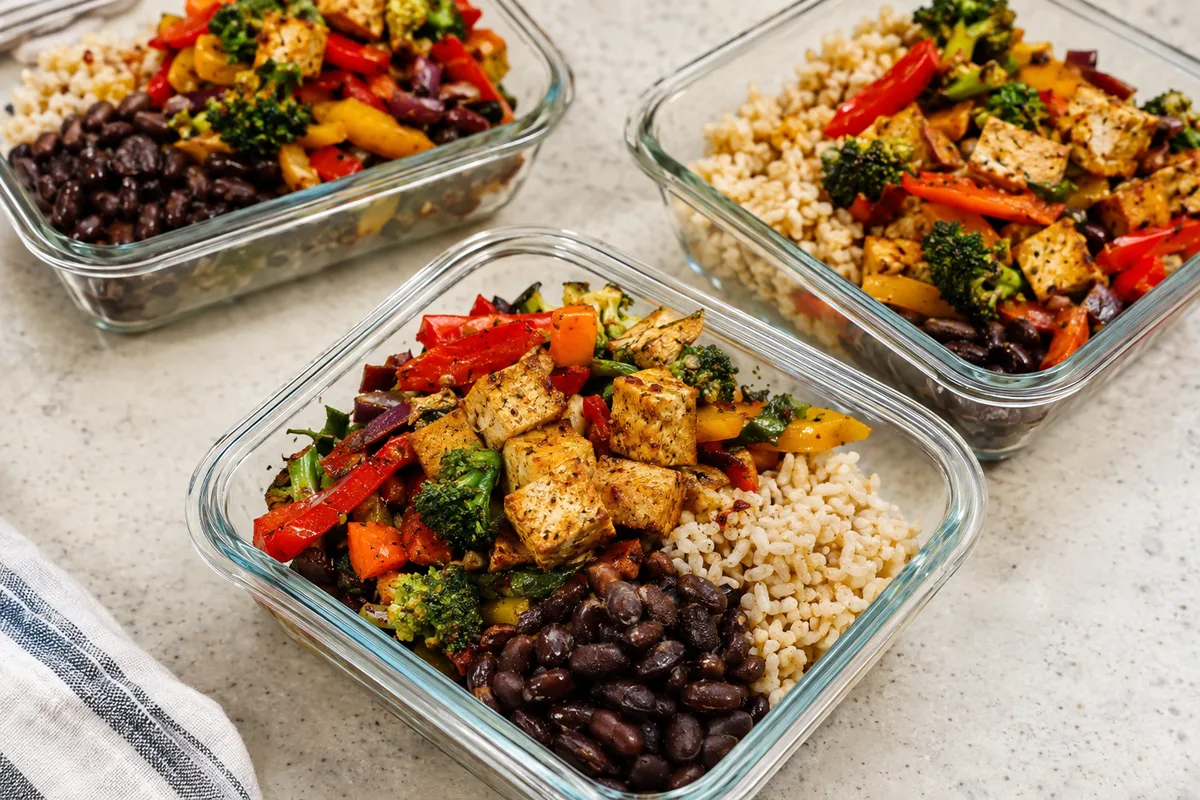
You do not need every meal to have the same macro balance. Breakfast, lunch and dinner can look different while the day still fits your general targets. It is often easier to make small swaps than to redesign a meal completely.
- Add yoghurt, eggs, fish, tofu, beans or lean meat when a meal needs more protein.
- Add oats, rice, pasta, bread, fruit or potatoes when it needs more carbohydrate.
- Add nuts, seeds, avocado, oil or a dressing when it needs more fat.
- Reduce a topping or cooking fat when the meal already contains plenty of fat.
Review the pattern and adjust carefully
At the end of the day, compare your logged totals with your targets without treating small differences as failure. Look for repeated gaps, such as protein regularly being left until the evening or fats being missed during cooking. These patterns point to practical changes you can make earlier in the day.
Change one or two habits at a time and see whether they are easy to maintain. Your targets may need revisiting when your routine, activity or preferences change. The right numbers depend on the person, so use the log as feedback rather than a rigid scorecard.
- Check whether saved foods and recipes still match the portions you use.
- Look across several ordinary days rather than judging one day alone.
- Adjust familiar meals before adding complicated new rules.
- Keep accuracy sensible so tracking remains useful and manageable.