
How to Choose a Healthier Protein Bar, Without Relying on Brand Hype
Protein bars vary widely, even within the same brand, so the front of the wrapper rarely tells the whole story. This guide explains what registered dietitians tend to look for and how to compare bars using information you already track.
Start with the job you want the bar to do
A protein bar can be a convenient snack, part of breakfast or something to keep in a bag for a busy day. The best fit depends on when you plan to eat it and what else is in the meal. A light snack and a stand-in for lunch do not need the same balance.
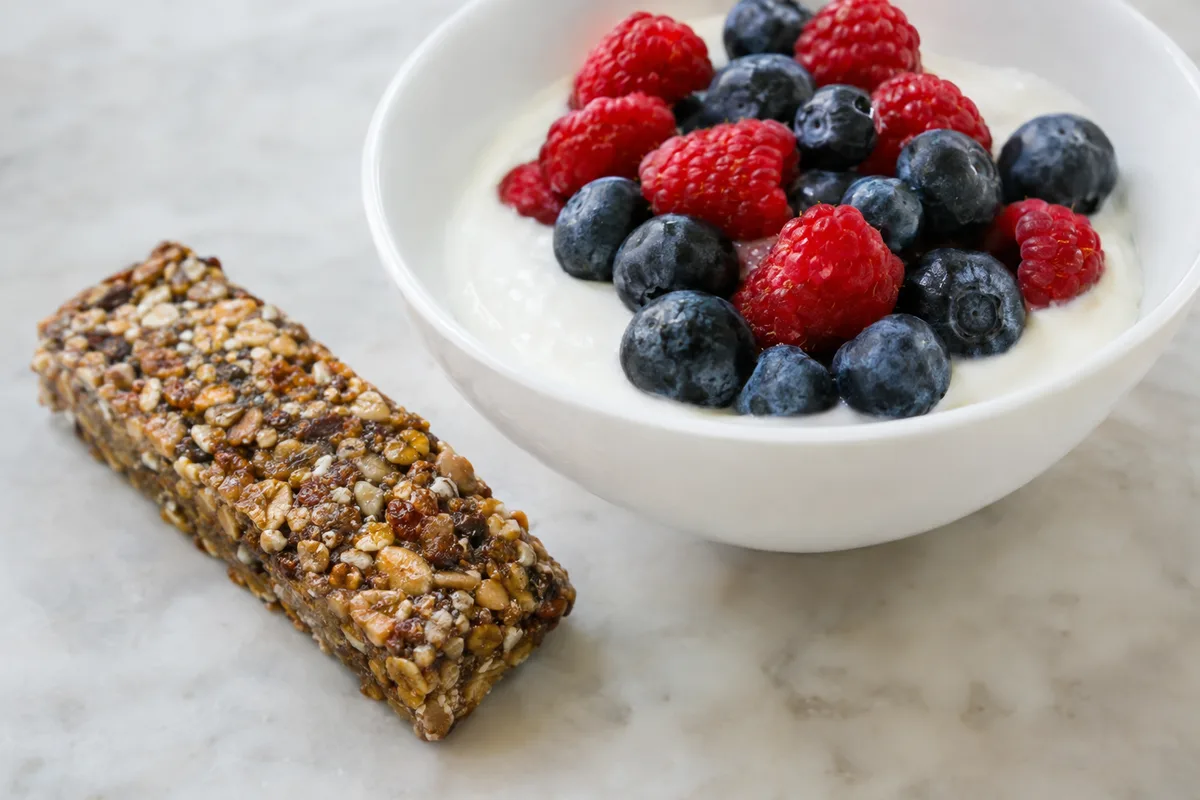
Before comparing brands, decide whether you mainly want protein, lasting energy, convenience or something sweet that fits your food log. A bar may suit one purpose but not another. If it leaves you hungry soon afterwards, pairing it with another food may work better than searching for the perfect bar.
- For a snack, consider how it fits between your usual meals.
- For breakfast, pair it with fruit or a plain yoghurt if the bar alone feels too small.
- After activity, look at the whole meal or snack rather than protein in isolation.
- For an emergency option, consider whether you enjoy the taste and can store it easily.
Read beyond the protein claim
The large protein number on the front is only one detail. Turn to the nutrition information and compare serving sizes, because one bar may be much larger than another. If you track food, log the portion you actually eat rather than assuming every bar counts as one serving.
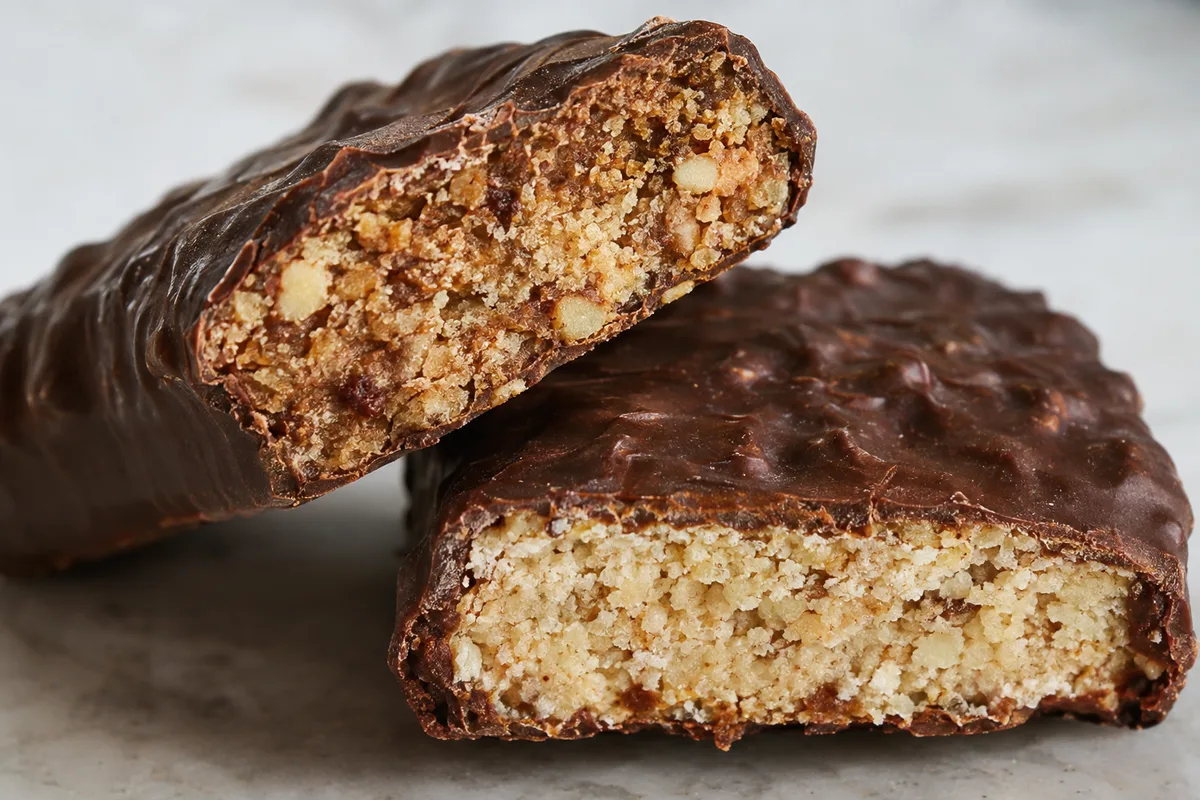
Protein provides about 4 kcal per gram, while carbohydrate also provides about 4 kcal per gram and fat provides about 9 kcal per gram. That helps explain why two bars with similar protein can have quite different energy values. Neither figure is automatically better; the useful choice depends on your day and your reason for having the bar.
- Check whether the serving is one whole bar or part of a bar.
- Compare protein alongside total energy, not as a stand-alone score.
- Notice the balance of carbohydrate and fat as well as protein.
- Use the same serving basis when comparing two products.
Look for ingredients that bring more than protein
A useful bar may contain familiar foods such as oats, nuts, seeds, dried fruit or nut butter. These ingredients can add texture, fibre and a range of nutrients alongside protein. Protein may also come from milk, soya, peas or other concentrated sources.
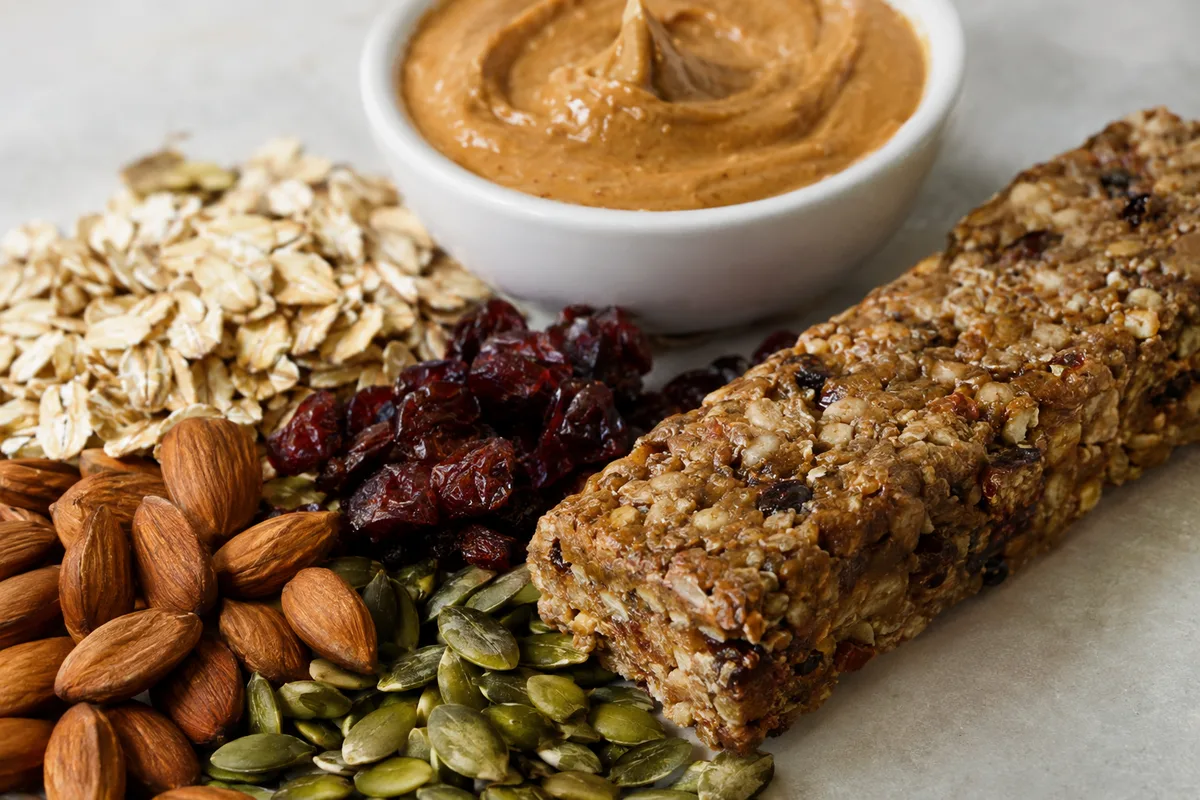
Ingredients are listed in order of weight, starting with the largest amount. A long list is not automatically a problem, and a short list is not proof that a bar is a better choice. It is more helpful to look at what makes up most of the bar and whether those ingredients suit your preferences and eating pattern.
- Oats or other wholegrains can contribute fibre and carbohydrate.
- Nuts, seeds and nut butters can provide protein, fat and texture.
- Dried fruit can add sweetness as well as fruit-based carbohydrate.
- Milk, soya or pea ingredients may supply concentrated protein.
Put sugars and sweeteners in context
Protein bars often need some sweetness to make concentrated protein taste pleasant. Sugar may come from syrups, chocolate, honey, fruit or several ingredients used together. Rather than judging one ingredient alone, check the total sugars and consider how the bar fits with the rest of what you eat.
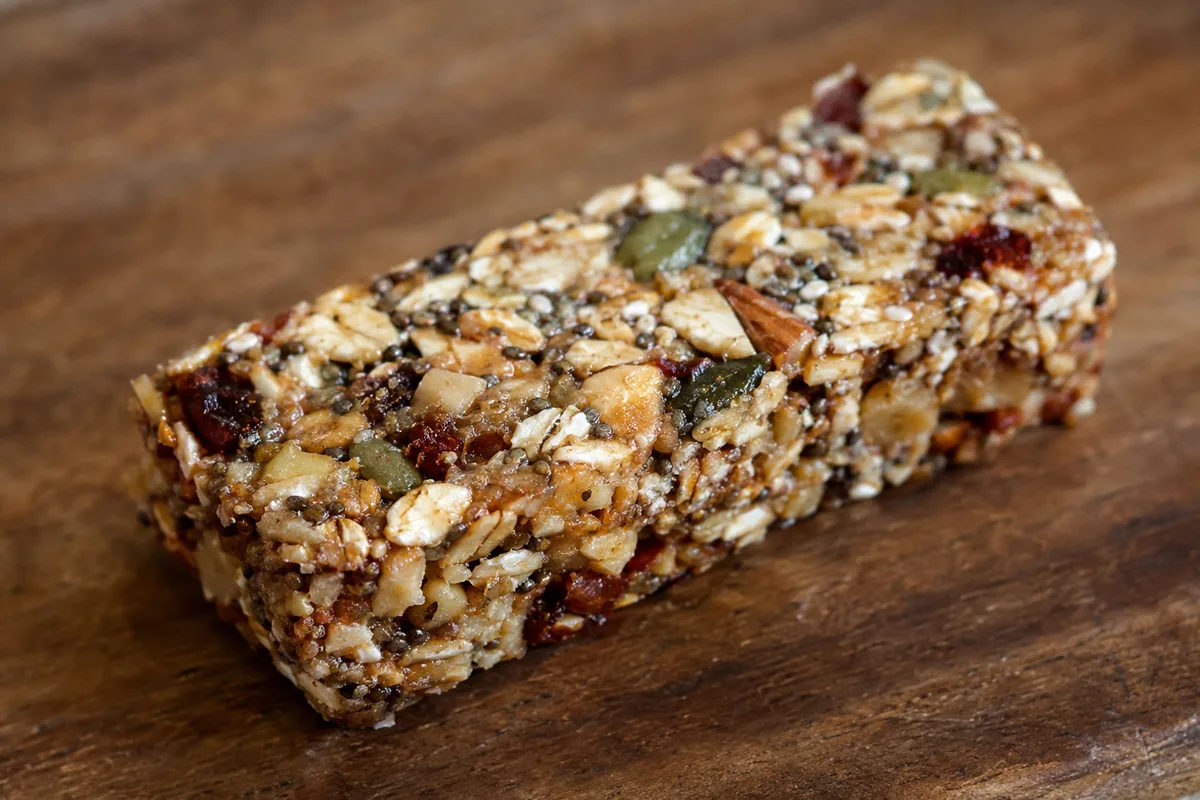
Some bars use sweeteners or added fibres to reduce sugars while keeping a sweet taste. These ingredients suit some people better than others, particularly when eaten in larger portions. Your food log can help you notice whether a particular bar leaves you satisfied and feels comfortable to eat.
- Compare total sugars between bars with a similar serving size.
- Check whether several syrups or sweeteners appear near the start of the ingredient list.
- Consider whether the sweetness level matches the role of the bar.
- Record how the bar affects hunger and comfort, not just its label values.
Check fibre, texture and staying power
Fibre can make a bar more filling and may come from oats, nuts, seeds, fruit or added fibre ingredients. The right amount depends on the person and on what else they eat during the day. A bar with a high fibre claim is not necessarily the most suitable option for every occasion.
Texture matters because a bar only helps if it is pleasant enough to eat. Dense, chewy bars can feel more substantial, while crisp or soft bars may be easier to eat quickly. Drinking something alongside a dry or fibre-rich bar may also make it more enjoyable.
- Look at the fibre figure in the context of your full day.
- Notice whether fibre comes mainly from foods or added fibre ingredients.
- Choose a texture that works for where and when you eat the bar.
- Use your tracking notes to compare fullness after different bars.
How dietitians tend to view brands
Registered dietitians do not all favour the same brands, and professional approval should not be treated as a guarantee. Recipes can vary between flavours and can change over time, so a brand name alone is not enough. A bar that suits one person’s needs, preferences or allergies may be unsuitable for someone else.
Instead of following a general list of brands that dietitians supposedly love, apply the same checks to each individual product. Look at its purpose, serving size, protein, fibre, sugars, ingredients and taste. Then compare that information with your own food record and decide whether the bar fills a useful gap.
Protein bars are convenience foods, not a requirement for a balanced eating pattern. Everyday protein foods can often do the same job when they are practical. The most useful option is the one that fits your routine without pushing aside meals and foods you already enjoy.
- Treat dietitian quotes and endorsements as context, not proof.
- Recheck the label when trying a different flavour from the same brand.
- Confirm allergen information every time, as recipes can change.
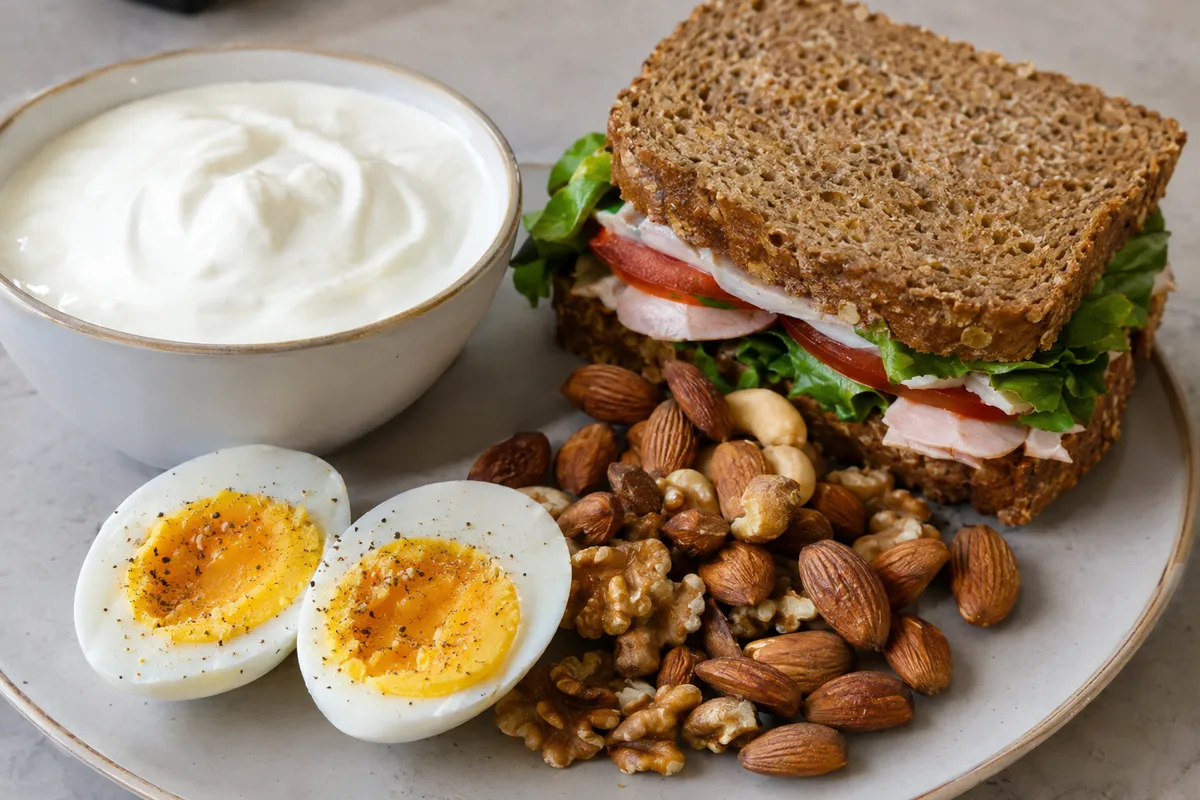
- Compare the bar with simple alternatives such as yoghurt, eggs, nuts or a filled sandwich.