
Is rice gluten free? What to check before you eat it
Rice in its natural form does not contain gluten, including white, brown and glutinous rice. This guide explains when rice may pick up gluten and how to log rice dishes accurately.
Plain rice is naturally gluten free
Rice does not naturally contain gluten, whether it is white, brown, red, black or wild rice. Gluten is a group of proteins found in grains such as wheat, barley and rye. Plain rice can therefore form part of a gluten-free meal.
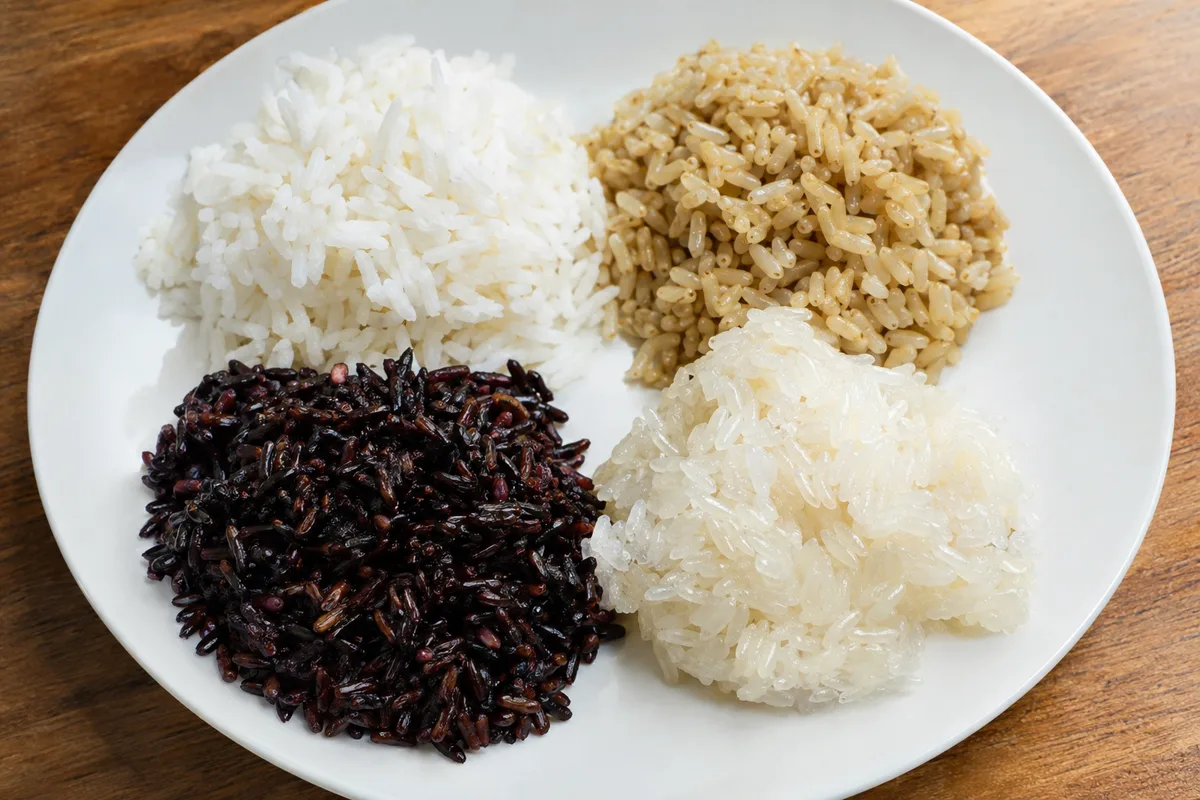
The name glutinous rice can be confusing, but it refers to the rice's sticky texture rather than gluten. It is also called sticky rice or sweet rice. When cooked without added ingredients, it remains naturally gluten free.
The type of rice affects its flavour, texture and fibre content, but not whether it naturally contains gluten. Brown rice keeps more of the grain's outer layers, while white rice has had them removed. This distinction can matter for your food log, especially if you track fibre as well as energy.
- White rice
- Brown rice
- Basmati rice
- Jasmine rice
- Glutinous or sticky rice
When a rice dish may contain gluten
Rice stops being a simple one-ingredient food when sauces, stock, seasoning mixes or coatings are added. Some of these additions may contain wheat, barley or rye ingredients. The rice itself is still gluten free, but the finished dish may not be.
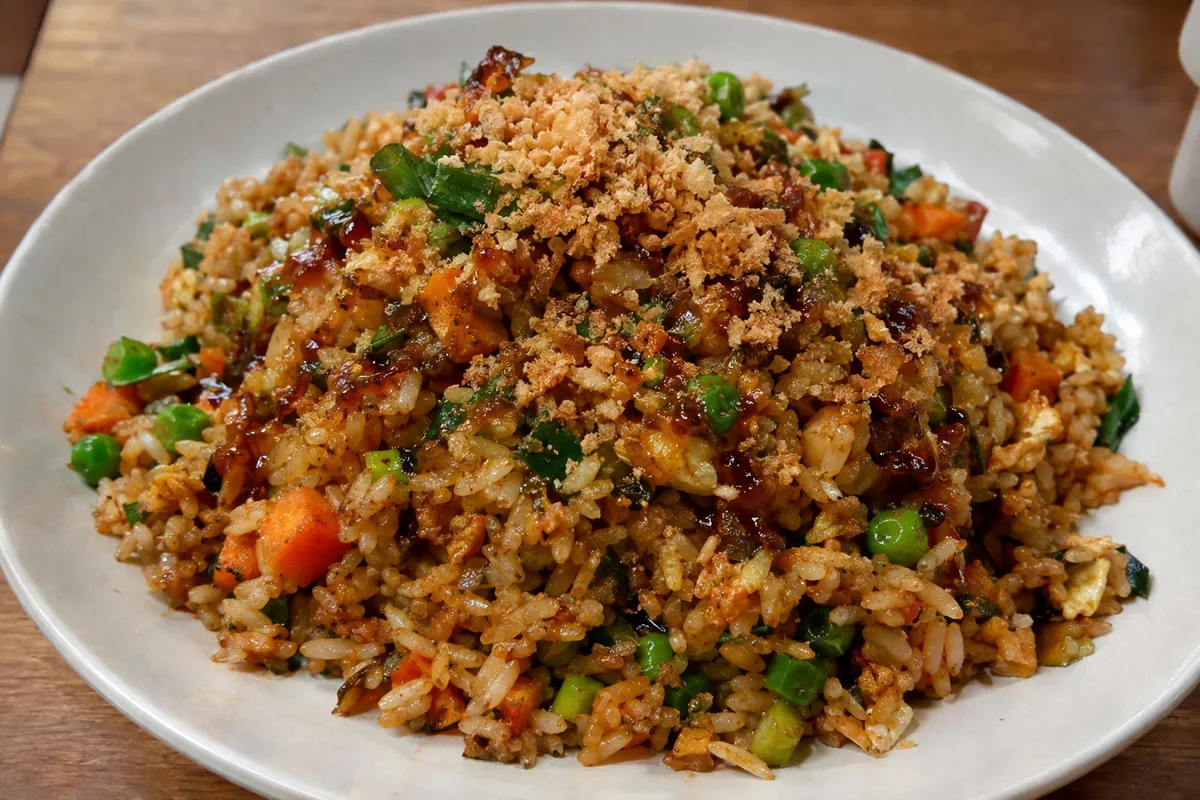
Prepared rice dishes can include ingredients that are easy to overlook. A flavoured rice pouch, restaurant pilaf or fried rice may use stock, soy-based sauce, spice blends or crispy toppings. Check the full dish rather than assuming that rice in the name makes it gluten free.
This also matters when logging your food. Plain boiled rice and rice cooked with oil, sauce or other ingredients can have different nutrient values. Choose the entry that best matches what was actually served.
- Sauces and marinades
- Stock cubes, powders or prepared stock
- Seasoning sachets and spice blends
- Breadcrumbs or crispy toppings
- Added noodles or grains
Cross-contamination during preparation
Plain rice can come into contact with gluten-containing foods during storage, cooking or serving. This may happen when the same utensils, water, pan or serving spoon are used for several foods. Loose grains may also be stored beside flour or other grains.
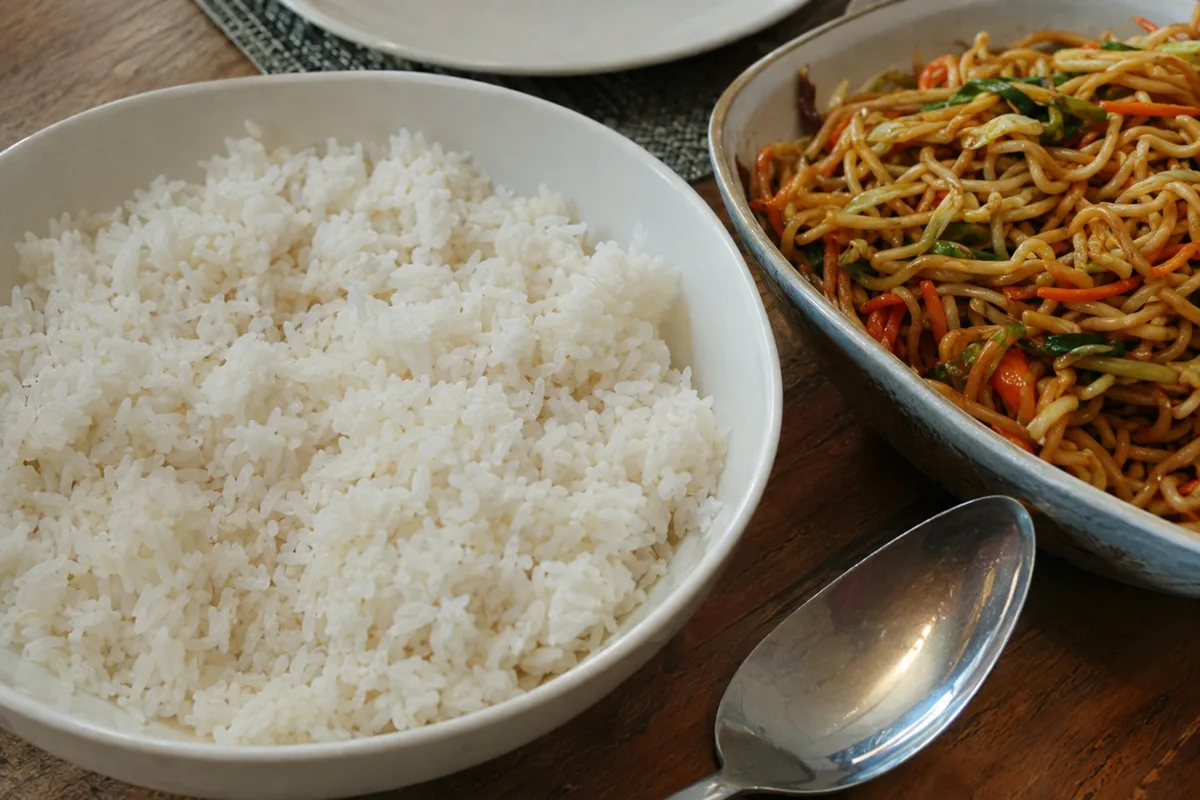
At home, separate preparation can make the ingredients easier to identify and log. Use clean cookware and utensils, and check that shared condiments do not contain crumbs. Keeping the rice separate until serving also makes mixed meals simpler to record.
When someone else prepares the meal, ask how the rice was cooked and what was added. A short, specific question is usually clearer than asking only whether the dish is rice-based. The answer may depend on the kitchen and its preparation methods.
- Ask whether the cooking water or pan was shared
- Check which stock, sauce and seasoning were used
- Look for toppings added after cooking
- Confirm whether serving spoons are shared
Rice flour and other rice-based foods
Rice flour is made by grinding rice, so pure rice flour is naturally gluten free. It is used in foods such as noodles, crackers, pancakes and baked goods. However, a food made with rice flour can still include other flours or added ingredients that contain gluten.
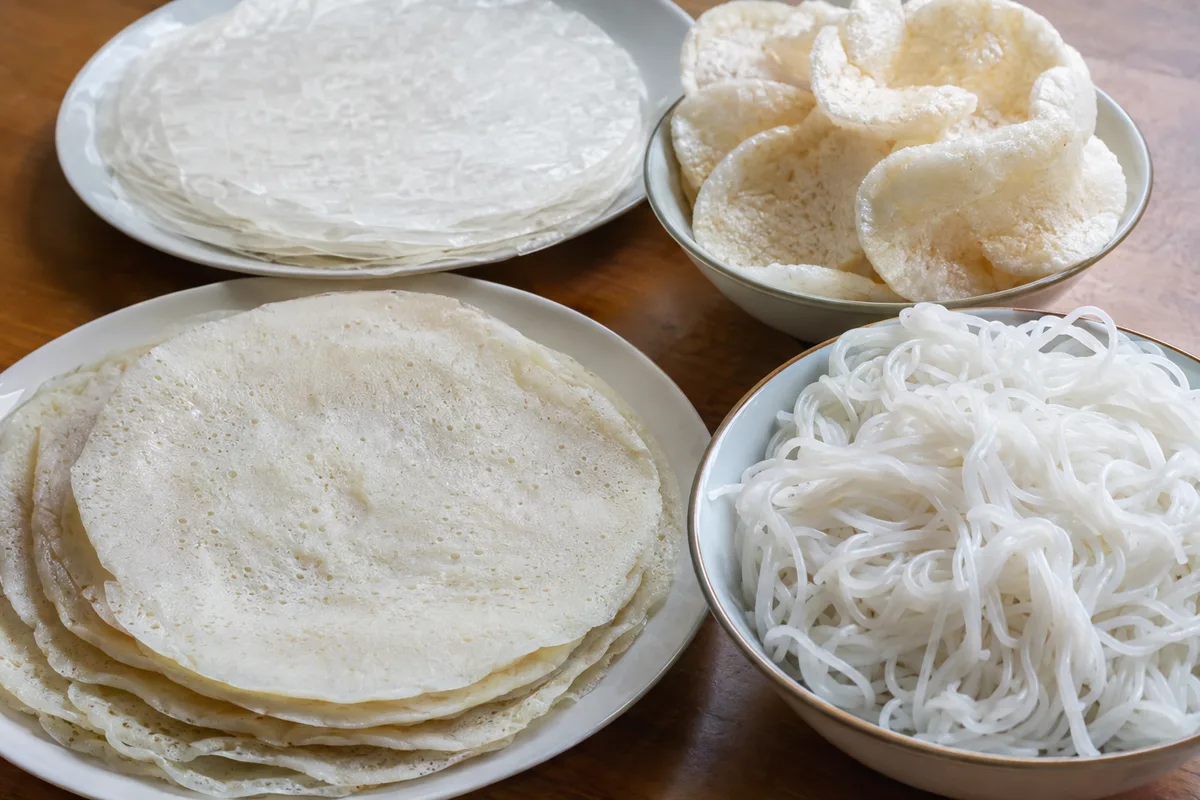
Rice noodles and rice paper are often made mainly from rice and water, but recipes vary. Some products combine rice with wheat or use seasonings that need checking. The ingredient list gives a more reliable answer than the product name alone.
For packaged foods, check the ingredient list and any allergen information each time. Recipes can vary between similar products and may change over time. If a label is unclear, do not assume that rice is the only grain present.
- Pure rice flour
- Rice noodles with no wheat-based ingredients
- Rice paper made from rice and water
- Rice crackers without gluten-containing seasonings
How to track rice dishes accurately
Start by identifying whether you ate plain rice or a mixed rice dish. For plain rice, match the type and whether your logged portion refers to cooked or uncooked rice. Cooked rice contains absorbed water, so the same weight does not represent the same amount as dry rice.
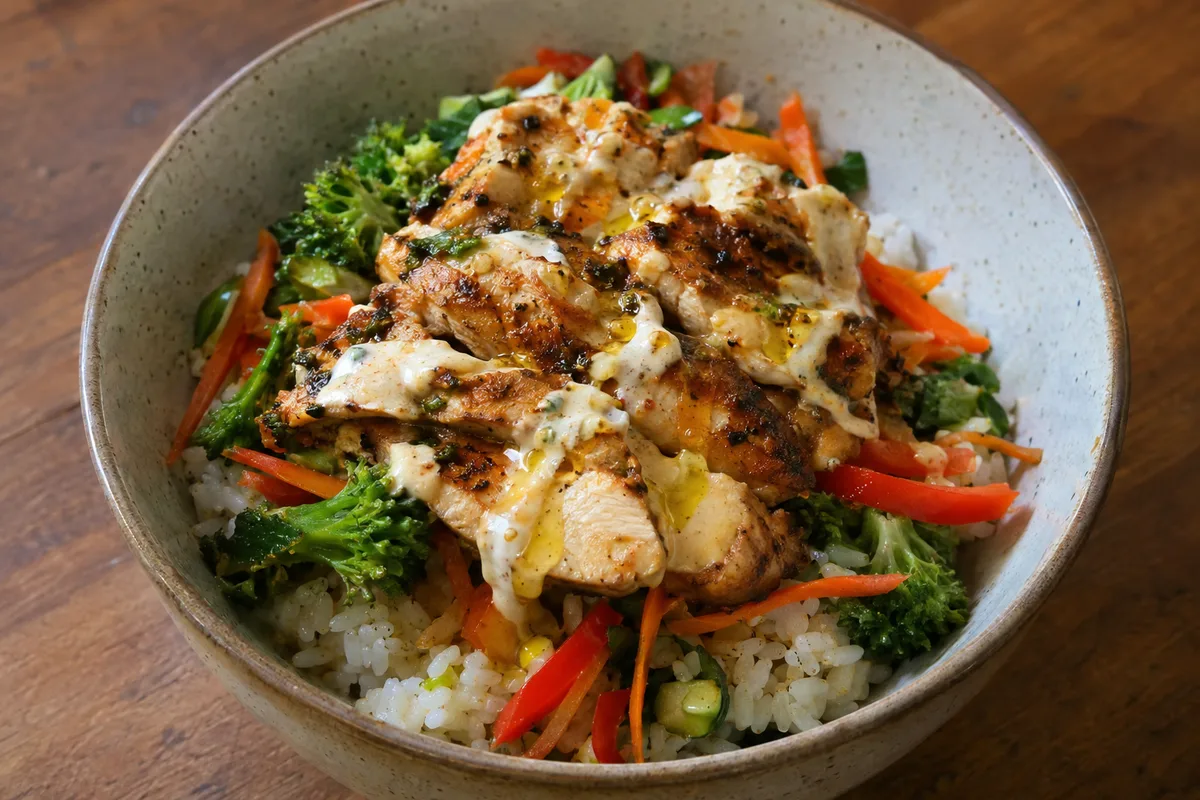
For a homemade dish, logging the separate ingredients can give a clearer picture. Include cooking oil, stock, sauce, vegetables, protein foods and toppings as well as the rice. If you made several servings, divide the completed recipe by the number of portions you actually served.
For restaurant or shared meals, use the closest sensible entry and add a note if the ingredients are uncertain. Exact amounts depend on the recipe, portion and cooking method. Consistent, reasonable estimates are more useful than treating every rice dish as plain boiled rice.
- Select the correct rice variety
- Choose cooked or uncooked weight correctly
- Add oils, sauces and toppings
- Use a recipe entry for mixed dishes
- Note uncertain ingredients when eating away from home