
Is smoked fish a healthy choice?
Smoked fish provides protein and, depending on the fish, useful fats and vitamins. This guide explains its benefits, its salt content and how to fit it into the food you already track.
What smoked fish offers
Smoked fish is fish preserved and flavoured by exposure to smoke, often after salting or brining. It can be hot-smoked, which cooks the fish, or cold-smoked, which gives it a softer texture without fully cooking it. Both types can contribute useful nutrients to a meal.
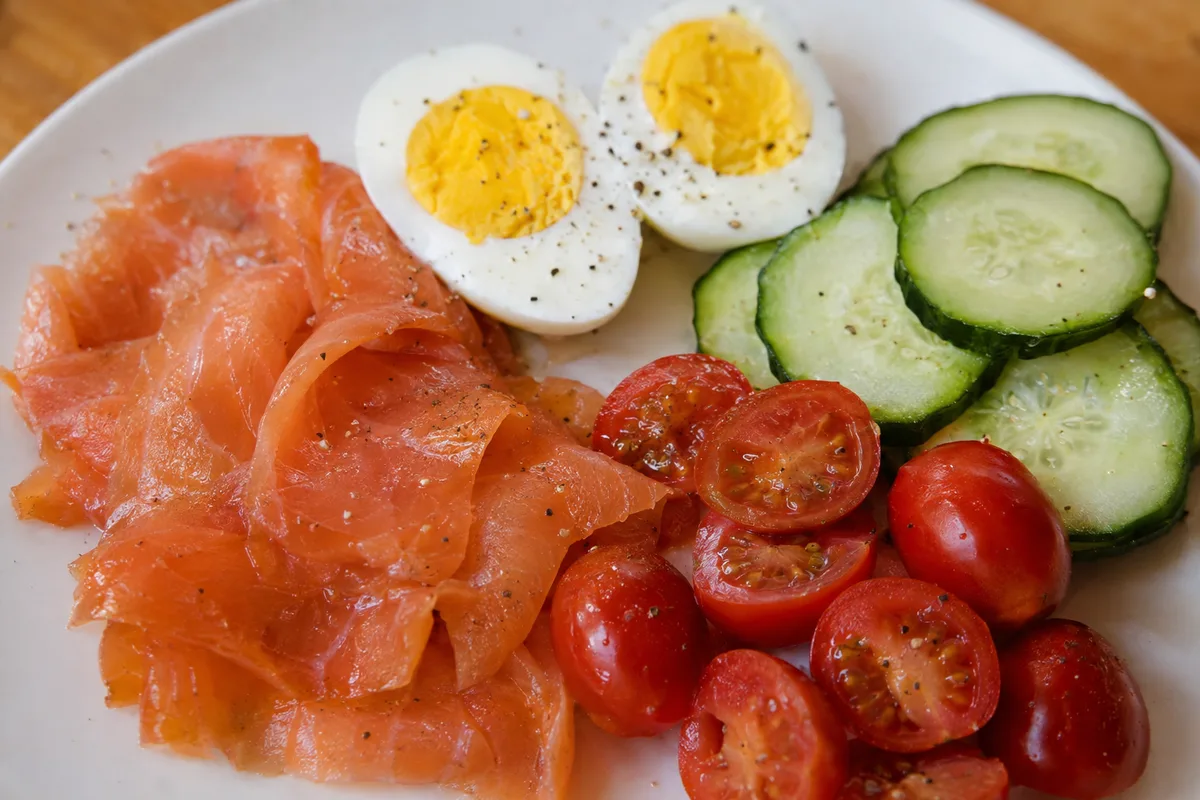
Fish is a source of protein, which helps with fullness and supports the maintenance of muscle. Oily smoked fish can also provide omega-3 fats, while different varieties supply a mixture of vitamins and minerals. The exact nutritional profile depends on the species, the cut and the way it was prepared.
- Smoked salmon or trout with eggs and vegetables
- Smoked mackerel flaked into a grain bowl
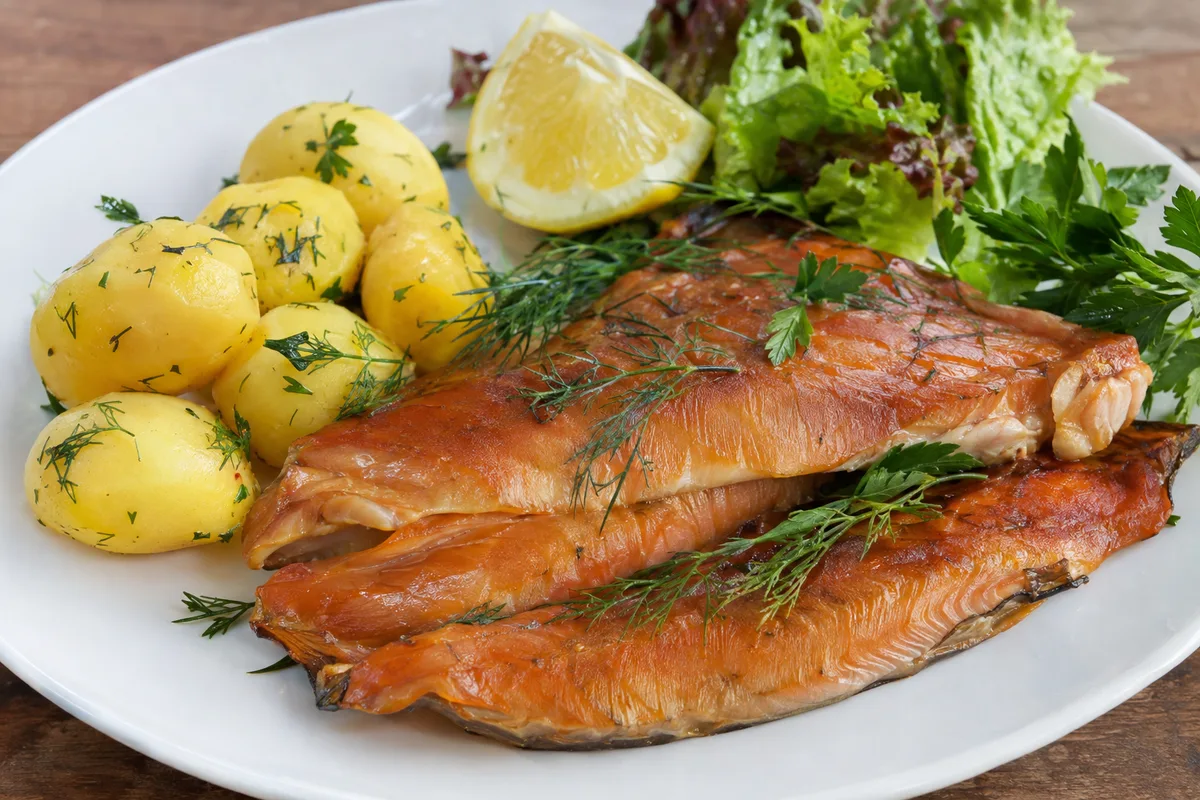
- Smoked haddock served with potatoes and greens
- Smoked fish stirred through a bean and vegetable salad
The type of fish makes a difference
Not all smoked fish has the same balance of nutrients. Oily fish, such as salmon, trout and mackerel, generally provides more omega-3 fat than leaner white fish. White fish can still be a useful protein source and may suit meals where you want a lighter flavour.
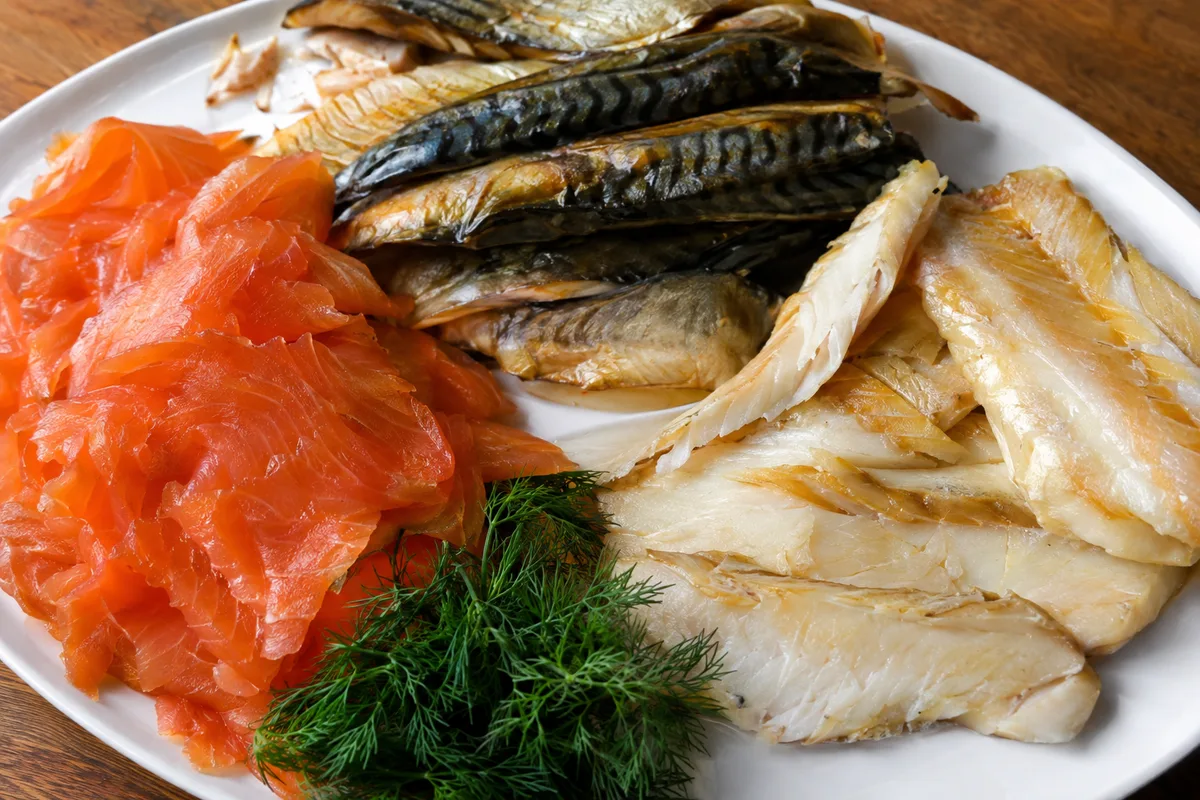
When you log smoked fish, choose the closest match to the exact variety rather than using a general fish entry. A smoked version may differ from a fresh or unsmoked version because salt, oil or other ingredients can be added during preparation. Check the pack when possible, as recipes can vary between producers.
- Match the fish species in your food log
- Choose hot-smoked or cold-smoked where the option exists
- Include any skin or oil you eat
- Use the pack information for the portion you served
Salt is the main point to watch
Salt plays an important role in the smoking process, so smoked fish is often saltier than plain fish. The amount varies widely according to the brine, curing time and recipe. This means two similar-looking packs may have noticeably different nutrition information.
You do not necessarily need to avoid smoked fish because it contains salt. Instead, look at how it fits with the rest of your day, especially if other meals include cured meat, salty sauces, cheese or ready-made foods. A smaller amount of smoked fish can also bring plenty of flavour to a meal without needing to be the largest item on the plate.
- Compare the salt figure on similar products
- Pair smoked fish with unsalted potatoes, rice or grains
- Add vegetables, beans or salad without a salty dressing
- Use herbs, lemon, pepper or fresh cucumber for extra flavour
Portion and preparation still count
Smoked fish can be part of a balanced meal, but the full plate matters more than one ingredient. Creamy sauces, butter, pastry and large amounts of oil can change the meal's energy and fat content. If you track your food, log these additions separately rather than treating the dish as fish alone.
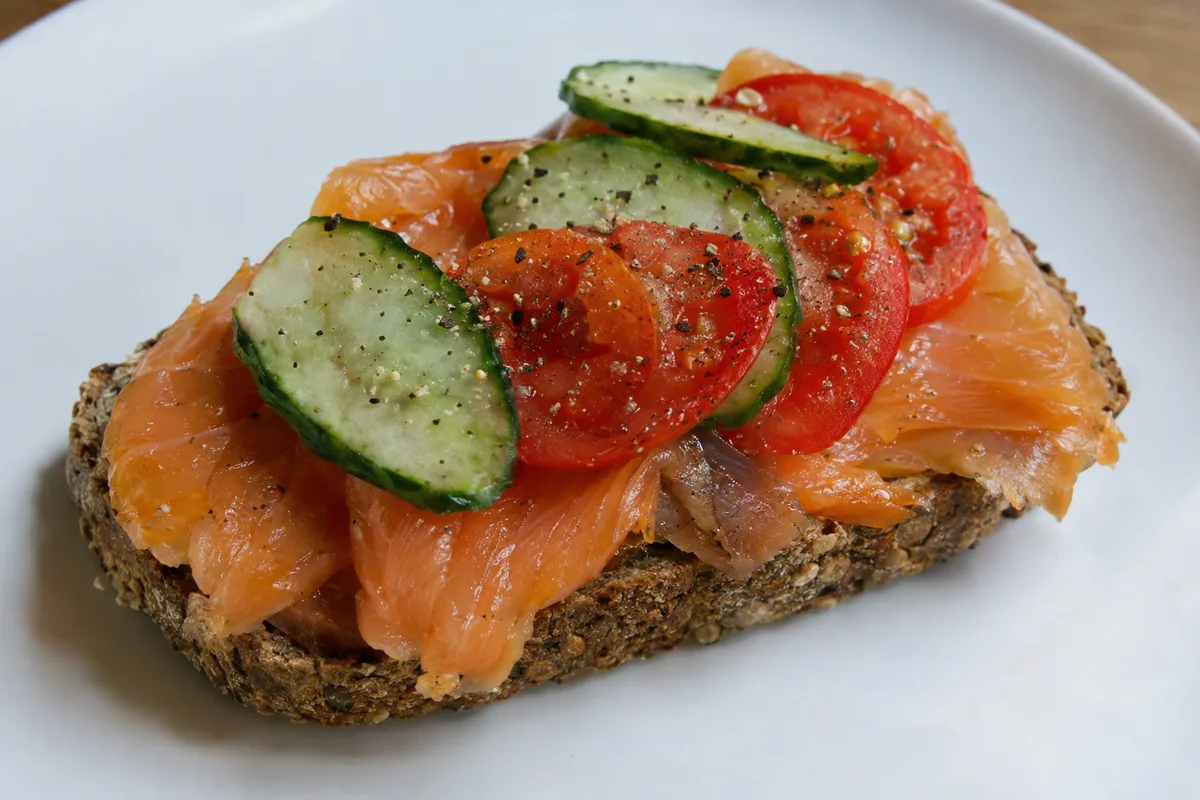
Build the meal around vegetables or salad, a suitable carbohydrate and the smoked fish. The right portion depends on your appetite, goals and what else you eat that day, so there is no single amount that suits everyone. Using smoked fish as a flavourful topping or filling can make it easier to balance with other foods.
- Top wholegrain toast with smoked fish and sliced tomato
- Mix flaked fish with potatoes, peas and herbs
- Add smoked fish to pasta with vegetables and a lighter sauce
- Serve it beside brown rice, greens and lemon
Storage and food safety
Smoked fish is ready to eat in many cases, but it still needs careful storage. Keep it chilled, follow the pack instructions and use it by the stated date. Once opened, cover it well and follow the guidance for how soon it should be eaten.
Cold-smoked fish is not cooked in the same way as hot-smoked fish. Anyone who has been advised to take extra care with ready-to-eat chilled foods should follow current official food safety guidance. Cooking cold-smoked fish until it is steaming throughout may be advised in some circumstances, but the pack and official guidance should be your reference.
- Keep smoked fish refrigerated
- Avoid leaving it out for long periods
- Use clean utensils and chopping boards
- Follow storage instructions after opening
- Cook it thoroughly when official guidance advises this
The bottom line
Smoked fish can be a nutritious choice because it provides protein and may supply omega-3 fats, vitamins and minerals. Its main drawback is usually salt, although the amount depends on the fish and how it was made. Checking the label gives you a clearer answer than judging by appearance alone.
If you enjoy smoked fish, consider the variety, serving size and foods around it. Pairing it with vegetables, wholegrains, beans or potatoes can create a more balanced meal. In your food tracker, use the specific product details where available so the entry reflects what you actually ate.