
The Baby Food Diet: Clever Shortcut or Passing Fad?
The baby food diet replaces some adult meals or snacks with small portions of puréed food. Here is how the idea affects calorie tracking, nutrition, fullness and everyday eating.
What the baby food diet actually involves
There is no single official version of the baby food diet. The basic idea is to replace some ordinary meals or snacks with baby food, usually fruit, vegetable or mixed purées. Some versions keep one conventional adult meal while using small pots or pouches at other times.
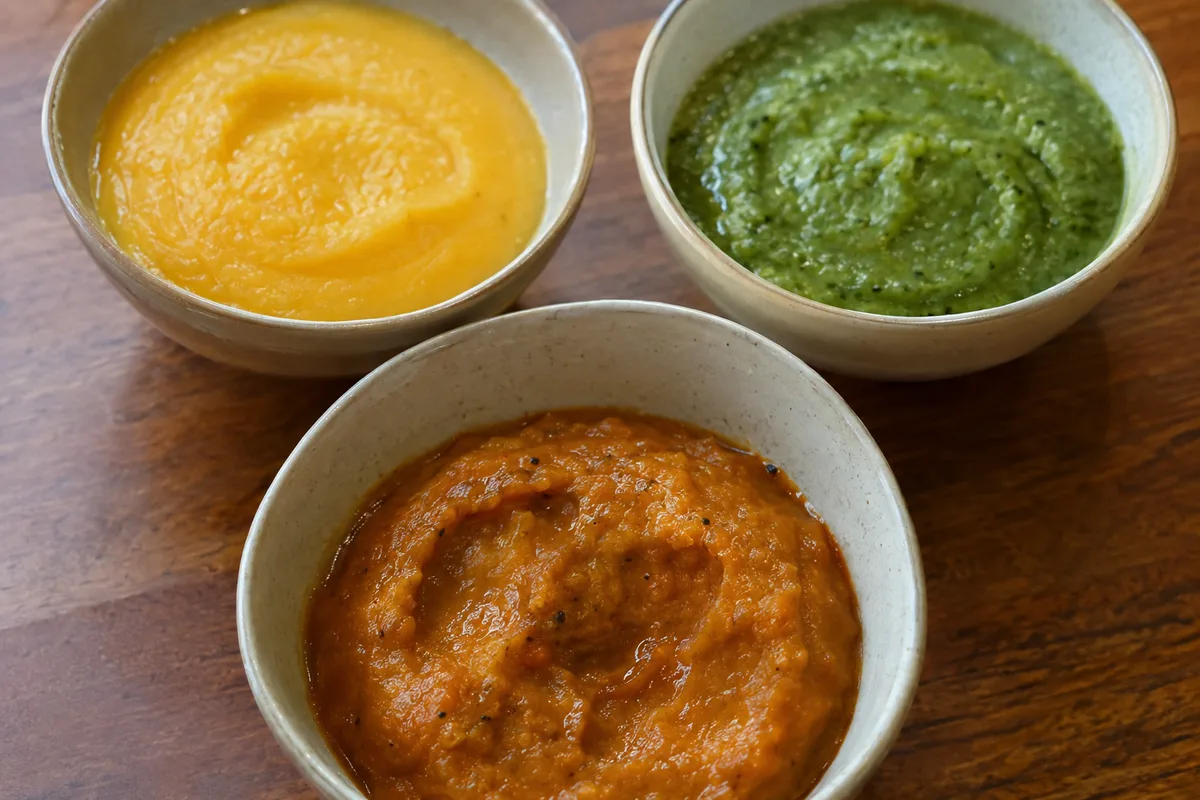
Its main effect comes from portion restriction rather than any special quality of puréed food. A small container sets a clear stopping point, which may make calorie logging feel simple. However, the amount eaten and the choice of purée still determine the overall result.
- Replacing snacks with fruit or vegetable purée
- Using several small portions instead of a normal meal
- Keeping one adult meal in the day
- Logging each pot or pouch from its nutrition label
Why it can look appealing in a food diary
Pre-portioned foods can remove some measuring and estimation. Their labels usually provide the information needed to enter them in a food diary, although the serving shown must match the amount actually eaten. This convenience can make the plan appear more precise than an ordinary meal.
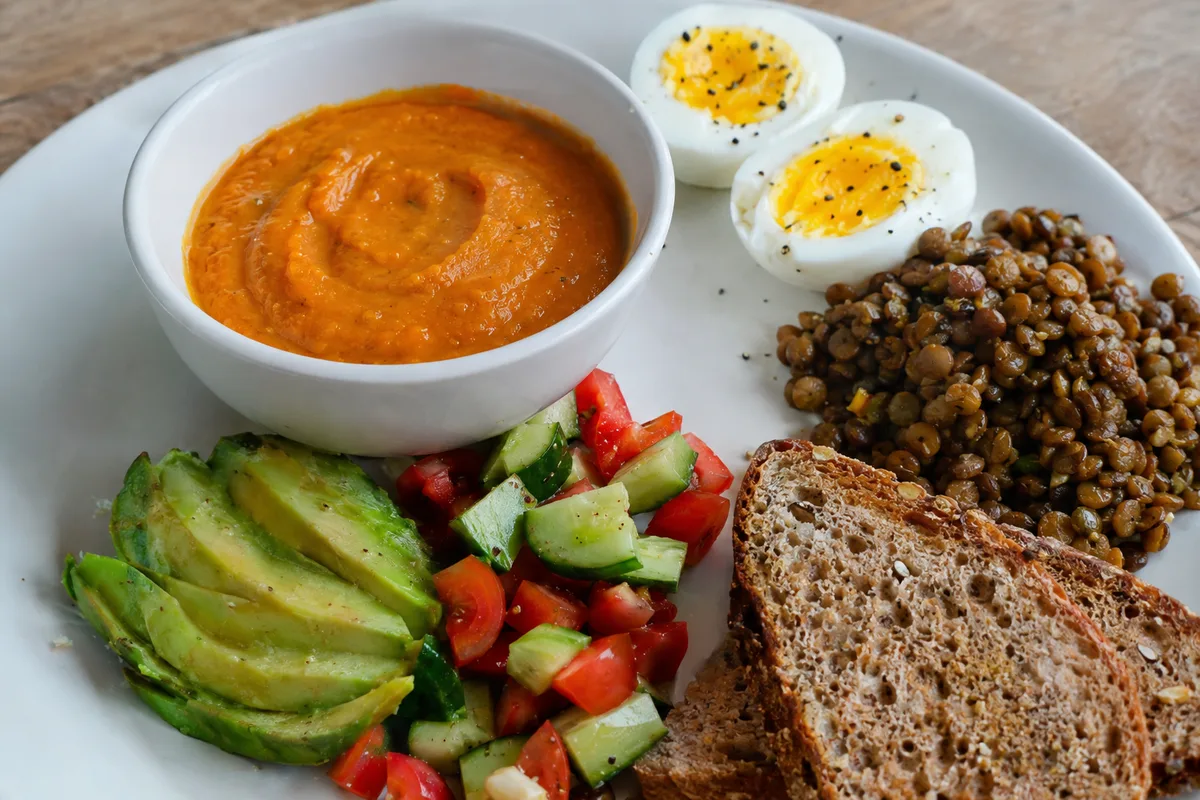
The apparent simplicity can hide important gaps. Different purées contain different amounts of energy, protein, fat and fibre, so they are not interchangeable. A fruit purée, a vegetable purée and a meal containing meat or pulses may look similar while having very different nutritional profiles.
- Check the serving size shown on the label
- Record the full amount eaten rather than the package count alone
- Compare protein, fat and fibre as well as calories
- Include drinks, sauces and the adult meal in the daily total
Small portions are not the same as balanced portions
Baby food is made for babies at a particular stage of eating, not as a complete adult meal plan. Many smooth fruit and vegetable options provide little protein or fat on their own. Their small portions may also make it difficult to assemble a satisfying meal without eating several different foods.
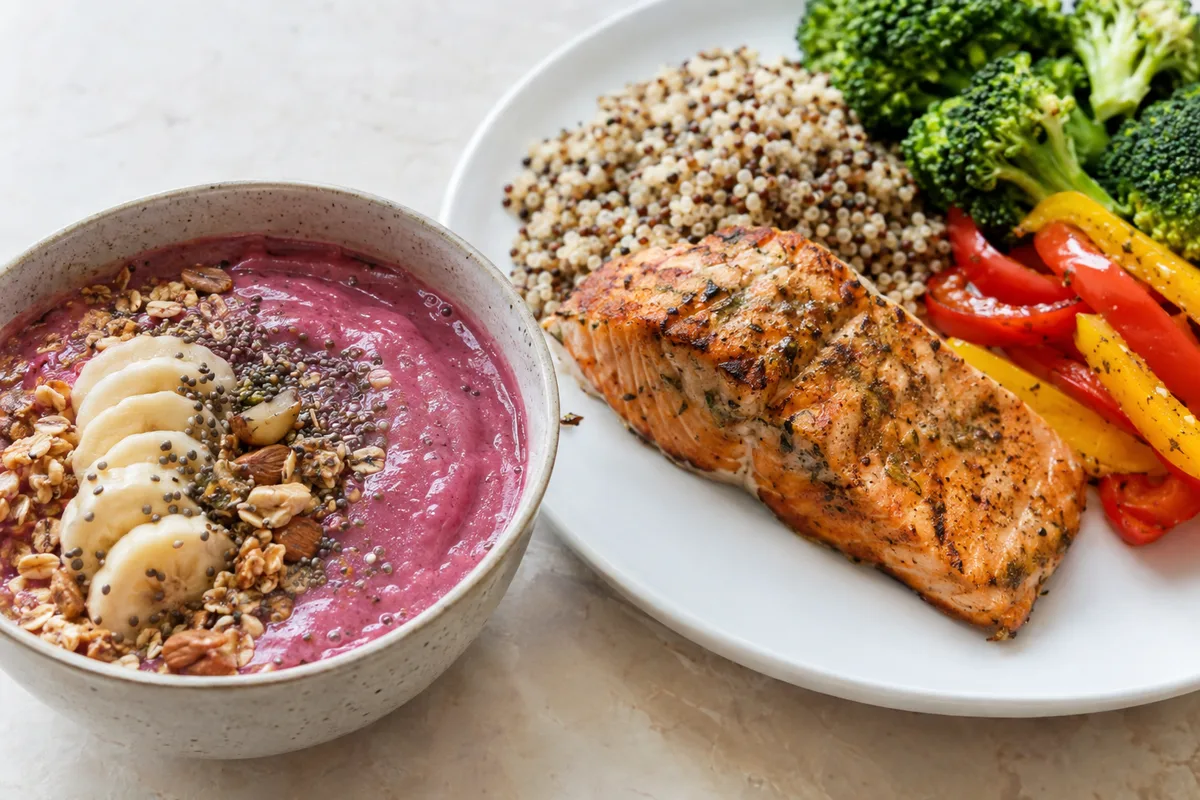
Texture matters as well as numbers. Chewing, variety and the physical size of a meal can contribute to satisfaction, while a smooth purée is often eaten quickly. Someone may therefore finish the planned portion and still feel that they have not had a proper meal.
- Protein foods such as eggs, fish, yoghurt, tofu, beans or lentils
- Higher-fibre foods such as wholegrains, pulses, fruit and vegetables
- Sources of fat such as nuts, seeds, avocado or olive oil
- A range of textures that require chewing
Compare the purée with the meal it replaces
A useful comparison is not simply whether the purée has fewer calories. Ask whether it supplies a similar role to the meal being removed. Replacing a biscuit with an unsweetened fruit purée is a different decision from replacing a lunch containing protein, vegetables and wholegrains.
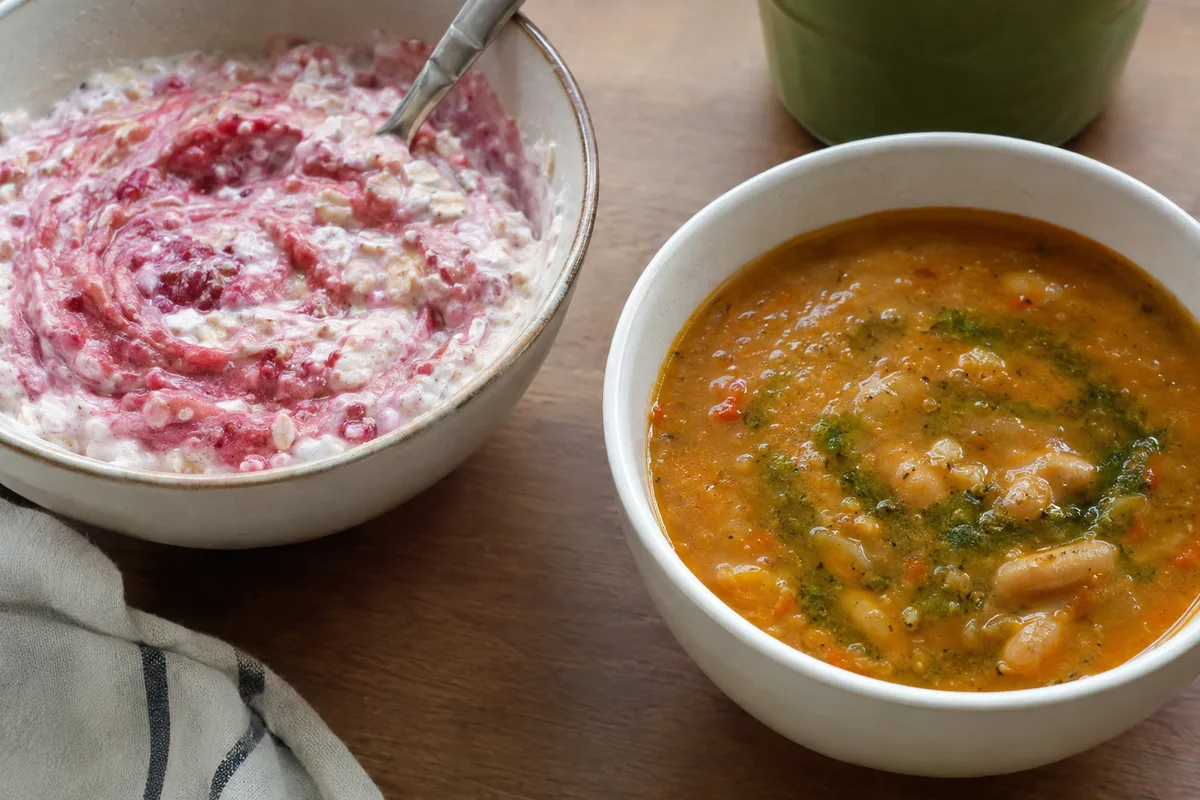
Your food log can make this comparison clear. Look at the day as a whole and notice whether the swap leaves protein, fibre or fat unusually low for you. Also record hunger and satisfaction in plain notes, because a lower-calorie entry is not automatically easier to maintain.
- What food or meal is being replaced
- How the protein and fibre compare
- Whether the portion keeps you satisfied
- Whether another snack is needed soon afterwards
- How much variety remains across the day
A more practical role for soft and puréed foods
Puréed foods can fit into adult eating without becoming the basis of a diet. Fruit purée can be stirred into plain yoghurt or porridge, while vegetable purée can form part of a soup, sauce or dip. In these uses, the purée adds flavour and variety rather than replacing the structure of a full meal.
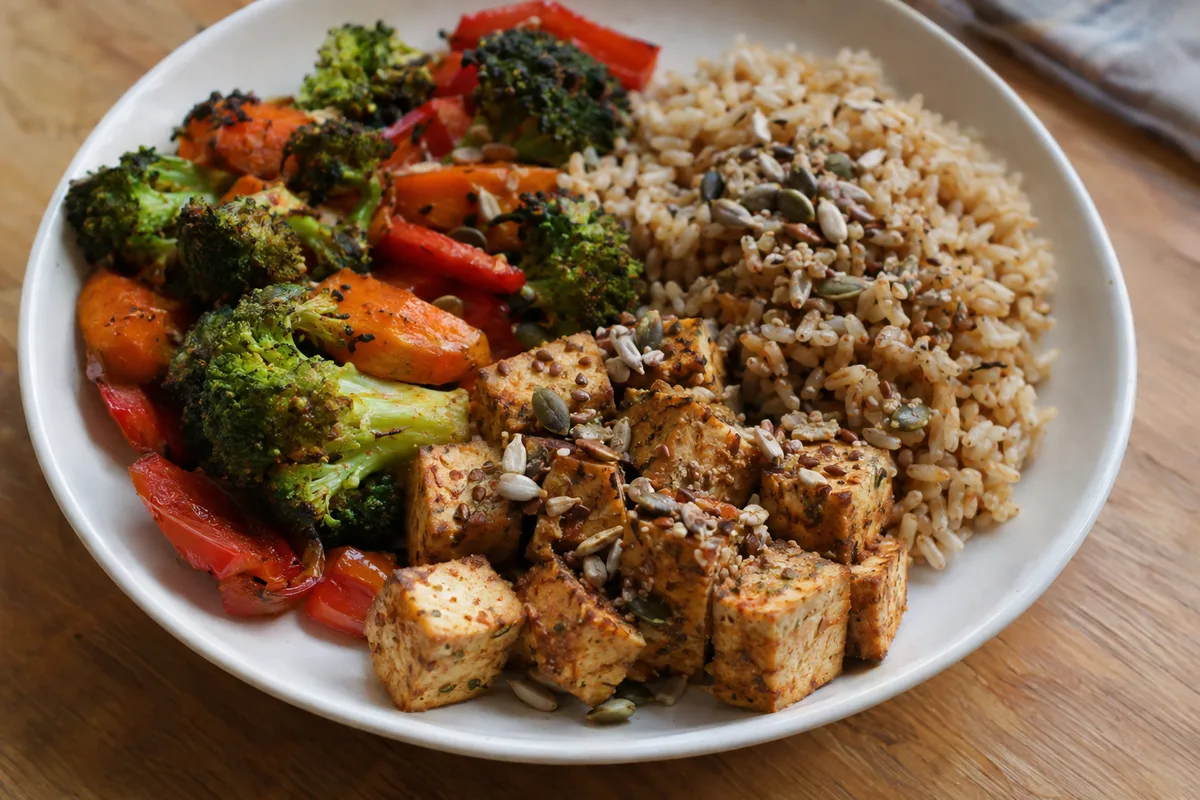
You can also keep the convenience while choosing familiar adult foods. A planned snack or simple meal can be portioned in advance and entered in your tracker. The right amount depends on your appetite, routine and the rest of your food that day.
- Fruit purée with yoghurt and oats
- Vegetable purée stirred into a bean soup
- Mashed avocado on wholegrain toast
- Hummus with chopped vegetables
- A blended sauce served with pasta and a protein food
Fad or fab: the sensible verdict
The baby food diet is best understood as a restrictive portion-control fad. It does not contain a special ingredient that changes how calorie balance works, and the same effect can come from planning portions of ordinary food. Its neat packaging may simplify logging, but simplicity alone does not make a diet balanced.
The useful lesson is to keep the parts that support your routine and leave the extreme rule behind. Clear portions, accurate entries and planned snacks can all help with tracking, while adult meals offer more choice, texture and flexibility. Judge any eating pattern by whether it meets your needs across the whole day and feels realistic to continue.
- Keep convenient portion planning
- Keep accurate label-based logging
- Drop the rule that meals must come from baby food
- Build adult meals around protein, fibre, vegetables and satisfying textures