
Is Prosciutto a Healthy Choice?
Prosciutto can fit into a balanced way of eating, but it is best viewed as a salty cured meat rather than an everyday protein staple. Your food log can help you judge how its protein, fat and salt fit with the rest of your day.
What prosciutto offers
Prosciutto is pork that has been salted and cured, then sliced thinly. It provides protein, which supports the maintenance and repair of body tissues, along with varying amounts of fat.
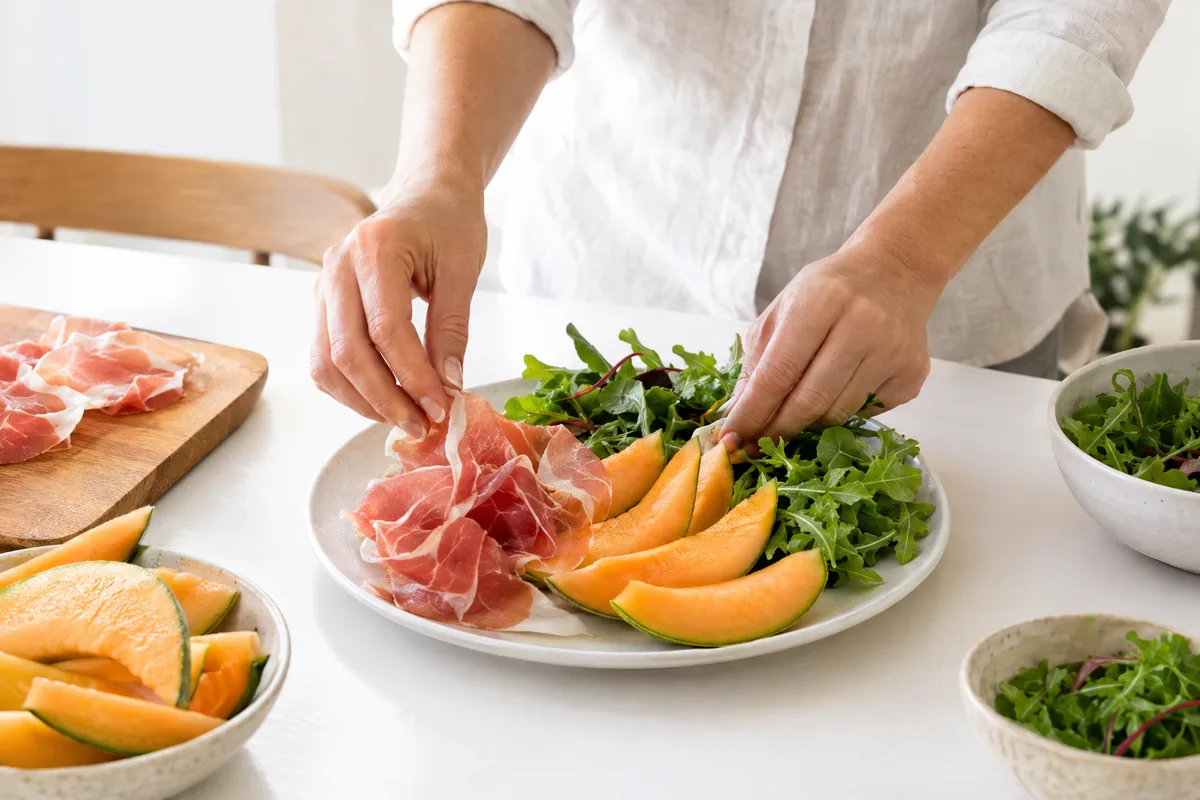
The exact nutrition depends on the cut, curing process, brand and serving size. Check the label on the prosciutto you eat rather than relying on a generic database entry, especially when tracking salt or fat.
Why salt and fat matter
Curing gives prosciutto its distinctive flavour, but it also means the meat is usually high in salt. A few extra slices can therefore add more salt than their small volume might suggest.
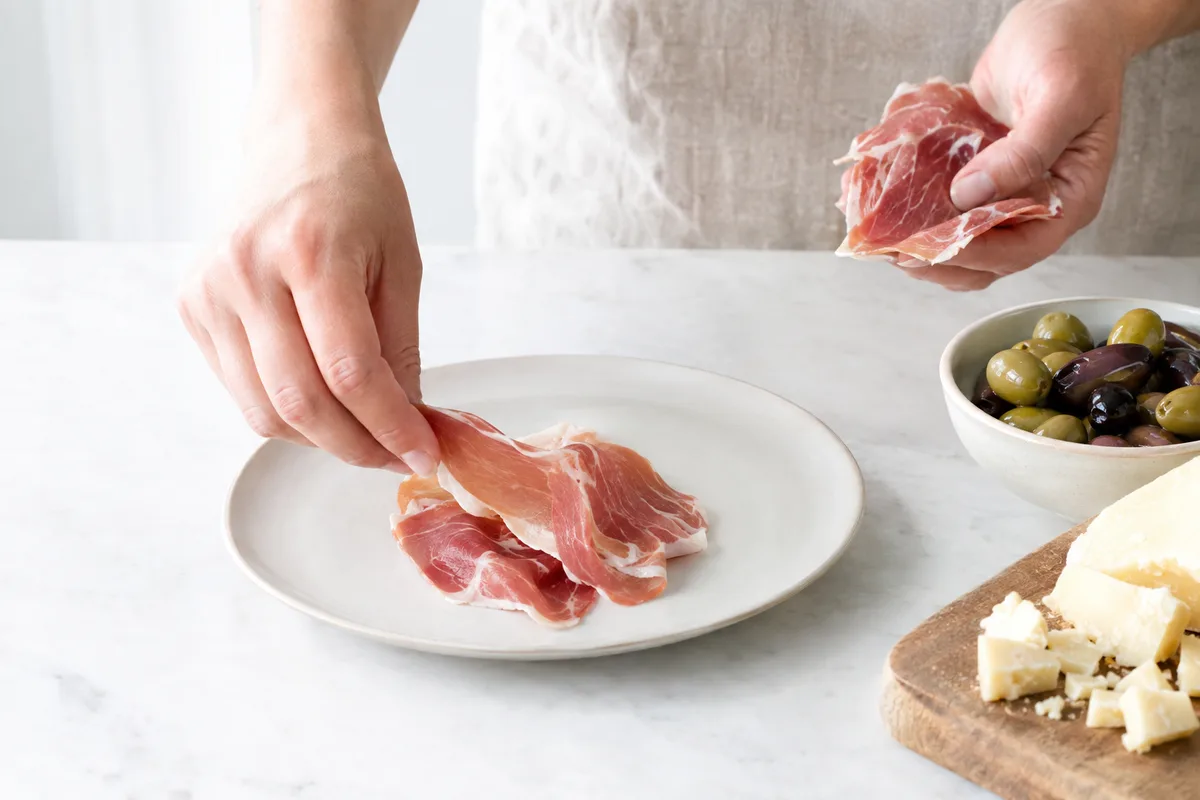
Fat content varies, and the visible white edges can contribute a significant share. Fat provides about 9 kcal per gram, compared with about 4 kcal per gram for protein, so fattier slices may be more energy-dense.
How to log it accurately
Weigh prosciutto where practical because thin slices can differ in size and thickness. Log the edible amount and select the matching product label or database listing, as entries for different styles may not be interchangeable.
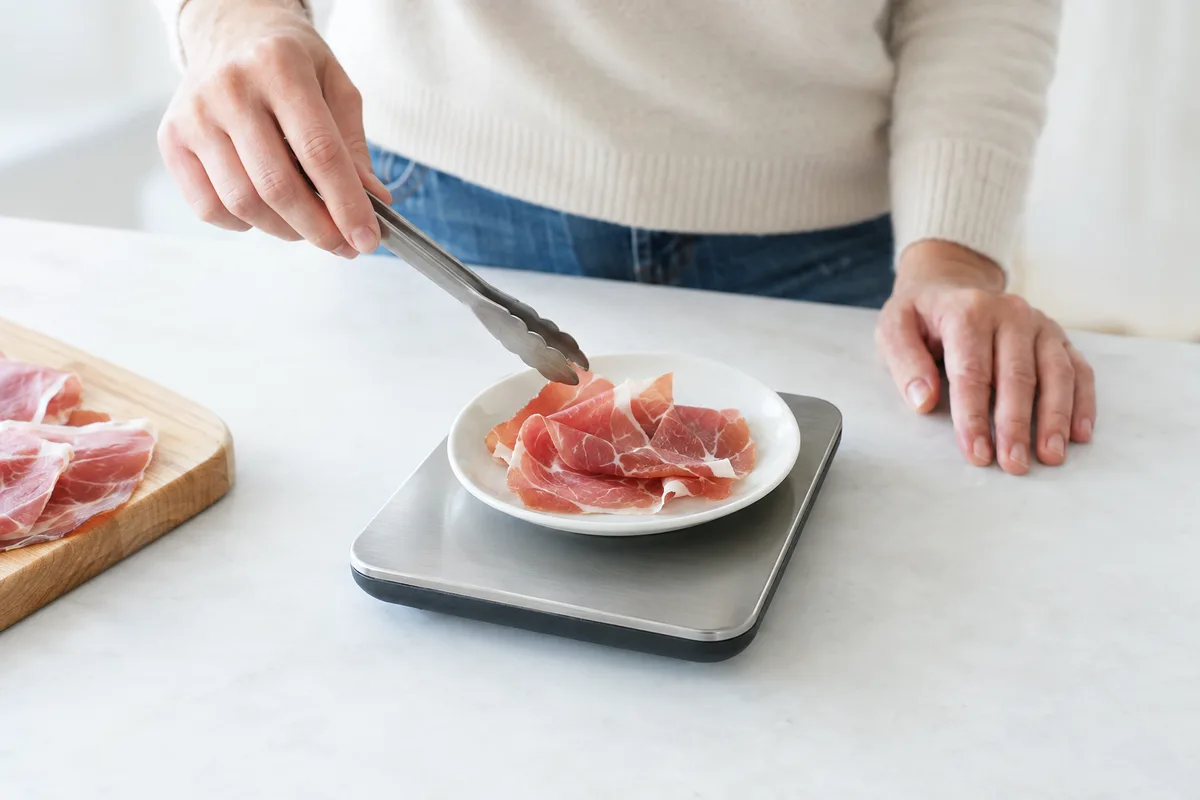
It can also help to review the whole day rather than judging one food alone. Notice whether prosciutto is appearing alongside other salty foods and whether your meals still include enough fibre-rich plant foods.
Making it part of a balanced meal
Use prosciutto as a flavourful addition rather than making it the main part of every meal. Pairing a modest amount with vegetables, wholegrains or pulses can add fibre and volume while keeping the cured meat portion in perspective.

Variety matters across the week, so rotate prosciutto with less salty protein sources. There is no single ideal portion for everyone; the suitable amount depends on your goals, appetite and what else you eat.