
How Weight Training Can Support Your Golf
Weight training can help you produce force, control your movement and stay steady through a round. This guide explains which movements matter, how to build a simple programme and how food tracking can support your training.
What strength means for a golfer
Golf uses the whole body rather than relying on the arms alone. The legs push against the ground, the trunk transfers force and the upper body guides the club. Weight training gives you a structured way to practise producing and controlling that force.
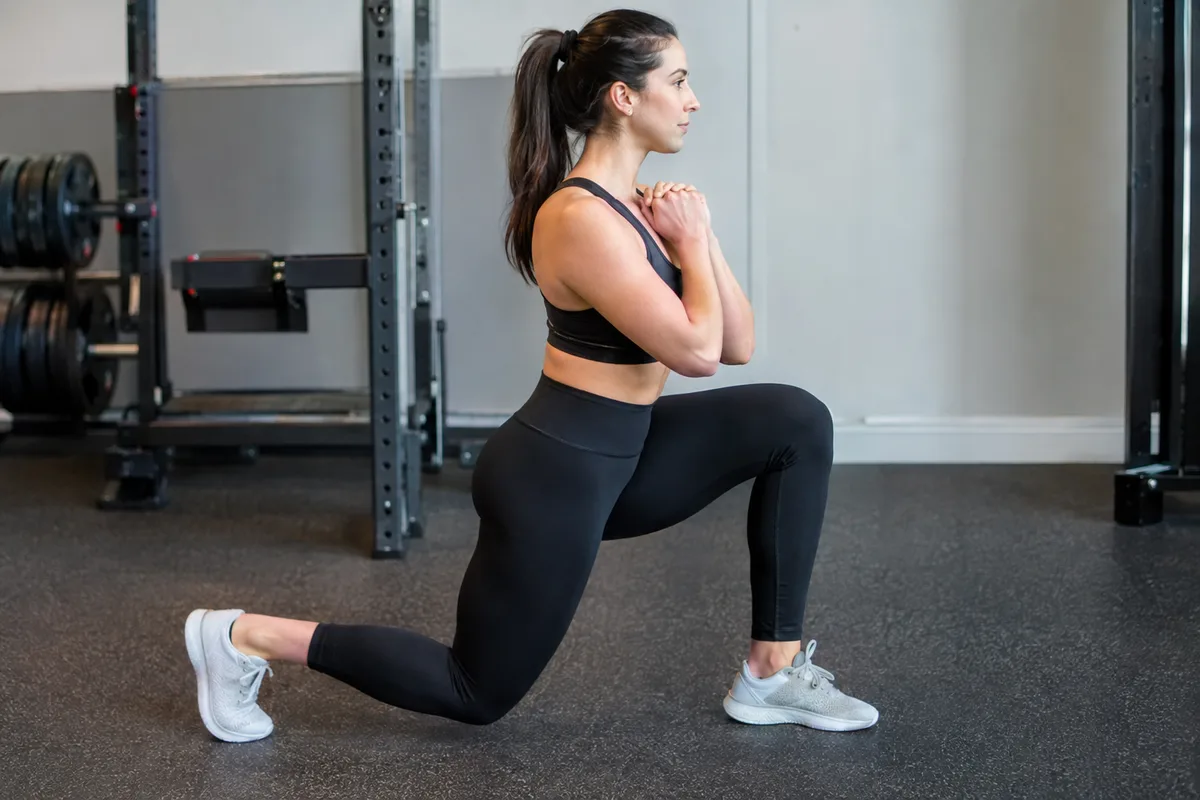
The aim is not simply to lift the heaviest weight possible or copy a bodybuilding routine. Useful golf training covers strength, balance and control through a comfortable range of movement. It should support your practice and playing schedule rather than leave you too tired to swing well.
- Build force through the legs and hips
- Strengthen the trunk so it can resist and control movement
- Develop the upper back, shoulders and arms
- Practise balance and control on both sides of the body
Focus on movements, not individual muscles
A golf swing includes pushing, pulling, turning and shifting weight from one side to the other. Your training programme can reflect these actions without trying to recreate the swing while holding a weight. Keeping gym exercises and swing practice separate usually makes each task easier to perform with control.
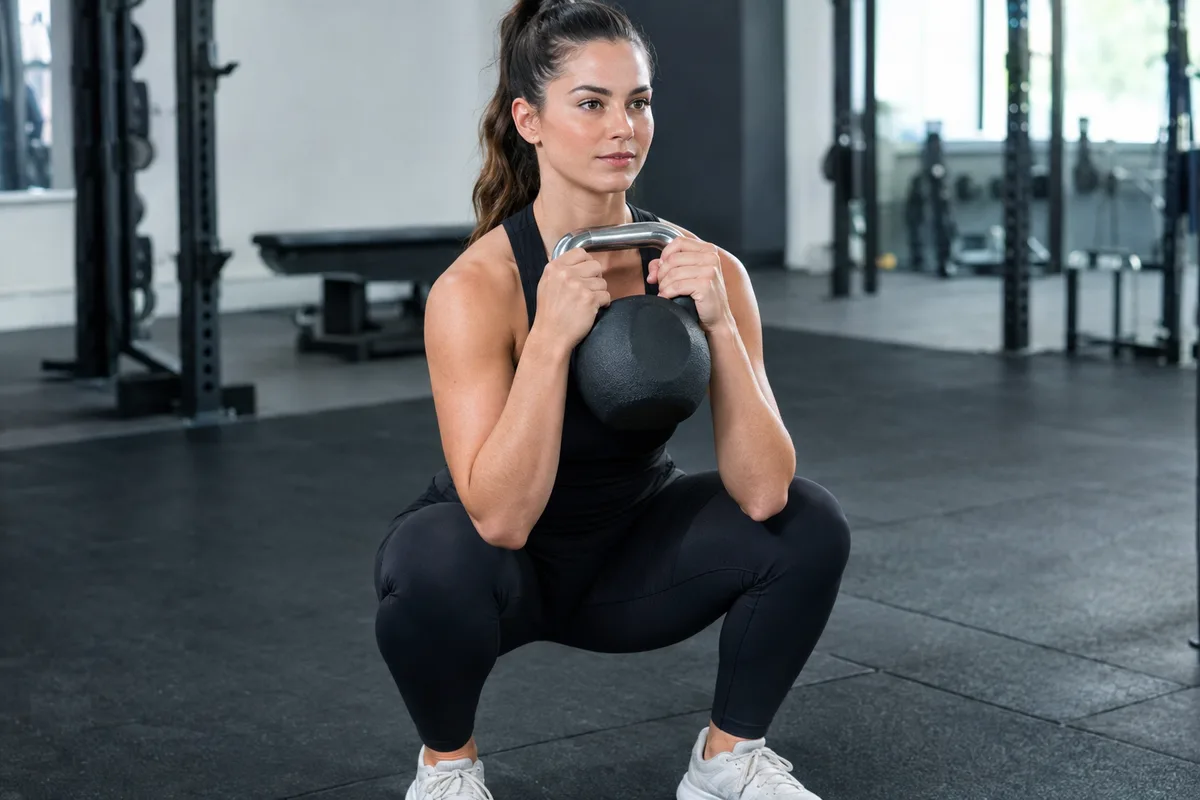
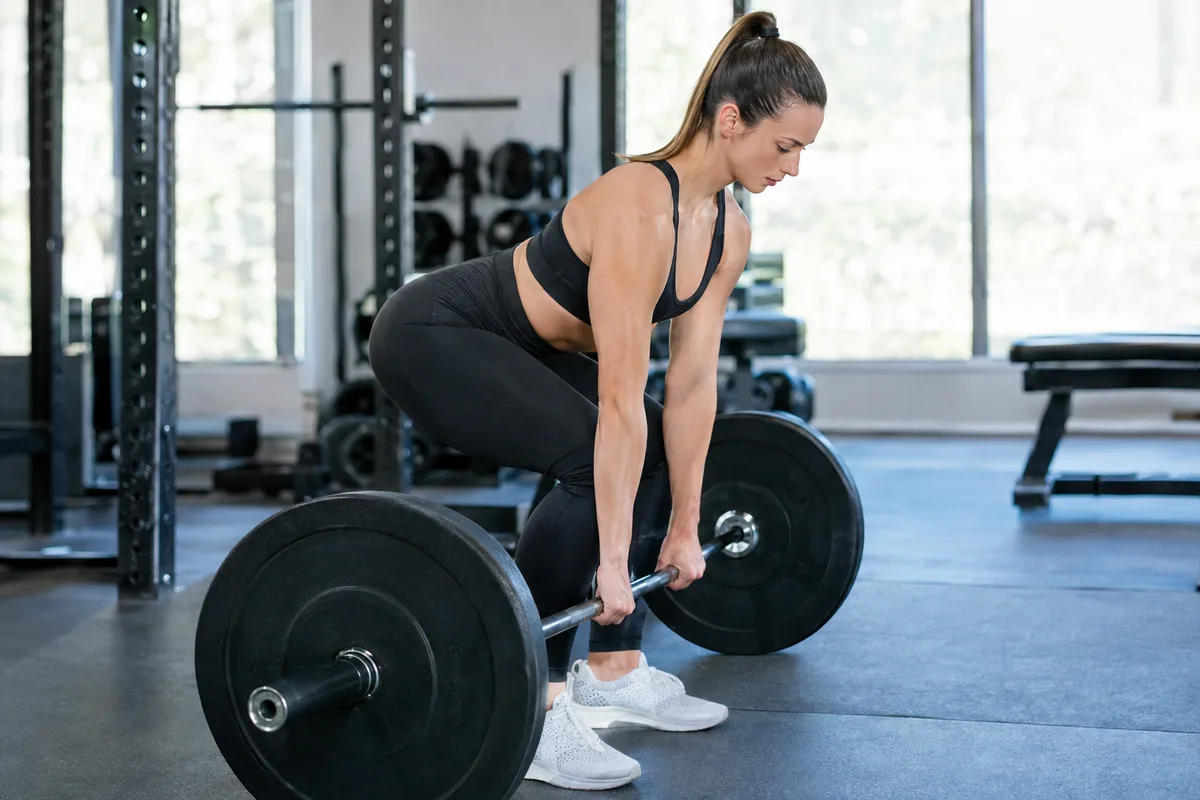
Squats and split squats train the legs, while hip hinges place more emphasis on the hips and back of the legs. Rows and presses cover pulling and pushing, and carries challenge posture and grip. Trunk exercises can include both controlled rotation and resisting unwanted rotation.
- Squat: sit down and stand up with control
- Hinge: move from the hips while keeping the load close
- Push and pull: train the upper body in both directions
- Single-leg work: practise force and balance on each side
- Trunk control: rotate carefully or hold steady against resistance
Build a simple weekly programme
A useful programme does not need a long list of exercises. Start with a lower-body movement, a hip-dominant movement, an upper-body push, an upper-body pull and a trunk exercise. Choose versions that you can repeat with steady technique.
The right number of sessions depends on your experience, recovery and golf schedule. Leave enough time between demanding strength work and an important round for your legs, grip and concentration to feel ready. On busy weeks, a shorter session using the main movements can be more practical than trying to complete everything.
- Begin with a brief warm-up using easy versions of the planned movements
- Perform the larger leg and hip exercises while you are fresh
- Follow with upper-body pushing and pulling
- Finish with trunk, balance or carry work
- Record the exercise, load, repetitions and how the set felt
Choose loads and progress gradually
Use a load that lets you complete every repetition without rushing, twisting or shortening the movement to finish. The final repetitions may feel demanding, but the exercise should still look controlled. Your starting load and repetition range depend on the exercise and your current experience.

Progress can mean adding a little load, completing another controlled repetition or improving the quality of the movement. Change one part at a time so your training log remains easy to understand. You do not need to increase something in every session, especially when you are also playing or practising more golf.
- Keep the same load and make the movement smoother
- Add a repetition while maintaining the same technique
- Increase the load only when the current work feels controlled
- Use a simpler variation when fatigue affects your position
- Note golf practice and rounds beside your strength sessions
Fit strength work around golf
Strength training creates fatigue, and golf practice also places demands on the body. Plan the hardest sessions around the parts of the week when playing well matters most. A demanding leg session immediately before a round may affect how steady or fresh you feel.
During periods with more golf, you can keep the main exercises while reducing the amount of work in each session. When you are playing less, there may be more room to learn new movements or progress loads. A consistent routine that changes with your schedule is often more manageable than treating every week in the same way.
- Place harder strength sessions further from priority rounds
- Keep pre-round training light and familiar
- Reduce training volume when golf volume rises
- Avoid introducing unfamiliar exercises before an important game
- Include easier days for gentle movement and rest
Use your food log to support training
Because you already track what you eat, you can compare your meals with your training and golf schedule. Look for patterns in hunger, energy and recovery rather than chasing one perfect daily number. Your needs will vary with body size, session length, daily movement and personal goals.
Protein provides building blocks used in recovery, while carbohydrate is a useful source of energy for lifting, practising and walking the course. Fat also contributes energy and helps make meals satisfying. Regular meals containing a mix of these nutrients can be easier to manage than trying to correct an under-fuelled day late in the evening.
Log drinks as well as food, particularly on long practice or playing days. Use your notes to spot whether arriving hungry, skipping meals or leaving long gaps affects the quality of your sessions. Make small adjustments and review them over several training days rather than judging the result from one workout.
- Include a protein source in meals across the day
- Place a carbohydrate-containing meal or snack near demanding activity when useful
- Add fruit or vegetables for fibre, colour and variety
- Track fluids alongside meals and snacks
- Record hunger, energy and session quality with your food log