
Shirataki Noodles: What They Are and Where to Find Them
Shirataki noodles are translucent noodles made mainly from konjac fibre and water. Their unusual texture, light energy content and varied supermarket placement can make them confusing at first.
What shirataki noodles are
Shirataki noodles are made from konjac, a plant whose root is processed into a soluble fibre called glucomannan. Water makes up most of the finished noodle, giving it a slippery, springy texture that is quite different from wheat or rice noodles.
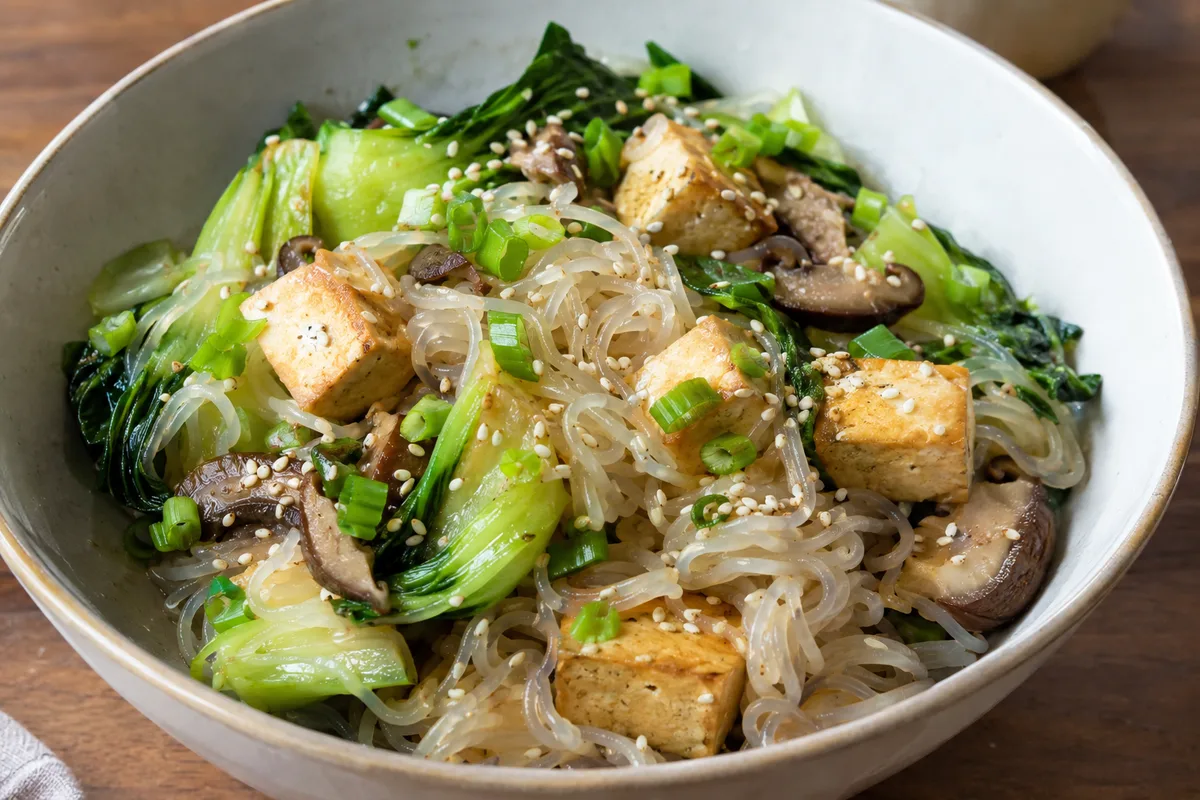
They are sometimes sold as konjac noodles, and some versions contain added ingredients such as tofu or vegetable colouring. These differences can affect the texture and nutrition, so use the name and details on the pack rather than assuming every product is identical.
How they fit into food tracking
Because shirataki noodles contain plenty of water and fibre, they generally provide less energy than traditional dried noodles. The exact amount depends on the recipe, serving size and local labelling rules, so log the figures shown on the particular pack you use.
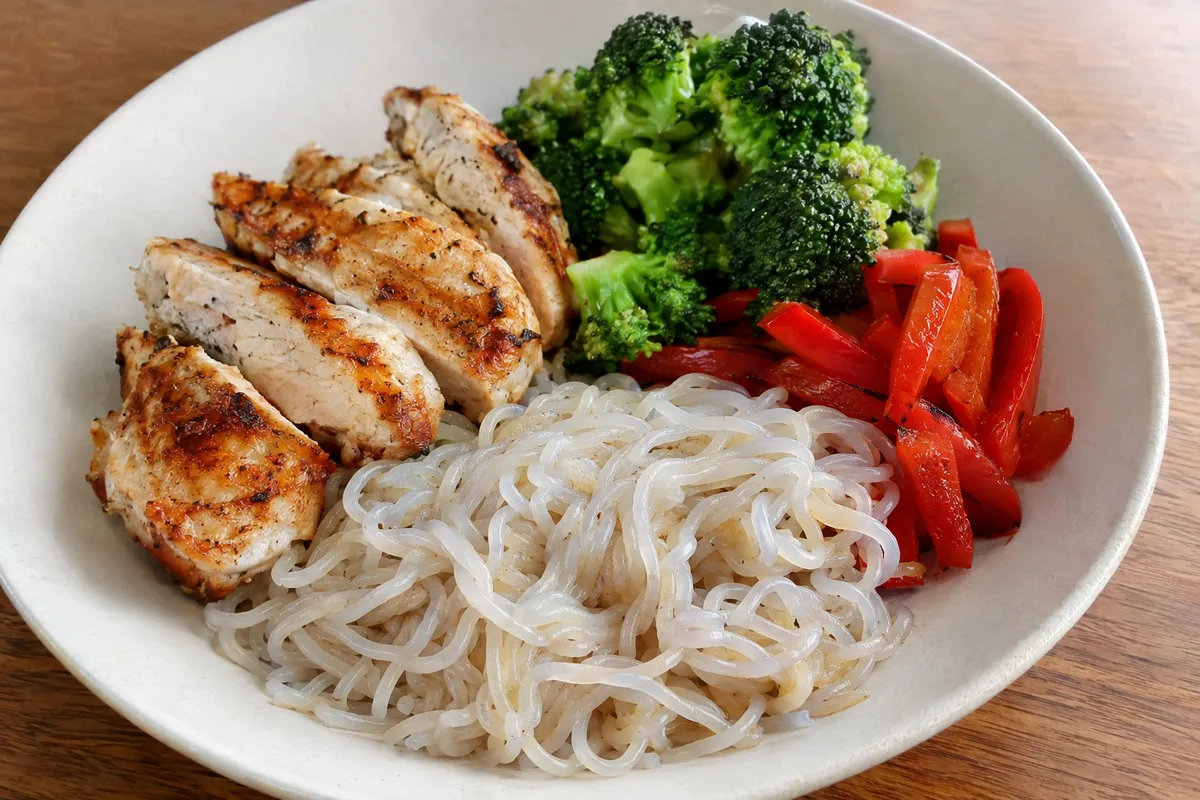
Check whether the stated nutrition applies to the drained product or to the noodles with their packing liquid. It also helps to weigh the portion after draining if that matches the label instructions, then track sauces, oils and toppings separately.
Where to find them
Larger supermarkets may stock shirataki noodles in the world foods aisle, near other Asian-style noodles or in a specialist foods section. Some varieties are shelf-stable, while others sit in a chilled area near tofu and fresh noodles.
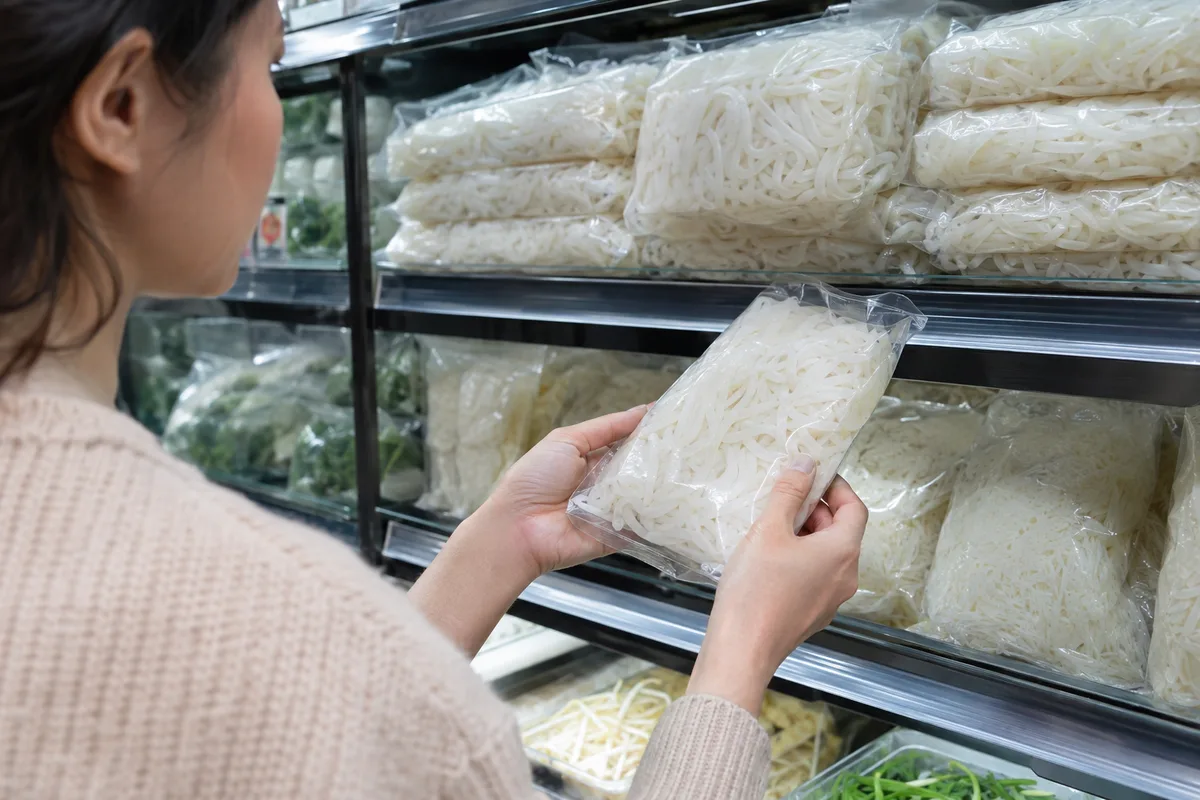
Asian grocers and online grocery shops are also common places to find them. Searching for konjac noodles as well as shirataki can reveal more options, but check whether the shape, added ingredients and storage instructions suit what you intend to track.
What to expect when preparing them
Shirataki noodles usually come sealed in liquid that can have a noticeable smell when the pack is opened. Draining and rinsing them thoroughly helps remove it, and the packet may recommend boiling or dry-heating them before use.
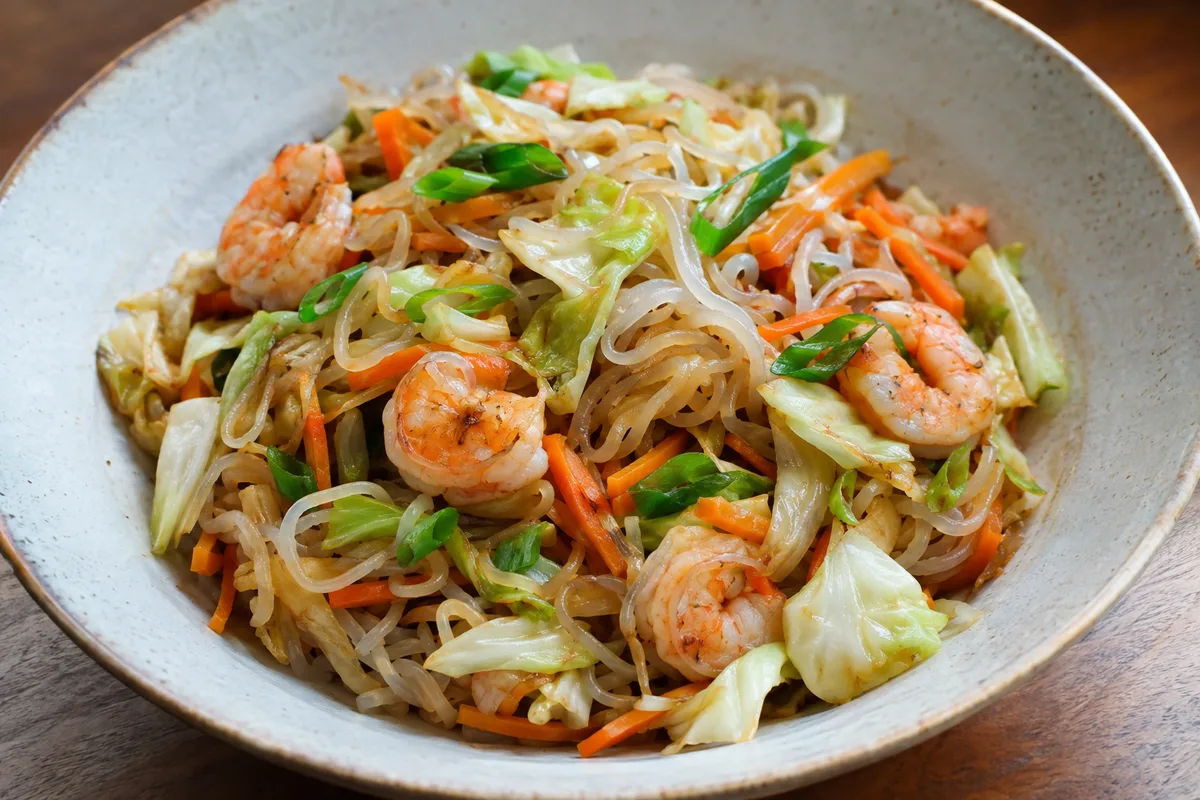
Their firm, slightly bouncy texture remains more pronounced than that of pasta, even after heating. They do not absorb flavour in quite the same way as wheat noodles, so preparation method and accompanying ingredients can make a substantial difference to the finished dish.