
Kelp Noodles: Benefits, Limits and Ways to Enjoy Them
Kelp noodles can add seaweed, texture and variety to meals while contributing relatively little energy on their own. This guide explains their possible benefits, their nutritional limits and how to track and serve them as part of a balanced meal.
What are kelp noodles?
Kelp noodles are translucent strands made using kelp, a type of brown seaweed. Most varieties also contain water and an ingredient that helps the strands hold their shape. They are usually sold ready to rinse and eat, although their texture can be softened.
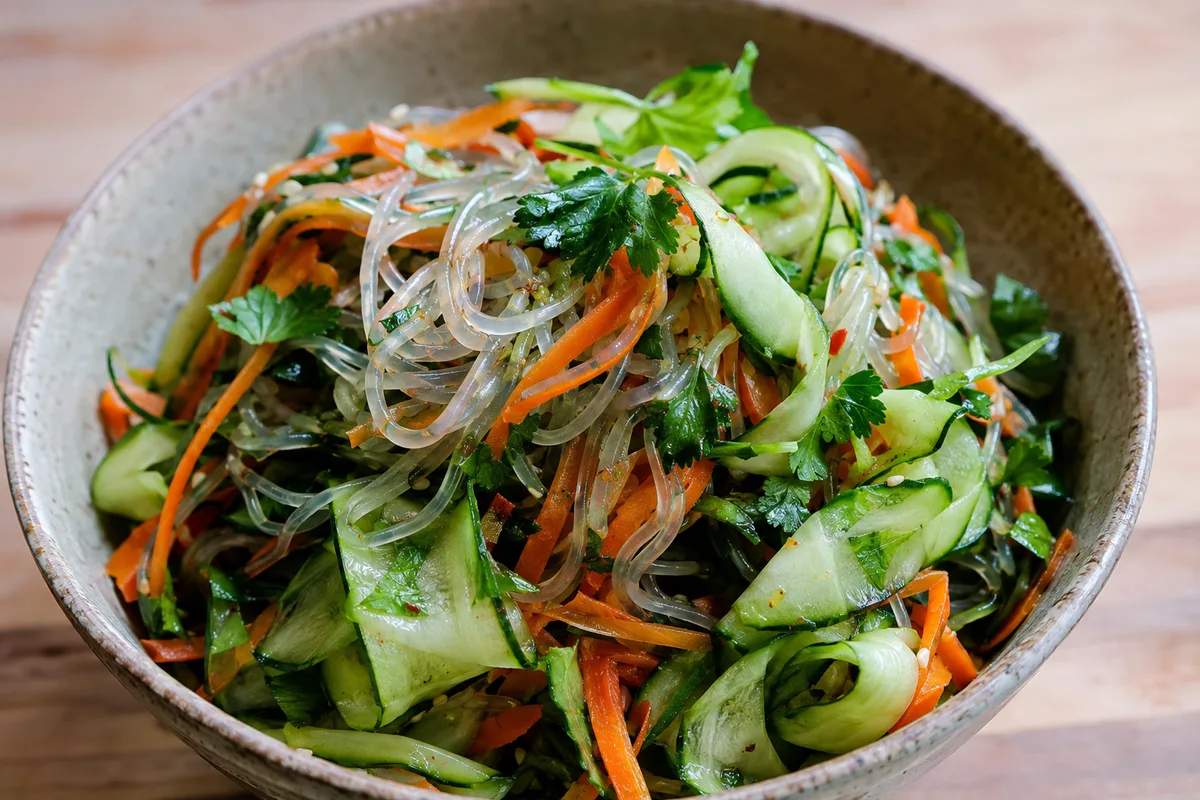
Despite the name, they are not the same as dried pasta made from wheat, rice or pulses. They tend to be crisp and springy rather than soft and starchy. Their mild taste allows sauces, dressings and seasonings to provide most of the flavour.
- Check the ingredients because recipes differ between brands
- Rinse the noodles before serving
- Eat them crisp in cold dishes or soften them for warm meals
- Track the drained amount you actually use
They can make a meal feel fresh and light
Kelp noodles contain a large amount of water, so they usually contribute less energy than a similar serving of traditional noodles. This can be useful when you want a lighter base for a meal. The exact difference depends on the product, serving size and noodle you are comparing.
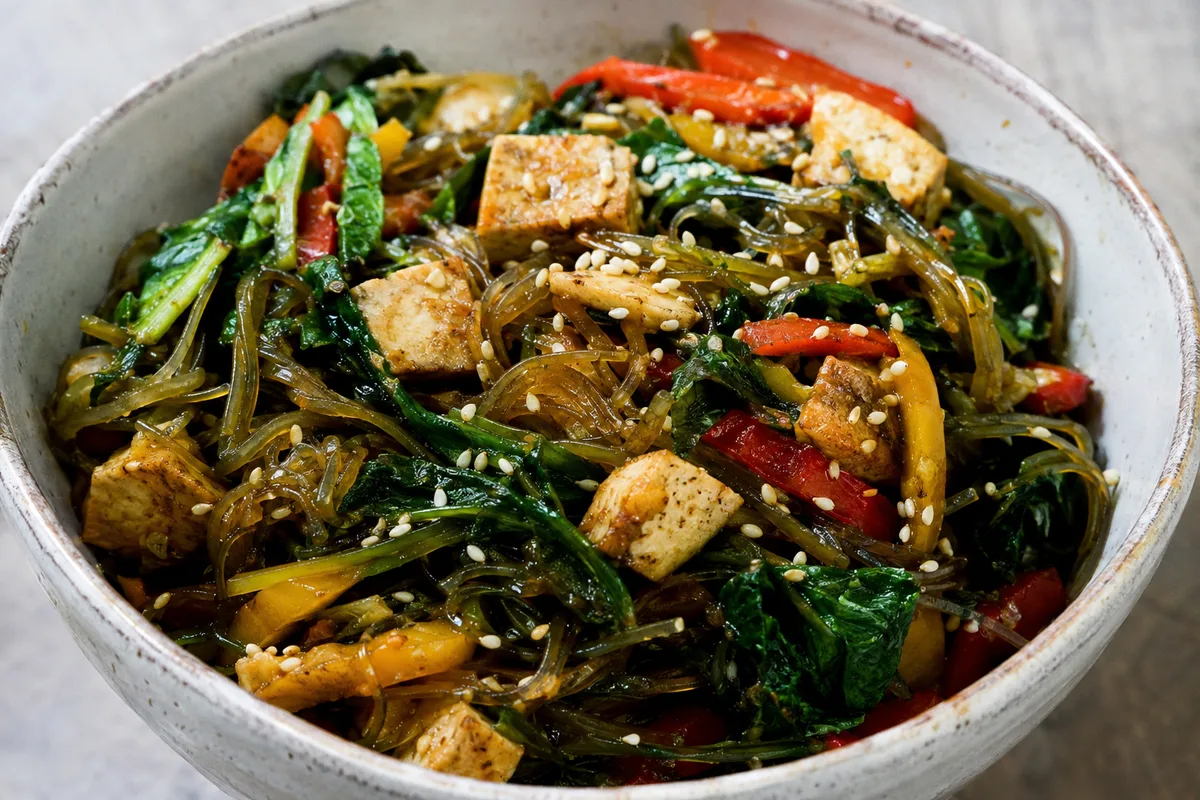
Lower energy does not automatically mean more nourishing. Kelp noodles provide little protein and may not offer much carbohydrate or fibre. A satisfying meal therefore needs other ingredients rather than relying on the noodles alone.
- Add tofu, eggs, fish, chicken, beans or another protein source
- Include several colourful vegetables
- Use nuts, seeds, avocado or a measured dressing for fat and flavour
- Add rice, bread or another carbohydrate if that suits your needs
Seaweed can add minerals, but amounts vary
Kelp naturally contains minerals from the sea, including iodine. Iodine has a role in normal body functions, but more is not always better. The amount in kelp foods can vary, so the packet is a better guide than a general online entry.
Processing and rinsing may also affect what remains in the finished noodles. Kelp noodles should not be treated as a dependable source of every mineral associated with whole seaweed. If the label lists nutritional values, use those figures when recording your meal.
- Compare iodine information where it is provided
- Check the serving size used on the label
- Avoid assuming all seaweed products have the same composition
- Consider how often you eat other iodine-rich foods
Do kelp noodles provide fibre?
Whole sea vegetables can contain fibre, but kelp noodles are processed and their fibre content may be modest. Some products contain very little, while others differ because of their ingredients. Check the nutrition panel rather than logging them as whole kelp.
If fibre is one of your goals, build it into the rest of the dish. Vegetables, beans, lentils, nuts and seeds can make the meal more substantial. Increasing fibre gradually and drinking enough fluid can also make it easier to fit into your usual routine.
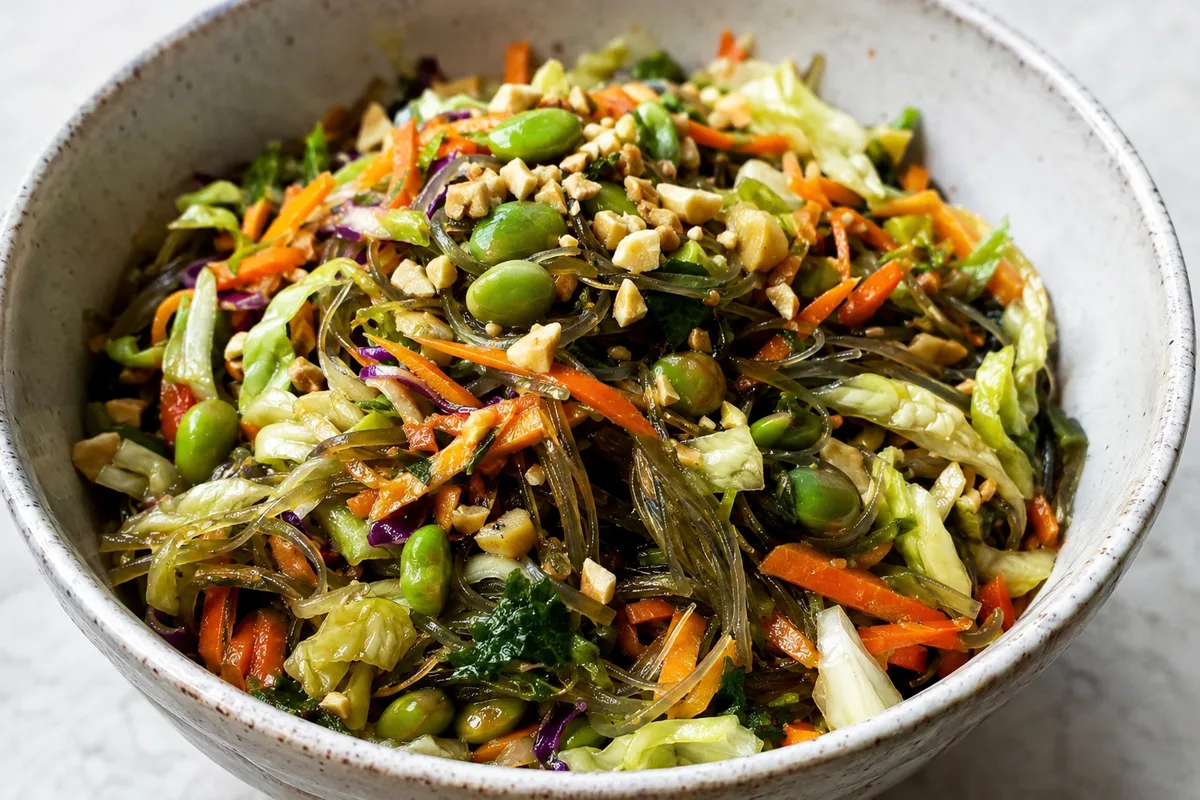
- Add shredded cabbage, carrots or peppers
- Mix in edamame, chickpeas or lentils
- Top with sesame seeds or chopped nuts
- Serve with a side of fruit if it fits the meal
How to soften and flavour them
Straight from the packet, kelp noodles can be quite crunchy. Rinsing removes the packing liquid, while soaking with an acidic ingredient can soften their texture. Follow the packet instructions because products do not all behave in the same way.
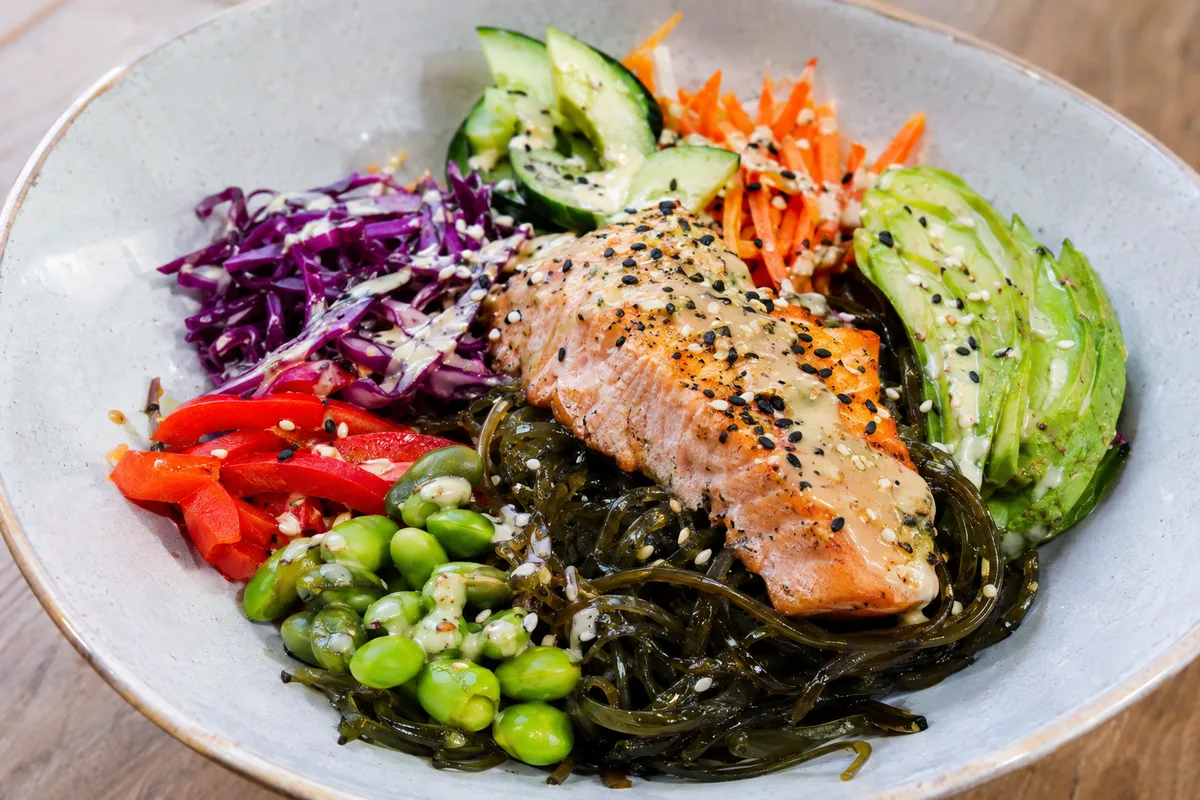
Their neutral flavour works well with sharp, savoury or creamy dressings. Tossing them thoroughly helps the sauce coat the slippery strands. If adding them to a hot dish, gentle warming is usually enough unless the instructions say otherwise.
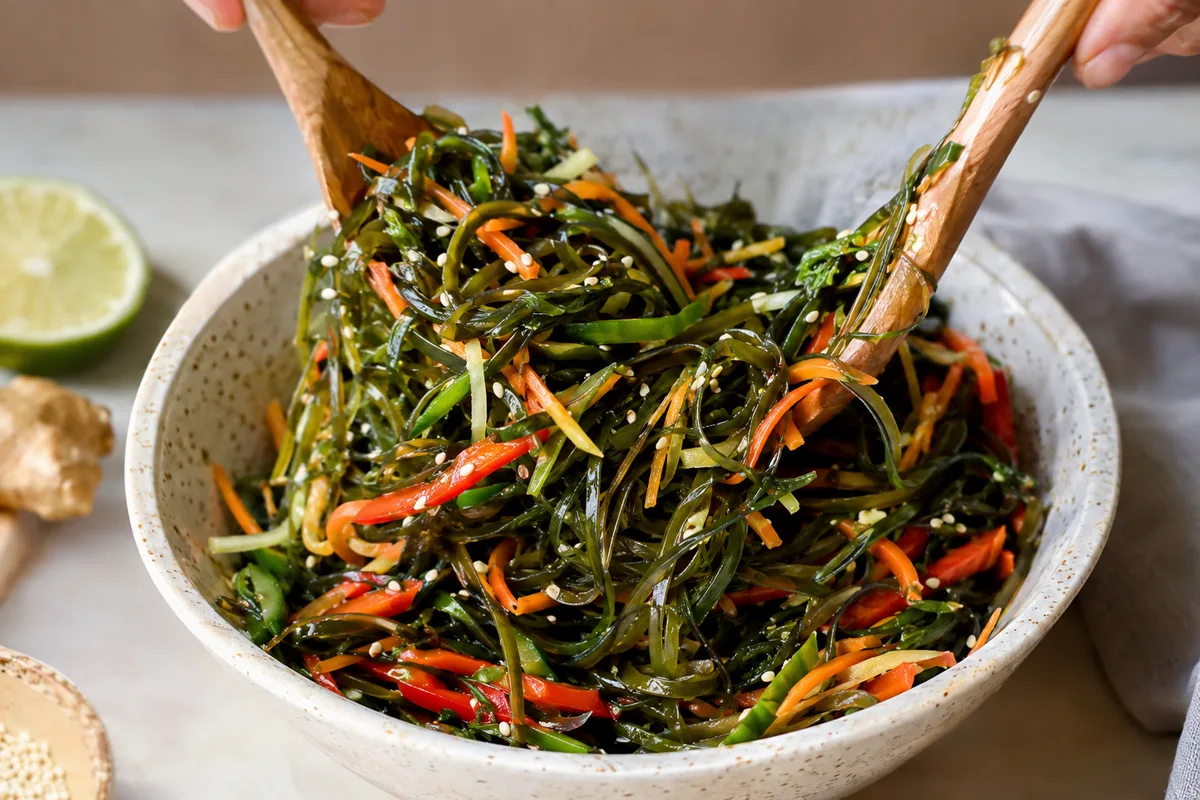
- Dress with lime, sesame and ginger
- Mix with tomatoes, cucumber and herbs
- Stir through a peanut or tahini-based sauce
- Add to a warm vegetable broth near the end
- Combine with regular noodles for a softer, more familiar texture
Tracking kelp noodles accurately
When logging kelp noodles, choose the entry that matches the exact product rather than a generic entry for dried seaweed. Record them in the state described on the label, such as drained or undrained. This matters because packing liquid can change the measured weight without adding the same nutrients.
Track sauces, oils, toppings and protein separately, as these ingredients often contribute more to the meal than the noodles. Save the complete dish as a recipe if you make it regularly. Kelp noodles can be a useful option for variety, but the overall balance of the bowl matters more than the noodles by themselves.
- Use the packet values where available
- Match your logged serving to the label serving
- Record cooking oils and dressings separately
- Include every topping and side
- Save frequently repeated combinations