
Malt Vinegar: Useful Condiment, Modest Health Benefits
Malt vinegar can make simple meals more appealing without adding much fat or sugar, which may help when tracking food. This article explains what it contains, where its practical benefits come from and why it should not be treated as a health remedy.
What malt vinegar is
Malt vinegar is made by fermenting malted barley, which first produces alcohol and then acetic acid. This acid gives vinegar its sharp taste and distinctive smell. Its brown colour and toasted flavour come from the malt and the way it is produced.
The finished vinegar is mostly water and acetic acid, with small amounts of compounds from the barley and fermentation process. It is not a concentrated source of protein, fibre, vitamins or minerals. Its main role in a meal is as a flavouring rather than a nutrient-rich food.
Strong flavour without a heavy dressing
The clearest benefit of malt vinegar is practical: it adds plenty of flavour without relying on a creamy, oily or sugary dressing. That can be useful if you already track what you eat and want a condiment that makes only a small contribution to the meal. The exact energy content depends on the product, so check the label when logging it.
Vinegar can brighten foods that otherwise seem plain, including cooked vegetables, beans and simple salads. Its acidity can also balance rich or salty-tasting dishes, meaning you may be satisfied with a smaller amount of another condiment. This is a possible swap rather than a rule, because taste and portion preferences differ.
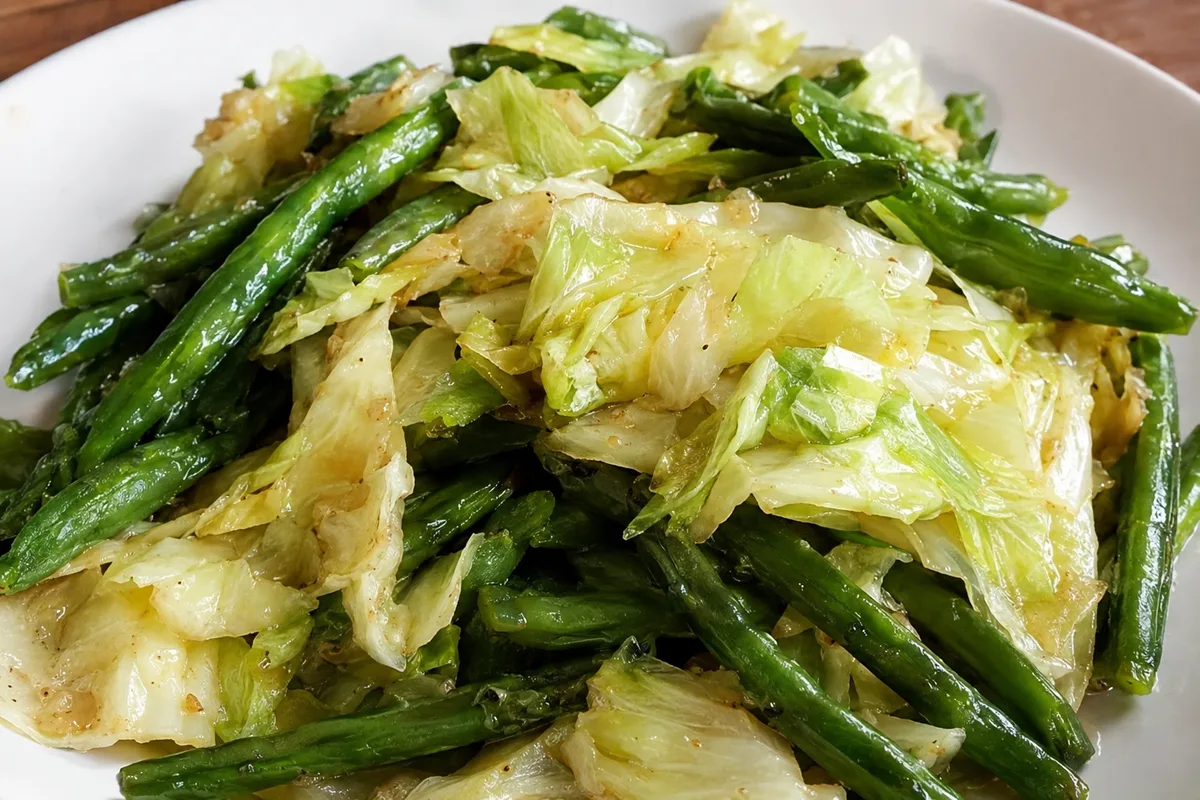
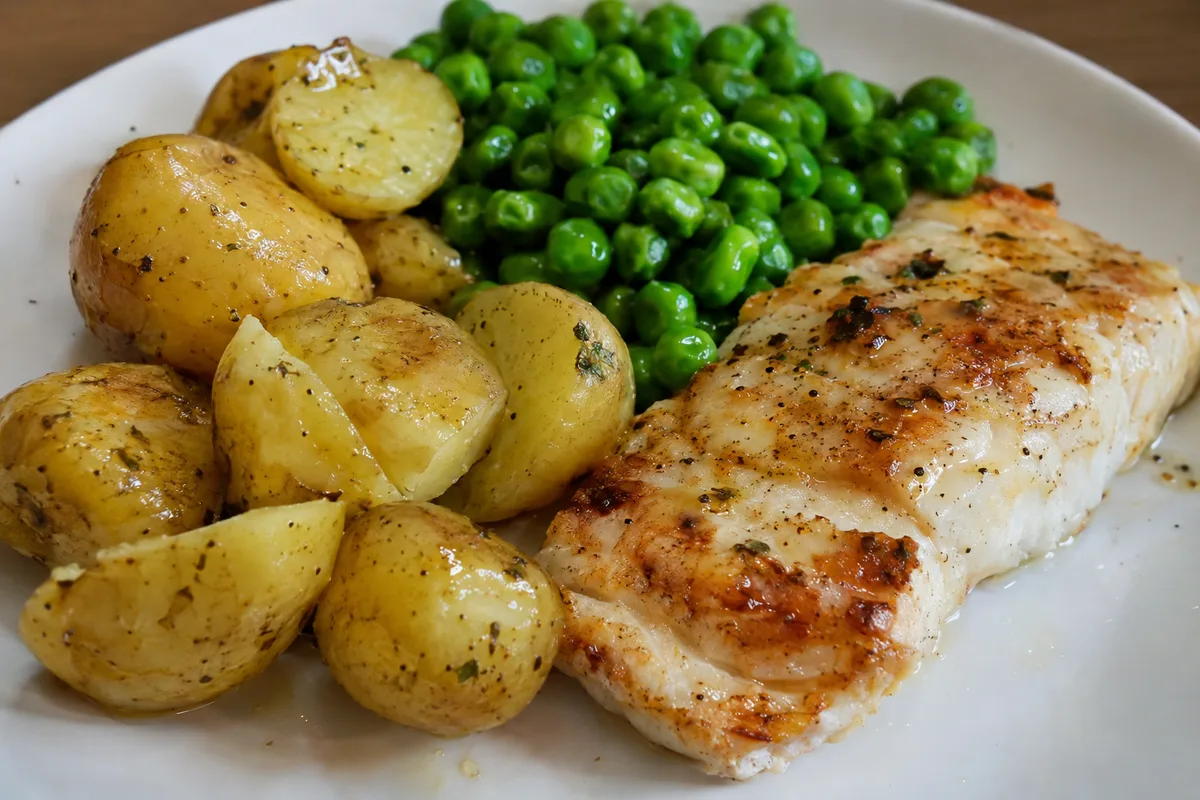
- Spoon it over cooked peas, cabbage or green beans
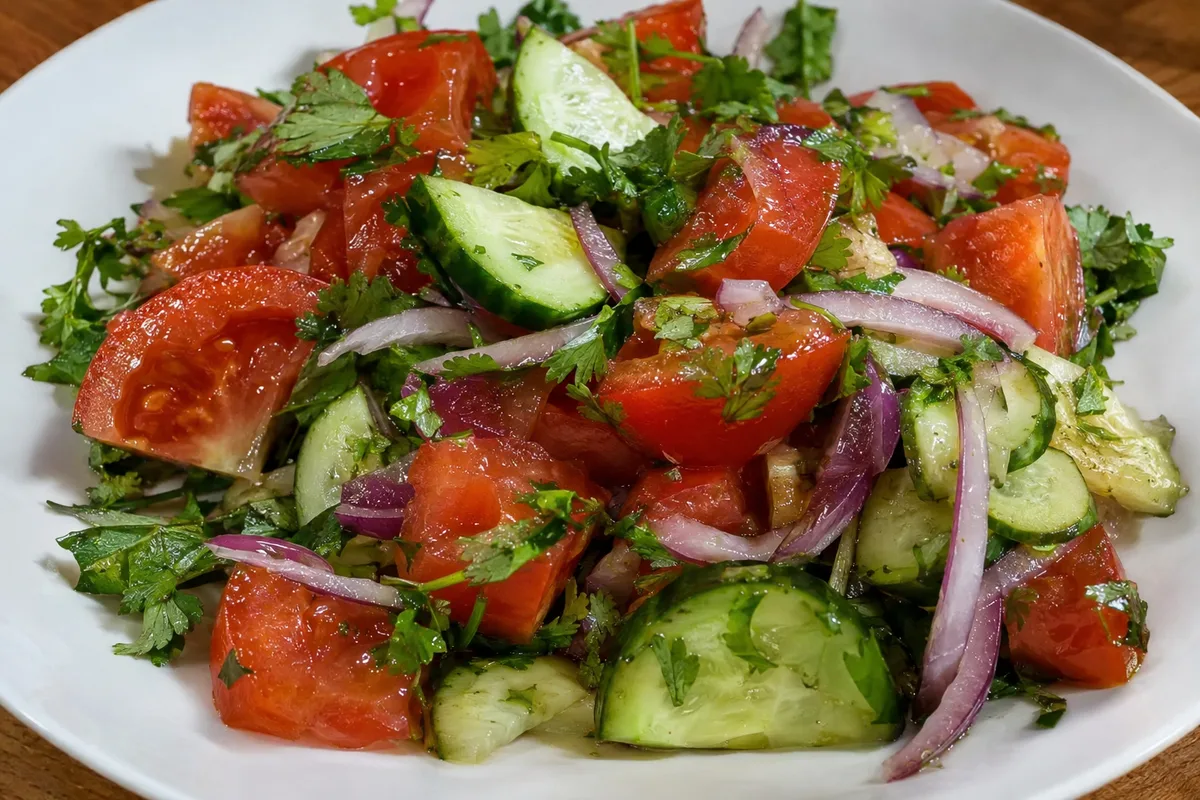
- Use it with tomatoes, cucumber and chopped onion
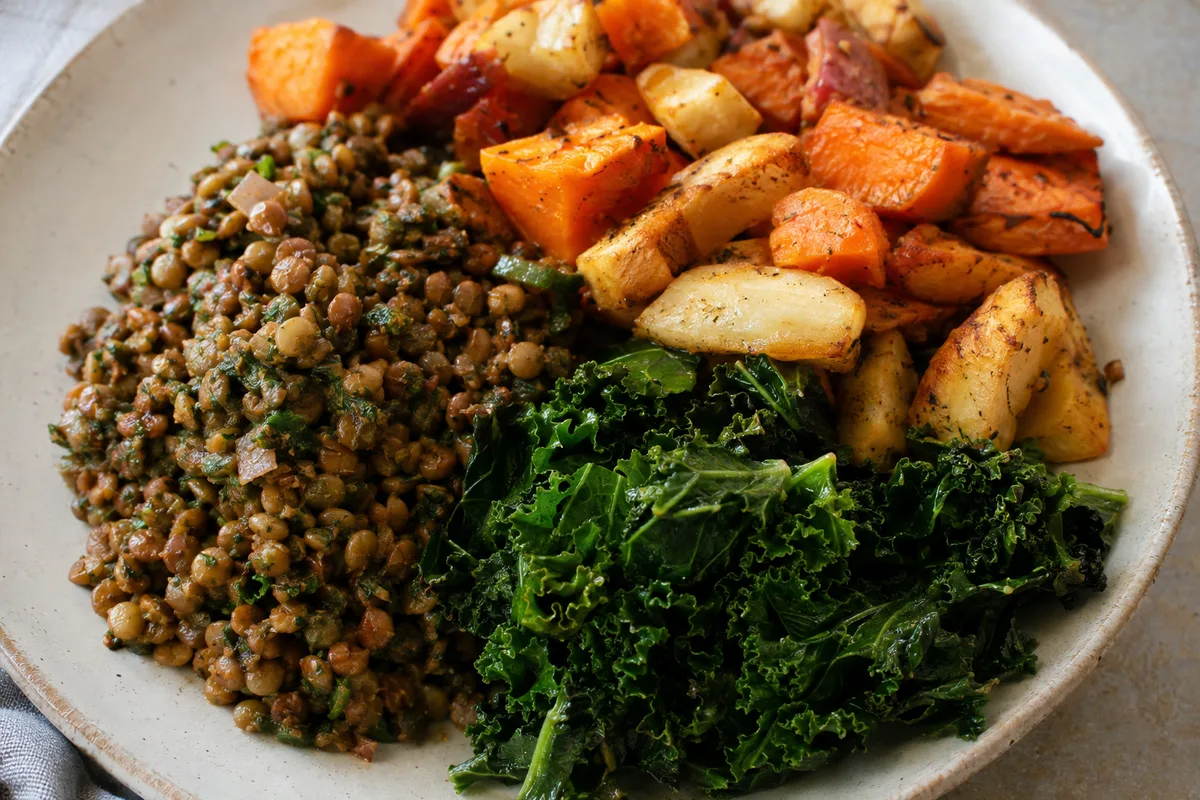
- Add a dash to bean or lentil dishes before serving
- Mix it with herbs for a sharp, light dressing
What acetic acid may and may not do
Acetic acid is the main active component in all culinary vinegars. Research into vinegar has explored whether it can affect how the body handles a meal and how full someone feels afterwards. Results vary, and they do not show that malt vinegar alone produces a major or dependable health change.
Malt vinegar should therefore be viewed as a condiment, not as a shortcut for changing body weight or controlling appetite. Any effect may depend on the meal, the amount used and the individual. Eating it with food is also different from drinking concentrated vinegar, which can irritate the mouth and throat.
The wider pattern of what you eat matters far more than adding one acidic ingredient. Meals containing vegetables, fruit, pulses, wholegrains and suitable protein sources provide nutrients that vinegar does not. Malt vinegar may help those foods taste enjoyable, but it cannot replace them.
Helpful when building a balanced meal
A condiment can support healthier choices when it makes nourishing foods easier to enjoy regularly. Malt vinegar works especially well with earthy vegetables, pulses and potatoes because its acidity cuts through dense or rich flavours. The benefit comes from the meal it complements, not from vinegar acting on its own.
When logging a meal, record the main ingredients first because they provide most of its energy and nutrients. Then add the vinegar according to the serving and label you use. This keeps attention on the overall balance rather than giving a minor condiment too much importance.
- Pair vinegar-dressed potatoes with vegetables and a protein source
- Add malt vinegar to lentils with chopped vegetables and herbs
- Serve it over roasted root vegetables instead of a rich sauce
- Use a small splash to sharpen vegetable-based soups or stews
Salt, sugar and portion context
Plain malt vinegar generally contains little fat, while sugar and salt levels depend on the product. Flavoured vinegar sauces may contain added ingredients, so they are not always nutritionally identical to straightforward malt vinegar. Reading the label helps you log the version you actually use.
Malt vinegar can sometimes replace part of a salty or sweet sauce, but it does not automatically make a meal balanced. Foods commonly served with it may already contain substantial amounts of salt or fat. Look at the whole plate and your usual eating pattern rather than judging the meal by its condiment.
- Compare products using the nutrition information on the label
- Check whether the bottle is plain vinegar or a seasoned vinegar sauce
- Measure a usual serving once if free-pouring makes logging difficult
- Count oils, mayonnaise and other dressings separately
When malt vinegar may not suit you
Because malt vinegar is acidic, frequent or undiluted contact may irritate the mouth, throat or stomach. It can also contribute to wear on tooth surfaces when used often or sipped directly. Use it as part of food rather than drinking it, and avoid holding it in the mouth.
Malt vinegar is traditionally made from barley, so it may not suit anyone who needs to avoid gluten. Production and labelling can vary, making the package information important. Choose another culinary vinegar if malt vinegar does not fit your dietary needs.
Overall, malt vinegar offers flavour and flexibility more than a large nutritional advantage. It can help make vegetables, pulses and other simple foods appealing while adding little to the meal compared with many richer dressings. Its benefits remain modest and depend on how it is used within the rest of your diet.
- Use a light splash rather than drinking vinegar
- Have it with food instead of on an empty stomach
- Check ingredient and allergen information when avoiding barley or gluten
- Stop using it if it repeatedly causes discomfort