
Protein Tablets Explained: What They Are and How They Fit into Food Tracking
Protein tablets are supplements designed to add protein or particular amino acids to what you eat. This guide explains what they contain, how to log them and why they are not the same as protein-rich food.
What protein tablets are
Protein tablets are solid supplements made from a concentrated protein source or selected amino acids. The ingredients are compressed into tablets that are swallowed, rather than mixed into a drink. They are intended to add to your usual protein intake, not to provide a complete meal.
The name can be slightly misleading because not every product contains a large amount of complete protein. Some tablets provide only certain amino acids, which are the building blocks used to make protein. The label should state the amount of protein or individual amino acids in a serving.
- Tablets made from concentrated milk-derived protein
- Tablets made from plant-derived protein
- Blends containing several amino acids
- Tablets focused on one or a small group of amino acids
How they differ from protein foods
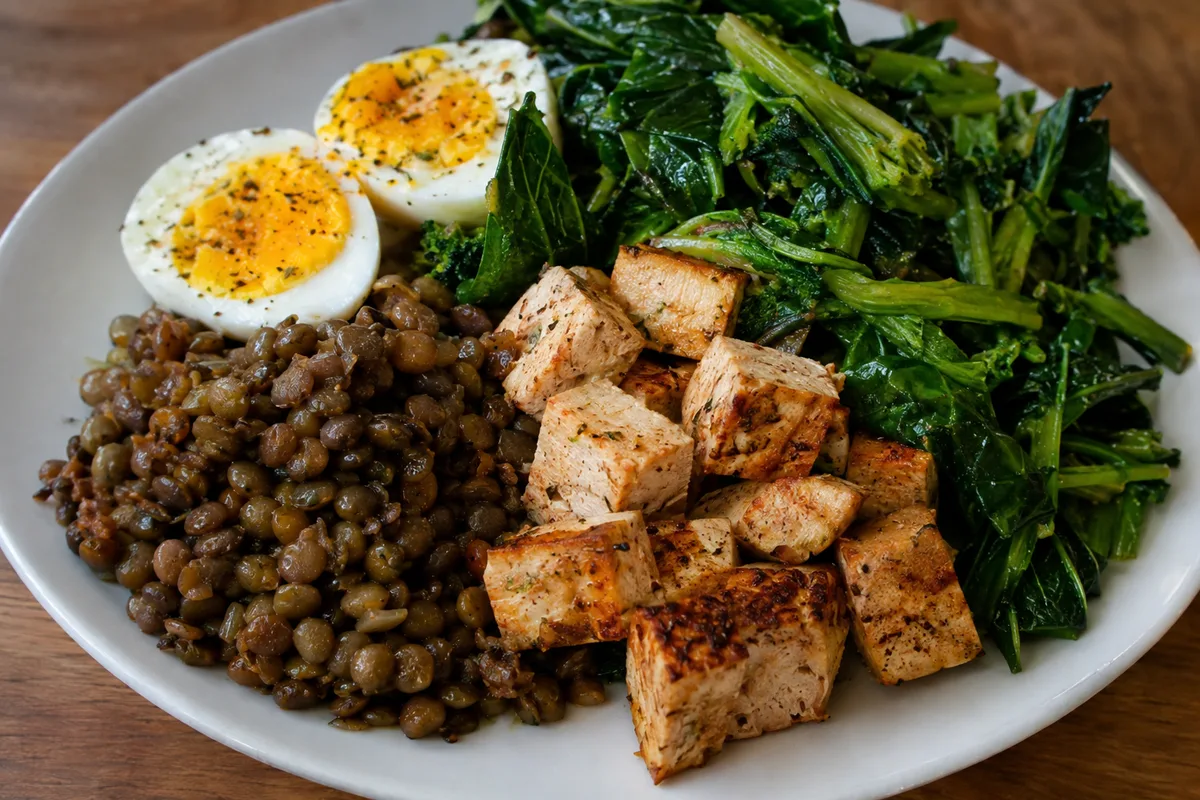
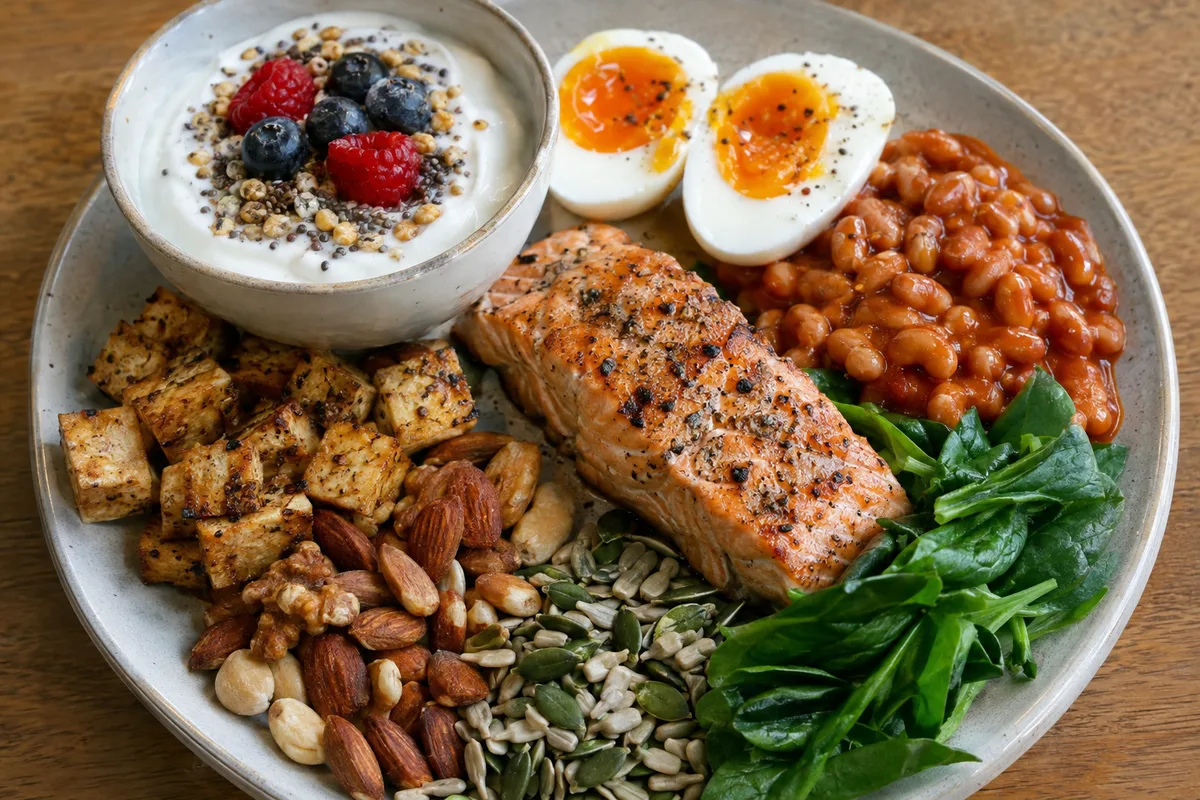
Protein-rich foods usually bring other nutrients and texture to a meal. Eggs, fish, meat, beans, lentils, tofu and dairy foods can also provide fats, carbohydrates, fibre, vitamins or minerals, depending on the food. Chewing and eating them as part of a meal may also feel more satisfying than swallowing tablets.
A tablet is more limited because it contains a concentrated ingredient in a compact form. It does not automatically provide the range of nutrients found in a varied plate of food. It is better viewed as an addition to the diet rather than a direct replacement for meals.
- Eggs or yoghurt at breakfast
- Beans, lentils or tofu in a main meal
- Fish, meat or a plant-based alternative with vegetables
- Nuts or seeds added to meals or snacks
What the label can tell you
Start with the serving size because it may include several tablets rather than one. Then check how much protein the full serving provides, as the weight of the tablets is not always the same as the weight of protein. Other ingredients may include binders, coatings and flavouring agents.
If the label lists amino acids instead of total protein, record what is actually shown rather than treating the whole tablet weight as protein. Ingredient order can also help you understand what makes up most of the product. Check any allergen information and whether the source suits your eating preferences.
- The number of tablets in one serving
- Protein per serving, not just tablet weight
- The named protein or amino acid source
- Other ingredients used to form or coat the tablet
- Allergen and suitability information
How to log protein tablets
Log the serving you actually take, just as you would log a food or drink. Use the energy and nutrient information on the label rather than a generic database entry when possible. Formulas differ, so an entry for another product may not match.
Protein provides about 4 kcal per gram, but the stated energy may also reflect other ingredients. If your tracker has no matching entry, create a custom one using the label values. Keep the serving unit clear so that one tablet is not confused with one full serving.
Look at the tablets within your whole day rather than as a separate target. Compare your logged protein with what already comes from meals and snacks. The useful amount depends on the person, their food choices, body size and activity pattern.
- Record the number of tablets taken
- Match that amount to the label serving
- Enter the stated energy and protein
- Include carbohydrate or fat if the label lists them
- Save the entry with a clear serving name
Limits and practical considerations
Tablets can be less convenient than they first appear if a serving involves swallowing several of them. They may also add little variety, flavour or fullness compared with food. The amount of protein supplied can be modest, so the serving details matter.
More protein is not automatically more useful. Once you can see your intake across the day, you may find that meals and snacks already cover what you intended to add. Avoid treating tablets as a shortcut around regular, balanced eating.
Instructions on storage and serving should be followed as written. Do not take more simply because the tablets look small. If you are unsure whether a supplement suits your circumstances, seek individual guidance from a suitably qualified health professional.
- Consider how much protein the full serving adds
- Notice whether the serving is practical to take
- Check how it fits with protein already logged
- Keep tablets stored according to the label
Deciding whether they fit your routine
Begin with your existing food record rather than the supplement. Look for where protein already appears and whether it is spread across meals or concentrated in one part of the day. This gives the tablets some context.
If you want to change your intake, food may be the simplest place to start. Adding yoghurt, eggs, beans, lentils, tofu, fish, meat, nuts or seeds can also change the fibre, fat and micronutrient content of a meal. The best choice depends on your preferences and usual eating pattern.
Protein tablets can be logged accurately, but they are not essential simply because you track protein. Their main role is to provide a measured supplement in tablet form. A clear label and an honest view of your full food record are more useful than the word “protein” on the front.
- Review several typical days of food logs
- Identify meals that contain little protein
- Compare a food-based addition with the tablet serving
- Choose an option that fits your wider eating pattern