
How to Choose Support for a Sore Heel
Heel soreness can make everyday walking uncomfortable, but the most suitable support depends on where, when and why it hurts. This guide explains common product types, what to look for and how to judge whether an option is helping.
Start with the source of discomfort
Heel soreness can develop after changes in activity, long periods of standing or regular use of unsupportive footwear. The discomfort may be felt underneath the heel, around its edges or towards the back of the foot. Its location and timing can help you decide which type of support is worth considering.
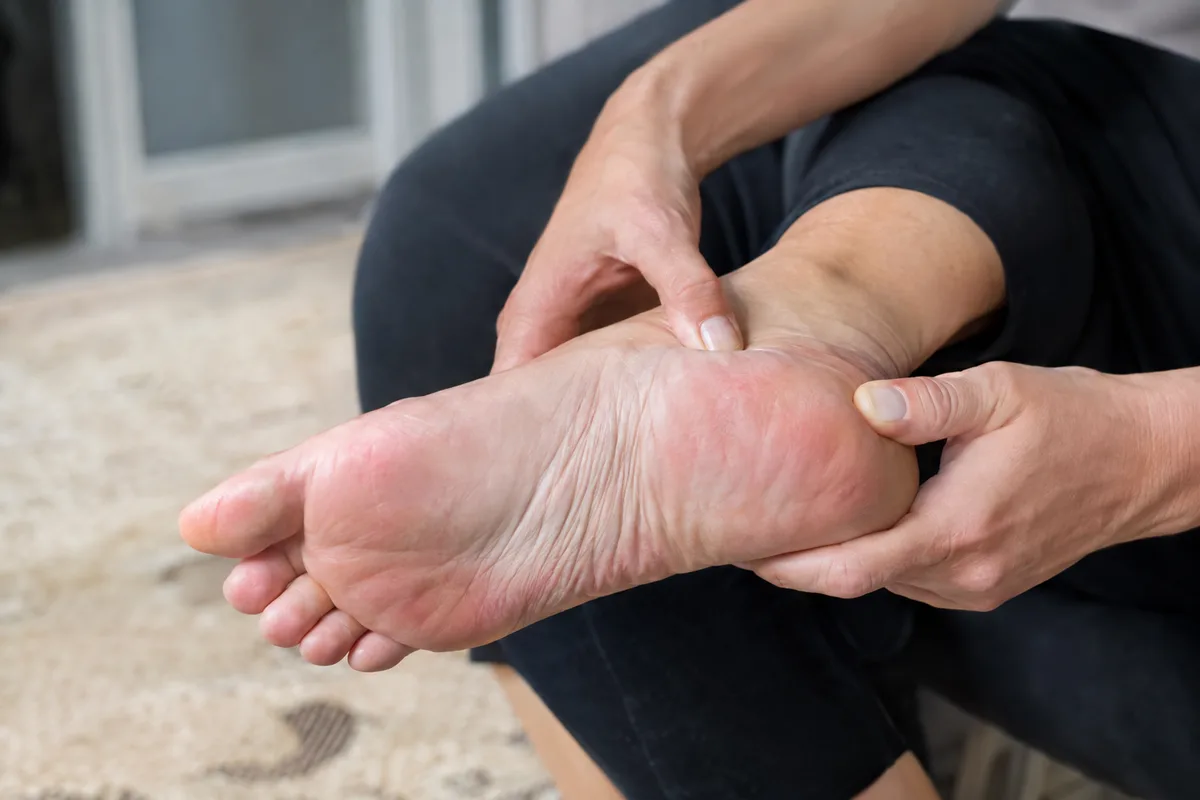
Notice whether the soreness is strongest during the first few steps, after a long walk or at the end of the day. Check whether one particular pair of shoes makes it better or worse. This simple information is more useful than choosing a product solely because its packaging mentions heel pain.
Products may improve comfort, but they cannot tell you what is causing persistent pain. Seek advice from an appropriately qualified health professional if the pain is severe, follows an injury, affects normal walking or does not settle. Sudden swelling, marked colour changes or loss of feeling also need prompt attention.
- Note the exact area that feels sore
- Record when the discomfort is strongest
- Compare how different shoes feel
- Consider any recent change in walking, running or standing
Supportive footwear comes first
Shoes form the base for any insert or heel aid. A firm heel section can reduce unwanted movement, while a secure fastening helps stop the foot sliding forwards and backwards. The sole should bend where the foot naturally bends rather than folding easily through the middle.
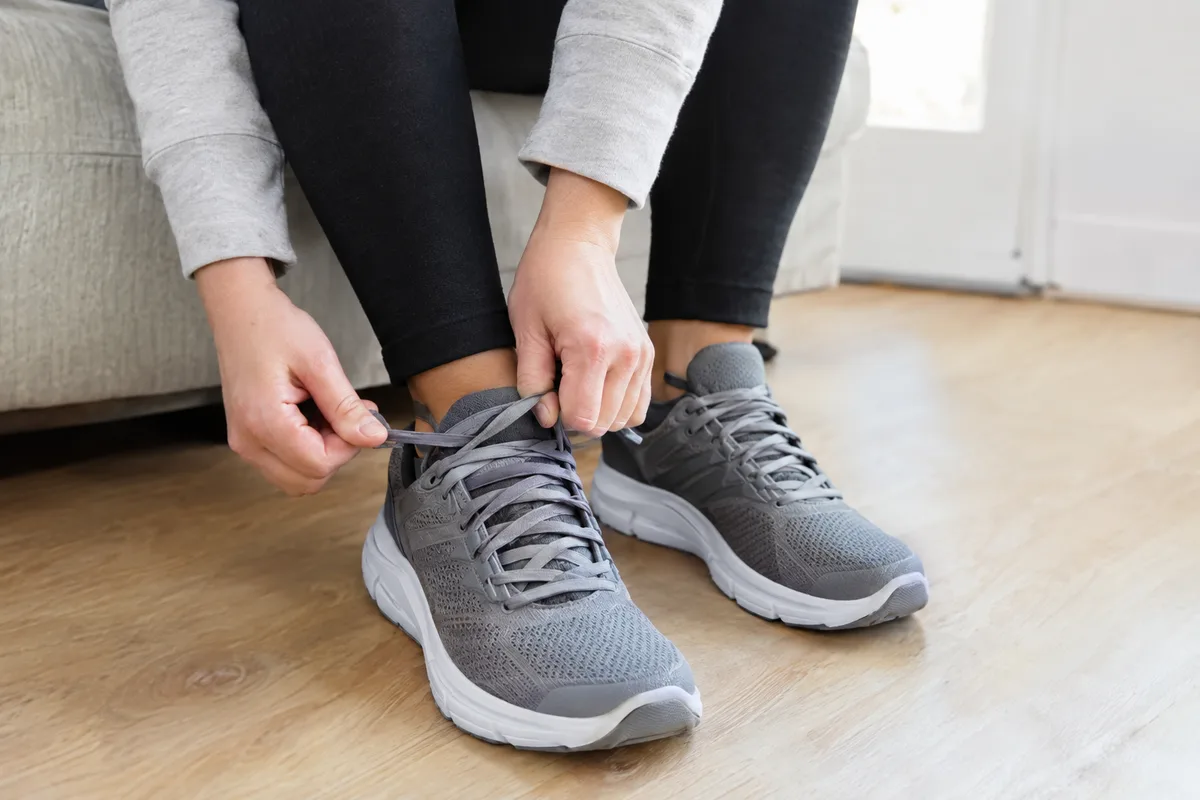
Fit matters as much as cushioning. There should be room for the toes without the heel lifting noticeably as you walk. A shoe that is too narrow, too loose or worn unevenly can remain uncomfortable even with an added insert.
Very soft shoes may feel pleasant at first but do not always provide stable support. A balanced design usually combines cushioning with a sole that feels steady underfoot. Examine regularly worn shoes for compressed padding, tilted heels and smooth tread.
- A secure lace, strap or other fastening
- A stable heel section
- Enough width and depth for the foot
- A sole that bends near the toes
- Even, intact cushioning
Compare insoles, heel cups and pads
Full-length insoles support more of the foot and may spread pressure across a wider area. Heel cups sit around and beneath the heel, while flat pads mainly add cushioning. None is automatically best because comfort depends on foot shape, footwear and daily activity.
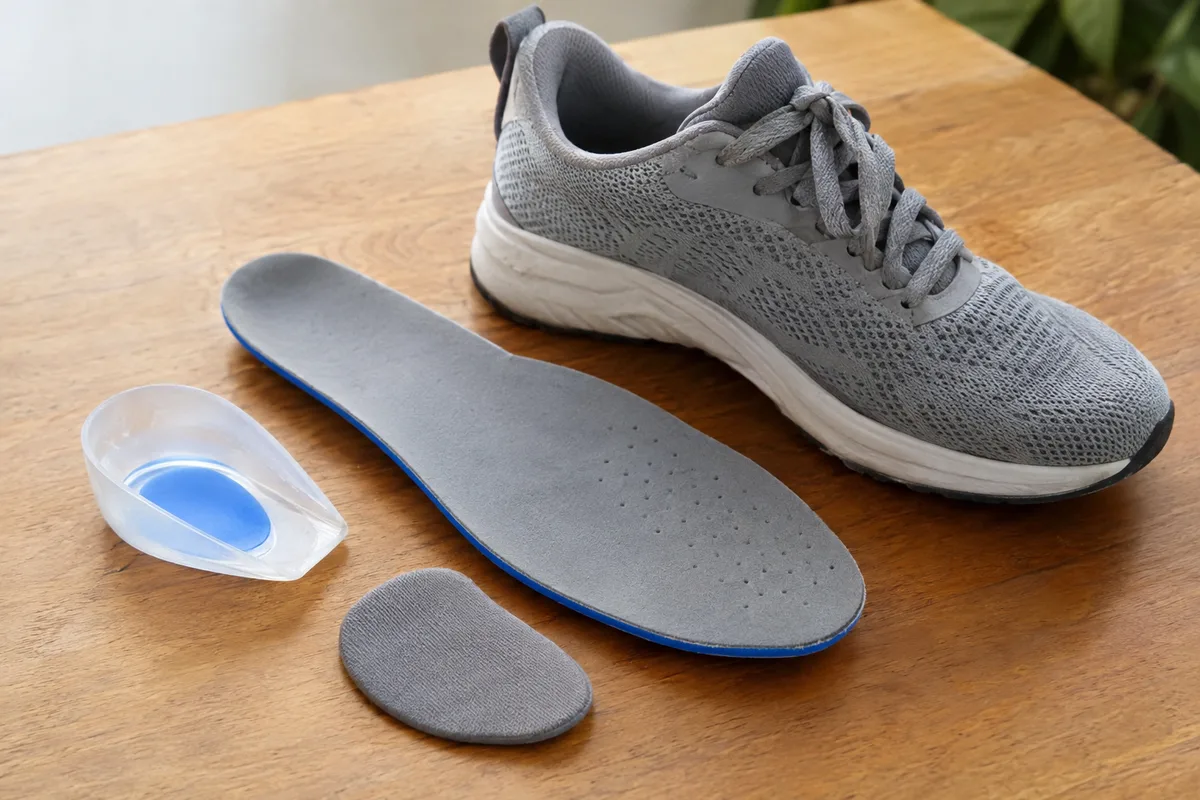
An insert should sit flat without curling, bunching or pushing the foot out of the shoe. Check that it does not crowd the toes or make the heel slip. If the original shoe liner is removable, follow the shoe and insert instructions rather than stacking several thick layers.
Try one change at a time so you can tell what makes a difference. Begin with short periods and check the skin afterwards for rubbing or pressure marks. Stop using an option that increases pain, causes numbness or changes the way you walk.
- Full-length insoles for broader underfoot support
- Contoured inserts for a more shaped footbed
- Heel cups for cushioning around the heel
- Thin heel pads where shoe space is limited
Use cushioning and cold packs carefully
Cushioned socks can reduce friction and make firm footwear feel more comfortable. They should fit smoothly, without thick seams pressing against a tender area. Moisture-managing fabric may also help if dampness tends to increase rubbing.
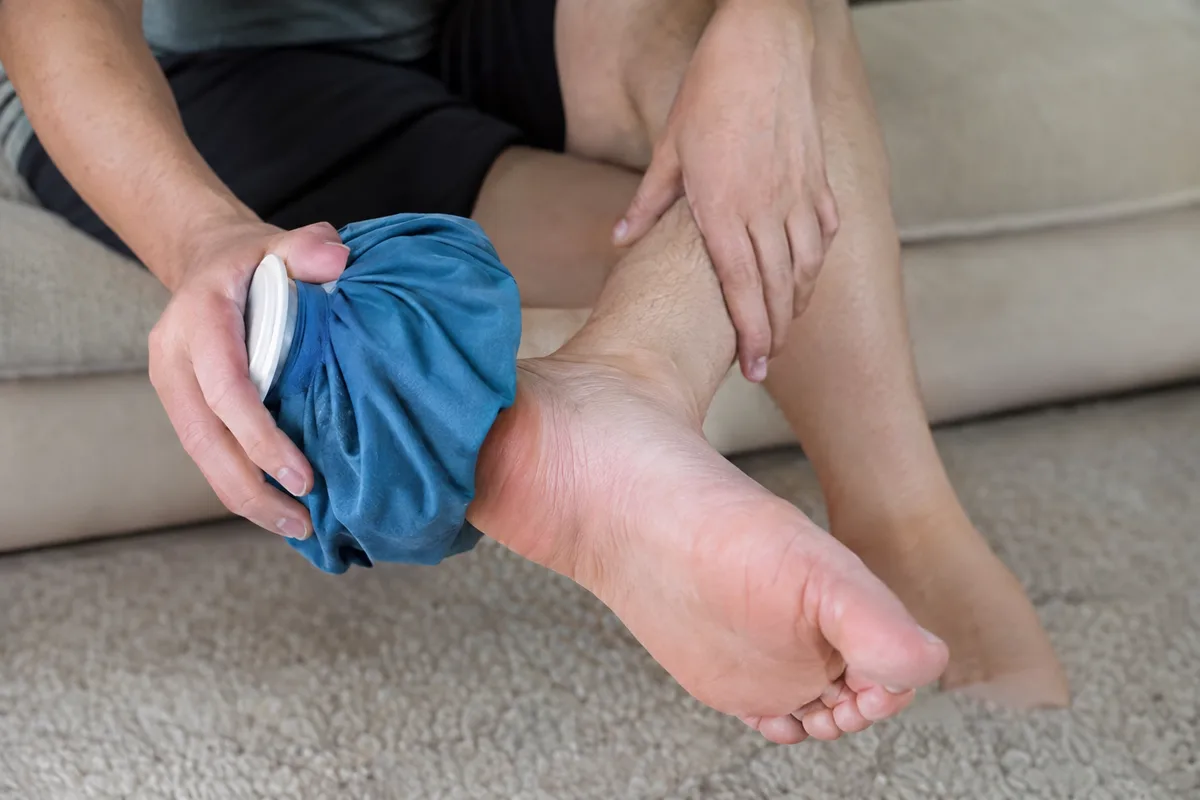
A cold pack may provide short-term comfort after demanding activity. Wrap it in cloth and use it only for a brief period, following the maker's safety instructions. Do not place intense cold directly against bare skin.
Rolling the sole of the foot over a cool bottle or firm ball is another commonly used comfort measure. Keep the pressure gentle and the movement controlled. It should not cause sharp pain, tingling or lingering soreness.
- Smooth, well-fitting cushioned socks
- A wrapped cold pack used as directed
- A cool bottle for gentle rolling
- A firm ball used with light pressure
Gentle movement can complement products
Footwear and inserts work best as part of a broader approach to everyday comfort. Tightness through the calf and sole of the foot can affect how the heel moves during walking. Gentle movement may help the area feel less stiff, provided it remains comfortable.
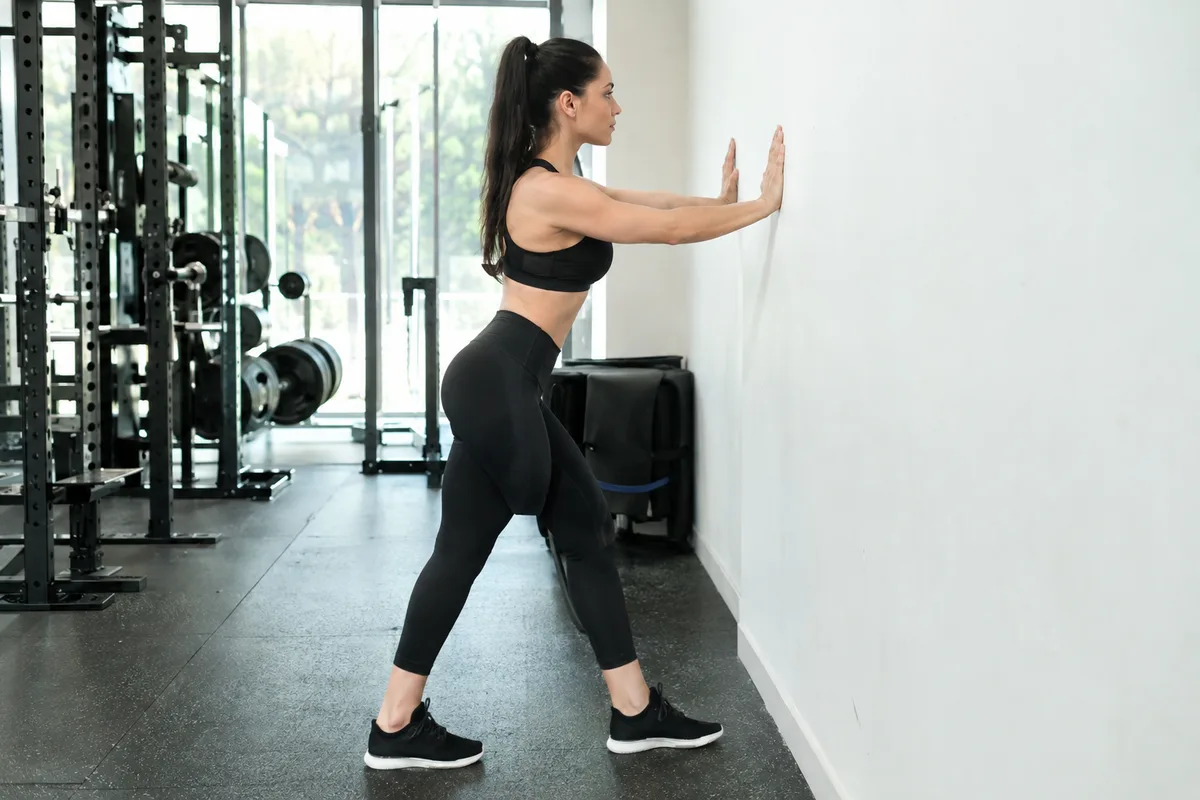
For a simple calf movement, face a wall and place one foot behind the other. Keep the back heel down, bend the front knee slightly and lean forwards without bouncing. Ease off if the movement produces sharp pain or numbness.
Activity does not always need to stop completely, but the amount may need adjusting. Shorter walks, flatter routes or a temporary change from high-impact movement can reduce repeated irritation. Build back gradually according to comfort rather than following a fixed timetable.
- Keep movements slow and controlled
- Stay within a comfortable range
- Avoid bouncing into a stretch
- Adjust activity according to how the heel responds
Judge results rather than marketing claims
A useful product should make normal movement more comfortable without creating a new pressure point. Give attention to walking quality, skin comfort and how the heel feels later in the day. A dramatic claim on a label does not predict whether the shape will suit your foot.
Replace an item when it becomes compressed, cracked or misshapen rather than following a universal schedule. How long it lasts depends on materials, activity and frequency of use. Keep the product clean and dry according to its care instructions.
Avoid combining several supports at once unless a qualified professional has advised it. Too much height or bulk can alter shoe fit and shift pressure elsewhere. The simplest suitable option is often easier to assess and use consistently.
- Improved comfort during ordinary walking
- No new rubbing or pressure points
- A secure fit inside the shoe
- No unwanted change in walking pattern