
Why oysters can be worth adding to your food diary
Oysters pack several nutrients into a relatively small serving and can bring variety to meals. Here is what they offer, how to log them and what to consider before eating them.
A small food with plenty to offer
Oysters are shellfish with a soft texture and a salty, savoury flavour. They provide protein alongside several vitamins, minerals and beneficial fats. That combination can make them a useful addition to a varied diet.
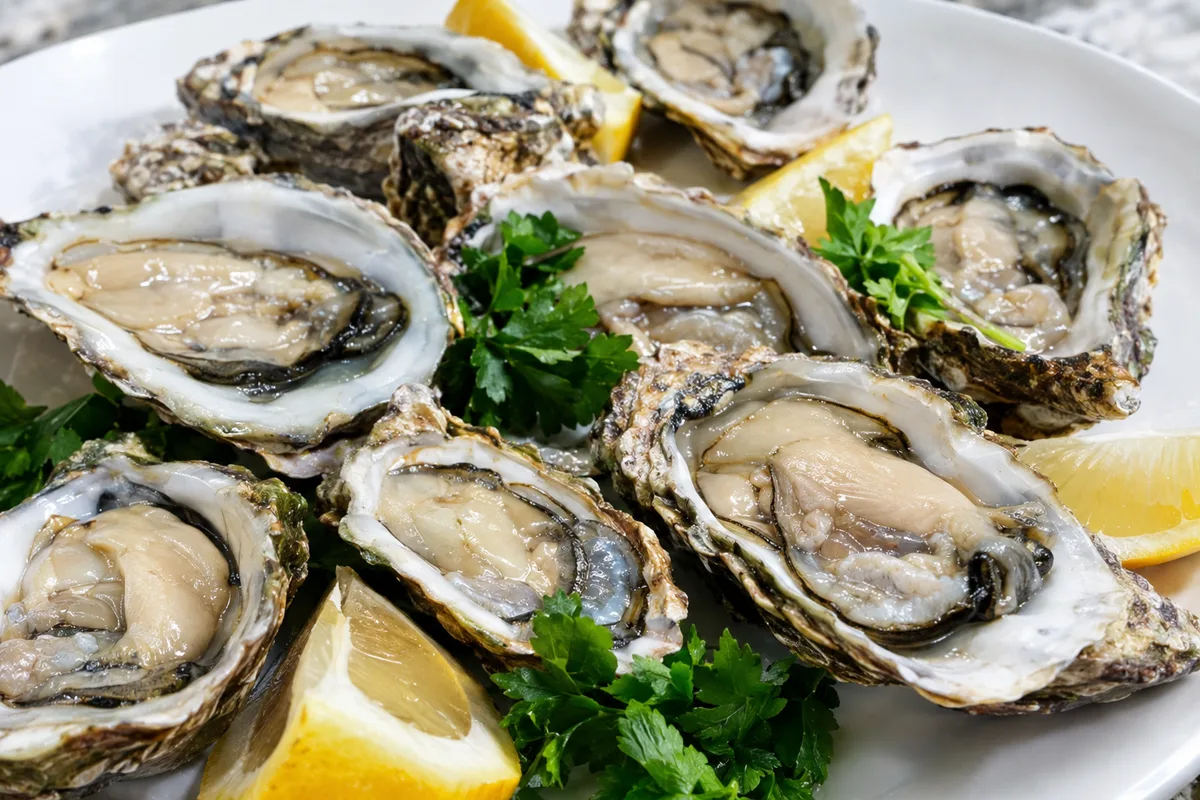
You do not need to eat oysters to have a balanced way of eating. Their value is that they offer a different nutrient mix from everyday choices such as chicken, eggs or beans. If you enjoy seafood, they can help bring more variety to the foods you track.
- Protein for maintaining and repairing body tissues
- Vitamin B12, which supports normal energy release and the nervous system
- Zinc, which contributes to normal immune function
- Selenium and iodine, which support normal body processes
- Omega-3 fats, which are found in many types of seafood
They provide protein without needing a large meal
Protein helps meals feel more substantial and provides the building blocks used throughout the body. Oysters contribute protein, although the amount depends on their size and how many you eat. Check the label or your food-tracking database for the serving in front of you rather than assuming every portion is equal.
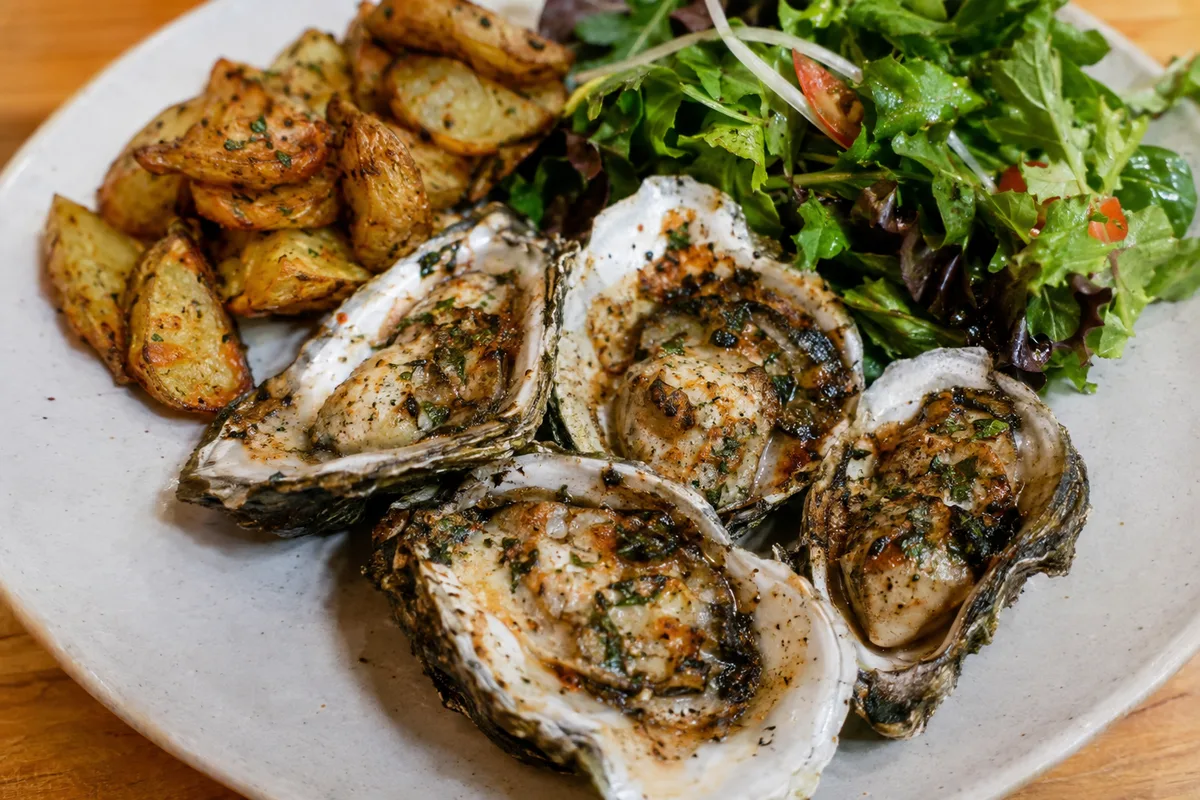
Oysters are often served as a starter, so consider what else is in the meal. Pairing them with vegetables and a source of carbohydrate can turn a small plate into something more complete. Bread, potatoes, rice and grains can all work, depending on your preferences and goals.
- Serve cooked oysters with roasted vegetables and potatoes
- Add them to a seafood stew with tomatoes, beans or rice
- Pair grilled oysters with wholemeal bread and a crisp salad
- Include them in a pasta dish with greens and a light sauce
Their minerals are a key reason to eat them
Oysters are particularly known for zinc, but they also contain selenium and iodine. These minerals are needed in small amounts, and more is not automatically better. A varied diet usually makes more sense than relying on one food every day.
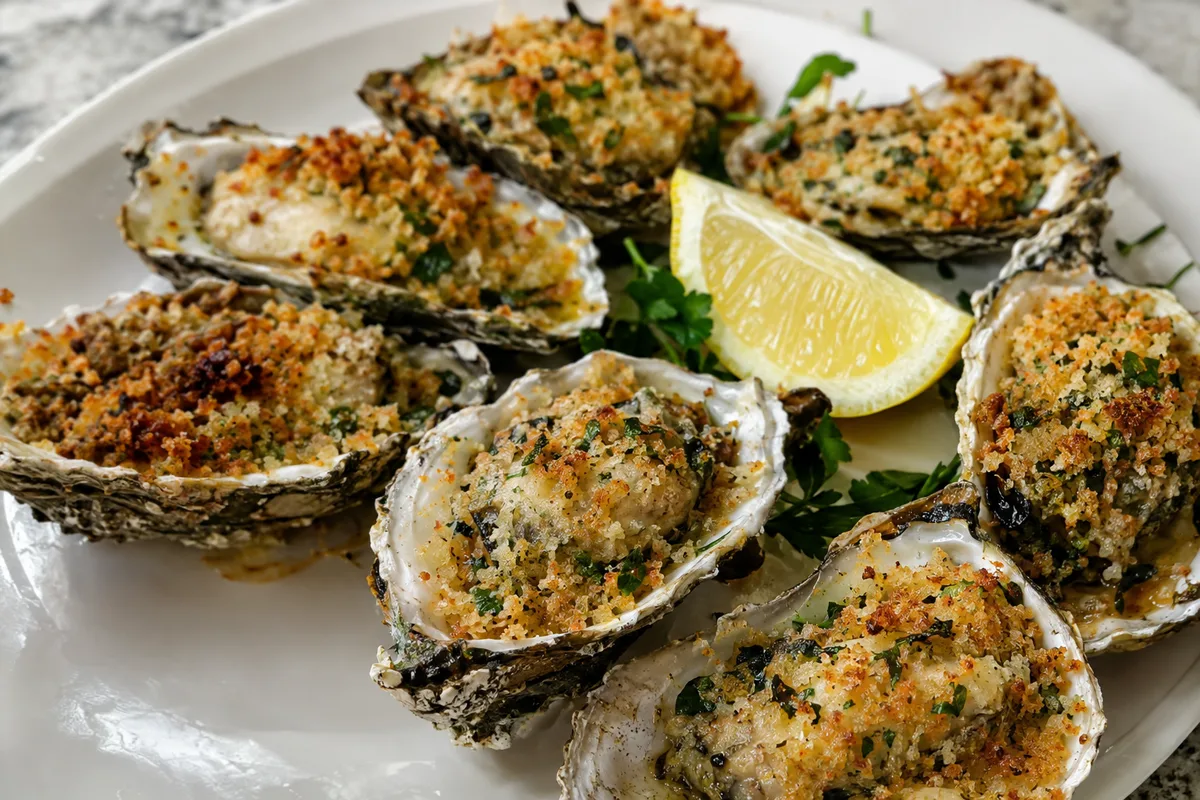
The exact nutrient content changes with the type of oyster, its growing conditions and the serving size. Food database entries are therefore estimates rather than perfect measurements. Choose an entry that specifies whether the oysters are raw, cooked, canned or prepared with other ingredients.
- Match the oyster type as closely as possible when logging
- Use the serving information on the pack when available
- Keep the number of oysters consistent with the database serving
- Log added butter, oil, cheese, crumbs and sauces separately
Preparation can change the overall meal
Plain oysters have a very different food diary entry from oysters baked with butter, cheese or breadcrumbs. Those additions are not automatically a problem, but they should be included if you want an accurate picture of what you eat. Lemon juice, herbs, chopped shallot and vinegar can add flavour with fewer extra ingredients to track.
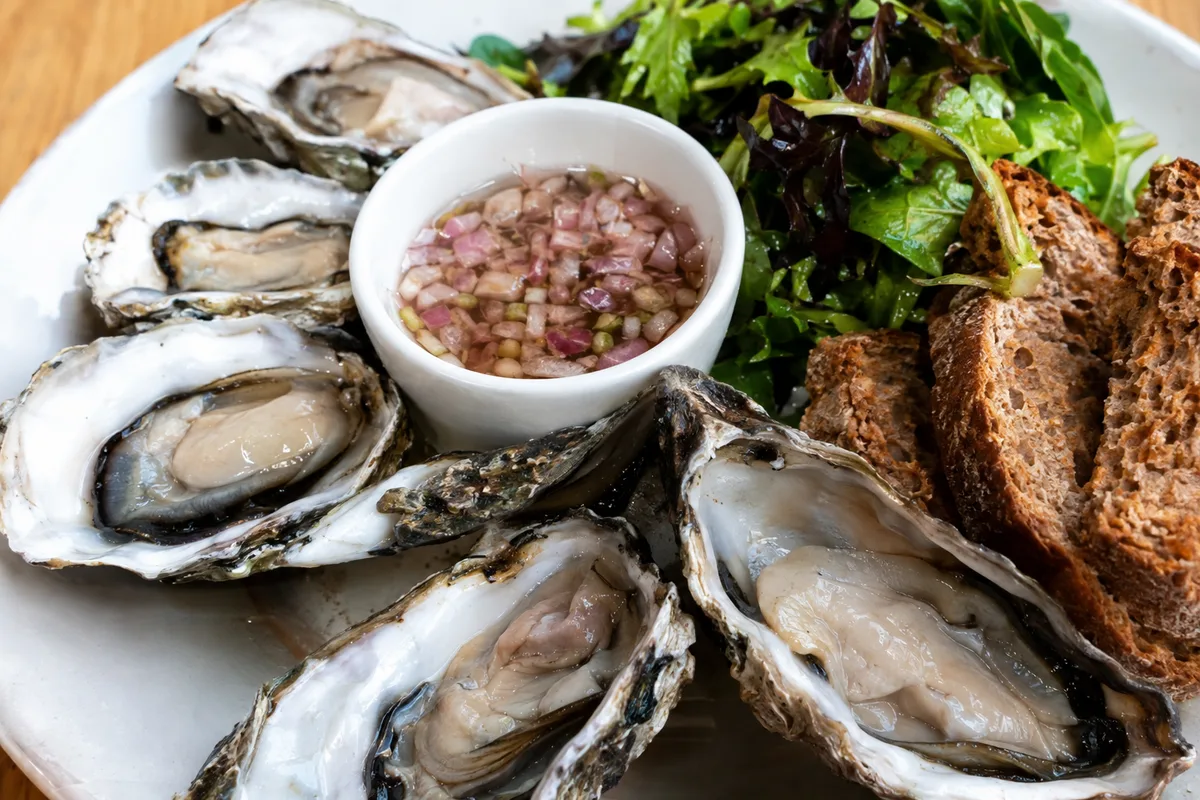
Cooking also changes the texture and may make oysters more approachable if you dislike them raw. They can be grilled, baked, steamed or stirred into a dish near the end of cooking. Avoid cooking them for longer than needed, as they can become firm and rubbery.
- Grill with lemon, garlic and parsley
- Bake with a measured breadcrumb topping
- Steam and serve with a sharp shallot dressing
- Add cooked oysters to rice, pasta or a tomato-based stew
Log the full serving, not just the shellfish
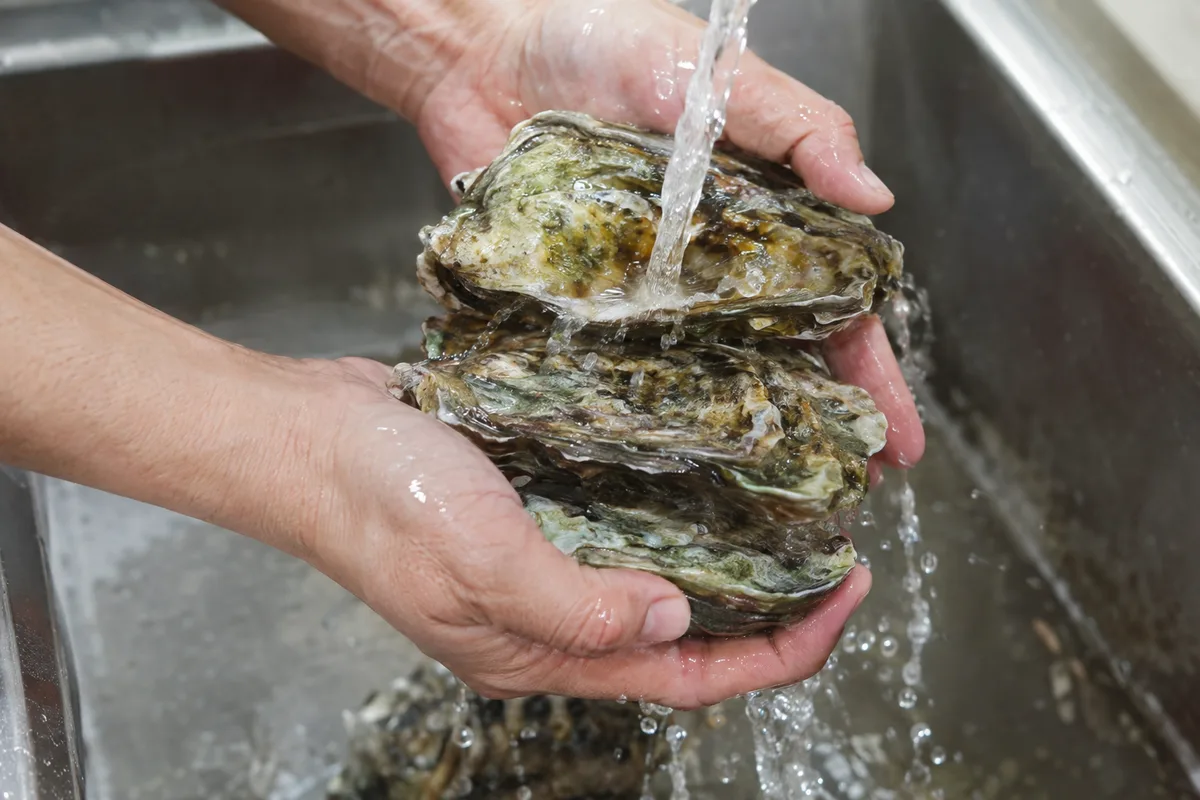
When tracking oysters, start with the edible portion rather than the weight of the shells. Restaurant listings may record oysters by number, while packaged versions may give a drained weight. The most suitable method depends on the information available to you.
Remember the foods served alongside them. Crackers, bread, butter, creamy sauces and fried coatings can make up a meaningful part of the plate. Recording each part separately is often more accurate than choosing a vague entry for an oyster dish.
- Count individual oysters when the database uses that measure
- Use drained weight for oysters stored in liquid
- Choose a cooked entry when heat has been used
- Add toppings, coatings, sauces and side dishes as separate entries
Choose, store and cook them with care
Raw oysters can carry harmful microbes even when they look and smell normal. Buy them from a reputable food supplier, keep them properly chilled and follow the storage instructions provided. Local food-safety guidance may recommend that some individuals avoid raw shellfish.
Discard shells that are cracked or remain open when tapped before cooking. During cooking, the shells should open; discard any that stay closed. If you have been advised to avoid raw or lightly cooked shellfish, choose oysters that have been cooked thoroughly instead.
Oysters are sometimes sold with information about where and how they were produced. If environmental impact matters to you, look for clear sourcing details from the supplier or menu. This lets you consider origin and production method alongside taste, nutrition and convenience.
- Keep fresh oysters chilled until preparation
- Wash hands and utensils before and after handling them
- Keep raw shellfish away from ready-to-eat foods
- Follow storage dates and preparation instructions
- Cook thoroughly when raw shellfish is not suitable