
Can a Baked Potato Fit a Weight-Loss Plan?
You do not need to avoid baked potatoes when aiming to lose weight. What matters most is how the whole meal fits your calorie target and keeps you satisfied.
The potato is only part of the picture
Weight loss depends on taking in less energy than your body uses over time, rather than choosing or avoiding one particular food. A baked potato can be included if its calories fit within the amount you are aiming to eat.
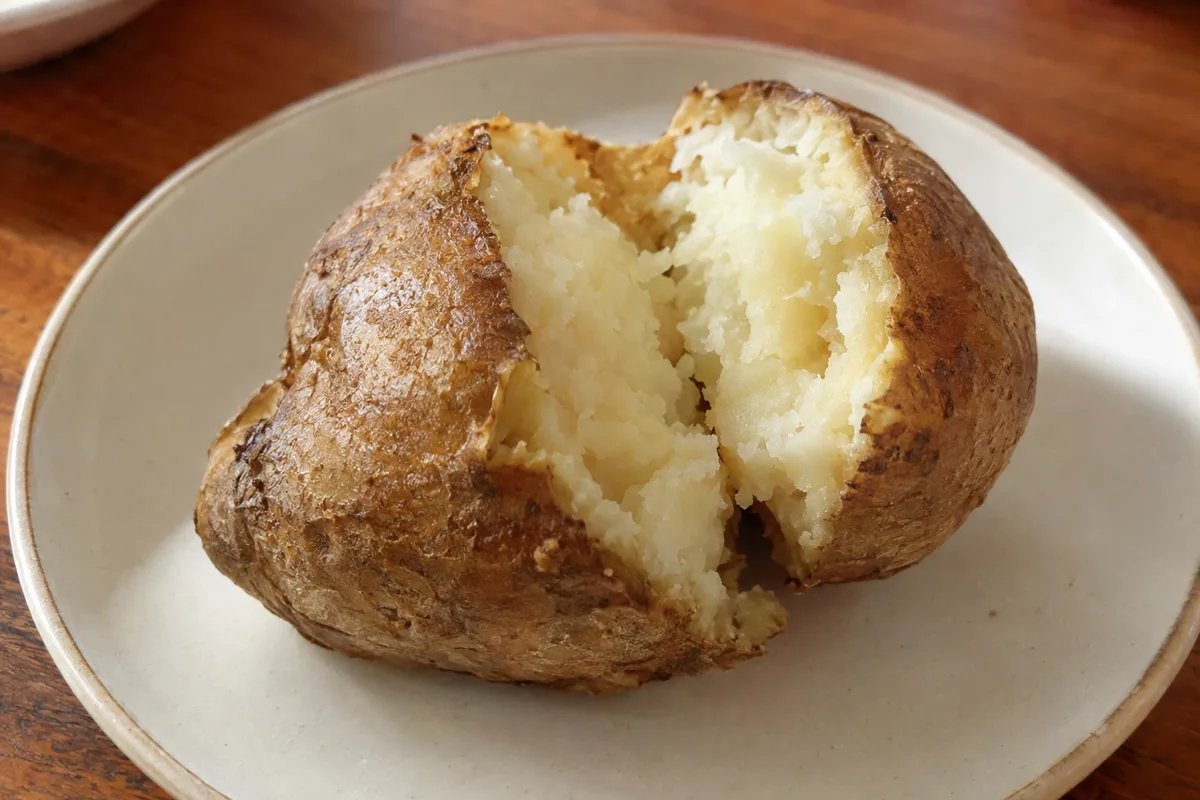
The size of the potato matters, and its calorie content can vary accordingly. Weighing it and using the matching cooked or raw entry in your tracker will give you a more useful estimate than logging a generic serving.
Pay attention to what goes on top
A plain baked potato is different from one covered with generous amounts of butter, cheese or creamy sauce. These additions can increase the meal's calories quickly, so log each topping as well as the potato.
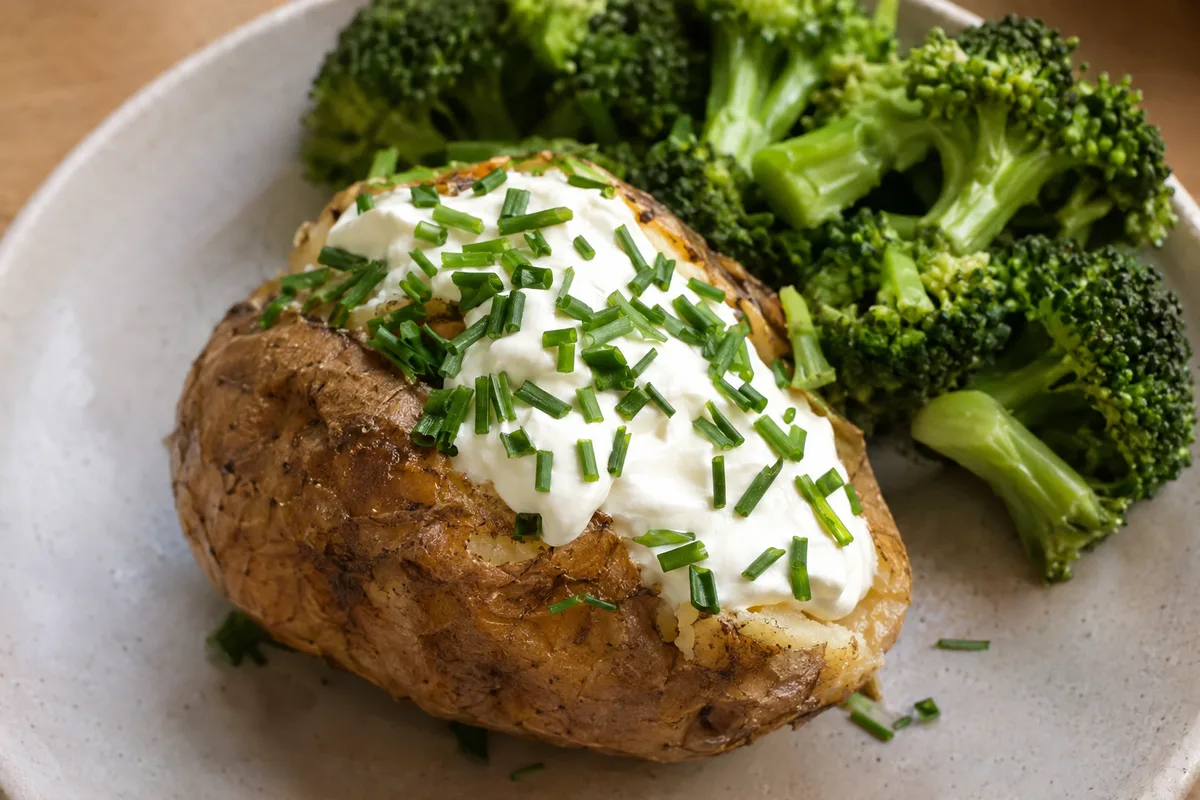
You do not have to eat it plain. Choose toppings you enjoy, measure them when practical and adjust the amounts to suit your daily target.
Build a meal that satisfies you
Potatoes provide carbohydrate, and eating the skin adds fibre. Pairing your potato with a source of protein and some vegetables can make the plate more balanced and may help it feel more filling.
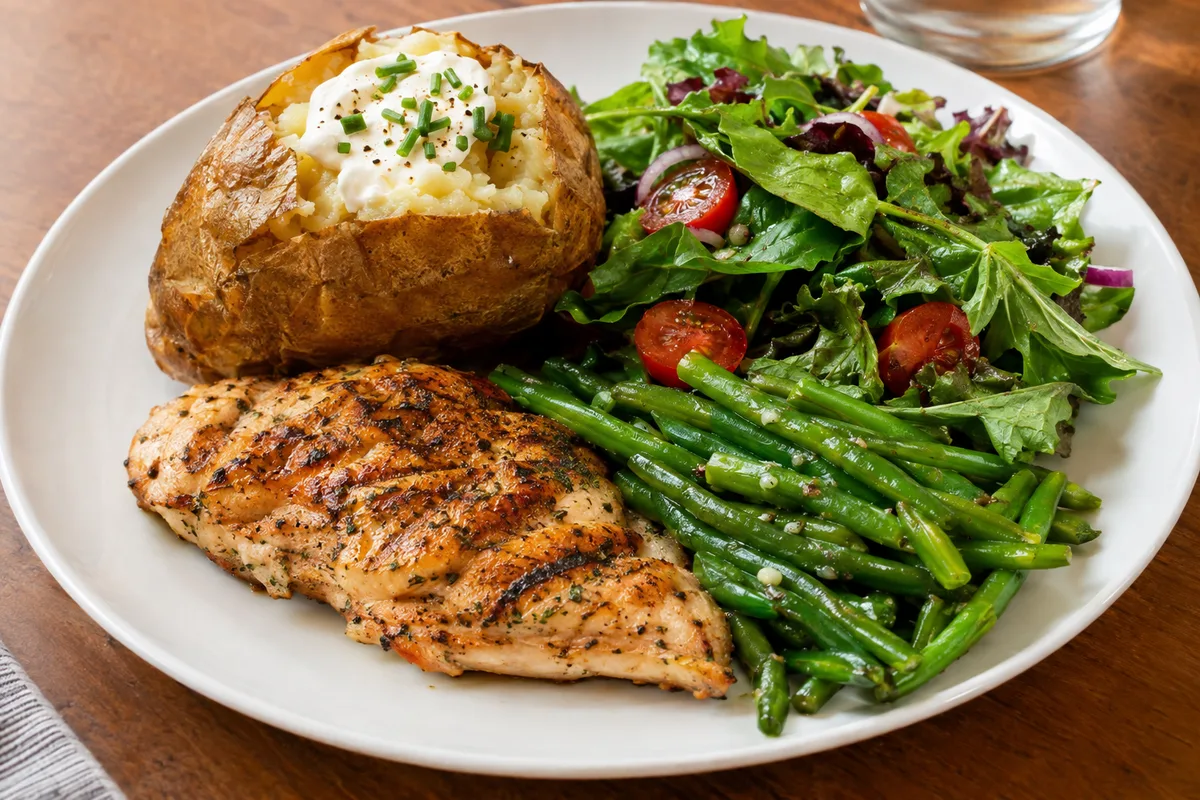
Hunger and satisfaction vary from person to person. Notice how long the meal keeps you comfortable, then use your tracking notes to adjust the potato, toppings or side portions next time.
Make the decision from your own data
If a baked potato helps you enjoy your meals while staying close to your calorie target, there is no need to remove it. If your usual version takes up more of your daily intake than you would like, try a smaller potato or lighter amounts of the most energy-dense toppings.
Look at your intake across days rather than judging one meal in isolation. Consistent portions, accurate logging and meals you can comfortably repeat are more useful than labelling a baked potato as either good or bad for weight loss.