
Possible signs you may not be getting enough protein
Protein supports muscles, skin, hair, recovery and many everyday processes in the body. This guide explains possible signs of a shortfall, why they are not proof on their own, and what to look for in your food diary.
What protein deficiency means
Protein is made from smaller building blocks that the body uses to maintain and repair tissues. It also helps make substances involved in many everyday body processes. A protein deficiency occurs when the body consistently receives less protein than it needs.

Protein needs differ according to body size, age, activity, life stage and personal circumstances. A single low-protein meal or day does not necessarily mean you are deficient. The wider pattern across your food diary is more useful than one isolated entry.
Possible signs of a shortfall can have many explanations, so they cannot confirm the cause by themselves. If a change is persistent, worsening or concerning, discuss it with a qualified healthcare professional rather than relying only on an app or checklist.
Changes in strength, recovery and energy
Protein provides materials needed to maintain muscle tissue. If intake stays too low, you may notice that usual physical tasks feel harder or that your strength seems to be slipping. Recovery after activity may also feel slower than expected.
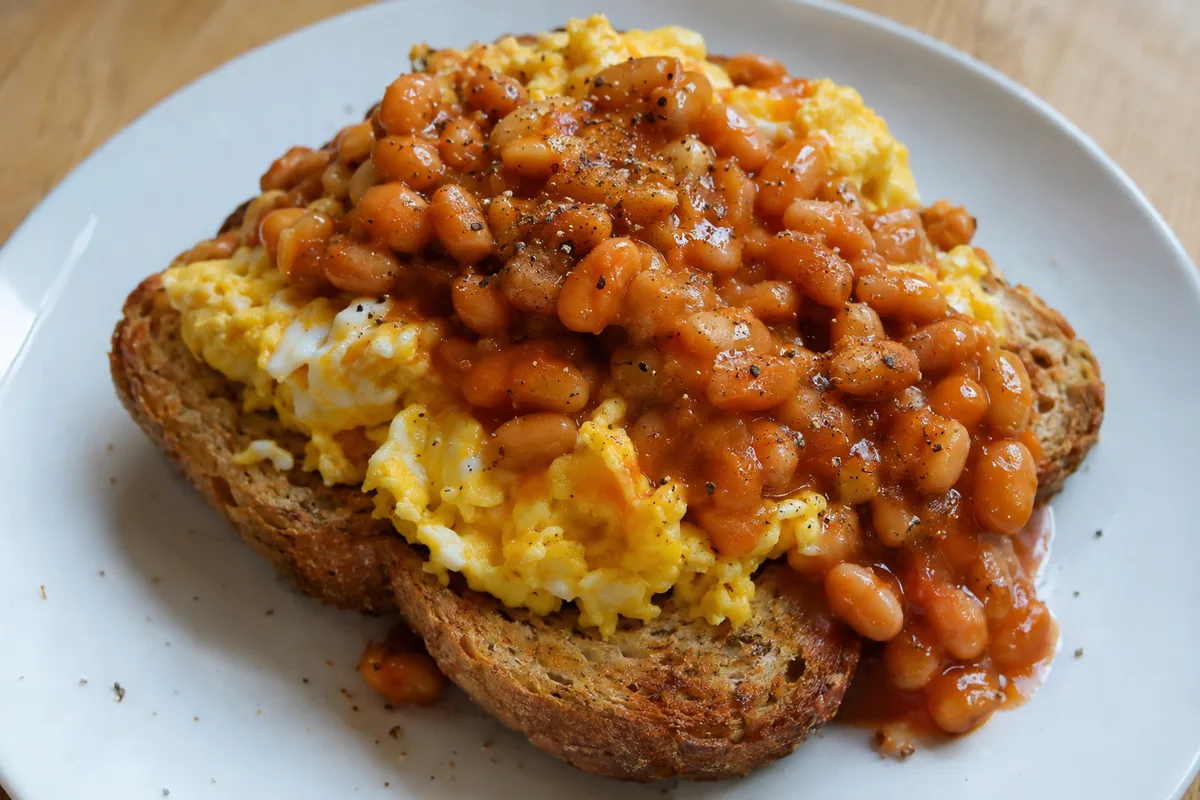
Low energy can occur alongside a low protein intake, particularly when the overall amount of food is also too low. However, tiredness is a broad sign with many possible causes. Check whether your record shows balanced meals and enough food overall, rather than focusing on protein alone.
- Everyday lifting or carrying feels more difficult than usual
- Your normal movement or training takes longer to recover from
- You feel less able to complete familiar activities
- Meals leave you low in energy soon afterwards
Hair, skin and nail changes
Hair, skin and nails all contain protein-based structures. When protein intake is consistently inadequate, changes in these areas may become noticeable over time. You might see more hair shedding, fragile nails or skin that seems slower to recover from ordinary wear.
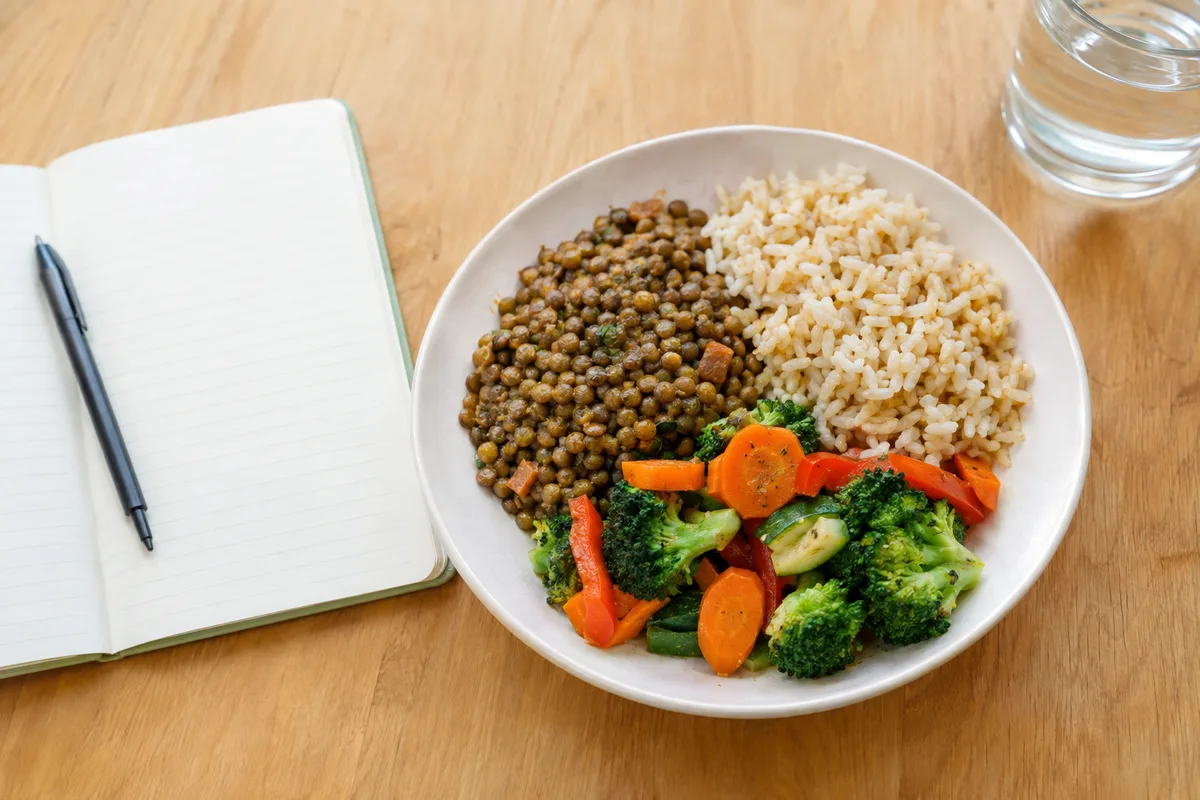
These changes are not specific to protein intake. Food variety, total energy intake, stress, personal care and other factors may also play a part. Review the overall pattern in your diary before assuming that one nutrient is responsible.
- More hair shedding than is usual for you
- Nails that split or break more readily
- Skin that appears dry or less resilient
- Small everyday skin damage taking longer to settle
Hunger and difficulty feeling satisfied
Protein can help make a meal feel satisfying. If meals contain very little of it, you may become hungry again sooner or find yourself repeatedly looking for snacks. This is not proof of deficiency, but it can point to meals that need a better balance.
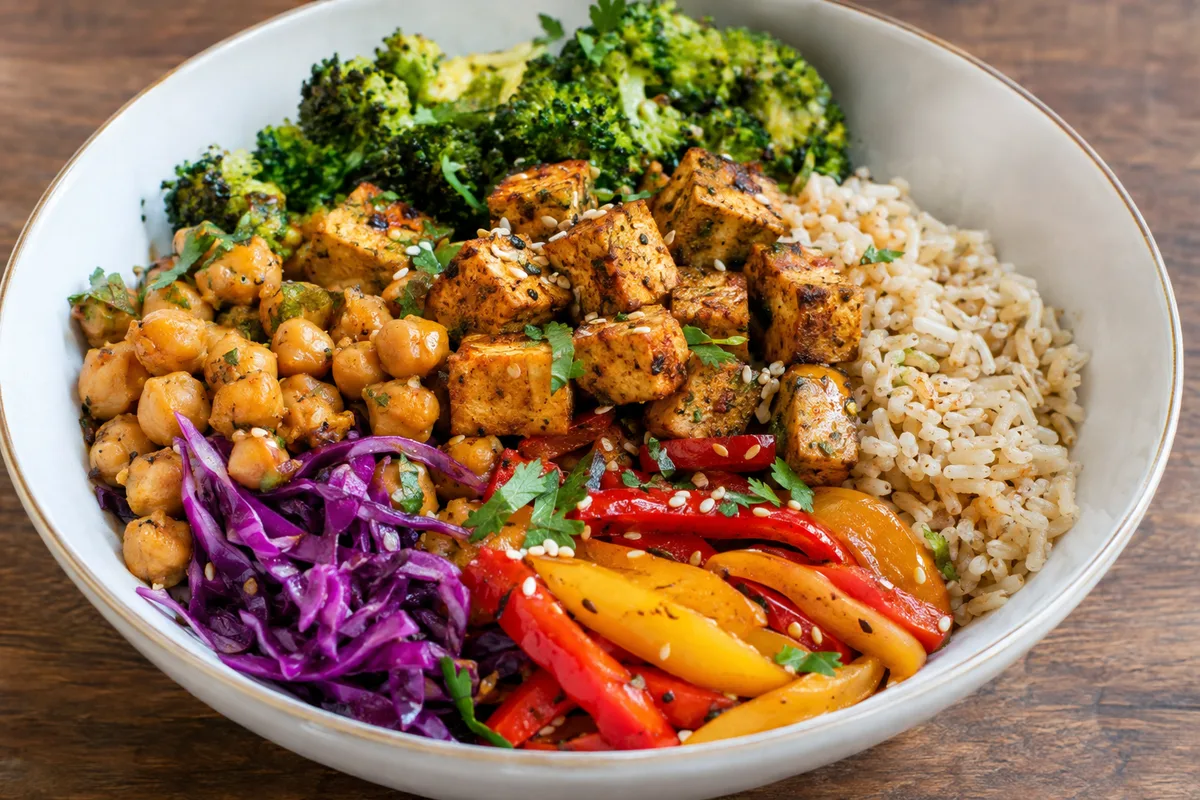
Look at what accompanies the carbohydrate foods in your log. Toast, cereal, rice, pasta or fruit can form part of a balanced meal, but they may be more satisfying when paired with a protein source and some fibre-rich food. The most suitable portion depends on the person and the rest of the meal.
- Add eggs or beans alongside toast
- Pair fruit with yoghurt or a handful of nuts
- Include lentils, fish, tofu, poultry or beans with rice
- Add chickpeas, cheese, eggs or seeds to a salad
Checking your food diary for a shortfall
Start by reviewing several ordinary days rather than choosing your best or worst day. Mark each meal and snack that contains a recognisable protein source. This makes gaps easier to spot without immediately changing your target.
Pay attention to portions as well as the name of the food. A small garnish of seeds or a splash of milk contributes some protein, but it may not play the same role as a main protein food. Use food labels or reliable database entries where available, as recipes and serving sizes vary.
Also check whether restrictive rules, low appetite or skipped meals are reducing your total food intake. Protein can be difficult to meet when there is simply not enough food across the day. If you are unsure what target suits you, ask a qualified professional for personalised guidance.
- Review a run of typical days
- Highlight the main protein source in each meal
- Check logged portions and recipe ingredients
- Notice repeated meal gaps or skipped meals
- Consider total food intake as well as protein
Building a steadier protein pattern
A practical approach is to include a clear protein source in meals across the day. This may be easier than trying to make up most of your intake in one sitting. Choose foods that fit your preferences, eating pattern and budget.
Animal and plant foods can both contribute protein. Variety also brings different vitamins, minerals, fats and types of fibre. If you avoid several food groups, take extra care to log alternatives accurately and seek tailored advice when needed.
Make changes gradually and keep observing your diary, appetite, strength and recovery. Persistent physical changes deserve proper assessment because food records cannot identify every possible cause. Avoid treating a list of signs as a diagnosis.
- Eggs, yoghurt, milk, cheese, fish, poultry or lean meat
- Beans, lentils, chickpeas, peas or soya foods
- Tofu, tempeh or other protein-rich plant foods
- Nuts and seeds as additions to meals and snacks
- A mix of protein, vegetables or fruit, and a carbohydrate food