
The Special K Diet: what it means for your food diary
The Special K Diet replaces some everyday meals with measured servings of cereal, usually alongside milk. This guide explains how the approach works, what your food log can reveal and how to build more balanced meals.
What the Special K Diet involves
The Special K Diet is a branded meal-replacement plan built around Special K cereal. The usual idea is to replace breakfast and another main meal with a measured bowl of cereal and milk, then eat a conventional third meal. Snacks and drinks also count towards the day's intake, even when the plan gives them less attention.
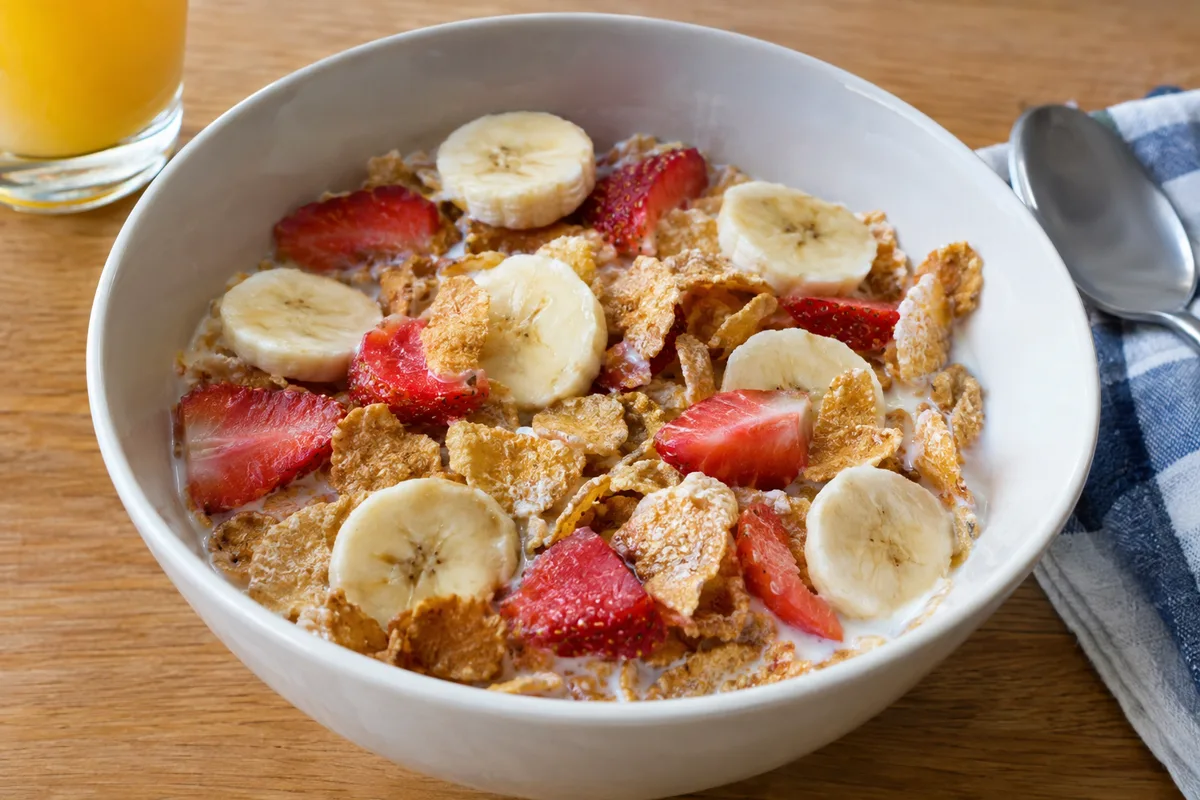
It is not a special type of metabolism or a unique way of burning energy. If it leads to a lower energy intake than your body uses, body weight may fall over time. The result depends on the serving sizes, type of milk, other foods, drinks, activity and the individual.
- Log the cereal by its measured weight, not by how full the bowl looks
- Record the type and amount of milk or alternative used
- Include toppings such as fruit, seeds or yoghurt
- Track snacks, drinks and the conventional meal as usual
Why the plan can look simple
Repeating the same meal removes some decisions and makes portions easier to reproduce. A measured bowl may also contain less energy than the meal it replaces, particularly if the previous meal was large or included several extras. That difference is not guaranteed, so your own diary matters more than the name of the plan.
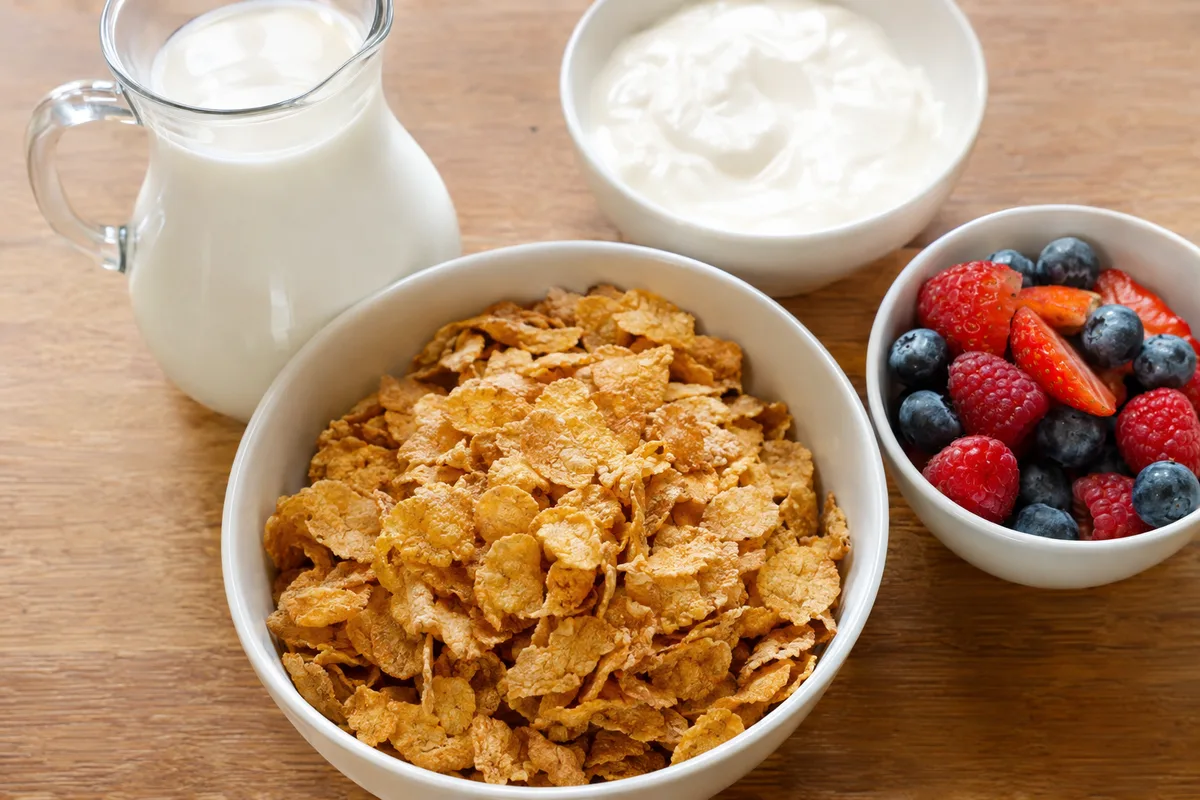
Simplicity can help for a short period, but it can also hide gaps. Cereal and milk do not automatically provide the same mix of protein, fibre, fats and vegetables as a varied meal. Hunger may also return quickly if the serving is small or the meal is not satisfying.
- Compare the replacement bowl with the meal you normally log
- Check whether the bowl keeps you satisfied until the next planned meal
- Notice whether evening portions or snacks increase
- Review the whole day rather than judging one meal alone
What to check on the cereal label
Different Special K varieties have different ingredients and nutrition information. Some contain more added sweet ingredients, dried fruit or flavourings, while others may provide more fibre. Use the figures for the exact variety and serving you actually eat.

The serving shown on the packet may not match the amount poured at home. Weighing it once or twice can show how your usual bowl compares, after which you may be able to use the same bowl and level for consistency. Milk, yoghurt, fruit and other toppings should remain separate entries in your food diary.
- Energy per stated serving and per 100 grams
- Protein and fibre
- Sugars and saturated fat
- The listed serving size
- Added vitamins and minerals
The main nutritional limitations
Replacing two meals with similar cereal bowls reduces variety. Even when a cereal has added vitamins and minerals, that does not make it nutritionally identical to meals containing vegetables, beans, eggs, fish, meat, nuts or whole grains. Fortification adds selected nutrients, whereas whole meals bring different foods and textures together.
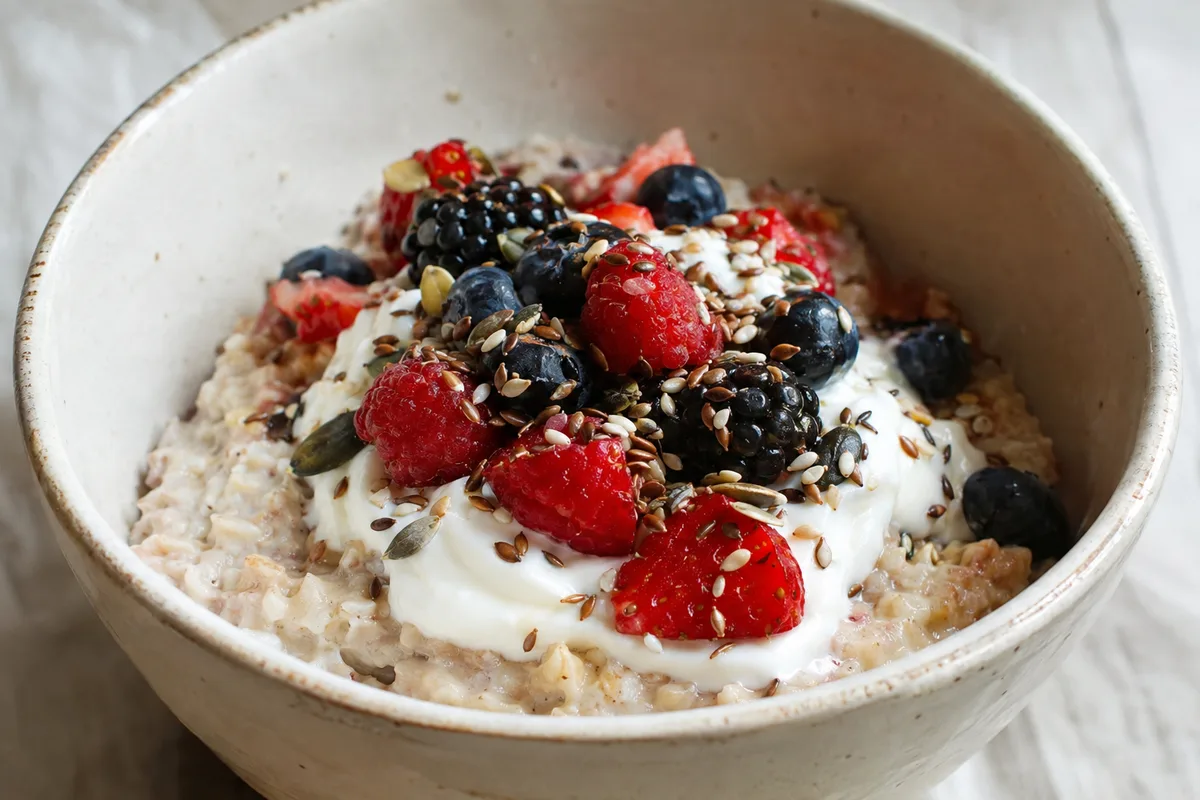
Protein and fibre are especially useful to review because they can affect how filling a meal feels. Fat should not be removed completely, as foods such as nuts, seeds, olive oil and avocado contribute useful nutrients and flavour. Your conventional meal may have to carry too much of the day's variety if both other meals are nearly identical.
- Include a clear protein source in the conventional meal
- Add vegetables in more than one colour
- Choose a fibre-rich carbohydrate where it suits the meal
- Include a modest portion of an unsaturated fat source
- Vary fruit rather than relying on one topping every day
How to assess it in your food diary
Start with a few days that reflect your normal eating, then compare them with days using the cereal plan. Look beyond the daily energy total and review meal timing, hunger, protein, fibre, fruit, vegetables and snacks. A lower logged total is less useful if it comes with strong hunger and repeated unplanned eating.
Also check whether the plan fits ordinary life. Meals need to work around travel, shared dinners, work and weekends rather than only on highly controlled days. If the pattern feels difficult to maintain, that is useful information rather than a failure of willpower.
- Compare average intake across several typical days
- Mark when hunger appears between meals
- Note any foods eaten but not measured
- Check whether the final meal becomes unusually large
- Review variety across the week
A more flexible way to use the same idea
You do not need to follow a branded diet to make breakfast or lunch predictable. A repeatable meal can include a measured cereal portion, but it can also be porridge, yoghurt and fruit, eggs on wholegrain toast, or beans with vegetables. The useful part is having a meal that is easy to log and satisfying enough for your routine.
If you choose cereal, treat it as one meal option rather than expecting it to organise the entire day. Pairing it with a suitable protein source and fruit can make the meal more substantial, while other meals can provide vegetables and wider variety. The right portions depend on your appetite, overall intake, activity and personal needs.
- Cereal with milk or yoghurt and fresh fruit
- Porridge with yoghurt, berries and seeds
- Eggs with wholegrain toast and tomatoes
- Beans with wholegrain toast and vegetables