
How long does it take to lose 10 to 15 pounds?
There is no single timetable for losing 10 to 15 pounds because the pace depends on your starting point, habits and daily routine. This guide explains how to form a realistic estimate, track progress and make measured adjustments.
Why the target alone cannot give you a date
Knowing that you want to lose 10 or 15 pounds is not enough to predict how long it will take. Your energy needs, starting weight, food choices, activity, sleep and daily routine all affect the pace. Two people aiming for the same change can therefore follow very different timelines.
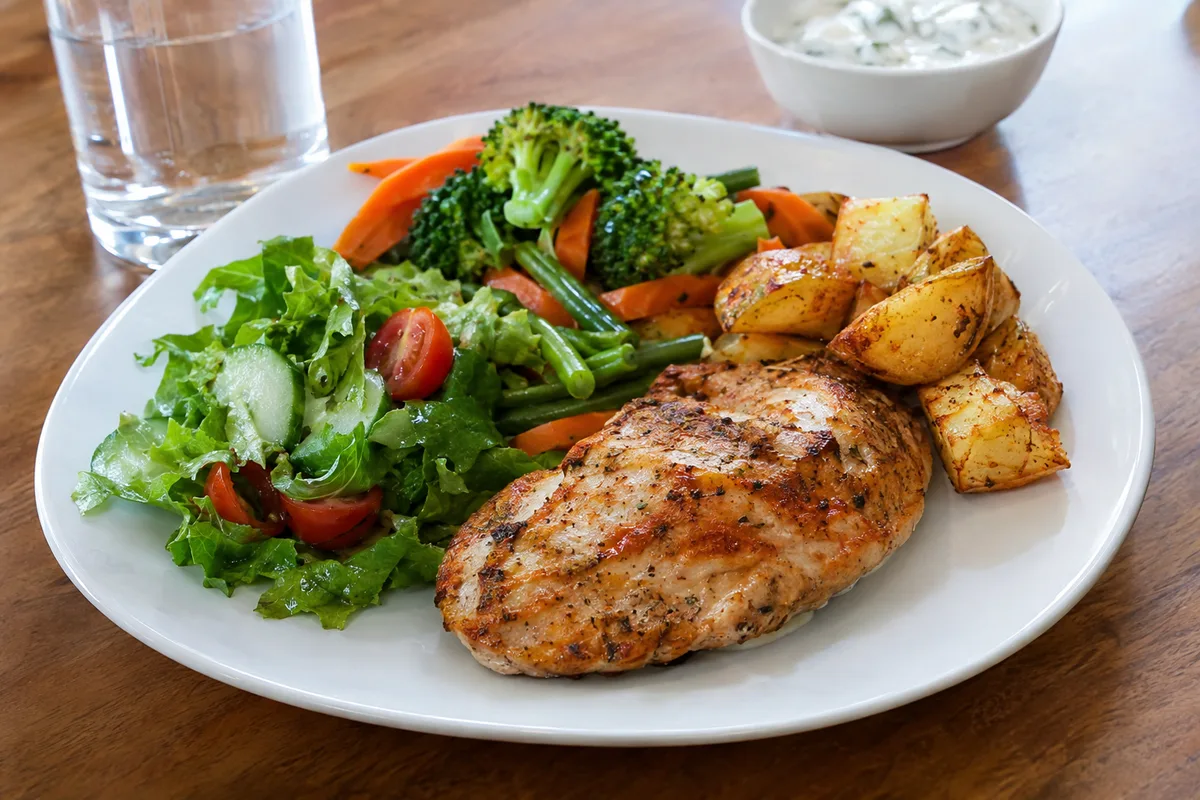
Weight loss also tends not to happen in a straight line. Body weight can move up or down as the amount of water, food and waste in your body changes. A short pause or rise does not automatically mean that your overall approach has stopped working.
- Your usual food and drink intake
- How active you are during work and leisure
- How consistently you follow your planned routine
- Changes in sleep, travel and social meals
- Normal day-to-day shifts in body water
Start with your current tracking record
Because you already track what you eat, your own record is the best place to begin. Look at several typical weeks rather than choosing your most disciplined few days. Include weekends, drinks, cooking fats, sauces and small tastes so the record reflects your real routine.

Compare that record with your weight trend over the same period. If your average weight is gradually falling, the time needed to reach your target can be estimated from your own recent pace. Treat this as a working estimate rather than a deadline, because the pace may change.
- Use complete days rather than isolated meals
- Check that portions are recorded in a consistent way
- Include extras that are easy to overlook
- Compare similar stretches of time
- Update your estimate as new information appears
Use trends instead of single weigh-ins
One weigh-in gives you a snapshot, not the full direction of travel. A salty meal, a later dinner or a change in routine can affect the next reading without representing a lasting change in body fat. Looking across repeated readings makes the underlying trend easier to see.

Keep the weighing conditions as consistent as practical, then focus on the general direction over time. Avoid rewriting your food plan because of one unexpected number. Wait for enough information to tell whether the change is a brief fluctuation or a genuine pattern.
- Measure under similar conditions
- Record readings without judging each one
- Review the overall direction regularly
- Note unusual meals, travel or routine changes
- Make decisions from a pattern, not one result
Create a manageable energy gap
Body weight tends to fall when your body uses more energy than you take in over time. The gap does not need to come from removing entire food groups or making every meal as small as possible. It can come from several modest changes that are easier to repeat.
Start by looking for foods and drinks that add substantial energy without being especially filling for you. You might reduce a portion, have them less often or swap them for an option that suits your appetite better. Keep protein-rich foods, fibre-rich carbohydrates, fruit and vegetables in the picture so meals still feel like meals.
- Use a little less cooking oil or rich sauce
- Choose water or a lower-energy drink more often
- Serve a smaller portion of highly energy-dense extras
- Add vegetables or salad to make a meal more substantial
- Include a clear source of protein in main meals
Let activity support the plan
Movement increases the energy you use and can make a food-based plan more flexible. It does not have to mean a demanding exercise programme. Walking, cycling, active travel, household tasks and planned sessions can all contribute.
Choose activity that fits your present routine and that you can repeat. Adding too much at once can leave you tired or unusually hungry, which may make food tracking harder to follow. Record activity consistently, but be cautious about treating an estimated energy burn as permission to replace all of it with extra food.
- Add a regular walk to part of your day
- Break up long periods of sitting
- Use active travel when it is practical
- Keep planned movement simple enough to repeat
- Notice whether activity changes your hunger
Review, adjust and avoid a rigid deadline
After following your plan consistently, compare your newer weight trend with the earlier one. If the trend is moving down, you can use that personal pace to refresh your estimate for losing 10 or 15 pounds. If it is flat, first check the completeness of your records and whether your routine changed.
Make one or two modest adjustments rather than changing everything together. This helps you understand what is making a difference and whether the new routine remains manageable. As your body weight and habits change, your timeline may need to change too.
The useful question is not whether you can hit an exact date at any cost. It is whether your current approach is producing a gradual trend while still allowing regular meals, ordinary social occasions and enough energy for daily life. A flexible estimate is more useful than a deadline based only on the number of pounds you want to lose.
- Review the trend over a meaningful stretch of time
- Check tracking accuracy before cutting food further
- Change one or two parts of the routine
- Keep meals satisfying and practical
- Revise the target date when the evidence changes