
How Long Does It Take to Burn 500 Calories?
There is no single amount of time that applies to everyone or every activity. This guide explains what changes the estimate, how to calculate your own time and how to use the result in your food log.
Why there is no single answer
Burning 500 calories could take a relatively short period of hard exercise or a much longer period of gentle movement. The exact time depends on how much energy your body uses each minute. That rate is different for each person and can change from one session to the next.
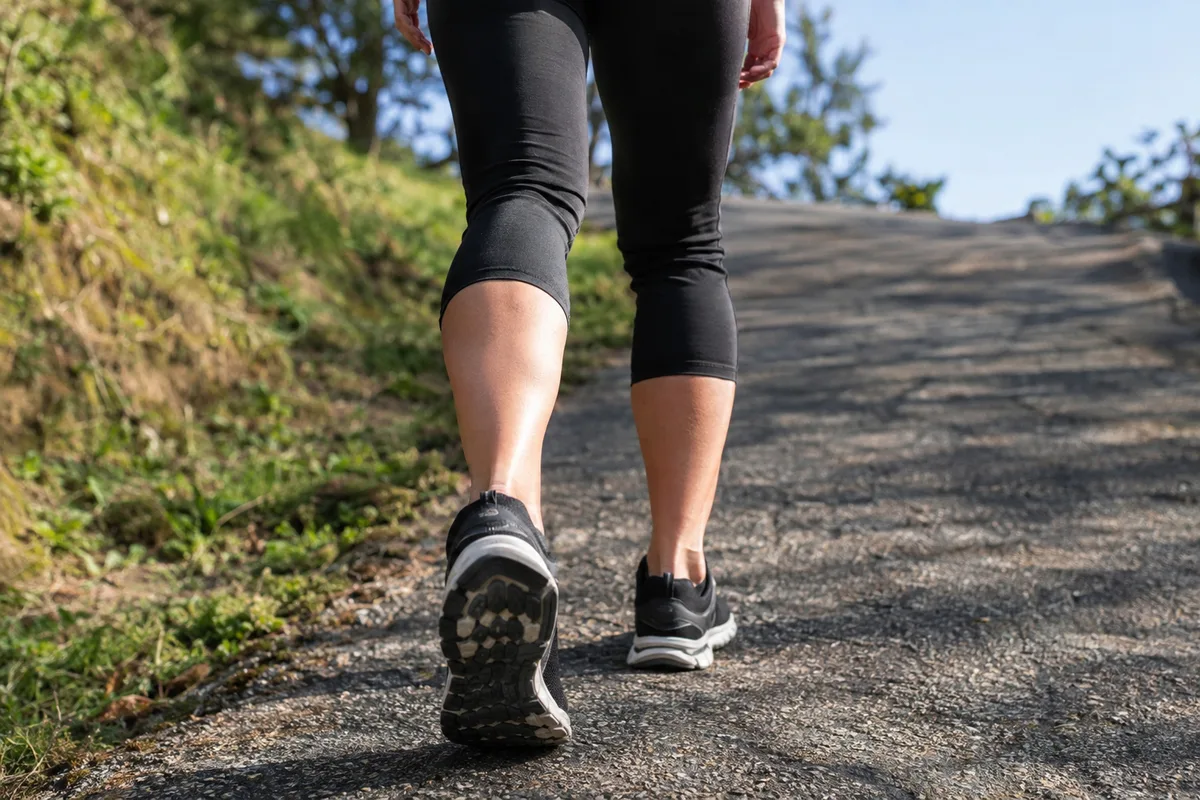
Exercise calorie figures are estimates rather than direct measurements. A brisk walk, for example, may feel easy on a flat path but demanding on a steep hill. The more effort the movement requires, the faster the estimated total usually rises.
- The type of movement
- How hard you work
- How long you keep moving
- Your body size and movement efficiency
What affects how quickly you use energy
Body size is one factor because moving a larger body generally requires more energy. Pace and resistance also matter, whether that resistance comes from a hill, water, a higher cycling setting or the weight of something you are carrying. Fitness can change how comfortably you maintain a particular pace, but comfort and calorie use are not the same thing.
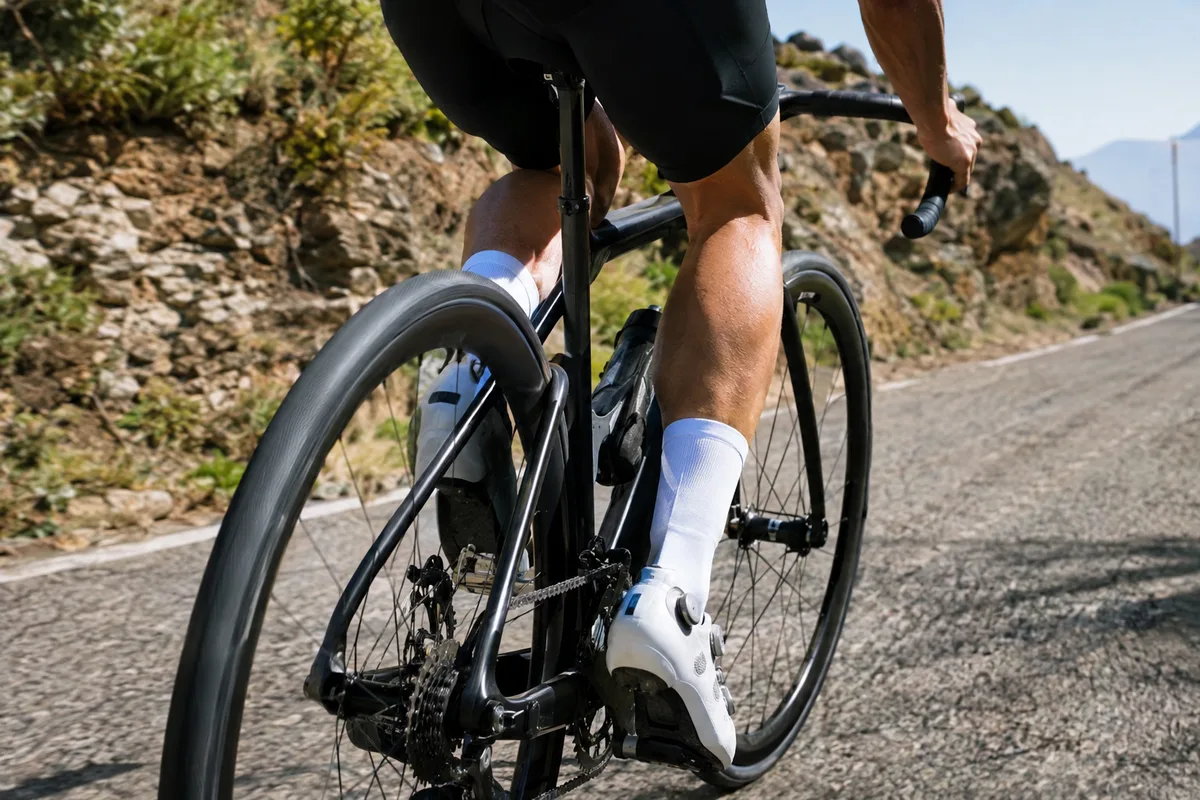
Conditions can alter the effort too. Walking into a strong wind, climbing uneven ground or swimming against a current may demand more work than the same movement in easier conditions. Breaks and slower sections reduce the average energy used per minute across the whole session.
- Your pace or level of effort
- Hills, resistance and terrain
- Rest periods during the session
- Weather and surrounding conditions
- How efficiently you perform the movement
How different activities compare
Running generally uses energy faster than walking because it is a more demanding movement. Cycling can range from gentle to strenuous depending on speed, resistance and terrain. Swimming, rowing, dancing and circuit-style exercise also vary widely according to technique and intensity.
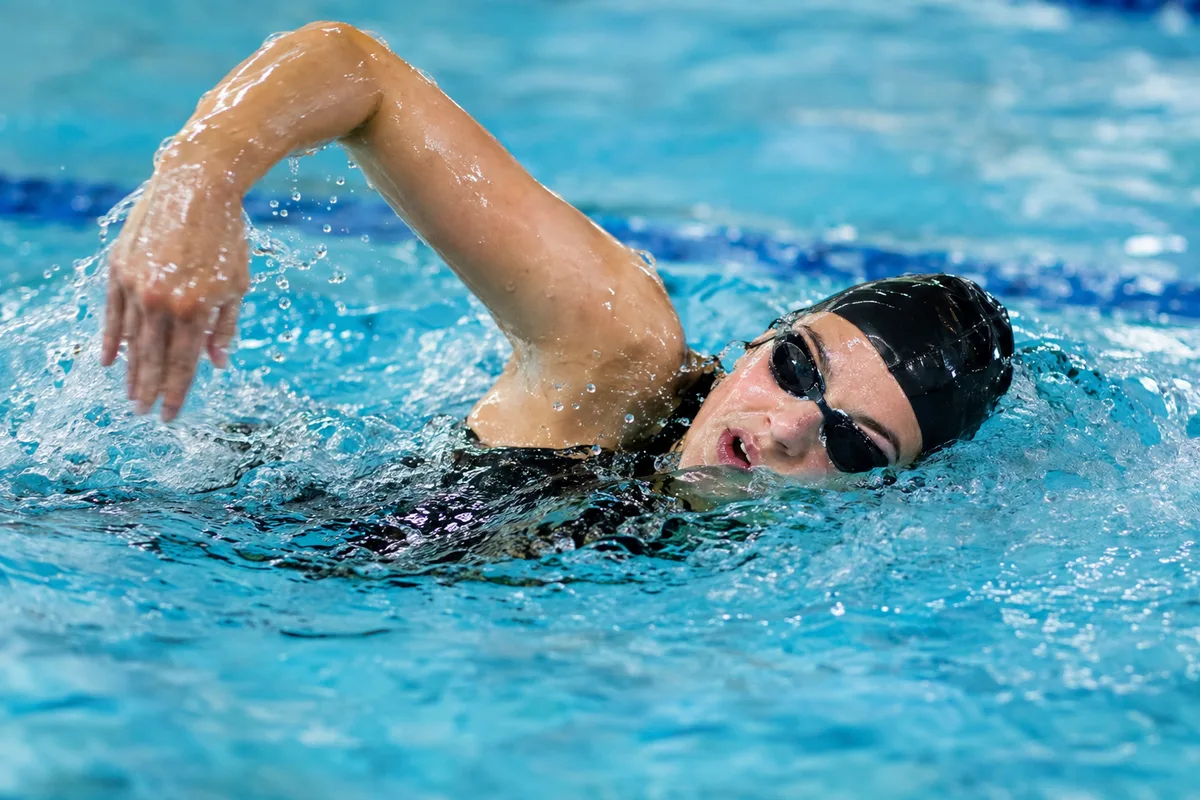
The activity name alone is not enough to give an accurate time. A relaxed cycle and a hard uphill ride should not be treated as equivalent, even though both are cycling. For a useful comparison, look at the estimated calories per minute for the actual pace or effort you can sustain.
- Lower effort: casual walking, light household tasks or easy cycling
- Moderate effort: brisk walking, steady swimming or continuous dancing
- Higher effort: running, fast rowing or hard uphill cycling
- Mixed effort: sports, interval sessions or active gardening with frequent changes of pace
How to calculate your personal estimate
Start with the calorie estimate for an activity at your usual effort. Divide 500 by the estimated calories used per minute to get an approximate number of minutes. If your source gives calories per hour, divide 500 by that hourly figure and express the result as part of an hour.
Check whether your tracker reports active calories or total calories. Active calories aim to show the energy used above your normal resting needs, while total calories include the energy your body would have used during that time anyway. Using the same measure each time makes comparisons more consistent.
- Choose the activity and a realistic intensity
- Find its estimated calories per minute or per hour
- Divide 500 by that rate
- Treat the result as a guide rather than an exact finish time
Using the estimate with your food log
Exercise estimates and food entries both contain some uncertainty. Portions, recipes, cooking methods and food labels can change the logged intake, while exercise calculations rely on general formulas and personal details. Matching a food total and an activity total perfectly on screen does not mean they cancel each other out exactly.
Avoid changing your food plan automatically because one session shows a particular calorie figure. Your appetite, usual activity and overall eating pattern matter as well. It is often more useful to review patterns across several days than to focus on a single workout entry.
- Log similar activities in a consistent way
- Keep active and total calorie figures separate
- Record breaks when your tracking method allows it
- Review longer-term patterns rather than one isolated number
A practical way to approach the target
You do not have to complete the estimated 500 calories in one continuous session. Movement can be split across the day if that suits your routine better, although each part will still be an estimate. Walking, cycling, swimming and everyday physical tasks can all contribute to the total.
Choose an activity and pace you can perform with steady form rather than forcing a number as quickly as possible. Increase time or intensity gradually when it feels manageable. The most useful estimate is one based on movement you can repeat consistently, not the highest figure displayed after a single session.
- Pick a movement that fits your current routine
- Use a pace you can maintain steadily
- Count separate periods of movement if needed
- Compare sessions using the same tracking method
- Let the required time depend on your own recorded rate