
How to Choose a Good Budget Massage Gun
A budget massage gun can provide a convenient way to massage tired muscles, but the lowest cost option is not automatically the best value. This guide explains which features matter, what you can ignore and how to use one sensibly alongside training and food tracking.
What a massage gun actually does
A massage gun moves an attachment rapidly against the body, creating repeated pressure on the area beneath it. This can feel relaxing after activity or help you focus on a tight-feeling muscle. It does not replace rest, balanced meals or a sensible training plan.
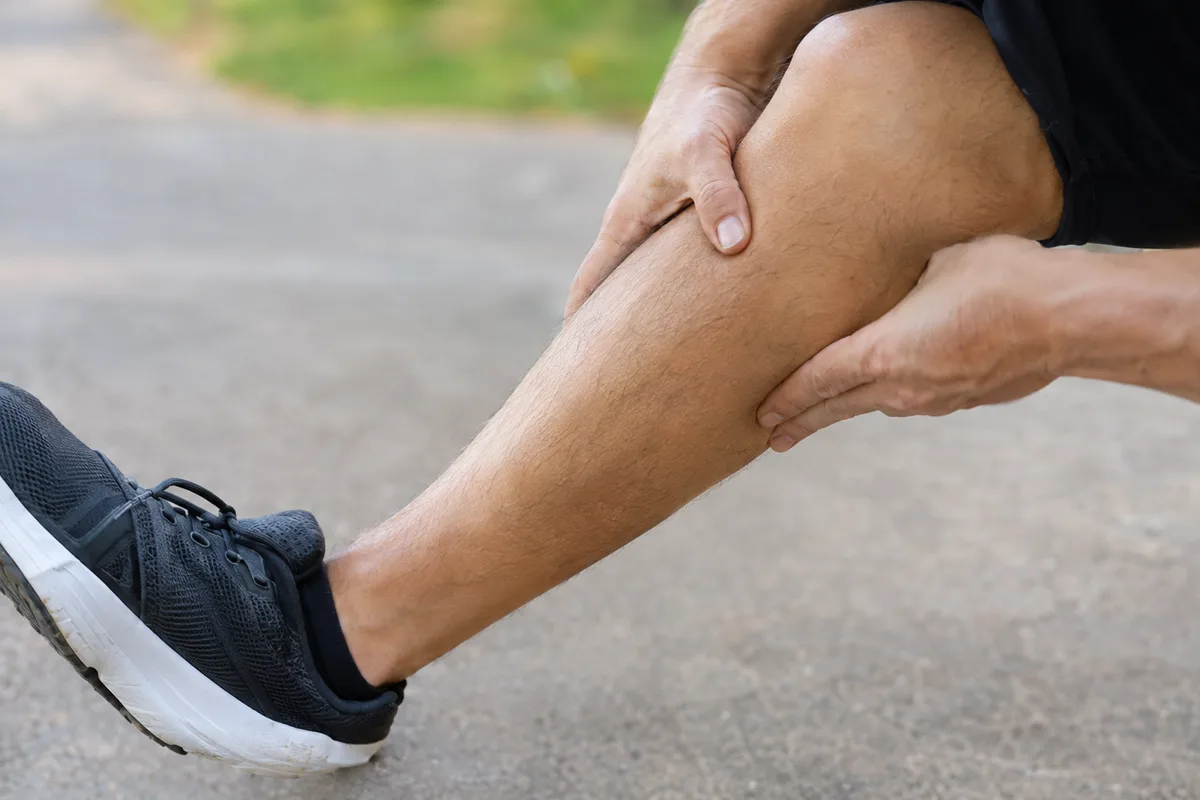
The feeling varies with the attachment, speed, pressure and part of the body. A gentle setting may be enough for a sensitive area, while larger muscles may feel comfortable with firmer pressure. More force is not automatically more useful, so comfort should guide you.
- Use broad attachments over larger muscle areas
- Begin with the lowest speed
- Keep the head moving rather than holding it in one place
- Stop if the sensation becomes sharp, numb or unpleasant
Prioritise useful controls over impressive claims
A good budget model should be simple to control while you are holding it. Clearly separated speed settings are more useful than a long list of modes that feel almost identical. The controls should also be easy to reach without changing your grip.
Motor strength is often described with technical terms, but specifications do not always show how a device will feel in use. Look for steady movement when light pressure is applied rather than chasing the largest number on the box. An automatic shut-off can also help keep sessions brief and straightforward.
- Several clearly distinct speed settings
- Controls that can be reached with one hand
- Steady operation under light pressure
- A simple battery indicator
- Automatic shut-off
Check the weight, handle and noise
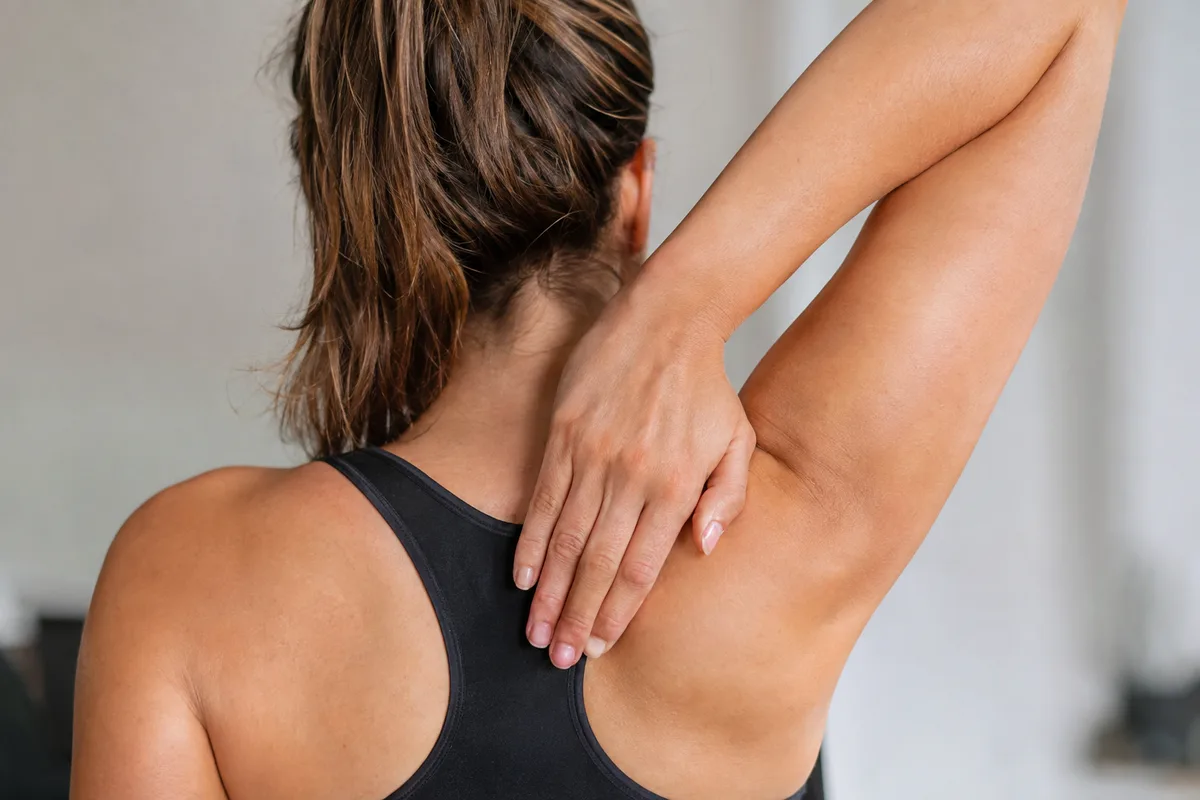
A massage gun becomes awkward if your hand and forearm tire before you finish. A lighter body and a handle that suits your hand can matter more than extra settings. If possible, consider whether you could comfortably hold it behind your shoulder or against the back of your leg.
Noise matters if you expect to use the device while watching television or sharing a room. Product descriptions may call a model quiet without explaining what that means, so independent user feedback can be more revealing. Comments about rattling, changing motor sounds or vibration through the handle are particularly useful.
- A handle wide enough for a relaxed grip
- A weight you can hold without straining
- Low vibration through the hand
- A motor sound that remains even during use
Choose attachments you will genuinely use
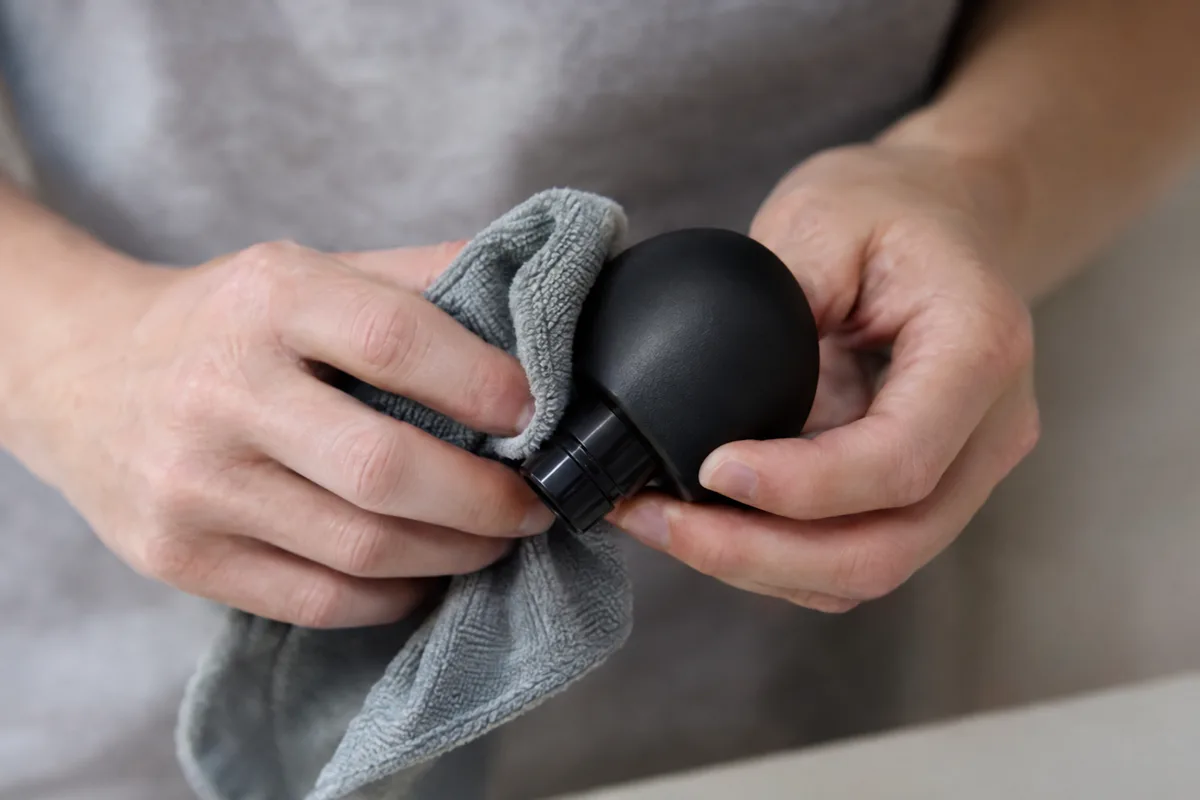
A large attachment bundle can make a budget model look generous, but many heads serve similar purposes. A soft round head is a versatile starting point for larger muscle areas. A flatter head can spread pressure, while a smaller head creates a more concentrated sensation.
Firm, pointed attachments require particular care because pressure is focused into a small area. Avoid using a massage gun over the front or sides of the neck, the head, the spine, joints, bony areas, broken skin or any place that is swollen or unusually tender. If you are unsure whether massage is appropriate for you, seek advice from a suitably qualified professional.
- Soft round head for general use
- Flat head for broader contact
- Small head for focused pressure on suitable muscle areas
- A secure fitting that does not loosen during use
Judge value by durability and support
The best budget choice is one that keeps working, not simply the one with the longest feature list. Examine comments about the charging connection, attachment fittings, motor consistency and casing. Repeated reports of loosening parts or rapidly declining battery performance are useful warning signs.
Check what support is offered if the device arrives faulty or stops working. Clear instructions, accessible contact details and a straightforward guarantee can make a modest model better value. Replacement attachments or charging leads should also be identifiable, even if you never need them.
- Clear guarantee terms
- Readable operating and safety instructions
- Secure attachment fittings
- A robust charging connection
- Contact details for support
Fit massage into the rest of your routine
Massage does not cancel out a demanding training session or make up for too little rest. Use it as one optional part of a routine that also includes sleep, comfortable movement and enough food and fluid for your needs. Your food log can help you notice whether busy training days are matched by regular meals, rather than treating massage as a shortcut.
Start gently and use the device for short periods while paying attention to how the area feels. Move it over the muscle instead of pressing hard or forcing it onto a tender spot. Stop using it if discomfort increases, and do not continue simply because a programme has time remaining.
- Begin on the lowest comfortable setting
- Relax the muscle being massaged
- Use light pressure and keep the device moving
- Leave very sore or irritated areas alone
- Clean removable heads according to the instructions