
Best budget bikes: how to choose the right one
The best affordable bike is one that fits your body, suits your usual journeys and leaves room for essential equipment. This guide explains which type to choose, what features matter and how to assess a bike before committing.
Start with the journeys you actually make
A bike that looks impressive may be awkward for your normal route. Think about where you will ride most often, how far you tend to go and whether you need to carry anything. A straightforward design suited to those journeys will usually be more useful than extra features you rarely need.
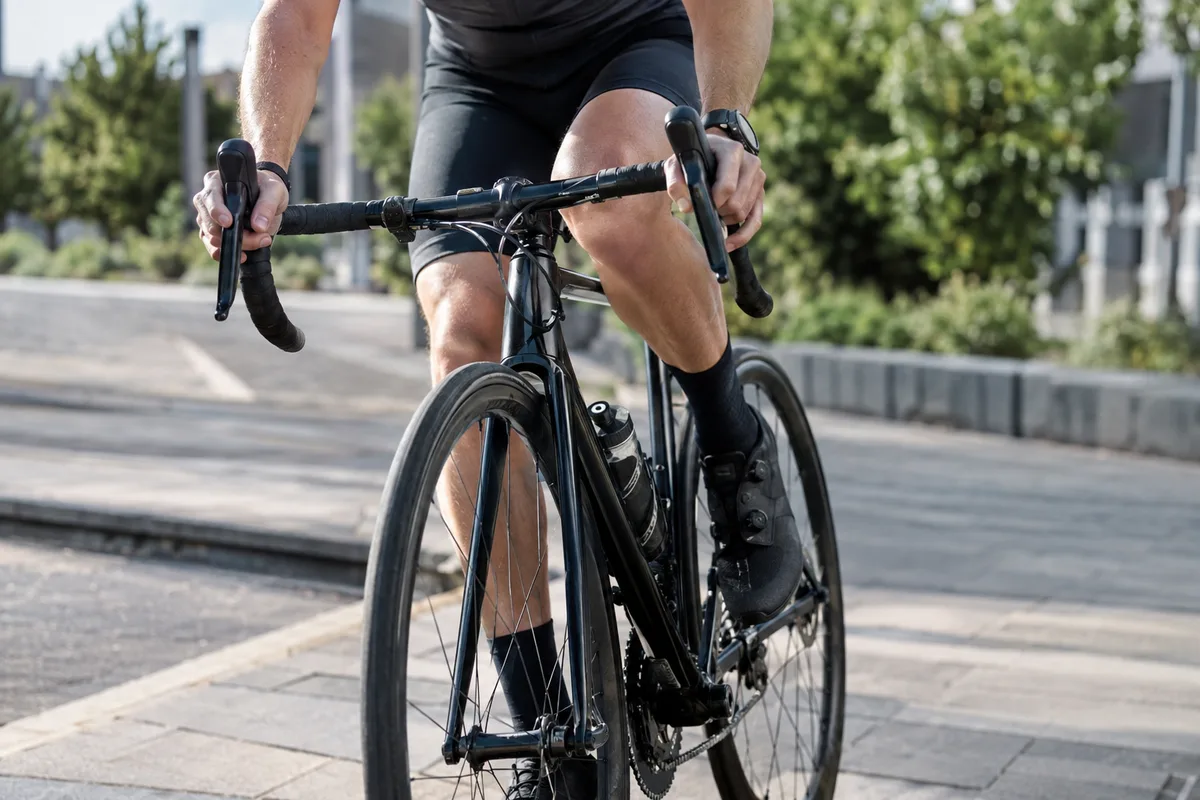
Road surface matters as much as distance. Smooth streets favour efficient tyres, while rough paths call for wider tyres and stronger wheels. If your routes include both, a hybrid is often the most practical middle ground.
- City streets and short commutes: a hybrid or simple town bike
- Mostly paved roads and longer rides: a road-style or fitness bike
- Canal paths and uneven tracks: a hybrid with wider tyres
- Rough trails and loose ground: a basic mountain bike
- Mixed travel with limited storage: a folding bike
Choose the right type of bike
Hybrid bikes combine an upright position with moderately quick tyres. They are well suited to commuting, errands and relaxed weekend rides. Models without complex suspension are often lighter and simpler to maintain.
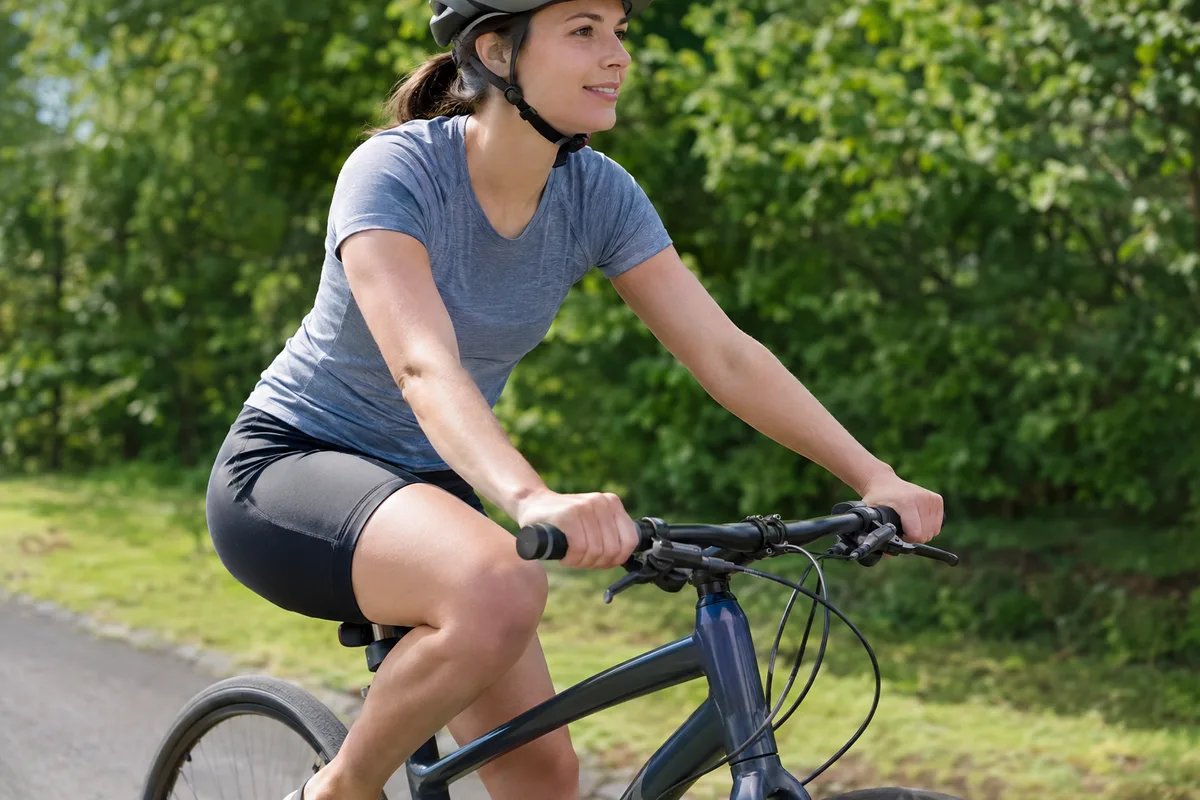
Road bikes place the rider in a more forward position and usually have narrow tyres. They can feel efficient over longer paved routes, but the riding position does not suit everyone. Entry-level fitness bikes offer similar speed with flat handlebars and a more familiar posture.
Mountain bikes provide grip and control on rough surfaces. On ordinary roads, heavy tyres and suspension can make them feel slower than a hybrid. Choose one when your regular route genuinely includes trails rather than for its rugged appearance alone.
- Hybrid: versatile and comfortable for mixed everyday riding
- Road bike: efficient on smooth, paved routes
- Fitness bike: road-focused with flat handlebars
- Mountain bike: designed for rough trails and loose surfaces
- Folding bike: useful when storage or transport space is restricted
Put fit before extra features
Correct fit affects comfort, steering and how easily you can pedal. Frame sizes are not identical across manufacturers, so a label alone is not enough. Check whether you can reach the handlebars naturally without locking your elbows or stretching your back.
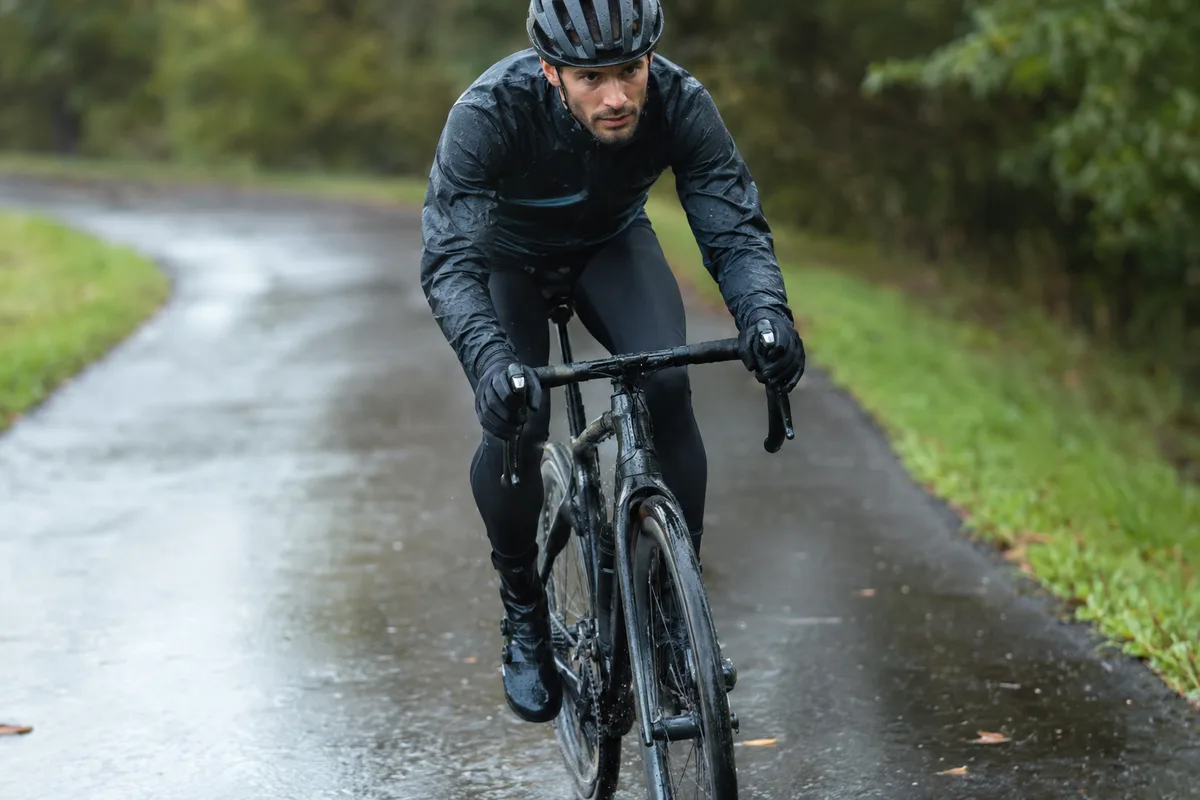
With the saddle adjusted, your knee should retain a slight bend when the pedal is at the bottom of its turn. You should also be able to stop and start with confidence. A short test ride can reveal discomfort that is not obvious while standing beside the bike.
- Confirm that the frame size suits your height and proportions
- Check that the saddle has enough adjustment range
- Reach the brakes without straining your hands
- Turn the handlebars without your knees getting in the way
- Ride through every gear and test both brakes
Focus on dependable components
A limited budget is best spent on a sound frame, straight wheels and reliable brakes. A large number of gears is not automatically better. For flatter routes, a simple gear range may be easier to use and maintain.
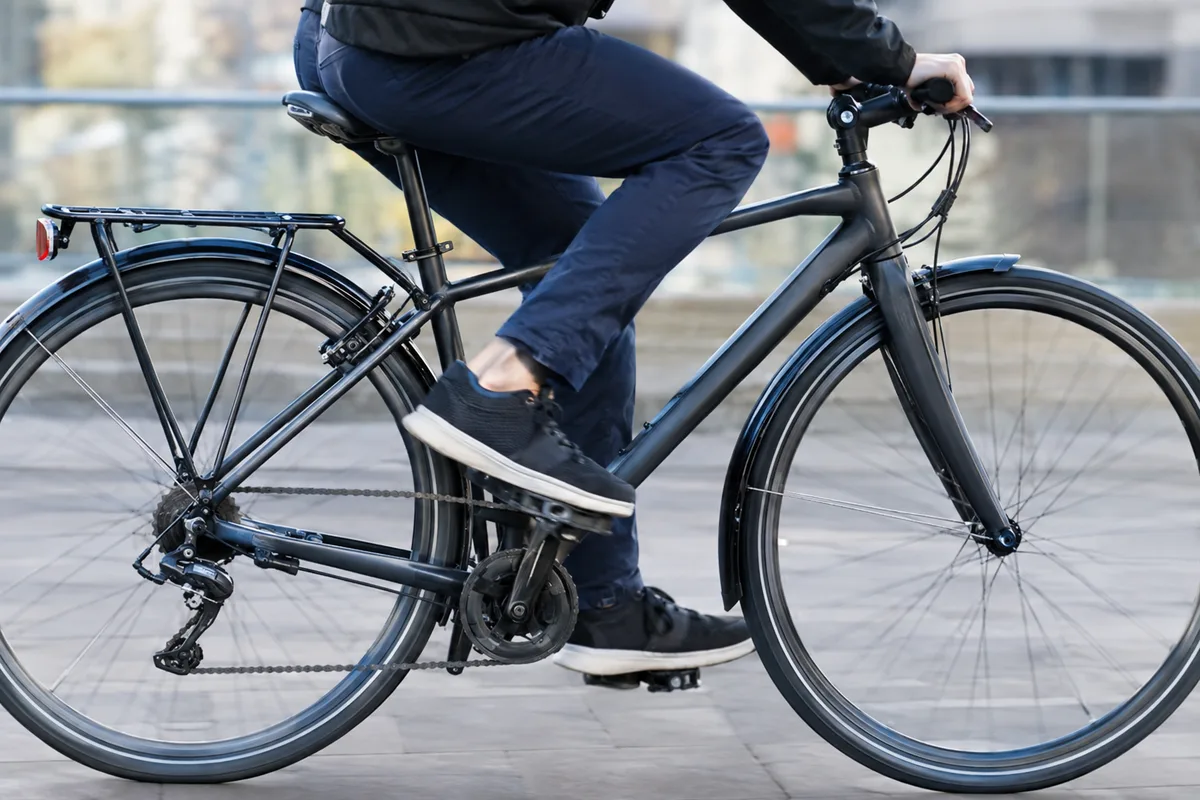
Disc brakes can offer consistent control in wet or muddy conditions, while rim brakes are usually straightforward to inspect. Either type can work well when correctly adjusted. The condition and setup of the brakes matter more than choosing them for appearance.
Suspension adds weight and moving parts. It can be worthwhile on rough trails, but basic suspension may offer little benefit on paved routes. A rigid fork often makes a budget commuter lighter and simpler.
- Straight wheels that spin without rubbing
- Brakes that respond smoothly and stop the wheel firmly
- Gears that change without skipping or excessive noise
- Tyres with an appropriate width and visible tread
- Pedals, cranks and handlebars with no unwanted movement
Leave room for essential equipment
The bike itself may not be the only thing needed for regular riding. Your spending limit may also need to cover a suitable helmet, lights and a secure lock. Mudguards, a rack or a basic repair kit may matter more than decorative upgrades.
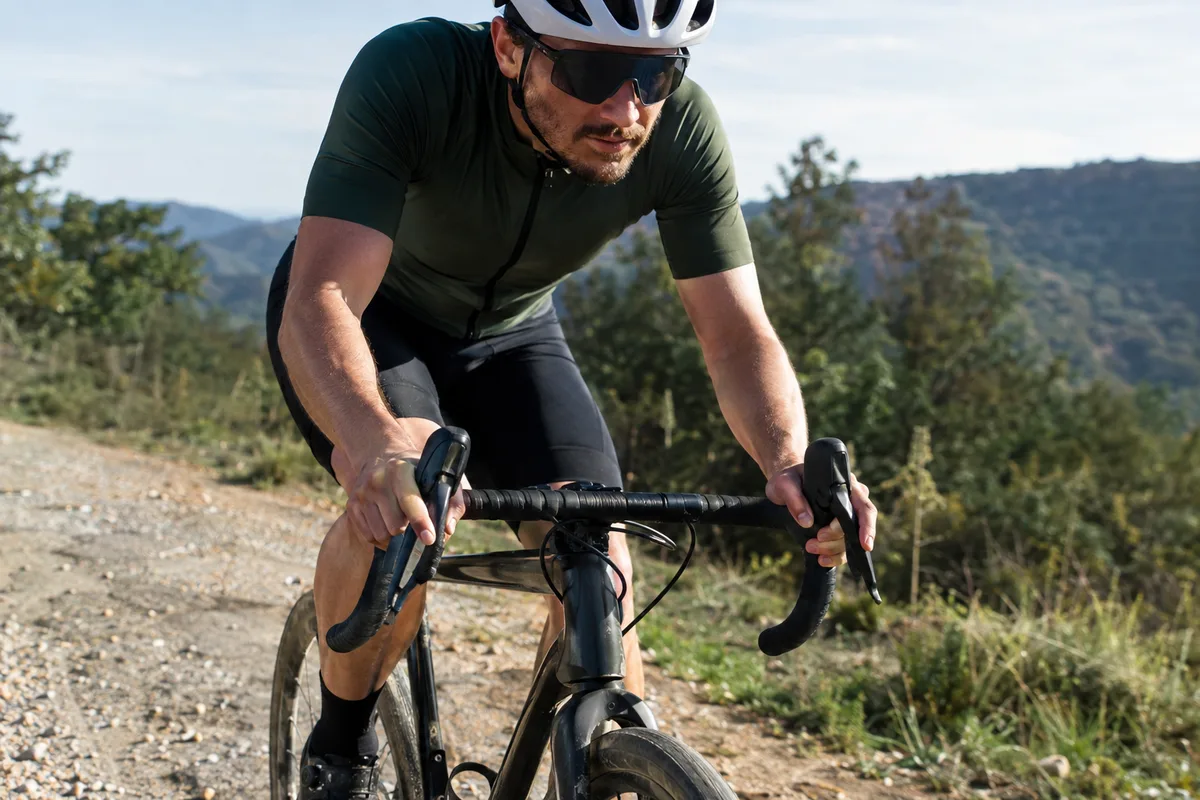
Check whether the frame has mounting points for the accessories you expect to use. Carrying a bag on your back may be fine for a short ride, but a rack can be more comfortable for regular commuting. Prioritise equipment that supports safe, practical journeys.
- A correctly fitting helmet
- Front and rear lights for poor visibility
- A lock suited to where the bike will be left
- A pump, spare inner tube and tyre levers
- Mudguards or a luggage rack if your journeys require them
Check overall value, not just the label
A new bike may include support with assembly and initial adjustments, while a used bike may offer better components for the same spending limit. A used option needs a careful condition check because worn parts can add further costs. If you are unsure, ask an experienced mechanic to inspect it.
Look past colour, branding and claims about performance. A bike offers good value when it fits properly, works smoothly and suits your normal routes. The best choice is often the simplest model that meets those needs without requiring immediate changes.
Cycling effort varies with your pace, route, wind, bike and body. If you record rides alongside food, treat any energy estimate as an approximation rather than an exact allowance. Keep your tracking method consistent so that useful patterns are easier to notice over time.
- Compare frame fit and riding position first
- Check the condition of tyres, chain, gears and brakes
- Ask what assembly or adjustment is included
- Consider likely maintenance and accessory needs
- Avoid paying more for features that do not suit your routes