
The potato diet: how it works, its pros and its drawbacks
The potato diet usually means eating potatoes as the main or only food for a short period. This guide explains the common rules, what may affect your food log, and why a balanced approach is easier to maintain.
What is the potato diet?
The potato diet is a highly restrictive way of eating built around plain potatoes. Some versions allow only potatoes, while others include seasonings, small amounts of cooking fat or a few additional foods. There is no single official programme, so the exact rules depend on the version being followed.
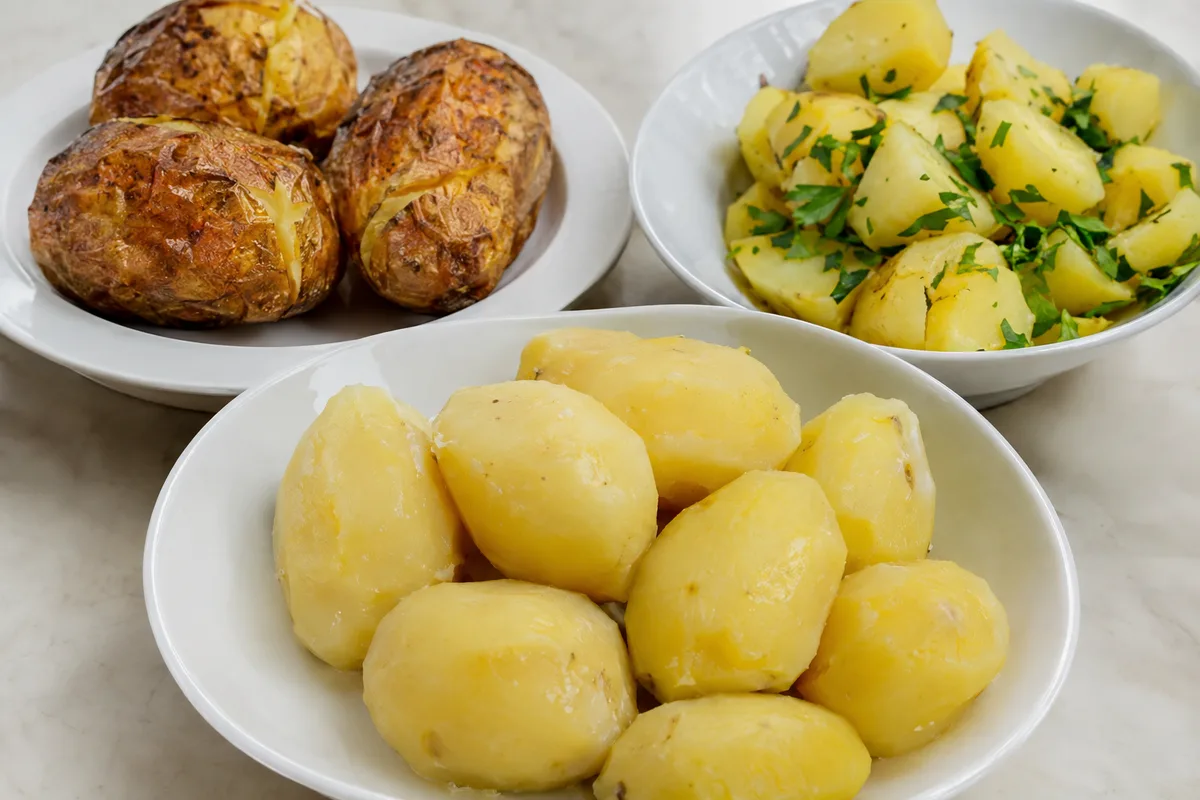
Its appeal comes partly from simplicity. Potatoes are familiar, filling and easy to record when portions and toppings are measured. However, making one food the centre of almost every meal is very different from including potatoes in a varied eating pattern.
- Potatoes form every meal or most meals
- Cooking methods are usually boiling, steaming, baking or air frying
- Rich sauces, cheese and generous amounts of oil are often excluded
- Drinks are generally kept simple
- The plan is usually presented as a short-term approach
Why potatoes can feel filling
Potatoes contain carbohydrate, fibre, water and a range of vitamins and minerals. Their volume can make a plain serving feel substantial, especially when the skin is included. How filling they feel will also depend on the variety, cooking method, portion and what else is eaten.

Preparation makes an important difference to your food log. A boiled potato and a potato cooked with oil, butter, cheese or sauce may have very different energy totals. None of those additions is automatically wrong, but they need to be recorded if you want your tracking to reflect the meal.
- Weigh or estimate the potato portion consistently
- Record cooking fat rather than logging only the potato
- Add sauces, cheese and other toppings separately
- Choose the correct raw or cooked database entry
- Save a repeated meal if you prepare it the same way often
Possible advantages
The clearest advantage is that meal decisions become simple. A limited menu may also make ingredients and portions easier to track. Plain potatoes can be prepared without much added fat, while still providing a warm and substantial meal.
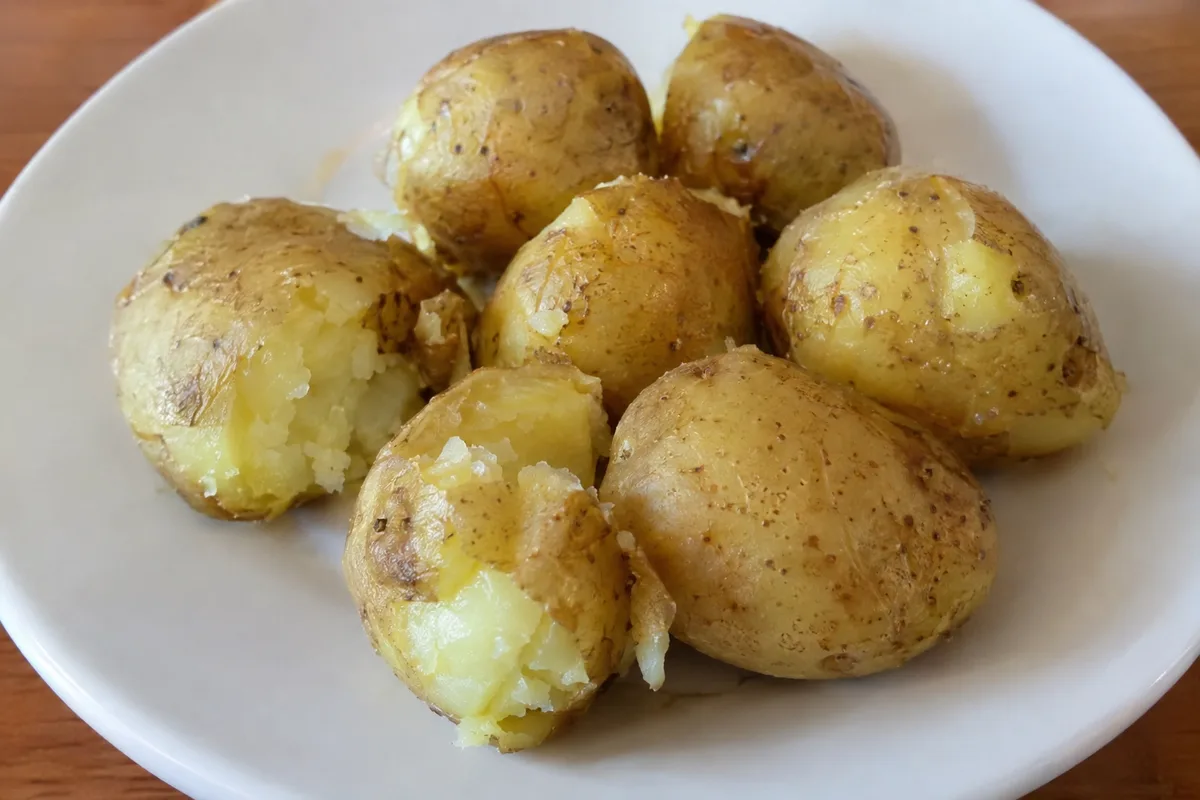
The approach may also draw attention to extras that are easy to miss in a food diary. Cooking oil, creamy toppings and large side portions can change a meal considerably. Even so, these lessons do not require an all-potato diet and can be applied to ordinary meals.
- Straightforward meal planning
- A short ingredient list
- Simple food logging
- Less reliance on heavily dressed potato dishes
The main drawbacks
Potatoes do not provide everything the body needs in suitable amounts. A potato-only menu offers very little dietary variety and may fall short in protein, fat and several micronutrients. The more restrictive the version and the longer it continues, the harder it becomes to build a balanced intake.
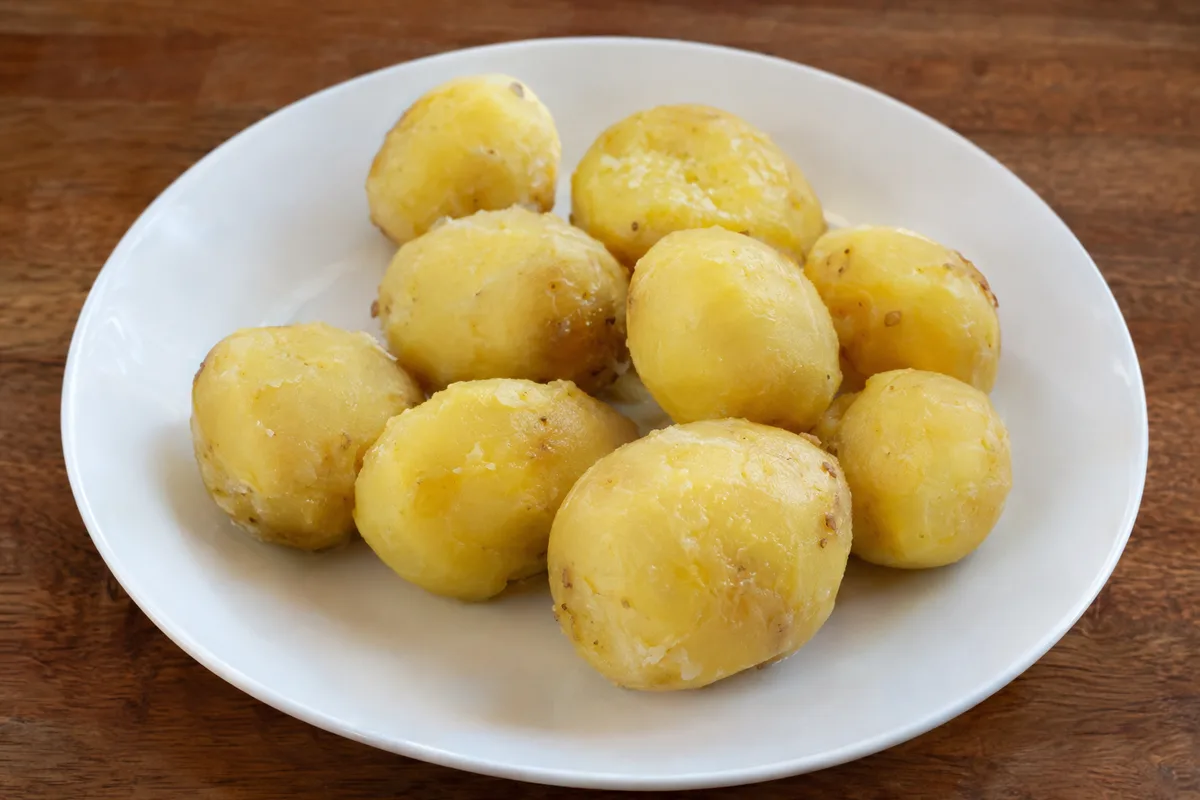
Repetition is another practical problem. Eating the same food at each meal can become dull, make social meals awkward and increase cravings for excluded foods. It may also encourage an all-or-nothing pattern in which ordinary eating feels like breaking a rule.
Digestive comfort can vary as well. A sudden change in fibre intake or a large amount of one food may feel uncomfortable for some readers. Hunger, fullness and energy can differ from day to day, so a rigid rule may not match what your body is asking for.
- Limited protein and fat
- Narrow range of nutrients
- Little variety in taste and texture
- Difficult to fit around shared meals
- No clear plan for balanced eating afterwards
What your food log may show
If you already track your food, the log can help you look beyond whether the daily total rises or falls. Check the balance of protein, carbohydrate, fat and fibre, along with how satisfied you feel after meals. App nutrient figures are estimates, so treat them as a guide rather than a perfect measurement.
Any early change on the scale is not a reliable measure of body fat alone. Changes in carbohydrate intake, salt, food volume and digestion can alter body water and the amount of food being carried. The size and direction of these changes depend on the person.
It is also useful to record practical observations. Note hunger, concentration, enjoyment, digestion and whether the plan fits work and social routines. A pattern that looks tidy in an app may still be difficult to live with.
- Meal satisfaction
- Hunger between meals
- Protein, fat and fibre balance
- Digestive comfort
- Ease of following the plan in daily life
A more balanced way to eat potatoes
You can keep potatoes in your meals without making them the only food. Pairing them with a protein source, colourful vegetables and some fat creates more variety and a broader nutrient mix. The amounts should reflect your appetite, preferences and personal targets.
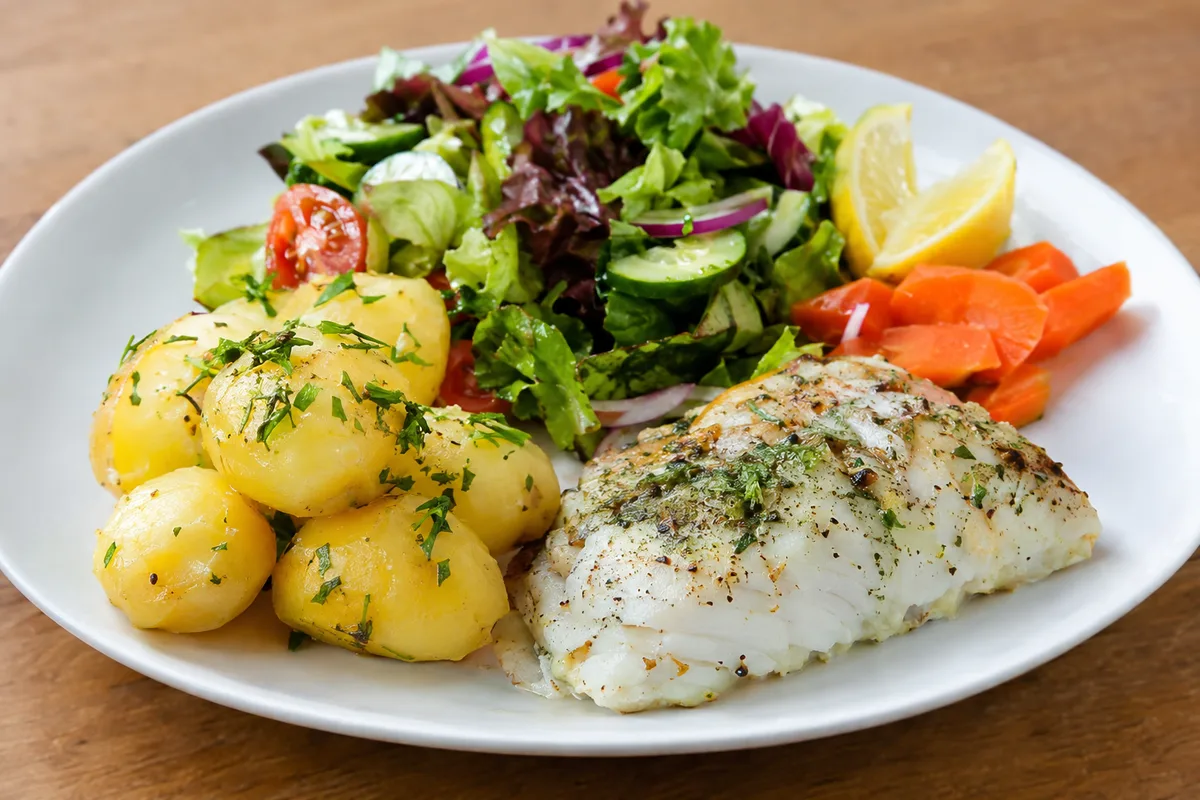
Think of the potato as one part of the plate rather than the entire plan. For example, serve a baked potato with beans and vegetables, or boiled potatoes with fish and a dressed salad. Record each part separately so you can see how the full meal fits your day.
If you have been eating a very narrow menu, add variety gradually in a way that feels manageable. There is no need to label potatoes as either a diet food or a food to avoid. They are a useful staple, but the overall eating pattern matters more than any single ingredient.
- Baked potato with beans and mixed vegetables
- Boiled potatoes with fish and salad
- Potato wedges with eggs and roasted vegetables
- Potato and lentil stew with leafy greens