
The Zone Diet: what its 40–30–30 balance means
The Zone Diet organises meals around set proportions of carbohydrate, protein and fat. This guide explains how the approach works, how to track it and where flexibility may be useful.
The basic idea
The Zone Diet aims for roughly 40% of food energy from carbohydrate, 30% from protein and 30% from fat. These figures apply to calories rather than the weight or volume of food. Each meal and snack is intended to follow a similar balance.
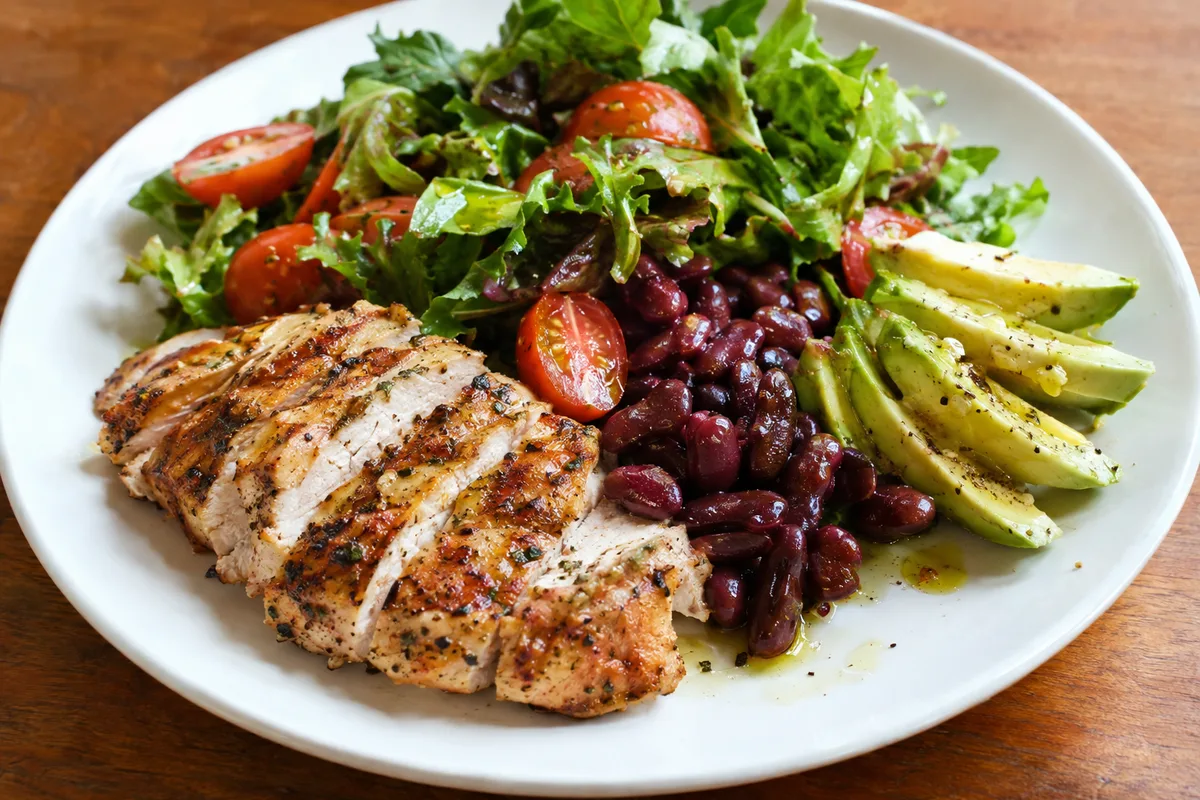
The approach generally favours vegetables, fruit and other fibre-rich carbohydrate sources. Protein is included each time you eat, alongside a measured source of fat. Highly refined carbohydrate foods tend to have a smaller place in the plan.
- About 40% of energy from carbohydrate
- About 30% of energy from protein
- About 30% of energy from fat
- A similar balance across meals and snacks
What a Zone-style plate looks like
A simple Zone-style meal starts with a lean protein source. Vegetables and some fruit provide most of the carbohydrate, while foods such as olive oil, avocado, nuts or seeds provide fat. Starchy foods can fit, but their portion may be smaller than on a conventional balanced plate.
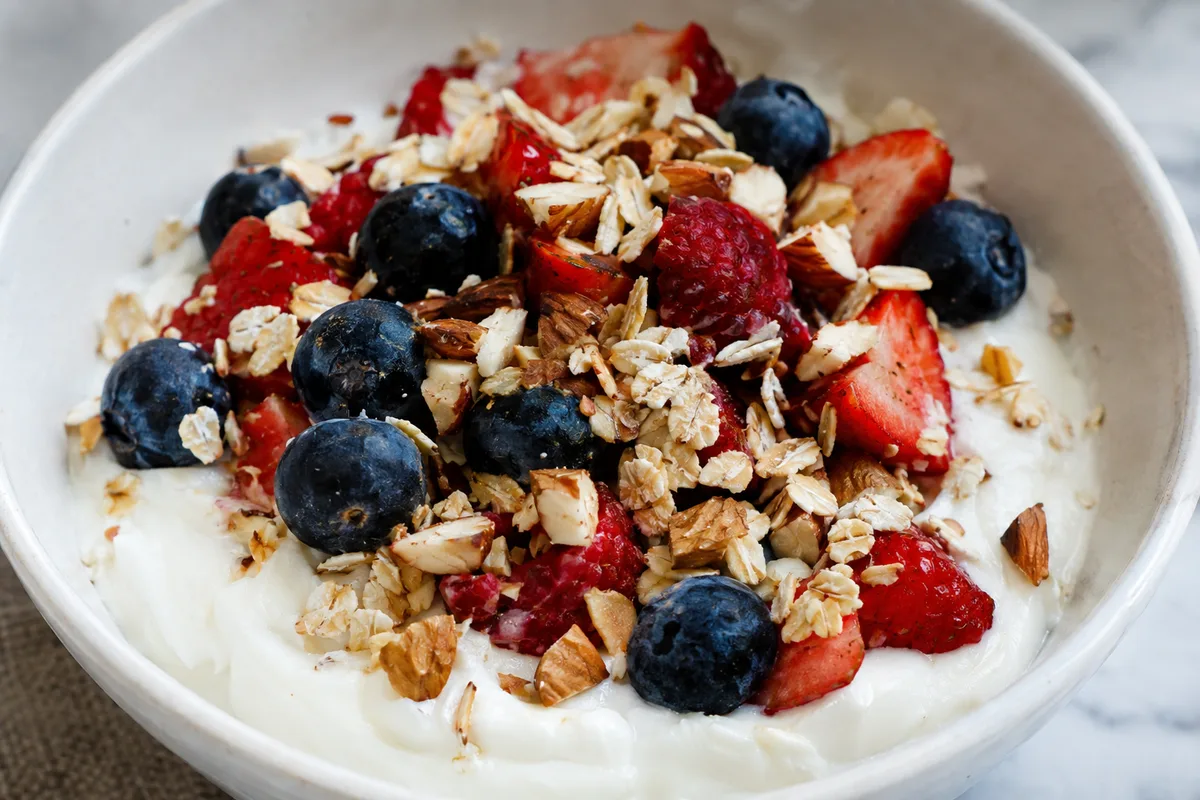
You do not need three separate piles in exact proportions by volume. Vegetables take up plenty of space because they contain water and fibre, while fat is more concentrated. The visual size of each part therefore does not match its percentage of calories.
- Protein: chicken, fish, eggs, tofu, tempeh or plain yoghurt
- Carbohydrate: leafy vegetables, peppers, tomatoes, beans, oats or fruit
- Fat: olive oil, avocado, nuts, seeds or nut butter
- Flavour: herbs, spices, lemon juice or vinegar
How to track the 40–30–30 split
If your food tracker shows macronutrient percentages, compare your daily result with the Zone target. It is also useful to inspect individual meals, as a daily average can hide a breakfast dominated by carbohydrate or a dinner dominated by fat. Small differences are normal because labels, recipes and serving estimates are not perfectly precise.
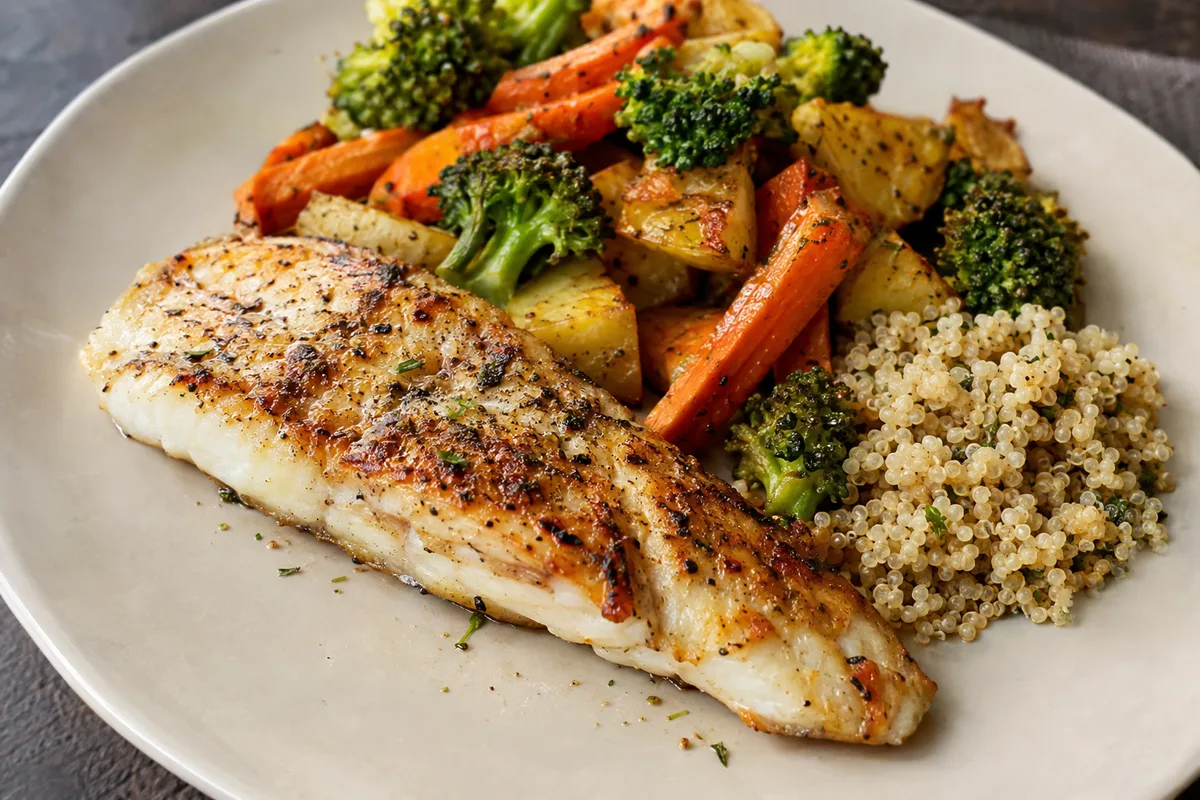
Protein and carbohydrate provide about 4 kcal per gram, while fat provides about 9 kcal per gram. That is why equal gram amounts do not create an equal calorie split. Your total gram targets depend on your personal energy intake, so there is no single set of gram figures that suits everyone.
- Log cooking oils, dressings, nuts and spreads because small servings can add notable fat
- Check whether your tracker reports percentages of calories rather than percentages by weight
- Review the whole meal before changing one ingredient
- Use repeated meals or saved recipes to reduce routine logging work
Building meals without chasing perfect numbers
Start with the protein, then add generous non-starchy vegetables and a suitable carbohydrate source. Finish with a moderate amount of fat, taking account of any oil used in cooking. Log the meal and adjust future portions rather than repeatedly changing food already on the plate.
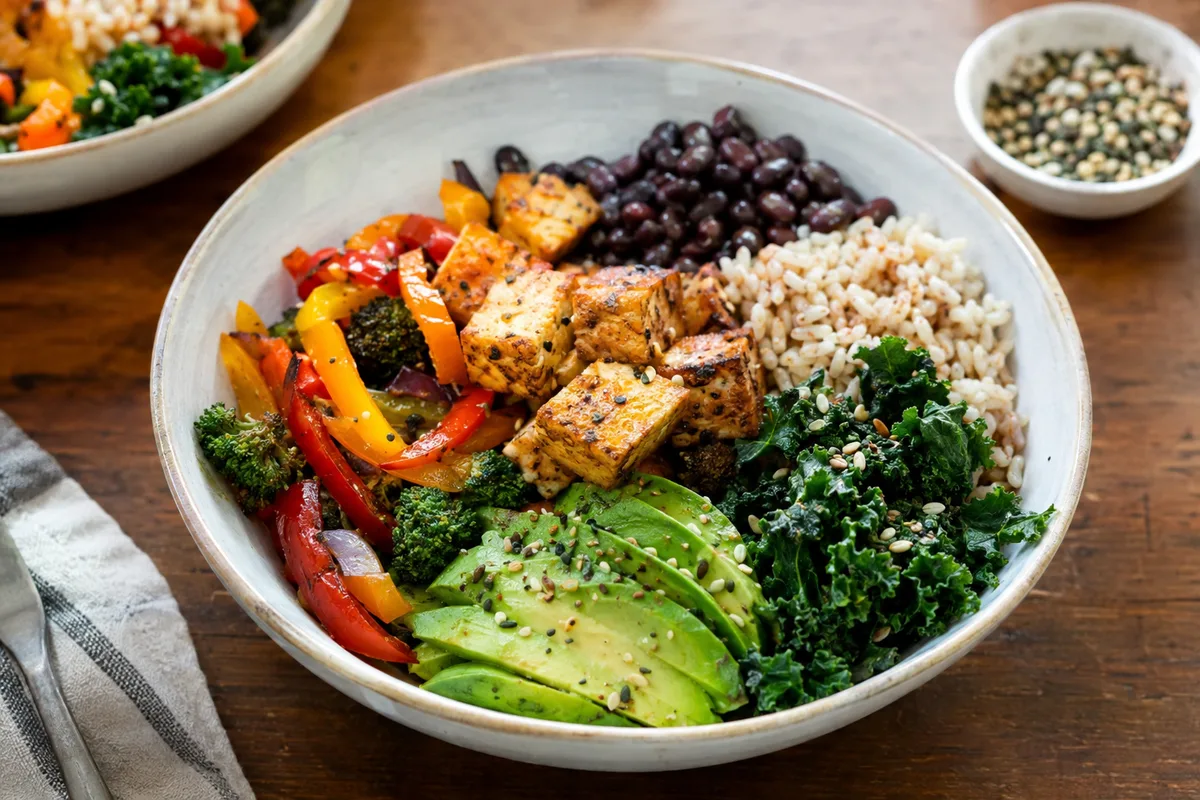
If carbohydrate is much higher than planned, add more vegetables in place of part of a refined or starchy serving next time. If protein is low, increase the main protein source or choose a protein-containing snack. If fat is high, check oils, dressings, cheese, nuts and spreads before cutting larger whole foods.
- Breakfast: plain yoghurt with berries, oats and chopped nuts
- Lunch: chicken or tofu salad with beans and olive oil dressing
- Dinner: fish or tempeh with roasted vegetables and a modest serving of grain
- Snack: fruit with plain yoghurt, or vegetables with a bean dip
The block system
Some versions of the Zone Diet use food blocks instead of tracking percentages directly. A carbohydrate block, protein block and fat block represent set portions from each macronutrient group. Meals are built by combining a similar number of blocks from each group.
This can simplify decisions once the portions are familiar, but it adds another set of rules to learn. Block sizes vary between food types, so they still require reference information and portion awareness. If you already use a food diary, tracking calorie percentages may feel more straightforward.
- Choose the planned number of protein blocks
- Match them with the same number of carbohydrate blocks
- Add the corresponding fat blocks
- Record mixed dishes carefully because they may contain all three groups
Points to consider before using it
The Zone Diet offers a clear framework, which may help if you prefer structured meal planning. Its focus on protein, fibre-rich produce and included fats can also make meals feel more deliberate. However, exact balance at every eating occasion may be awkward when dining out, sharing meals or cooking mixed dishes.
Your preferred foods, activity, appetite, culture and daily routine all affect whether the pattern feels practical. A strict 40–30–30 split is not necessary for everyone, and nutritional needs differ from person to person. Treat the percentages as a planning framework rather than judging a meal as a success or failure.
- Consider whether the food choices fit your normal routine
- Allow sensible variation between meals and days
- Keep enough variety across protein, carbohydrate and fat sources
- Seek personalised guidance from a suitably qualified nutrition professional if your needs are complex