
How Much Protein Do Rice and Beans Provide?
Rice and beans both provide protein, but beans usually make the larger contribution. This guide explains how the pairing works and how to record it in your food diary.
Where the protein comes from
Beans are the main protein source in a typical plate of rice and beans. Rice adds some protein too, although usually less for a similar cooked portion. The total therefore depends on the type of bean, the type of rice and how much of each you serve.
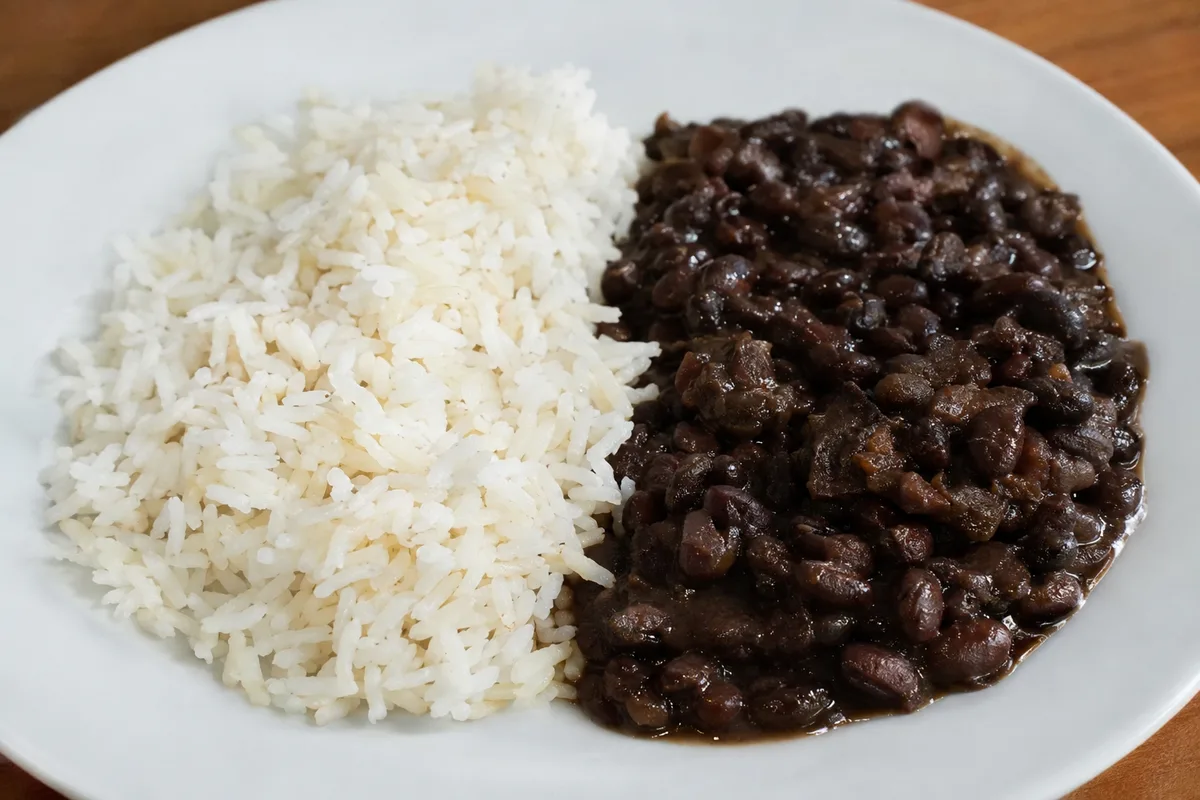
The cooking method also affects how much food fits into a portion. Rice and dried beans absorb water as they cook, which increases their weight without adding protein. For accurate tracking, compare your portion with an entry for the same food in the same cooked or dry state.
- Kidney beans, black beans, pinto beans and chickpeas each have different values
- Brown and white rice may have slightly different protein contents
- A bean-heavy bowl will usually contain more protein than a rice-heavy bowl
- Added vegetables, sauces and toppings can change the meal total
Why rice and beans work well together
Protein is made from smaller parts called amino acids. Rice and beans contain different proportions of these amino acids, so eating both gives the meal a broader mix. This is often described as complementary protein.
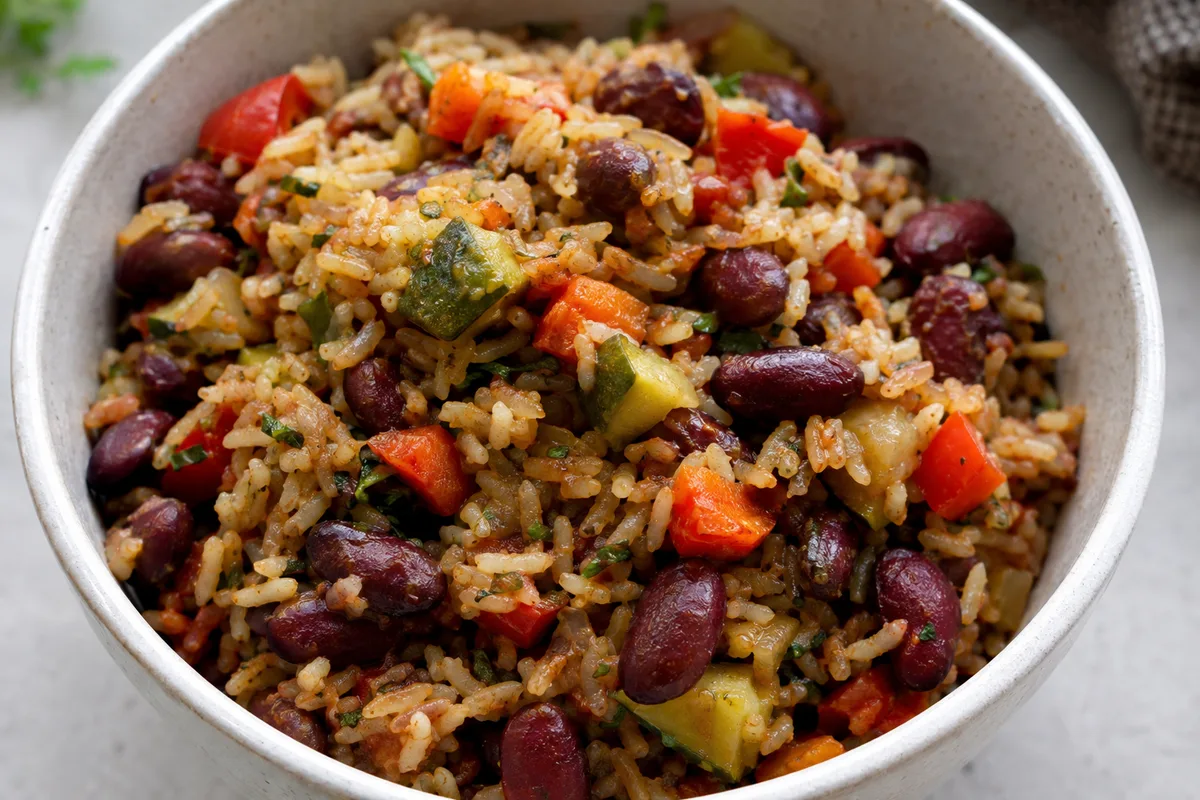
They do not have to be eaten in perfectly matched amounts. Your overall pattern of meals matters more than creating an exact ratio on one plate. A varied diet containing several protein sources will provide a wider range of amino acids.
- Use beans as the base and rice as a side
- Add lentils or peas for another plant protein
- Include vegetables for flavour, texture and fibre
- Choose toppings according to the nutrients and energy you want to track
Finding the protein in your portion
There is no single protein number for rice and beans because recipes and serving sizes vary. Start by logging the rice and beans separately, using weighed portions or a consistent household measure. Select database entries that clearly say whether the food is cooked, dry, canned or drained.
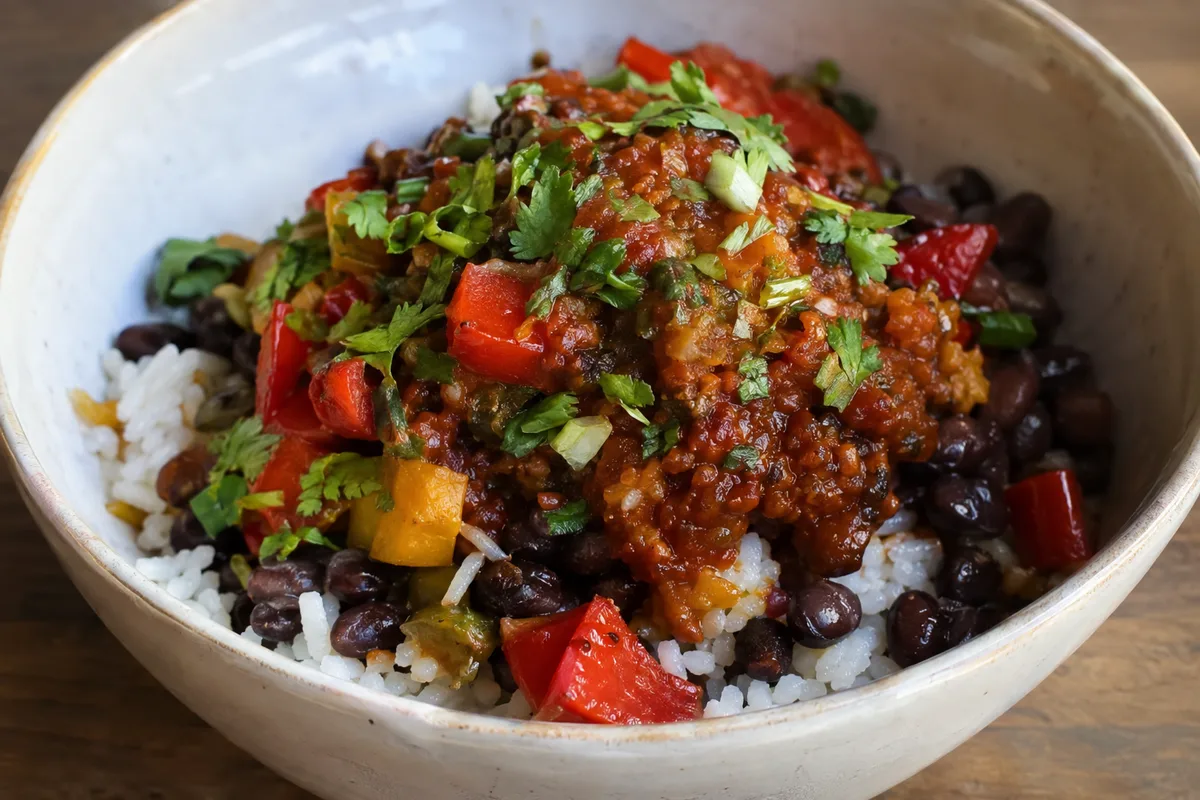
If you cooked a large batch, record the ingredients used in the full recipe. Divide the finished dish by the number or weight of the portions you actually serve. This accounts for oil, stock, vegetables and other additions rather than treating every rice and bean dish as the same.
- Match cooked rice with a cooked-rice entry
- Match drained canned beans with a drained-beans entry where possible
- Check whether a database portion is listed by weight or volume
- Save your usual recipe if you prepare it the same way regularly
Adjusting the balance for more protein
If your logged meal provides less protein than you intended, changing the balance is often the simplest step. Increase the bean portion and reduce some of the rice if you want to keep the overall bowl a similar size. The right amounts depend on your appetite, goals and the rest of your day.
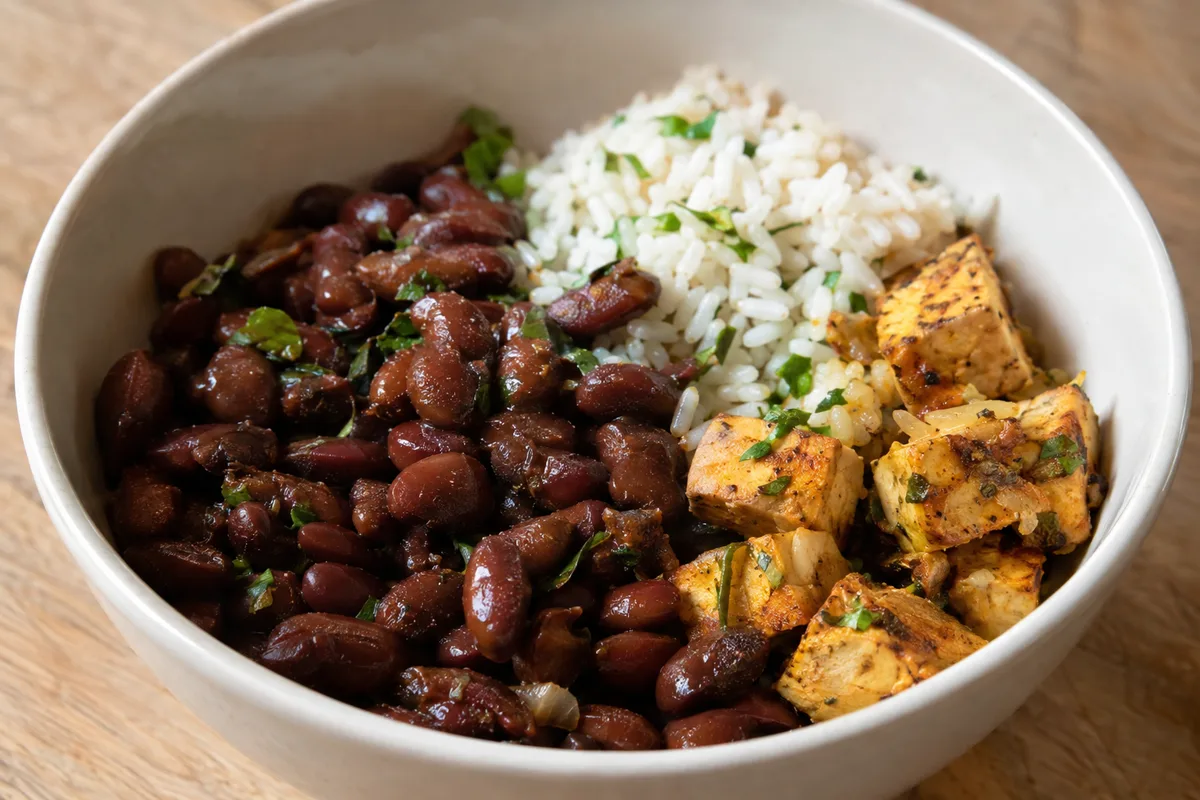
You can also add another protein food that suits the meal. Remember to log sauces, oils and toppings as well, since they may change the energy content more than the protein content. Check labels or reliable database entries instead of assuming that similar-looking products are identical.
- Add extra beans or lentils
- Serve the mixture with tofu or eggs
- Top with plain yoghurt or cheese if these fit your eating pattern
- Replace part of the rice with peas or another pulse
Building a satisfying rice and bean meal
Protein is only one part of the meal. Rice supplies carbohydrate, while beans contribute carbohydrate, protein and fibre. Vegetables and seasonings can add colour, texture and variety without turning tracking into a complicated task.
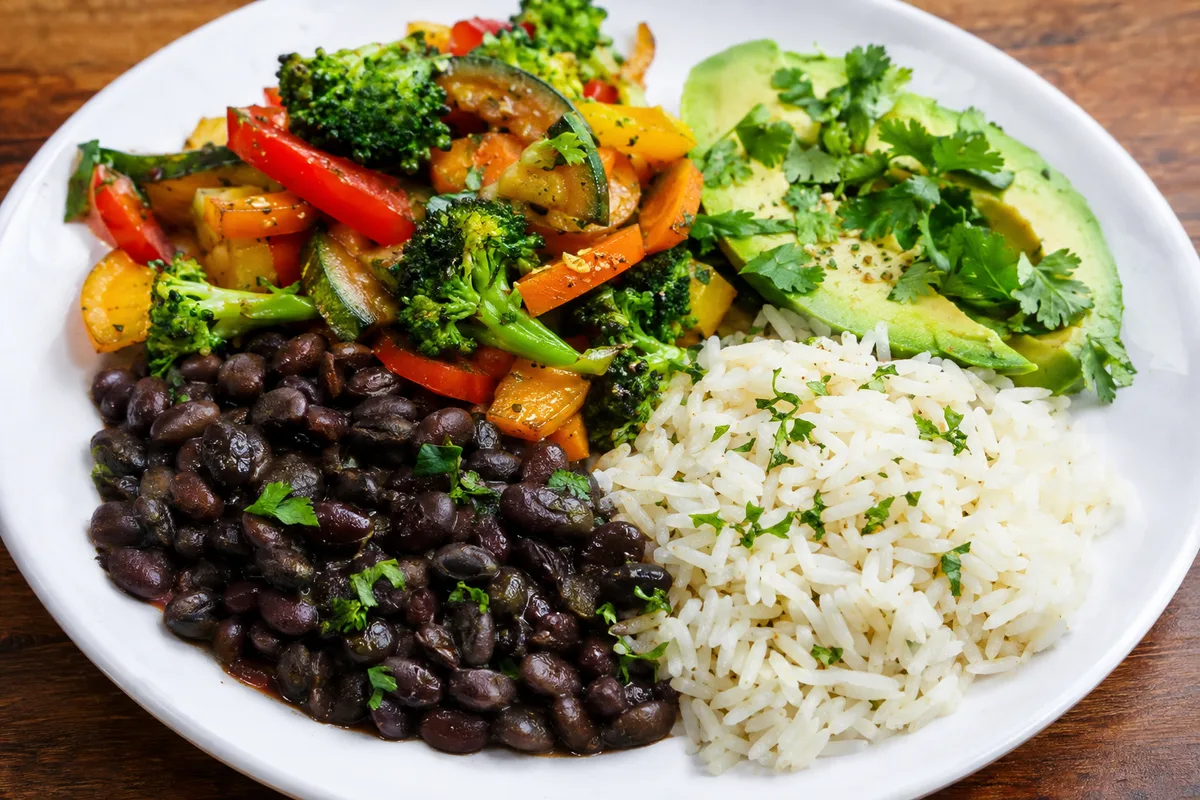
Use your food diary to notice whether the portion keeps you satisfied and fits the targets you have chosen. If it does not, adjust one ingredient at a time so you can see what makes a useful difference. Keep the entries consistent, especially when switching between homemade, canned and ready-cooked ingredients.
- Choose a clear portion of rice and beans
- Add one or more vegetables
- Include a measured sauce, oil or topping
- Season with herbs, spices, citrus or chilli
- Log each part using the form in which it was served