
What You Can Do About Belly Fat Rolls
Belly rolls are a normal result of how skin and body fat fold, especially when you sit or bend. This guide explains what can change them, what cannot, and how to use your food log to support realistic habits.
Start with what belly rolls actually are
Belly rolls are folds made by skin and the fat beneath it. They can look more noticeable when you sit, bend or wear clothing with a firm waistband. Their shape and position also depend on posture, skin, body shape and where your body tends to store fat.

A roll is not a separate pocket that can be removed by working the muscles directly underneath it. Abdominal exercises can strengthen those muscles, but they do not choose where stored fat is used. If your overall body fat changes, your waist may change too, but the amount and timing depend on the person.
It also helps to judge your body in a natural position rather than only when twisting, pinching the skin or leaning forward. Bodies form creases during movement, including bodies with relatively little abdominal fat. A realistic aim may be to feel stronger, improve comfort or gradually change your overall body composition rather than trying to erase every fold.
Use your food log to find useful patterns
Because you already track what you eat, look beyond the daily total. Review several ordinary days and notice which meals keep you satisfied, when unplanned snacks appear and where drinks or extras are easy to overlook. The aim is to find repeatable patterns, not to criticise one meal.
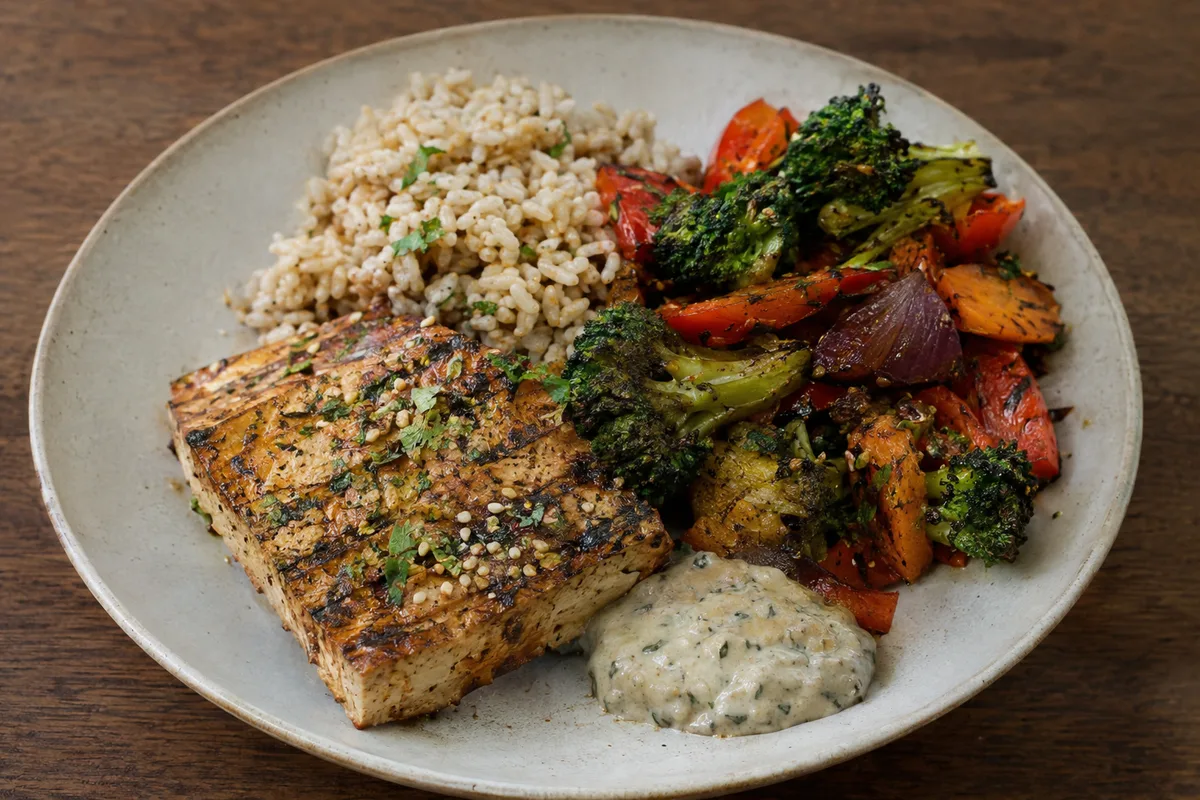
Check that portions are logged consistently, particularly oils, dressings, spreads, drinks and small bites while cooking. These foods do not need to be removed, but recording them helps the log reflect what you actually eat. Restaurant meals and homemade mixed dishes will always involve some estimation, so consistency matters more than false precision.
If you want to reduce overall body fat, your average energy intake generally needs to be lower than the energy your body uses. The right difference depends on your size, activity, routine and goals, so there is no single target that suits everyone. Choose changes that still leave meals satisfying and daily life manageable.
- Compare weekdays with weekends
- Notice meals followed by frequent grazing
- Check whether drinks and cooking fats are included
- Look for portions that have gradually become larger
- Mark situations where tiredness, boredom or convenience affects eating
Build meals that are easier to sustain
A helpful meal usually combines a protein source, fibre-rich carbohydrate, vegetables or fruit, and some fat for flavour and satisfaction. This structure can make a modest portion feel like a complete meal rather than a temporary restriction. You can adapt it to your preferences, culture and usual shopping.
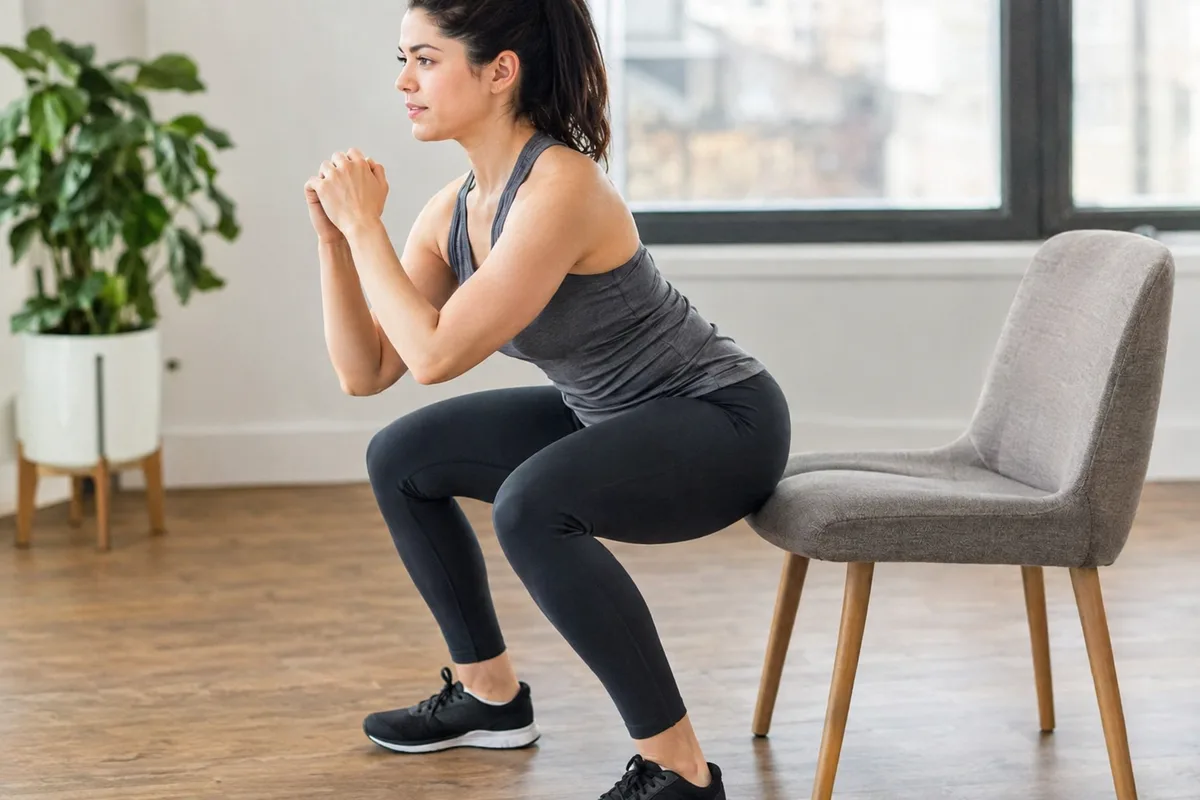
Protein and carbohydrate provide about 4 kcal per gram, while fat provides about 9 kcal per gram. That does not make fat bad, but it explains why generous pours of oil or large servings of rich sauces can change a meal's energy total quickly. Measuring them occasionally can help you recognise your usual serving.
Fibre-rich foods add texture and volume and may help meals feel more substantial. Rather than banning favourite foods, adjust the balance around them and log the portion honestly. A flexible pattern is usually easier to repeat than a list of forbidden foods.
- Add beans, lentils, eggs, fish, poultry, tofu or yoghurt as a protein source
- Choose potatoes, oats, wholegrain bread, rice or other preferred carbohydrates
- Fill part of the plate with colourful vegetables or serve fruit alongside
- Use oils, cheese, nuts and sauces deliberately rather than pouring automatically
Train your whole body, not just your waist
Sit-ups, planks and similar movements train the abdominal muscles, but they cannot direct fat loss from belly rolls. Keep them if you enjoy the strength or stability they build. Pair them with activity that involves more of the body.
Walking, cycling, swimming, dancing and active household tasks can all contribute to daily movement. Resistance exercises for the legs, back, chest, shoulders and arms can help you build strength across the body. Choose forms of movement that fit your ability and schedule, because regular practice matters more than finding a supposedly perfect exercise.
Progress can mean walking a little farther, adding a repetition, improving control or making a movement slightly more challenging. It does not need to mean exhausting yourself every session. Rest and easier days are part of a workable routine.
- Walk at a pace you can repeat regularly
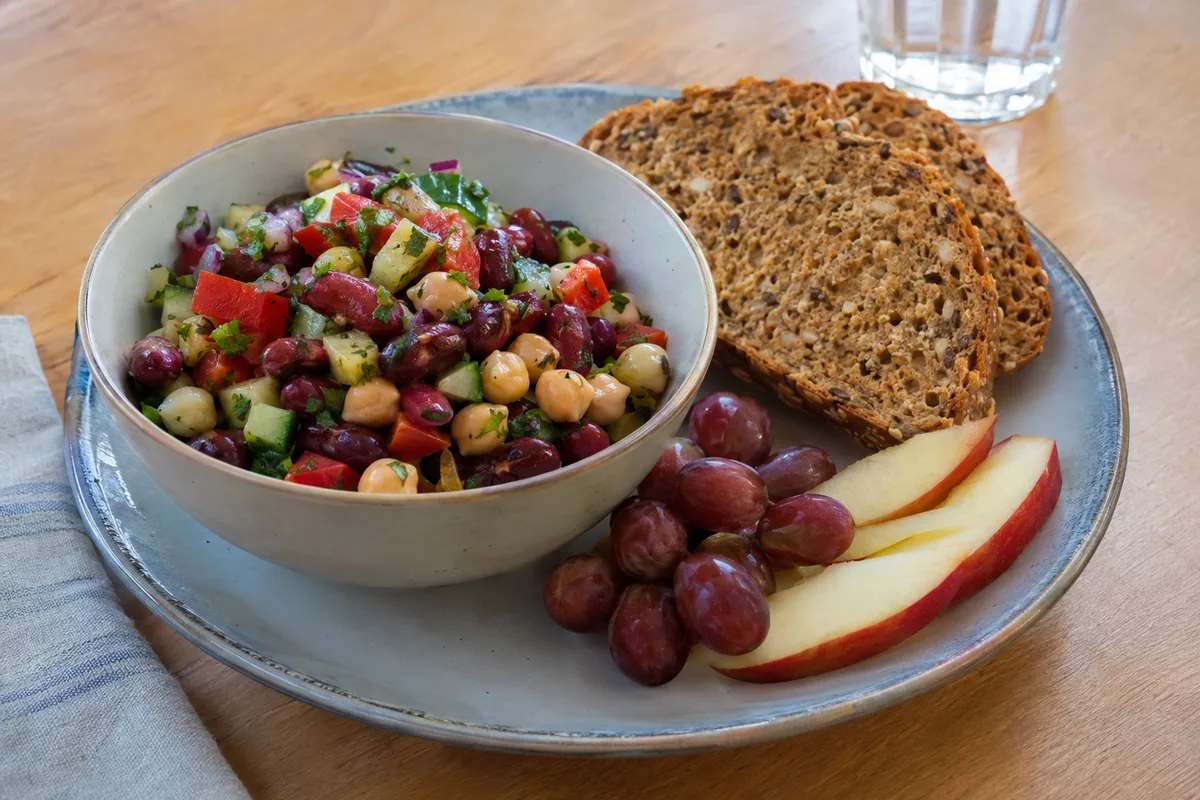
- Practise squats to a chair or another suitable leg movement
- Use wall press-ups or a comfortable pressing movement
- Include rows or another pulling movement
- Add a plank variation if it feels comfortable
Look at sleep, stress and everyday routines
Food and planned exercise are only part of the picture. A short night, a rushed day or long periods of sitting can affect appetite, meal choices and willingness to move. Your log may reveal these links if you add a brief note about the situation around each meal.
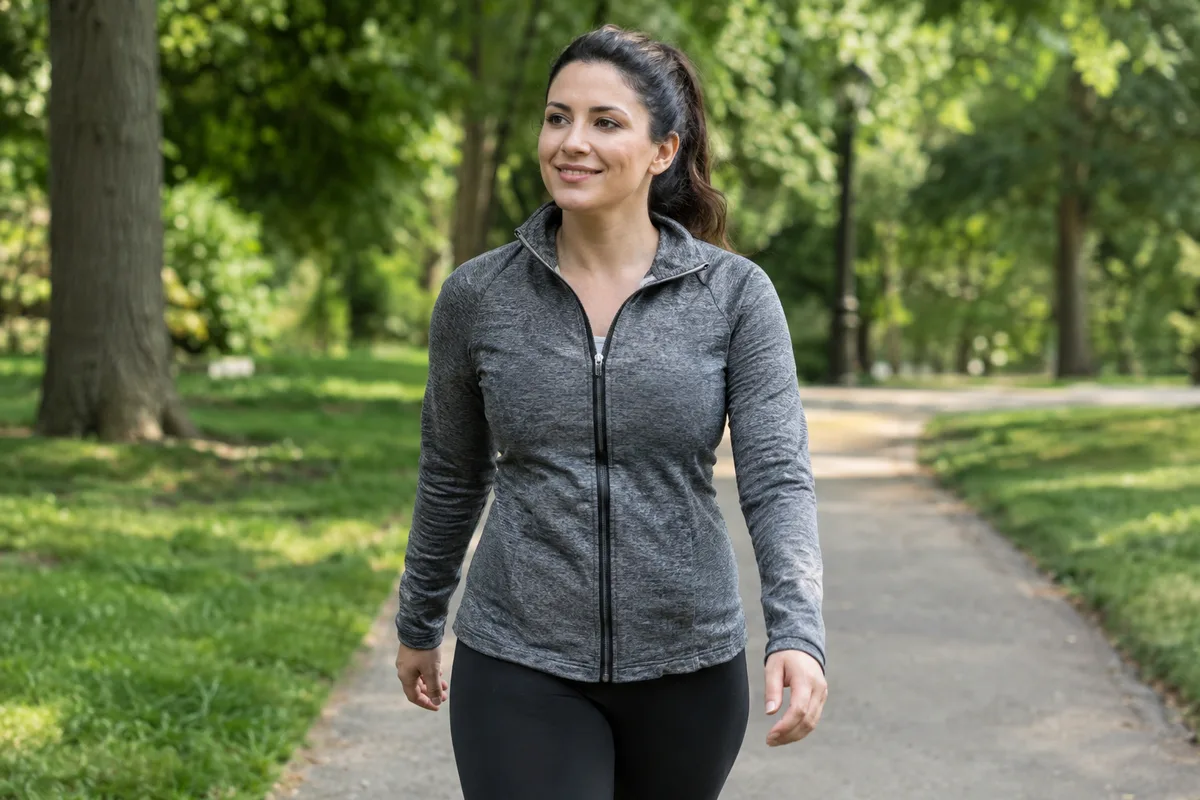
Try making the easier choice more convenient rather than relying on willpower at the hardest moment. Preparing part of tomorrow's lunch, keeping satisfying snacks available or setting a regular meal time can reduce last-minute decisions. The best routine is one that works on busy days as well as calm ones.
Stress does not need to disappear before you can make progress. A short walk, a proper break from your desk or a few quiet minutes before eating may help you respond more deliberately. Pick one routine to practise before adding several more.
- Note sleep quality beside your food log
- Plan the next meal before you become very hungry
- Take movement breaks during long periods of sitting
- Keep simple meal ingredients ready
- Eat away from work or other distractions when possible
Measure progress without fixating on every fold
Belly rolls can look different from morning to evening and from one posture to another. Food, drink, clothing and the way you stand can all change their appearance temporarily. A single mirror check therefore says little about the direction of your habits.
Use measures that connect with what you want from the process. You might review how consistently you follow your meal plan, how clothing feels, how your strength is developing or how easily you complete regular walks. If you choose to measure your waist or take photographs, use similar conditions and leave enough time between checks to see a meaningful pattern.
Avoid responding to a disappointing day by cutting food sharply or adding punishing exercise. Return to the next planned meal and your usual movement instead. Belly folds may remain even when your habits and body composition change, so progress should not depend on achieving a perfectly smooth stomach.
- Review trends rather than isolated days
- Track habits you can directly control
- Use the same posture and clothing for comparison photographs
- Include strength, comfort and energy in your review