
What to Eat for Dinner When You Track Your Food
Dinner does not need to follow a perfect formula. A simple mix of protein, carbohydrate, vegetables and flavour can make planning and tracking easier.
Start with the day you have had
Before choosing dinner, look at what you have already logged and notice what may be missing. You might want more protein, fibre, vegetables or simply enough food to feel satisfied.
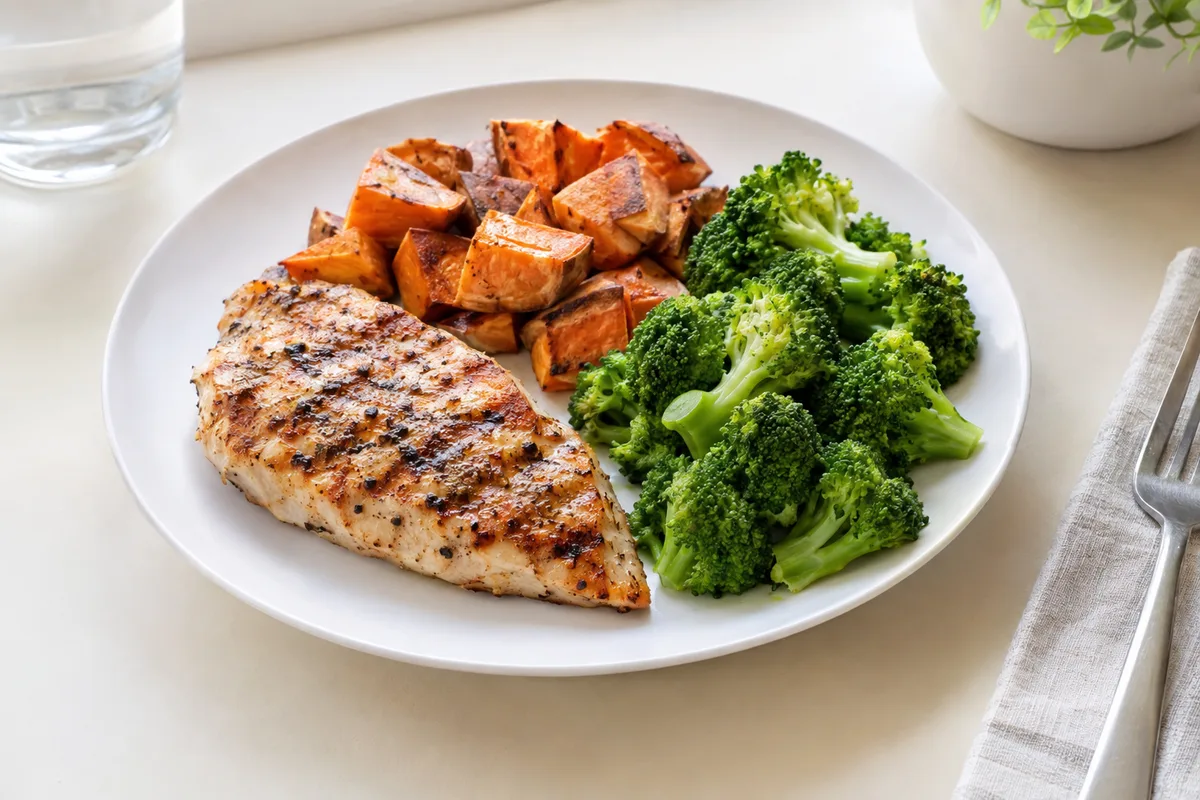
Your appetite matters as much as the numbers in your tracker. A light lunch, a busy afternoon or planned evening activity may call for a more substantial dinner, while another day may suit something smaller.
Use a flexible dinner framework
Choose a protein source, add a carbohydrate you enjoy and include vegetables or salad where practical. Finish with a sauce, seasoning or cooking fat that makes the meal appealing.
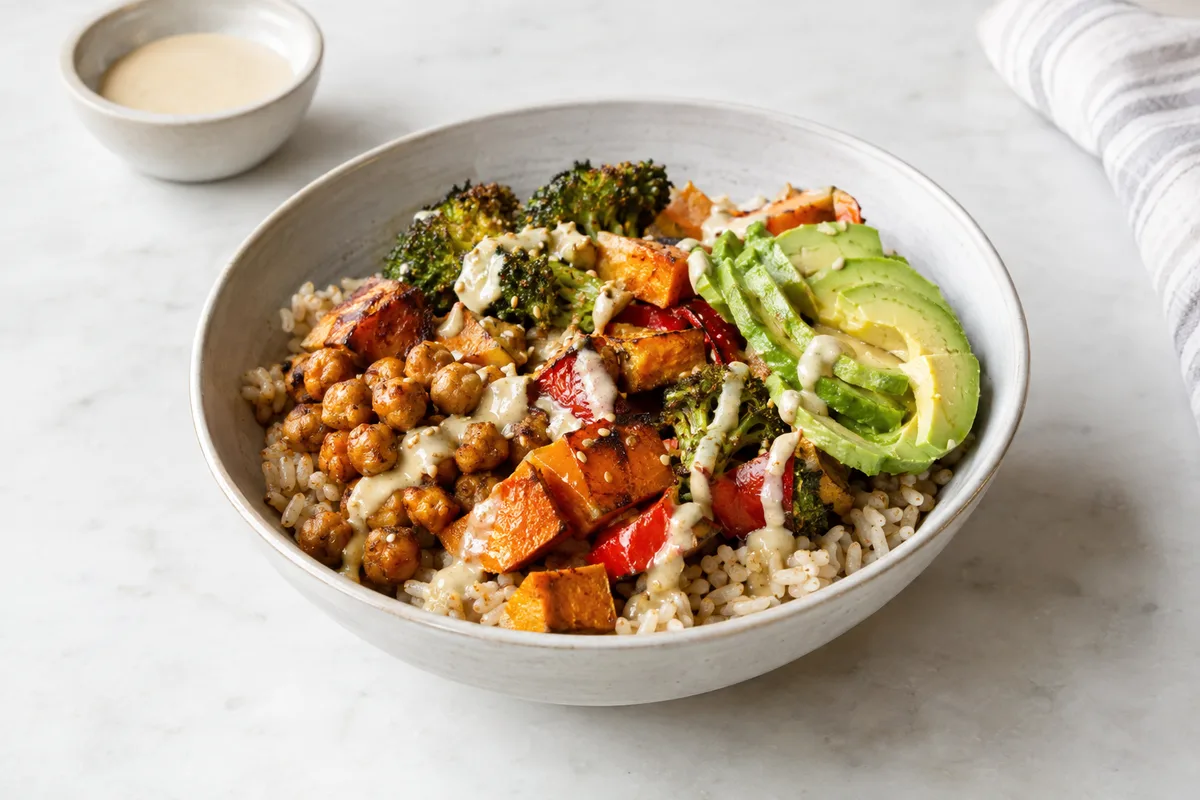
This framework can become a stir-fry, pasta dish, tray bake, curry, filled wrap or bowl. Portions depend on your appetite, preferences and overall targets, so there is no single correct amount for everyone.
Make tracking easier
If you cook from scratch, enter the main ingredients and divide the finished dish by the number of portions you actually serve. For mixed dishes, saving the recipe in your tracker can reduce repeated work later.
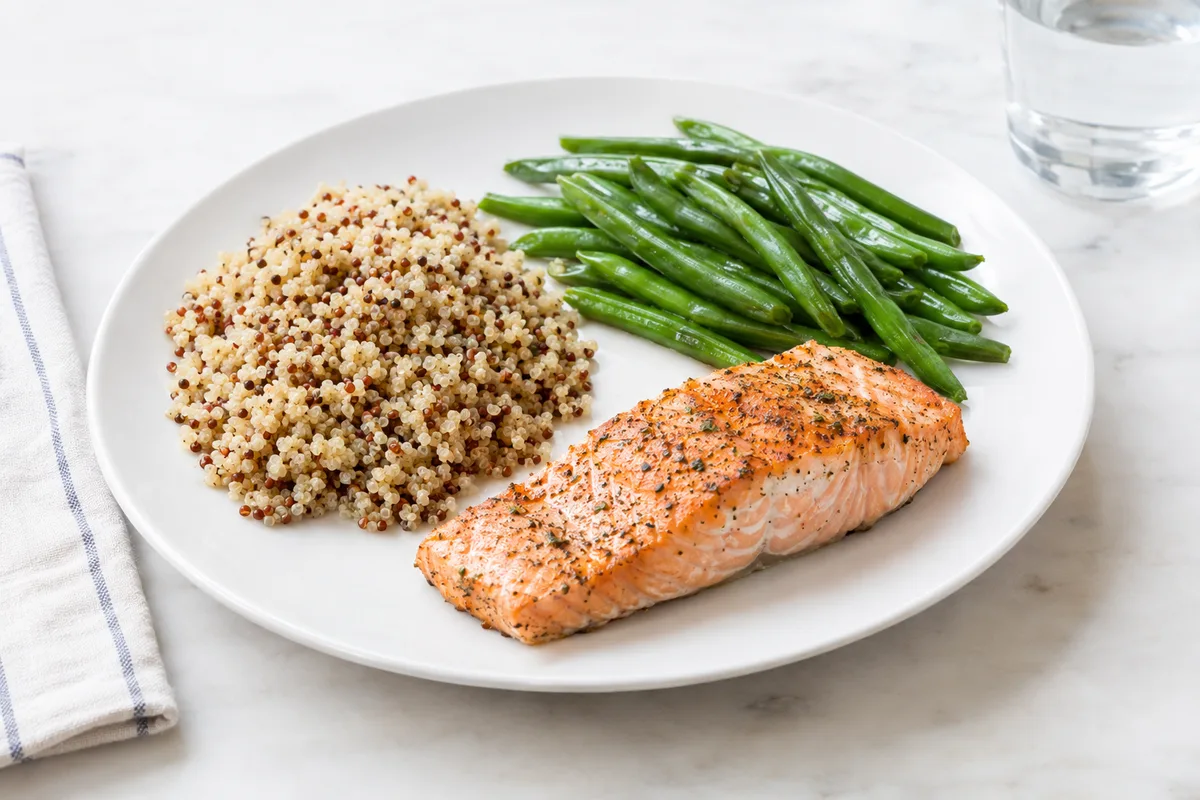
Remember to log ingredients that are easy to overlook, such as oil, dressings, sauces and toppings. Accuracy is useful, but a sensible estimate is often more practical than trying to measure every small amount perfectly.
Plan for satisfaction, not perfection
A dinner that fits your targets but leaves you searching for snacks may not suit you. Include foods you genuinely like, and consider texture, warmth and flavour as well as the nutrient totals.
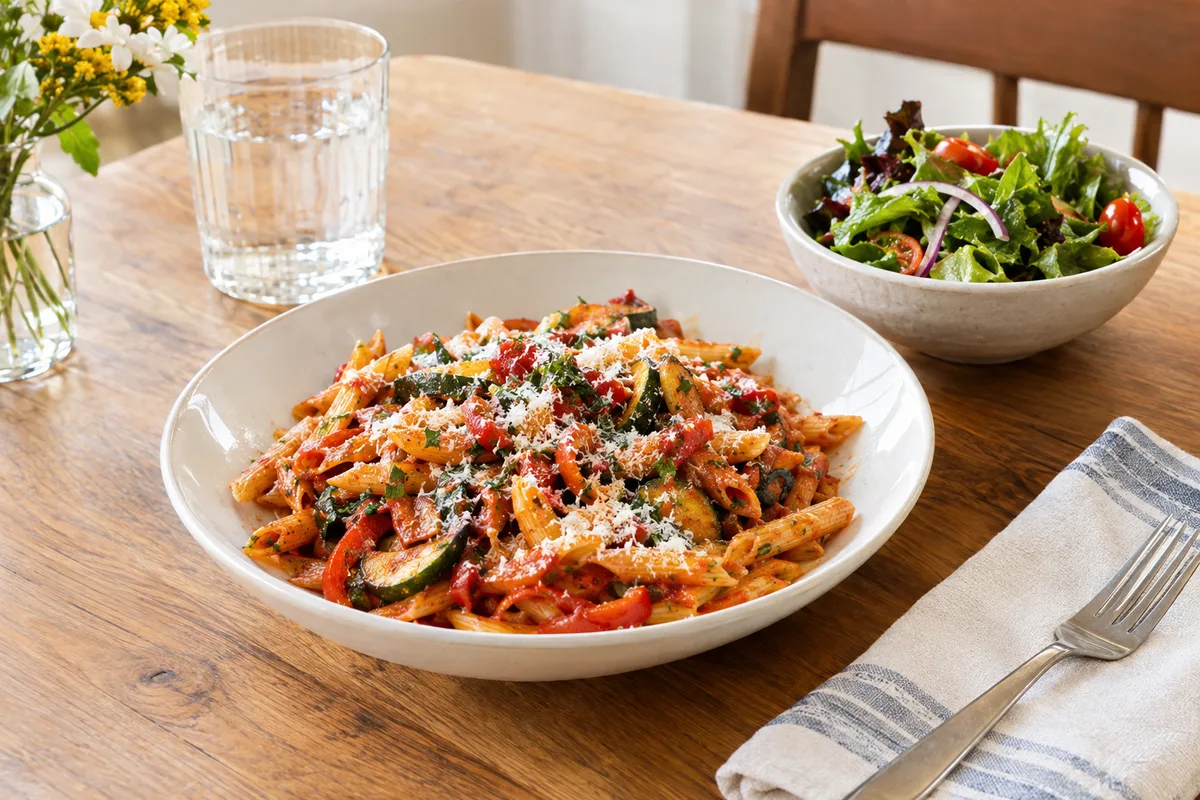
Keep a few adaptable dinner ideas in mind for evenings when time or energy is limited. Eggs on toast with vegetables, a quick rice bowl or a simple pasta dish can all be adjusted to match what remains in your log.