
How registered dietitian nutritionists approach a McDonald’s order
There is no single McDonald’s order that every registered dietitian nutritionist would choose. These practical examples show how nutrition professionals may build a meal around hunger, balance and enjoyment.
There is no perfect fast-food order
Registered dietitian nutritionists do not all eat in the same way. Their order may change with their appetite, the time of day, what is available locally and what they plan to eat later. Someone wanting a light snack will make a different choice from someone needing a full meal.
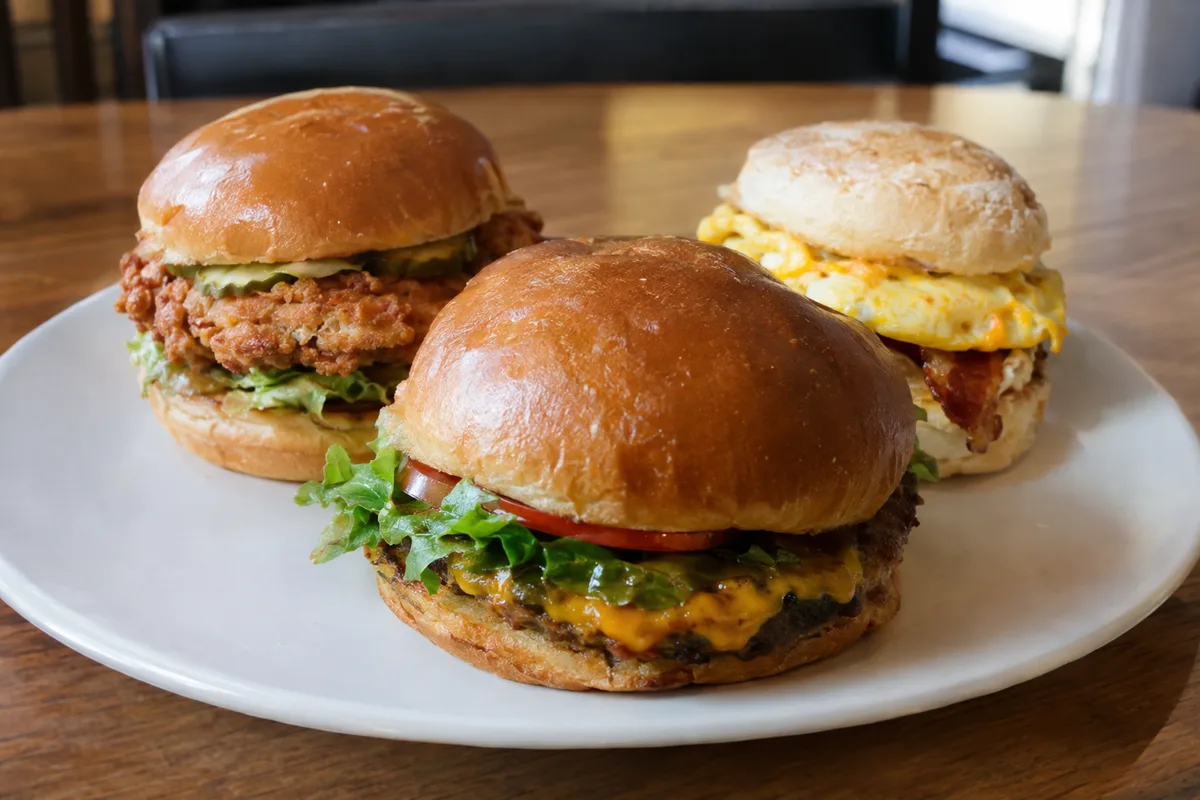
One McDonald’s meal does not need to meet every nutrition goal at once. A useful approach is to decide what would feel satisfying, then consider whether the order includes protein, carbohydrate, fibre or some fruit or vegetables. Enjoyment matters too, because an order that feels disappointing may not satisfy you.
- Start with how hungry you feel
- Decide whether this is a snack or a meal
- Choose the food you genuinely want
- Add balance where the menu makes it practical
Build the order around a filling main item
A burger, chicken sandwich, wrap or breakfast sandwich can provide the centre of the meal. The meat, chicken, egg or cheese usually contributes protein, while the bun, muffin or wrap supplies carbohydrate. Protein and carbohydrate together can make an order feel more complete than picking at several side dishes.
A smaller main item may suit a modest appetite, while a larger one may make sense when you are especially hungry. Adding extra patties, cheese or creamy sauce can make the meal richer, but that is not automatically good or bad. The useful question is whether those additions match your hunger and what you want from the meal.
- Hamburger or cheeseburger with a side
- Chicken sandwich with salad or fruit where available
- Egg-based breakfast sandwich with a drink
- Wrap with a vegetable or fruit side where offered
Use sides to shape the meal
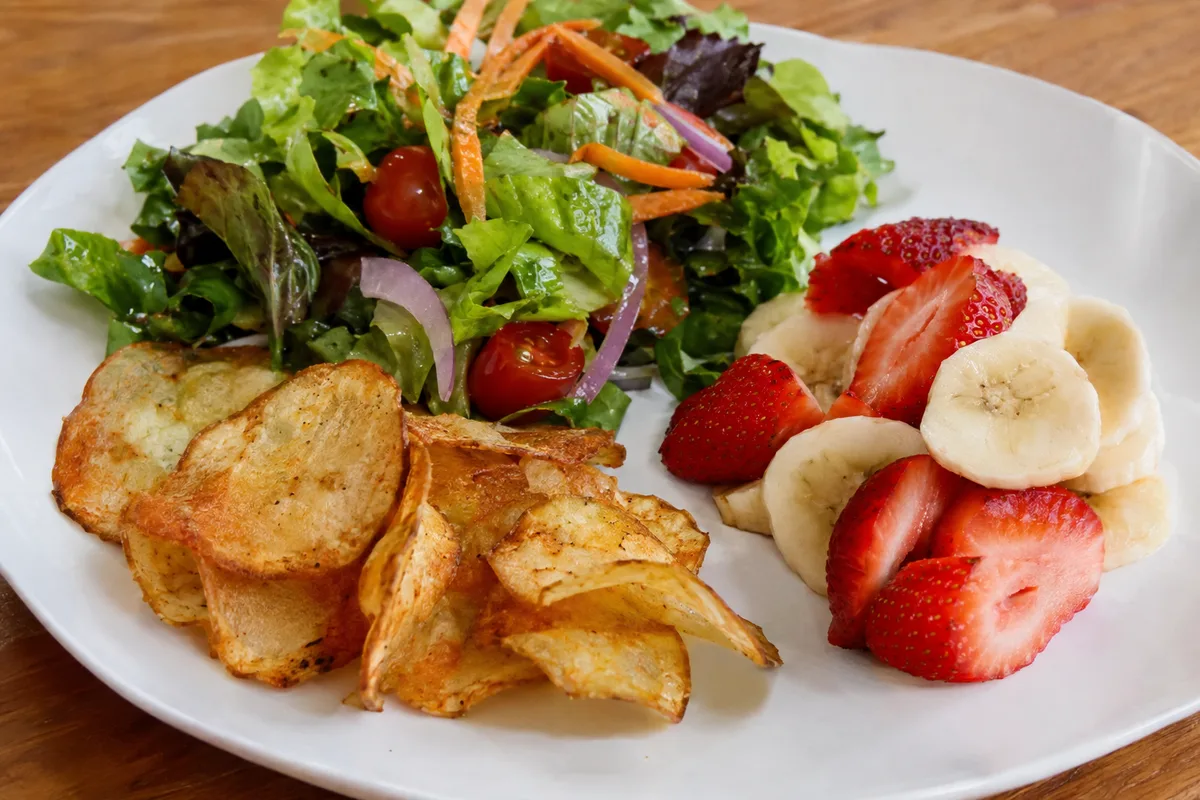
Chips can be part of a balanced order, especially when they are a favourite part of the meal. A dietitian-style choice is not always to remove them, but to pick a portion that fits your appetite. If you want something fresh as well, fruit, salad or vegetable sides may be available depending on the restaurant and country.

Sides can also help you avoid ordering a main item that is larger than you want. For example, a simple burger with chips and fruit may feel more varied than a more heavily filled burger on its own. There is no need to force a side salad into the order if it will go uneaten.
- Choose the chip portion that matches your hunger
- Add fruit if you want sweetness and fibre
- Choose salad when you want freshness or crunch
- Share or leave food if you become comfortably full
Choose a drink for the occasion
The drink is another part of the order rather than an afterthought. Water or a no-sugar soft drink can suit someone who wants most of the meal’s energy to come from food. A regular soft drink, juice, milk drink or sweetened coffee may be chosen when its taste is part of the experience.
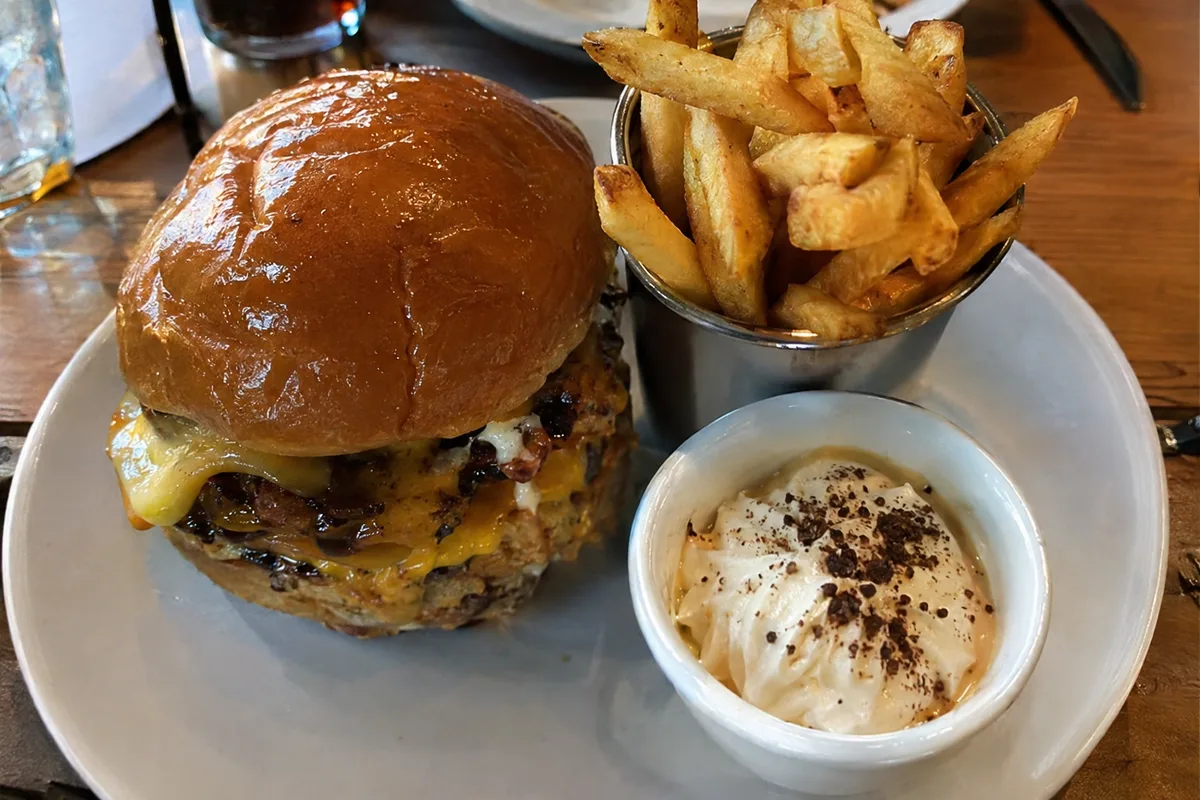
Coffee drinks can vary considerably depending on their size, milk, syrups and toppings. If you track your intake, enter the exact size and customisations rather than selecting the first similar item in your app. Nutrition information also varies by country, so use the listing for the restaurant you visited.
- Water with a full meal
- Tea or plain coffee with breakfast
- A milk-based drink when you want something more substantial
- A sweetened drink when it is an intentional part of the meal
Make room for favourites without turning them into rules
Some registered dietitian nutritionists may order chips, a dessert or a favourite burger simply because they enjoy it. Nutrition is shaped by the wider pattern of eating, not by proving that every individual meal is the most nutritious possible choice. Labelling one menu item as clean and another as a cheat can make an ordinary meal feel more complicated than it needs to be.
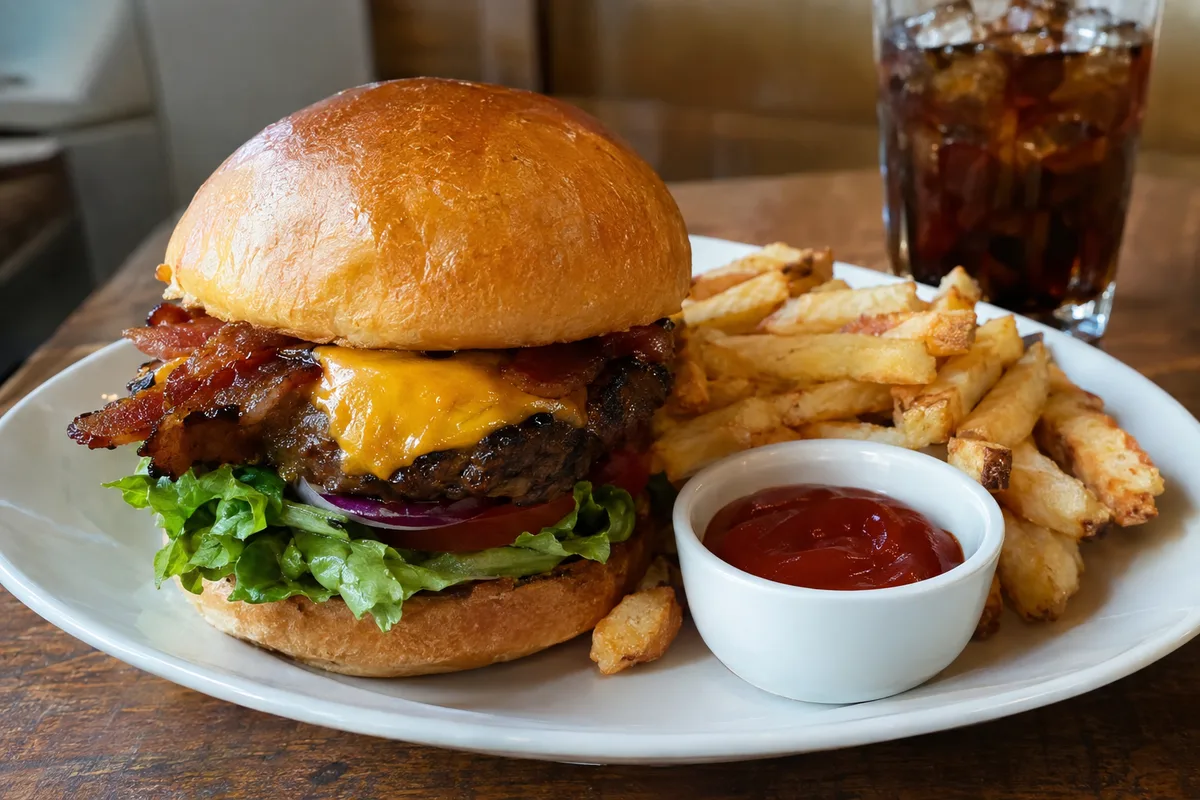
You can still make small adjustments when they improve the meal for you. That might mean skipping a sauce you do not enjoy, choosing a smaller dessert or keeping the full topping because it is the part you like best. The aim is a deliberate choice, not the fewest possible ingredients.
- Keep the topping or sauce you particularly enjoy
- Leave out extras that add little enjoyment
- Choose one favourite side or dessert rather than ordering by habit
- Eat slowly enough to notice when you feel satisfied
Track the order accurately, not perfectly
McDonald’s publishes nutrition and ingredient information, but menu recipes and serving sizes can differ between locations. When logging your meal, choose the correct country, product, portion and drink size. Include sauces, dressings, cheese, syrups and other additions if they were part of the order.
Tracking is still an estimate because portions are prepared by people and may vary slightly. Avoid changing the entry to make the meal look better or worse than it was. Record it as accurately as practical, then continue with your usual eating pattern at the next meal.
- Check the restaurant’s current nutrition listing
- Match the exact product and portion size
- Log drinks, dips and customisations
- Accept small differences in prepared portions
- Return to normal eating rather than compensating