
What Is the Best Form of Electrolytes?
Electrolytes come from everyday foods as well as drinks, powders and tablets. This guide explains how each form fits into food tracking and how to choose one for the situation.
There is no single best form
Electrolytes are minerals that help with everyday functions such as fluid balance, muscle movement and nerve signals. They include sodium, potassium, magnesium, calcium and chloride. The best form is simply the one that provides what you need in a practical way.

For an ordinary day, food and regular drinks may cover your needs. A dedicated electrolyte option may be more convenient after prolonged sweating or when eating is impractical. Your activity, environment, meals and personal preferences all affect that choice.
- Food for regular daily intake
- Drinks when fluid is also needed
- Powders for adjustable mixing
- Tablets for compact preparation
- Gels or chews when carrying a drink is inconvenient
Food is usually the most useful everyday source
Meals and snacks naturally provide a mixture of electrolytes alongside protein, carbohydrate, fat, fibre and other nutrients. Sodium and chloride are often supplied by salt and seasoned foods, while fruit, vegetables, dairy foods, beans, nuts and seeds provide different mineral combinations. Variety matters more than finding one special ingredient.
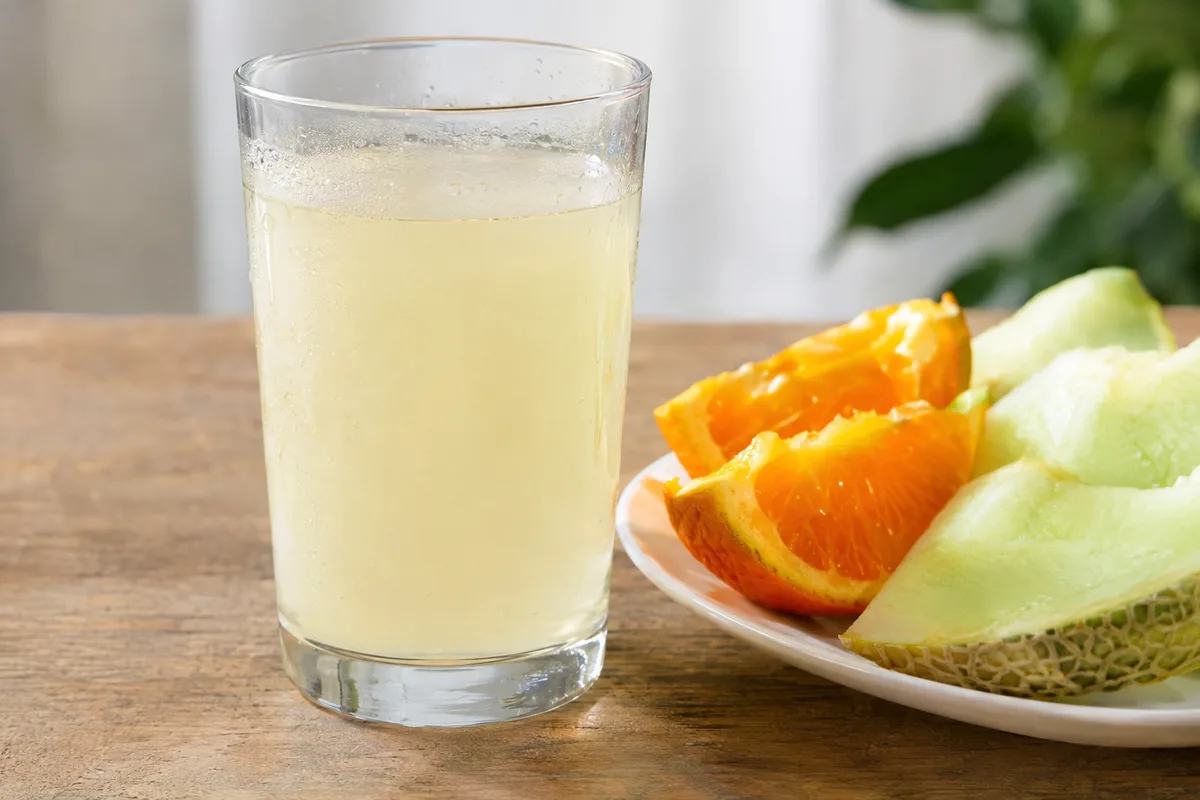
Food also fits neatly into the tracking you already do. Logging the whole meal shows its energy and macronutrients, although some tracking databases give incomplete mineral information. Check the food label or choose a verified database entry when electrolyte detail matters to you.
- Banana, potato, beans and leafy vegetables for potassium
- Milk, yoghurt and calcium-set tofu for calcium
- Nuts, seeds, beans and wholegrains for magnesium
- Salted bread, cheese, olives and soups for sodium
- Tomatoes, oranges and melon for a mixture of minerals
Electrolyte drinks combine minerals with fluid
A ready-mixed electrolyte drink provides fluid and selected minerals together. This can be useful when sweating continues for a long time, the weather is hot or a full meal would be awkward. For shorter or easier activity, ordinary water and normal meals may be enough.
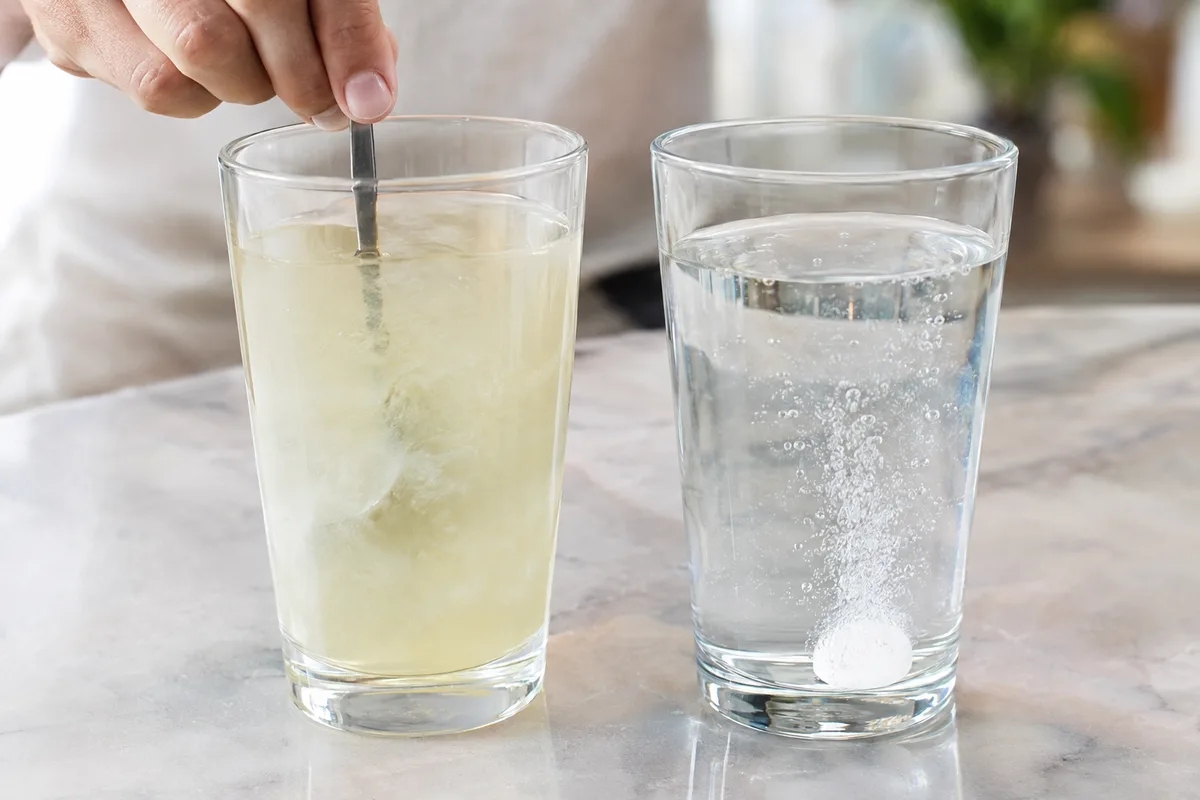
Some drinks contain carbohydrate, sweeteners or flavourings, while others are mainly water and minerals. Carbohydrate changes the energy content, so log the drink if it contributes to your intake. A zero-energy drink can still provide sodium or other electrolytes, but the label will show which ones are actually included.
- Check which electrolytes are listed
- Note whether carbohydrate is included
- Compare the serving size with the amount you drink
- Consider the flavour, as this can affect how much you choose to drink
Powders and tablets offer control and convenience
Powders and dissolvable tablets both turn plain water into an electrolyte drink. Powders may make it easier to adjust the amount mixed, while tablets are pre-portioned and simple to carry. Neither form is automatically absorbed better just because it looks more concentrated.
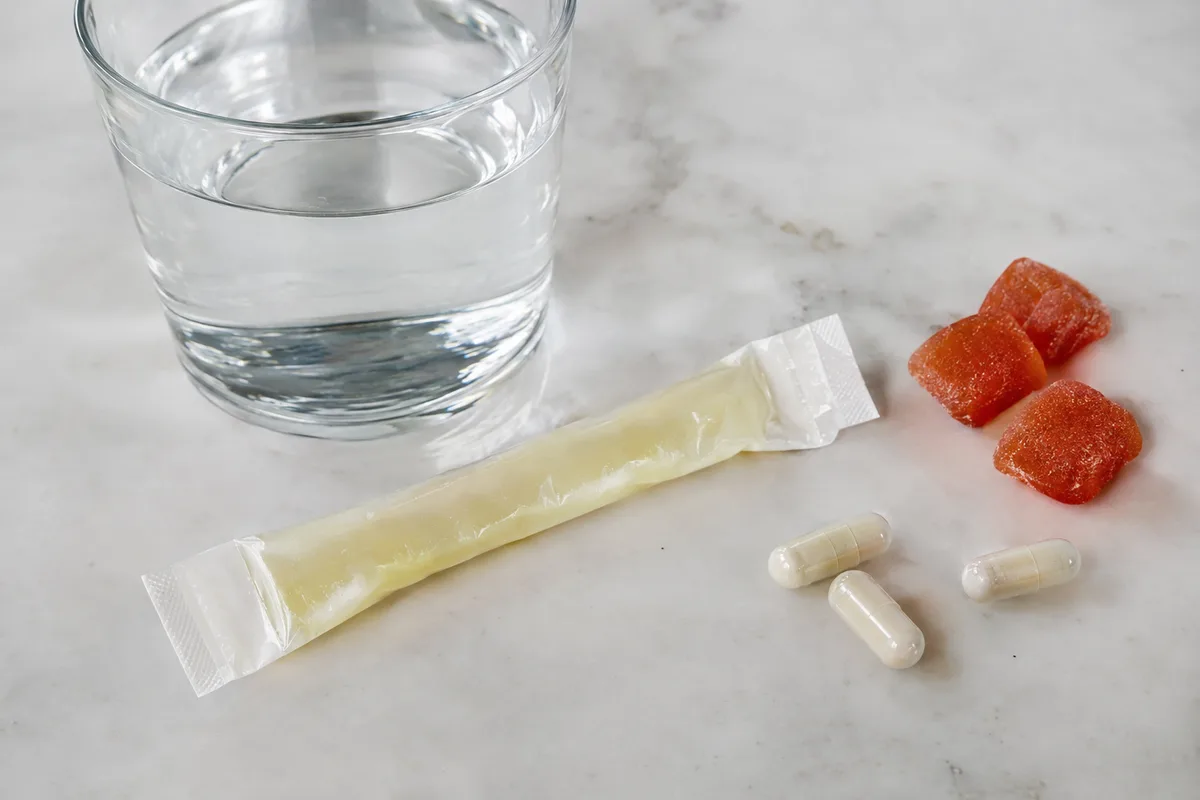
Follow the stated mixing directions rather than adding extra to make a stronger drink. Less water can create a more concentrated mixture and change the taste as well as the mineral content per sip. When tracking, log the actual number of portions used and include any carbohydrate shown on the label.
- Powder for flexible mixing
- Dissolvable tablets for pre-portioned preparation
- Single portions for easier food logging
- Clearly labelled products for checking mineral amounts
Gels, chews and capsules are not the same as hydration
Solid or semi-solid forms can supply electrolytes without adding much fluid. They may suit situations where carrying or drinking a large volume is uncomfortable. You still need to consider fluid separately because the electrolyte form itself does not replace water.
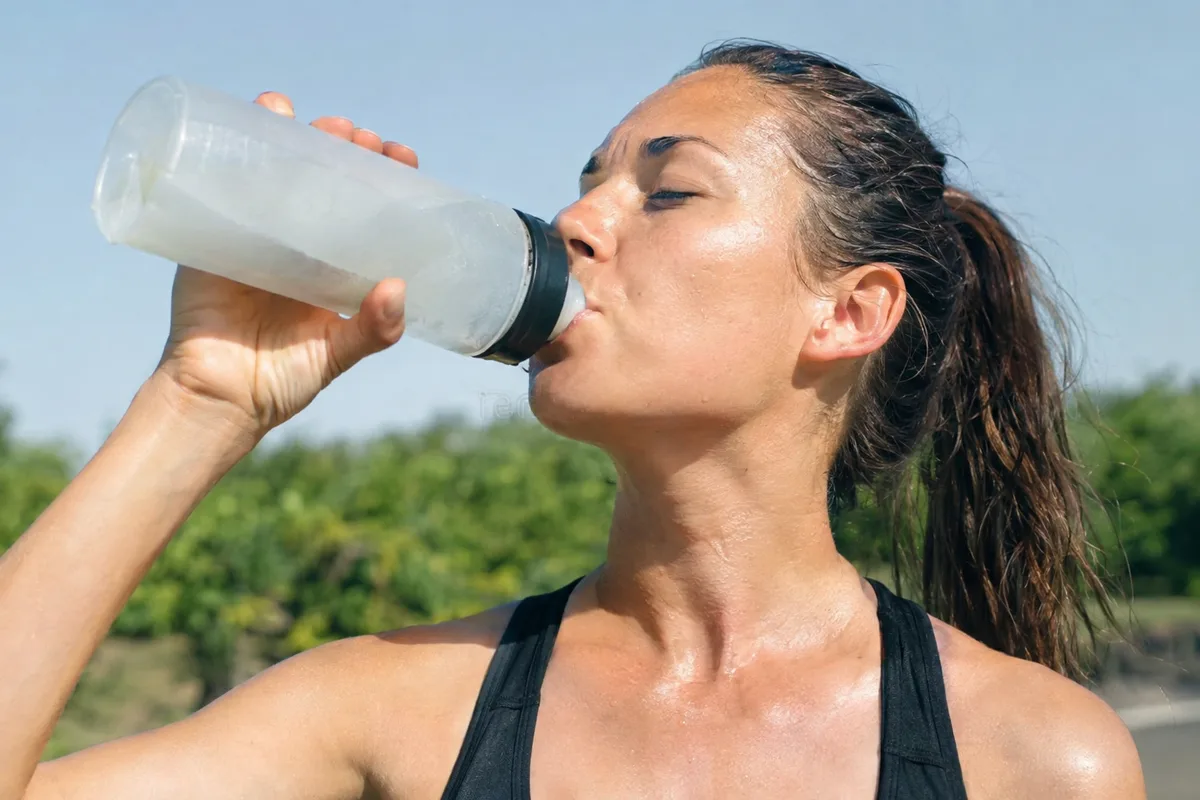
Gels and chews may also contain carbohydrate, so they can contribute energy to your daily total. Capsules generally do not provide meaningful carbohydrate, but their mineral content varies. Check the label rather than assuming that a small item contains the same mixture as an electrolyte drink.
- Log carbohydrate-containing gels and chews
- Record each portion rather than the whole packet by default
- Track fluid separately
- Check whether the form contains one mineral or a blend
Choose the form that matches the situation
Start with the reason you want electrolytes. For routine eating, a varied diet is often the most practical form, while a drink may make more sense when replacing fluid is also the aim. Portable forms can be useful when preparation, storage or carrying a bottle is difficult.
More is not automatically better. Electrolyte needs and sweat losses differ from person to person, and a salty taste is not a precise measure of what your body requires. Use labels consistently, avoid stacking several concentrated forms without a clear reason, and seek personalised professional guidance if you have been told to limit particular minerals or fluids.
- Match the form to the length and intensity of activity
- Consider heat, sweating and access to meals
- Check whether fluid or carbohydrate is also needed
- Choose a form you can track consistently
- Review the total from food, drinks and supplements