
How to Choose the Best Greens Powder for Your Food Log
Greens powders can add a convenient mix of dried plant ingredients, but they are not all alike. This guide explains what to check and how to decide whether one adds anything useful to the food you already track.
What a greens powder actually is
A greens powder is a blend of dried ingredients intended to be stirred into water or added to food. It may contain leafy vegetables, grasses, fruit, herbs, algae, fibre or added vitamins and minerals. Drying and processing make these ingredients compact, but the finished drink is not the same as eating the original foods.
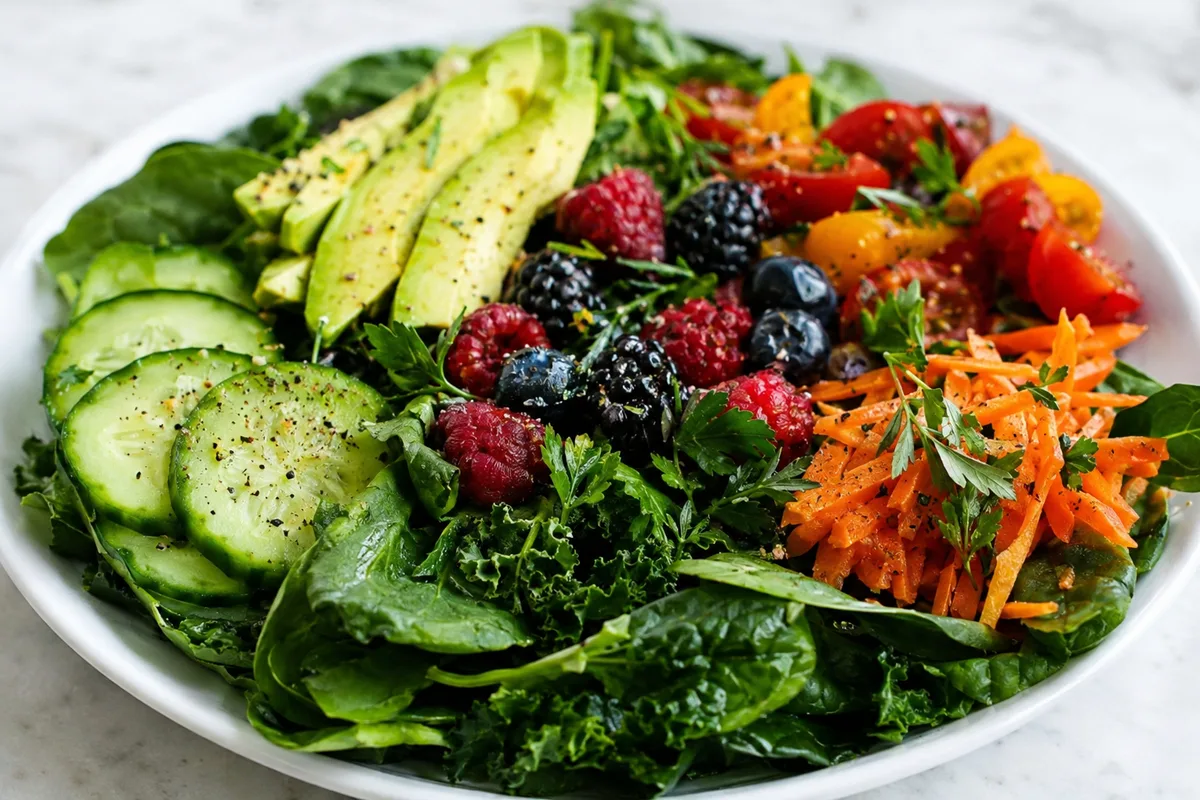
The word “greens” does not tell you much about the contents. One blend may be based mainly on vegetables, while another may contain flavourings, sweeteners or added nutrients alongside a small plant mixture. The ingredient list and nutrition label are therefore more useful than the colour of the powder or the claims on the front.
- Dried leafy vegetables such as spinach or kale
- Grasses such as wheatgrass or barley grass
- Fruit or vegetable powders
- Herbs, algae or plant extracts
- Added fibre, vitamins, minerals, flavourings or sweeteners
Start with the gap in your food log
The best option depends on why you want to use it. Look through several typical days in your food log and notice what is regularly missing or difficult to include. A powder is more useful when it addresses a real gap rather than simply adding another entry.
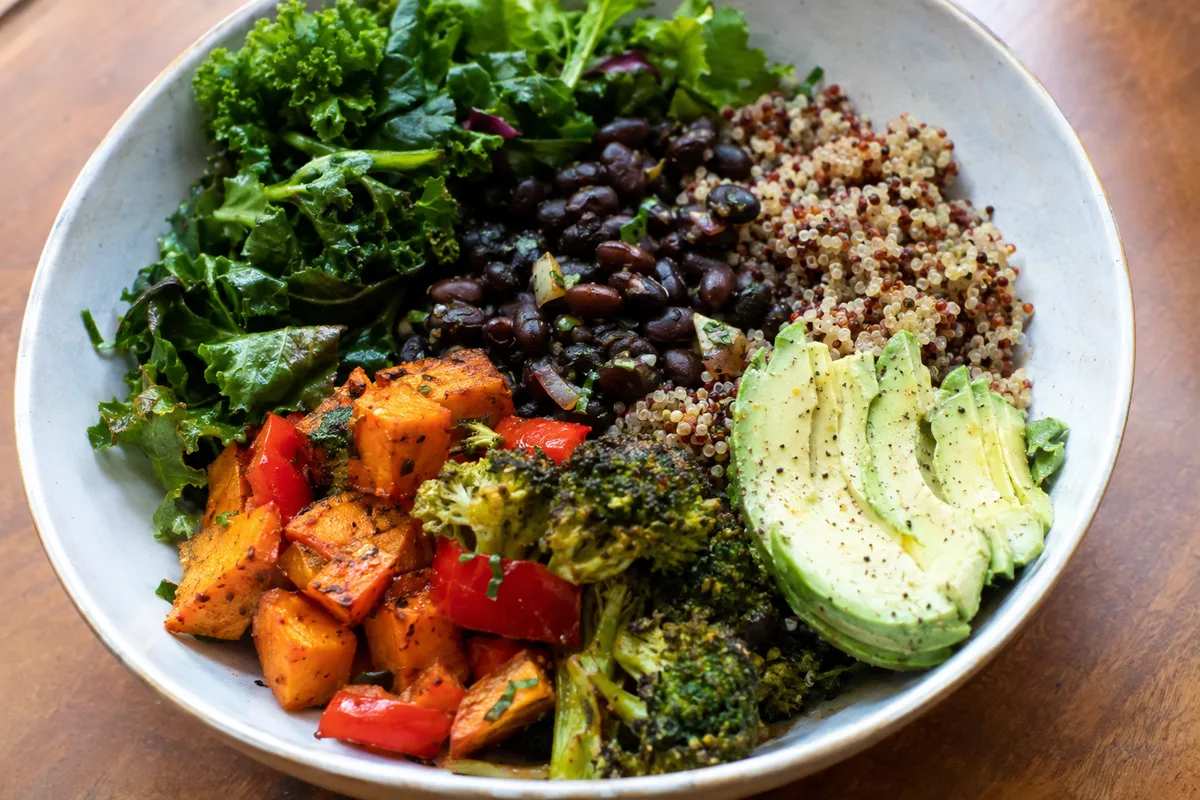
If vegetables, fruit and fibre-rich foods already appear regularly, a greens powder may add little variety. If busy mornings often lead to a very limited breakfast, a simple blend might be convenient alongside a more substantial food. It should complement meals rather than become a reason to remove whole foods from them.
- Check how often vegetables and fruit appear across the day
- Notice whether your meals include varied colours and plant foods
- Look at fibre from beans, lentils, wholegrains, nuts and seeds
- Identify situations where convenience matters most
- Decide what you expect the powder to contribute
Read the ingredient list carefully
Ingredients are listed in descending order by weight, so the first few usually make up much of the product. Look for familiar foods near the beginning and check whether sweeteners, flavourings or fillers appear prominently. A long list is not automatically better than a short one.
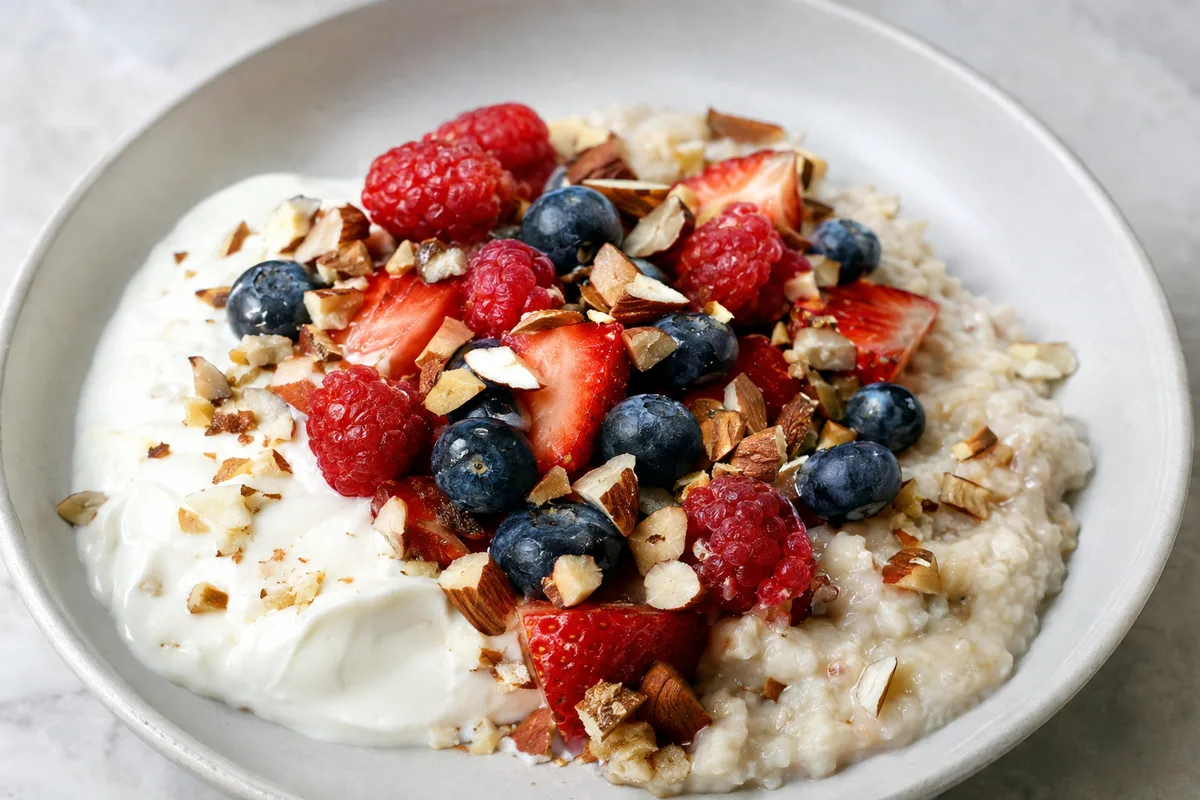
Some labels group many ingredients into a single blend without showing the amount of each one. This makes it difficult to know whether a highlighted ingredient forms a meaningful part of the serving. A clearer label lets you understand what you are logging and compare it with similar products.
Pay attention to ingredients that overlap with other supplements or fortified foods you use. More is not always more useful, particularly when several sources contain the same added vitamins or minerals. If you are unsure whether an ingredient suits you, seek personalised guidance from a qualified health professional.
- Prioritise clearly named ingredients
- Check which ingredients appear first
- Be cautious with blends that hide individual amounts
- Look for added sugars, sweeteners and flavourings
- Compare added nutrients with your other logged foods and supplements
Compare nutrition without expecting a meal
Most greens powders are not designed to provide the balance of a meal. They may contain some carbohydrate, protein or fibre, but the amounts depend on the blend and serving size. Log the stated serving you actually use rather than treating every green drink as nutritionally identical.
Check fibre if that is one of your reasons for choosing a powder. Whole vegetables, fruit, pulses and grains also bring texture, water and a larger volume of food, which a small serving of powder cannot reproduce. Protein and fat may also be low, so a drink alone may not keep you satisfied for long.
Added vitamins and minerals can make the label look impressive, but compare them with your overall intake. A product with more listed nutrients is not necessarily the best match for you. The useful choice is the one that fits your established eating pattern without creating unnecessary duplication.
- Serving size used in your log
- Energy, protein, carbohydrate and fat
- Fibre per stated serving
- Added vitamins and minerals
- Sugars and other sweetening ingredients
Taste and routine matter
A powder only has practical value if you can use it in a way you genuinely like. Some taste grassy, earthy or bitter, while others rely on fruit flavours or sweeteners. Texture can also vary from smooth to slightly gritty.
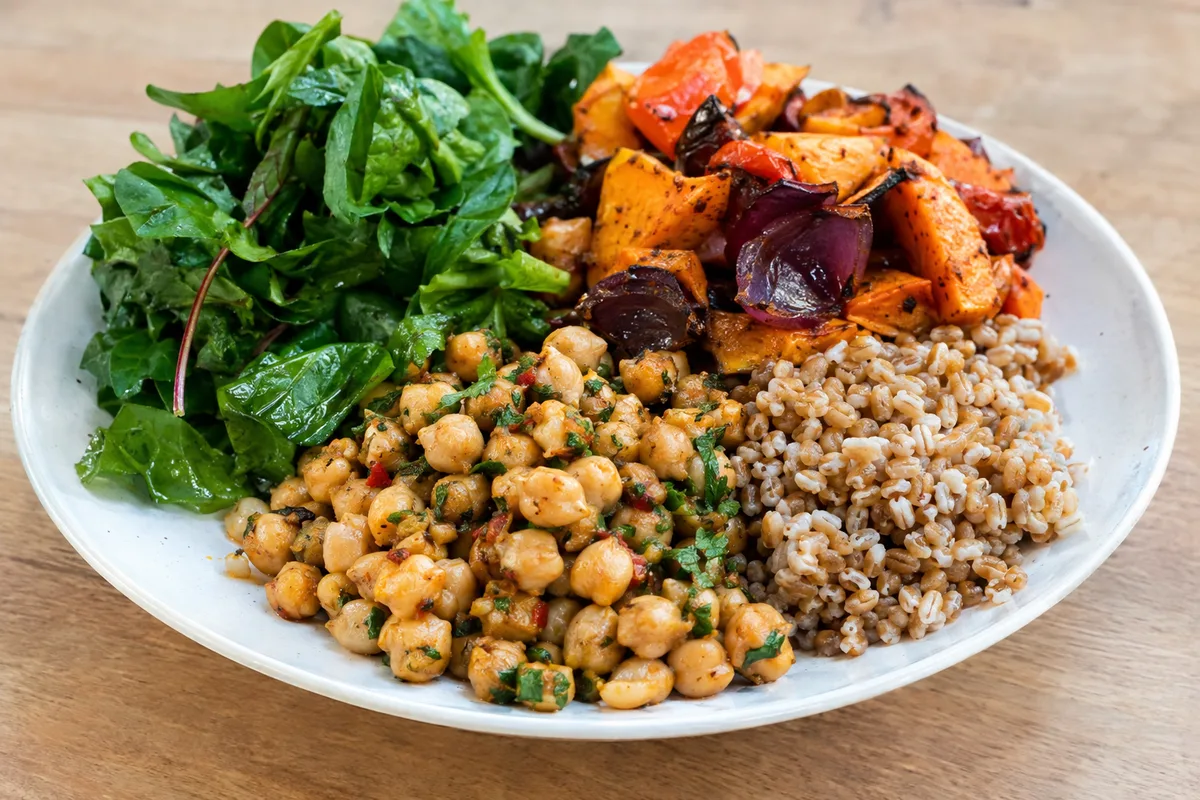
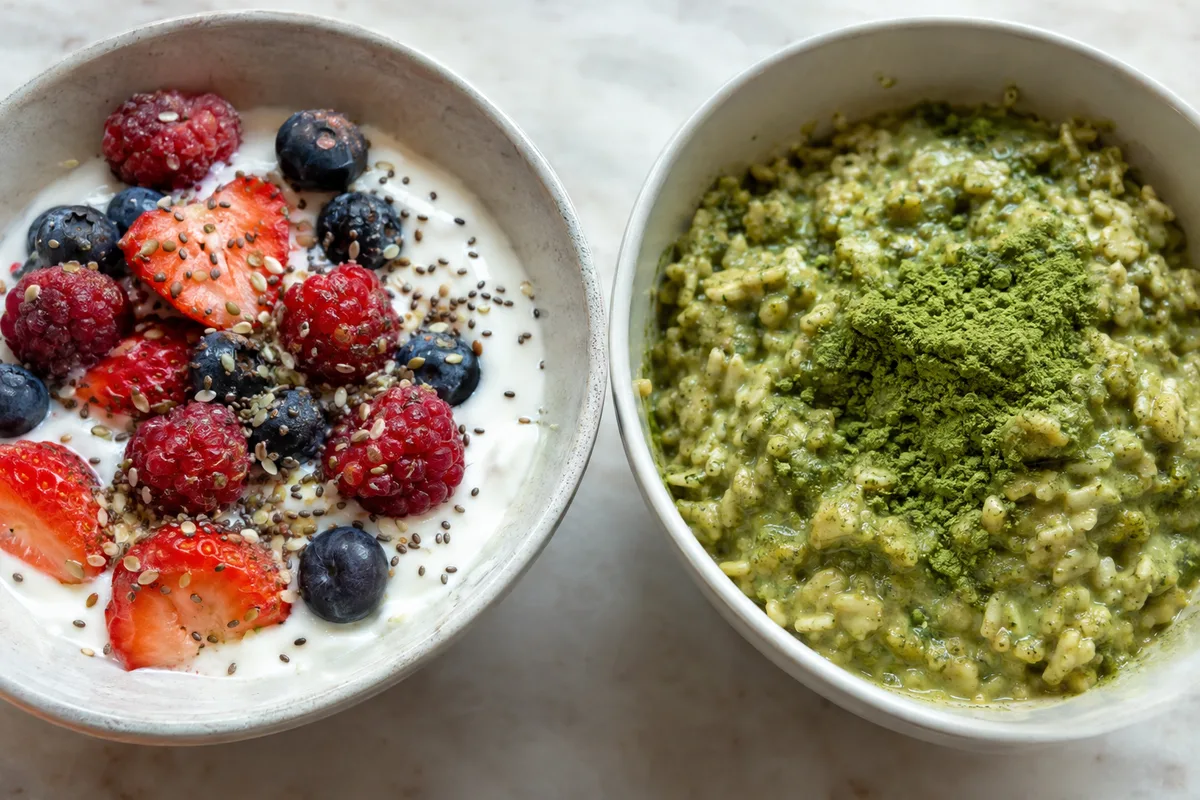
Try to judge the powder as part of your normal routine rather than in isolation. It might work in yoghurt, porridge or a smoothie if those foods are already familiar parts of your day. Adding it to a recipe can also add energy and nutrients from the other ingredients, so log the complete combination.
Avoid forcing a greens drink into your day simply because it seems virtuous. If you regularly dislike the taste or it displaces a breakfast you enjoy, it may not be a good fit. Consistency is easier when the choice is convenient, pleasant and connected to an existing habit.
- Stirred into plain yoghurt
- Mixed through porridge
- Blended with fruit and milk or a milk alternative
- Combined with nut butter in a smoothie
- Mixed with water if you prefer a simple drink
A sensible definition of “best”
There is no single best greens powder for every food log. A useful option has a transparent ingredient list, nutrition information that matches your goal and a taste you can live with. It should also be straightforward to record accurately.
Treat the powder as one food choice, not as a shortcut to a perfect diet. Keep logging it alongside meals and review whether it changes anything you care about, such as convenience, fibre intake or food variety. If it adds little, you do not need to keep it in your routine.
Whole plant foods remain important because they offer variety, texture and different combinations of nutrients. A greens powder can sit beside those foods, but it does not need to replace them. The best choice may also be no powder at all if your current meals already meet your needs.
- Clear amounts rather than vague blends
- Ingredients that serve a specific purpose
- A flavour and texture that suit your routine
- No unnecessary overlap with other supplements
- Easy, accurate logging