
Notes on eating well
Practical notes on eating, training and keeping track.
-

How stretching can support weight loss
Stretching is not a shortcut to weight loss, and it usually uses less energy than more active forms of movement. Its value lies in helping you move comfortably, prepare for activity and build a routine you can keep alongside food tracking.
-
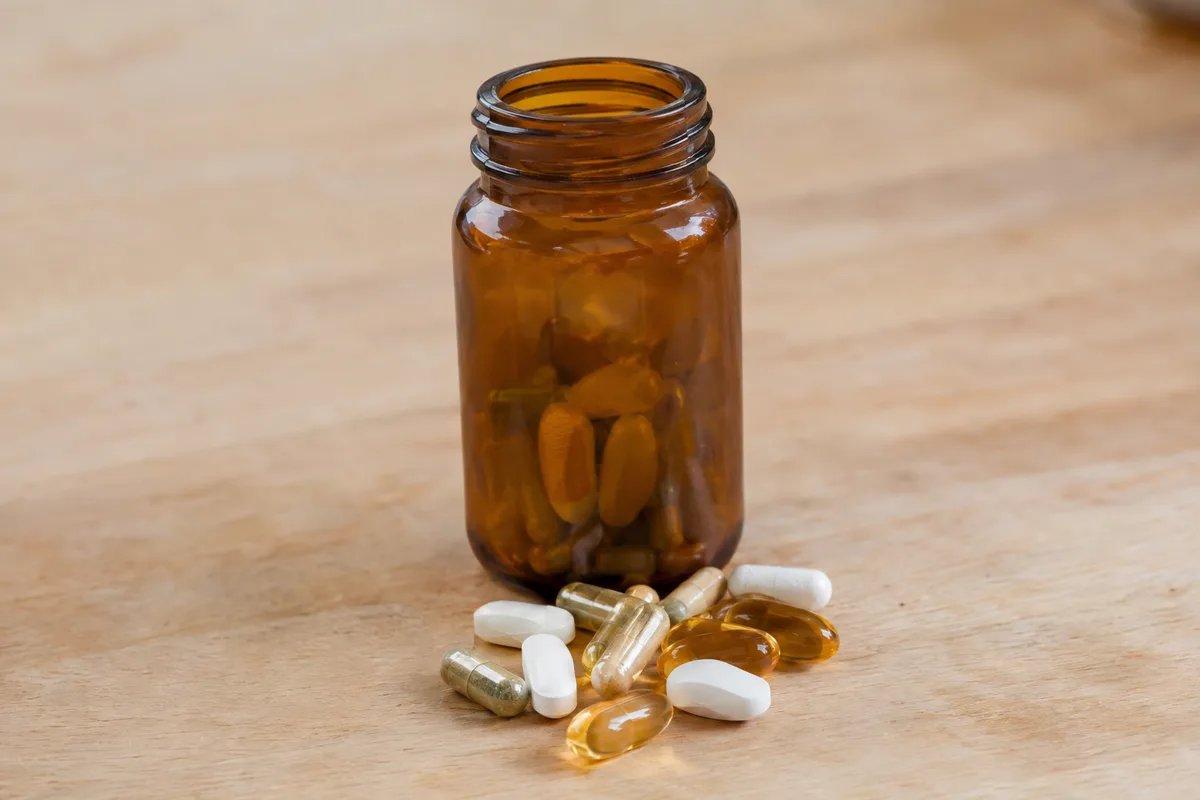
Can You Take Vitamins After Their Expiry Date?
An expiry date does not usually mean a vitamin suddenly becomes harmful, but its quality and strength may no longer be guaranteed. Here is how to check an expired supplement, decide what to do and keep future supplies in better condition.
-
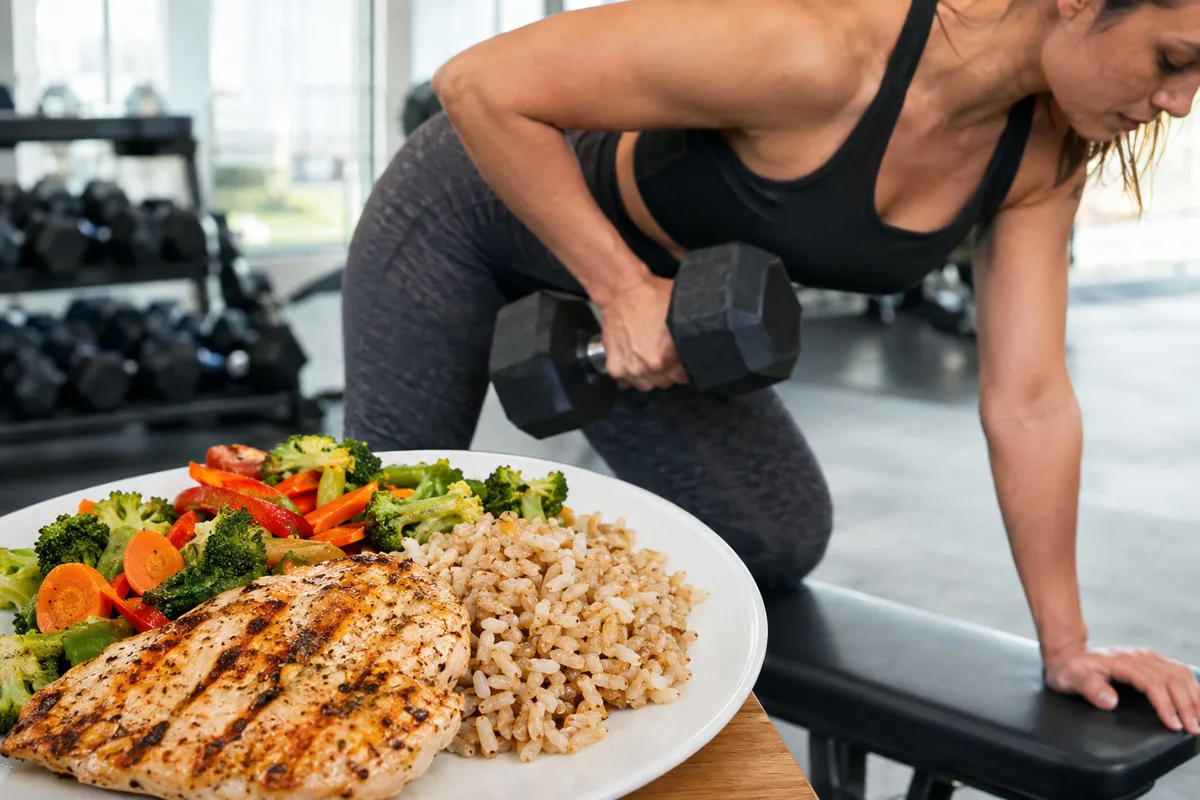
Are You Eating to Support Muscle?
Building and maintaining muscle takes more than adding protein to your food log. This guide explains what to track, how meals support training and how to assess your routine over time.
-
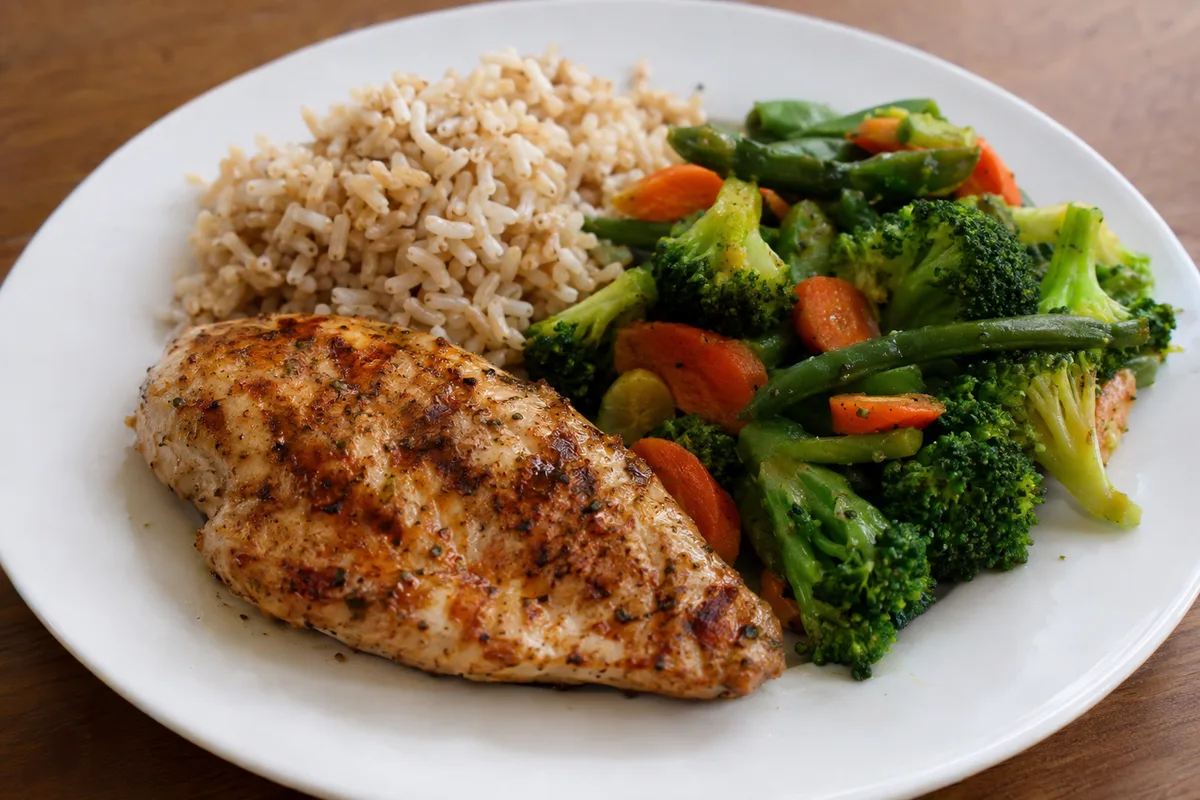
How Much Weight Does It Take to Lose an Inch?
Losing an inch from your waist does not correspond to one set number of pounds. This guide explains why the relationship varies and how to track weight, measurements, food and movement consistently.
-
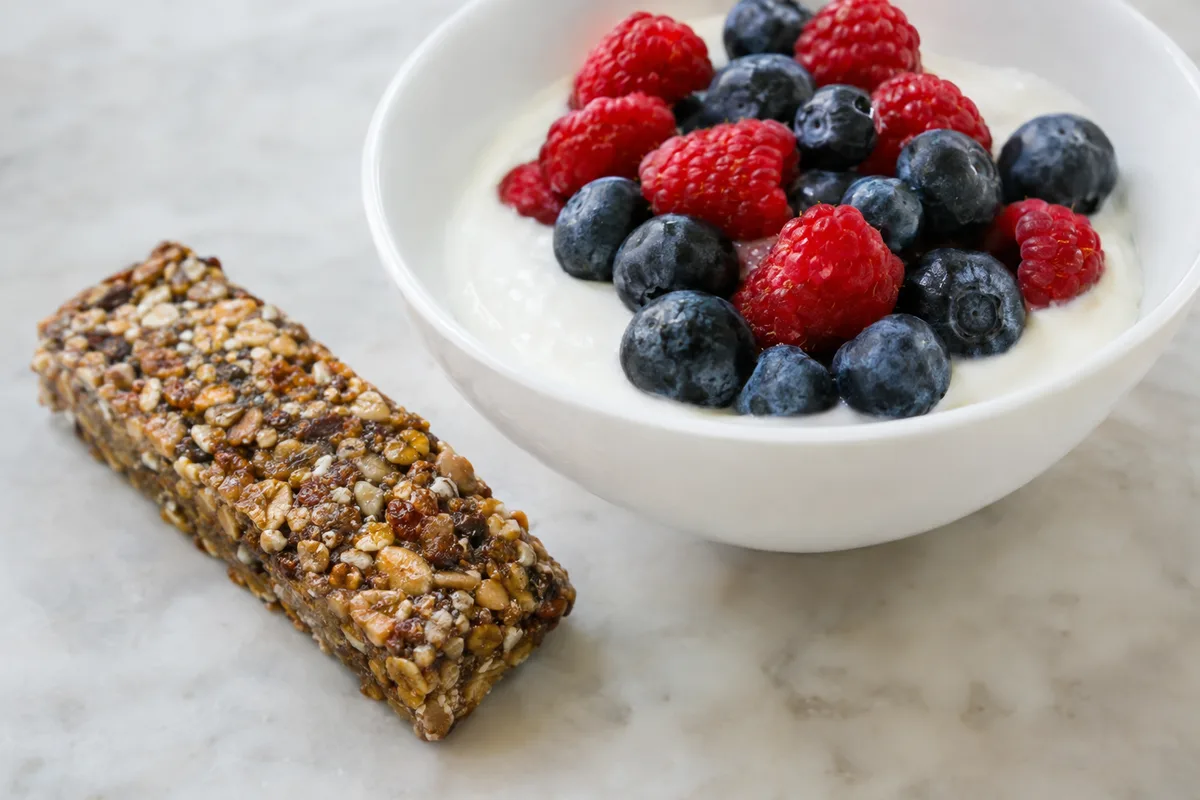
How to Choose a Healthier Protein Bar, Without Relying on Brand Hype
Protein bars vary widely, even within the same brand, so the front of the wrapper rarely tells the whole story. This guide explains what registered dietitians tend to look for and how to compare bars using information you already track.
-
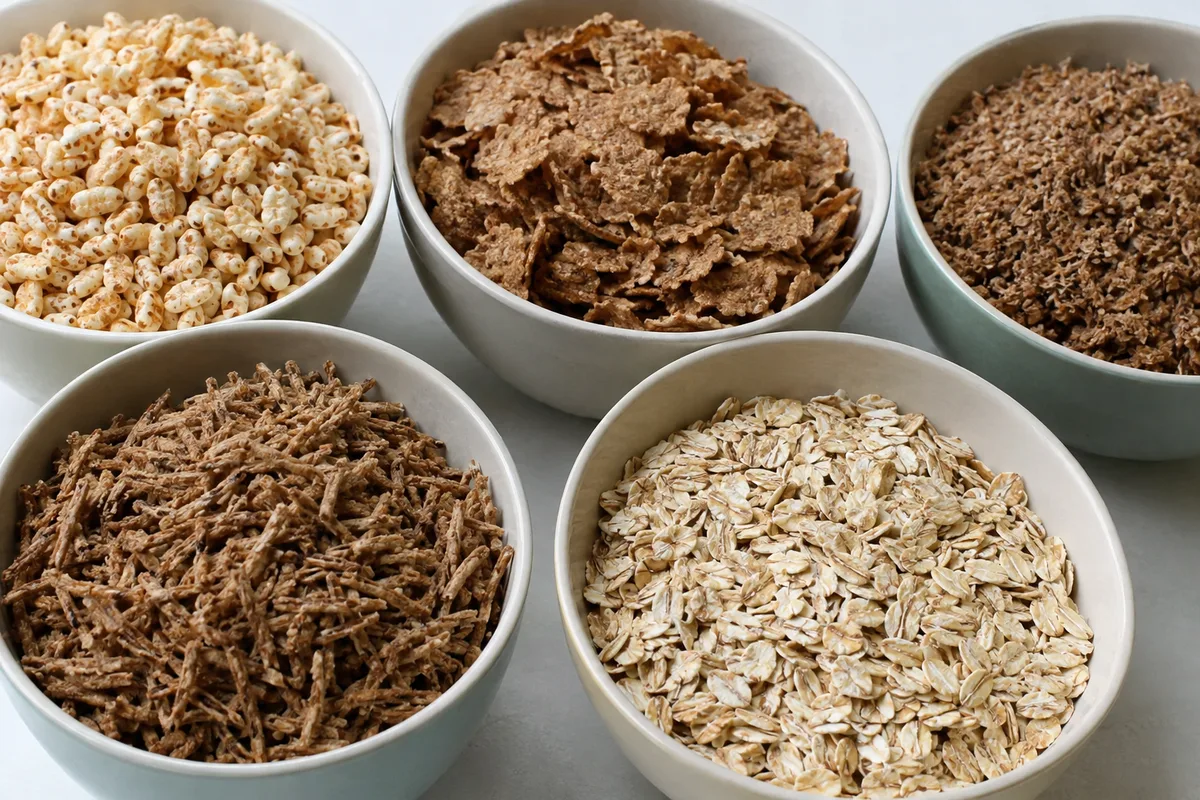
How to Find the Lowest-Calorie Breakfast Cereals
The lowest-calorie cereal depends on the serving size, recipe and what you add to the bowl. This guide explains how to compare your usual options fairly and build a breakfast that suits your calorie target.
-
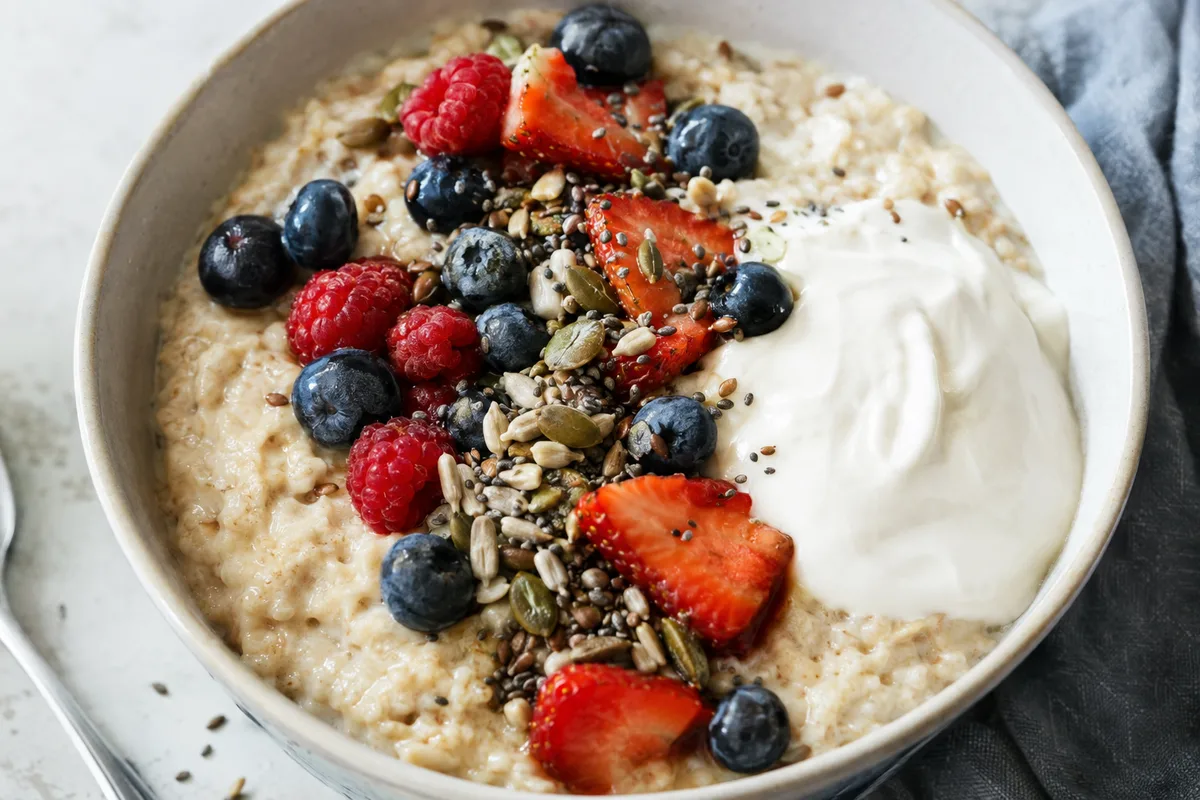
How to Build a Breakfast Under 500 Calories
A breakfast under 500 calories can take many forms, from porridge and fruit to eggs on toast. This guide explains how to combine foods, check portions and make simple changes while keeping the meal enjoyable.
-
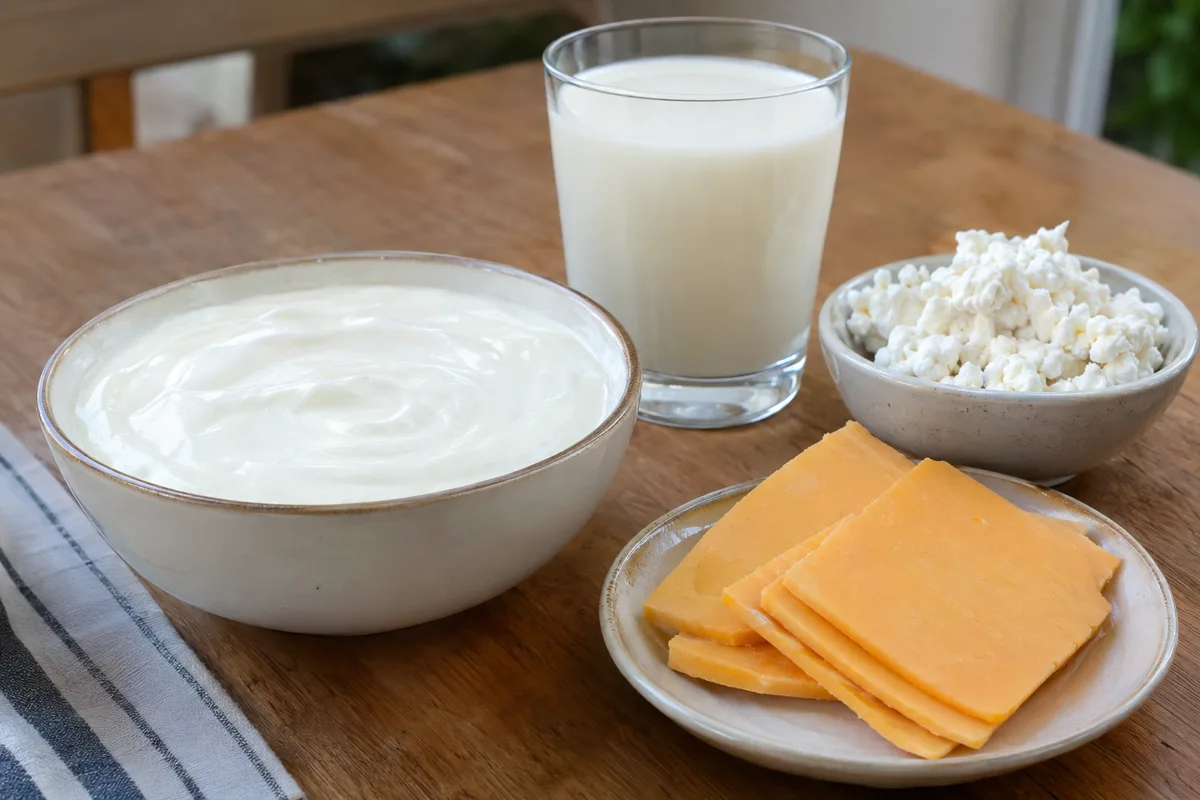
Which Foods Contain Casein Protein?
Casein is a protein found naturally in milk and many foods made from it. This guide explains the main sources, less obvious ingredients and practical ways to track them.
-
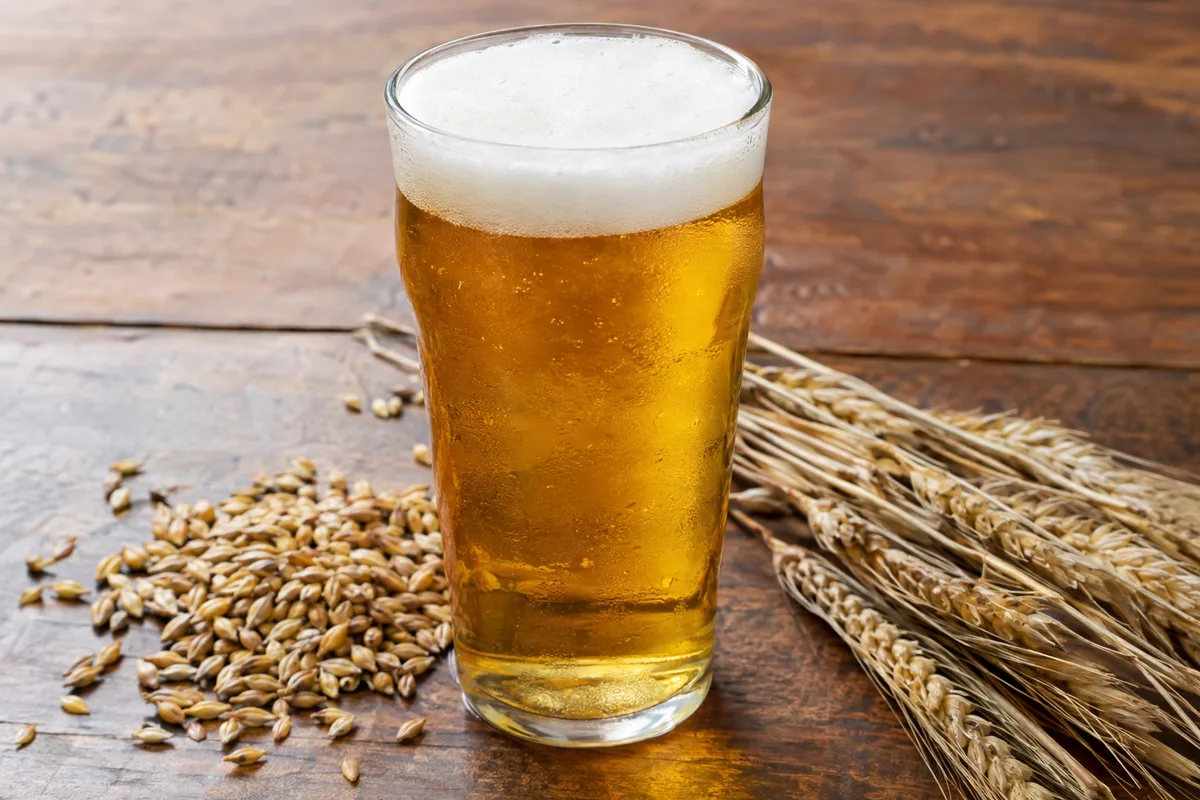
Are Corona, Bud Light and Michelob Ultra gluten free?
Corona, Bud Light and Michelob Ultra may be light in taste or calories, but that does not make them gluten free. Here is what their ingredients mean and how to record a suitable alternative in your food diary.
-
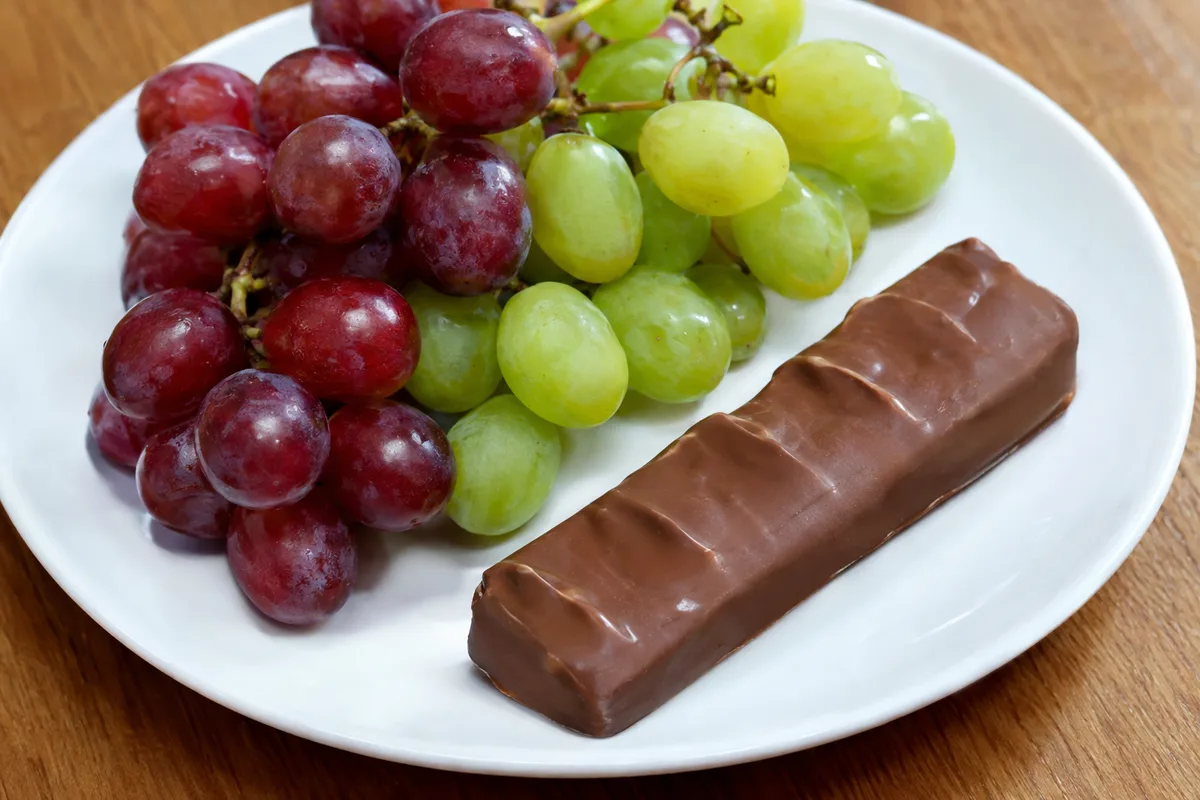
Are Grapes Really as Bad as Candy Bars?
This comparison looks beyond sugar to explain how grapes and candy bars differ in fibre, fat, nutrients and fullness. It also shows how to record each food in a way that supports practical, balanced tracking.
-
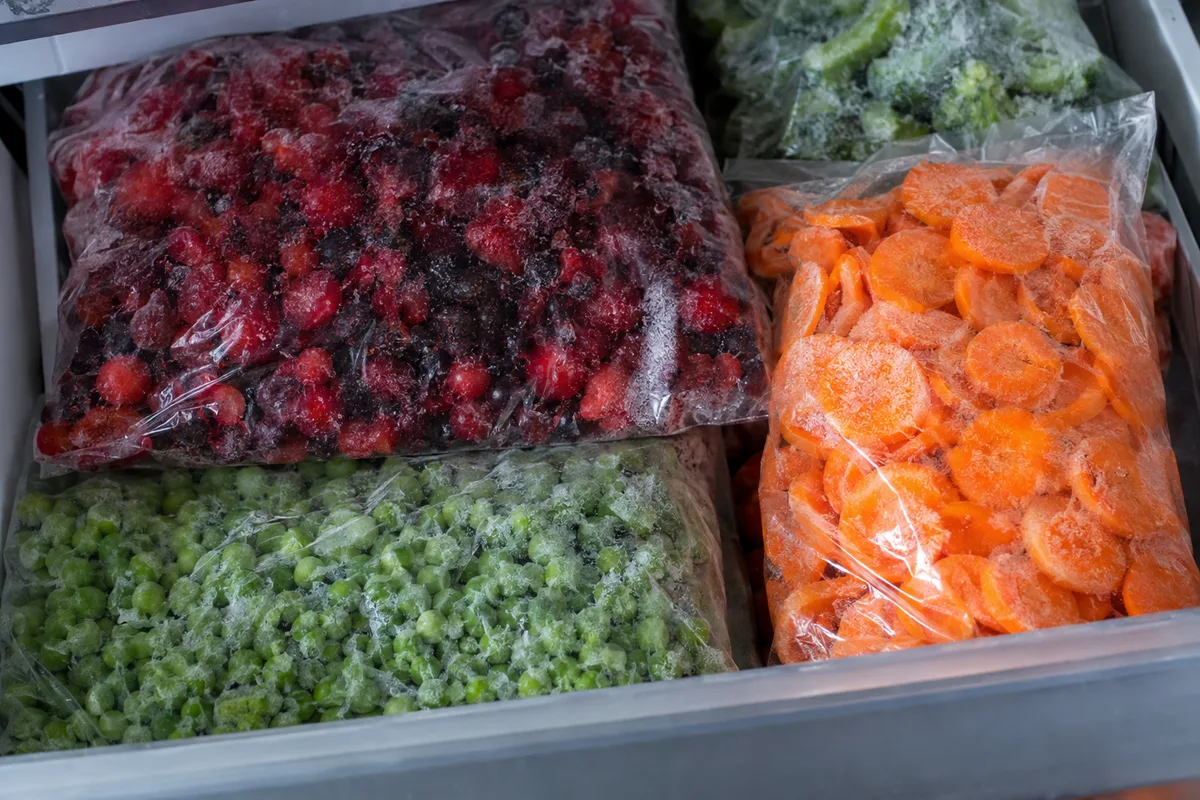
How Long Do Frozen Fruit and Vegetables Last?
Frozen fruit and vegetables can stay usable for a long time when kept consistently frozen, but their texture and flavour gradually decline. This guide explains how to judge quality, store produce well and handle it safely after thawing.
-
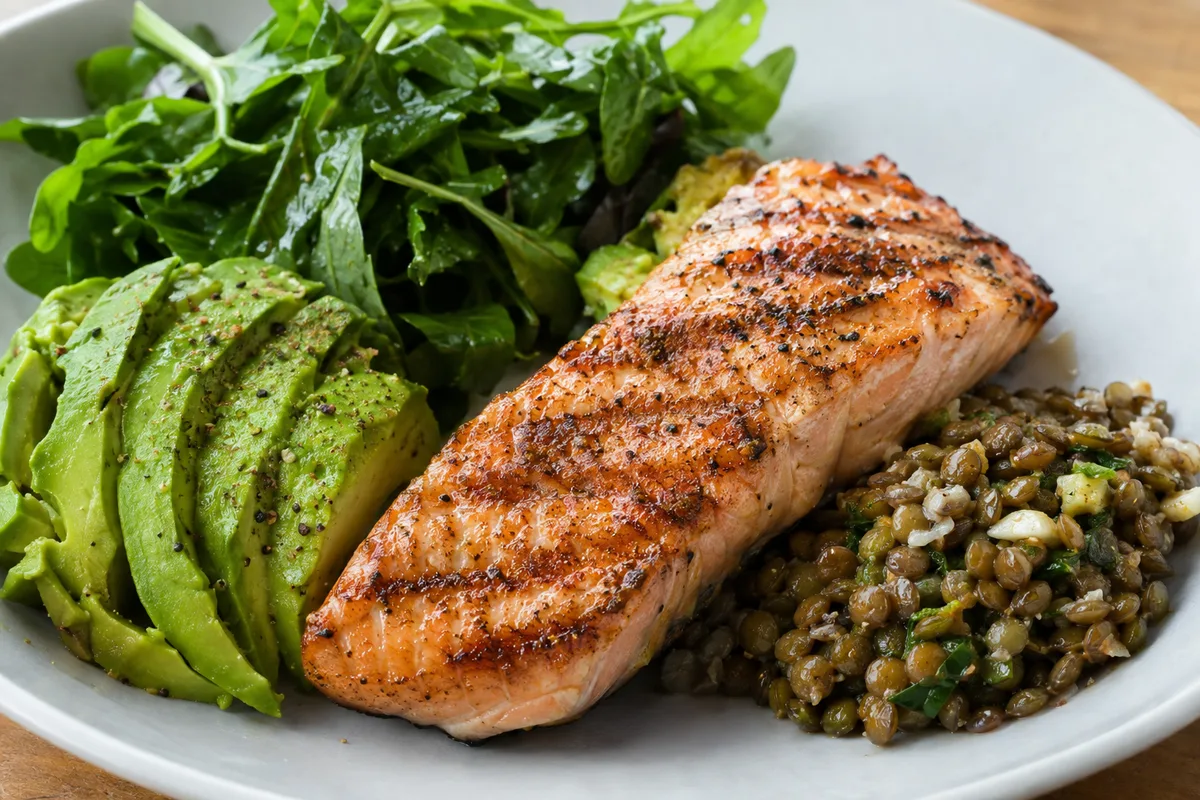
What to Know Before Trying a Low-Carb, High-Fat Diet
A low-carb, high-fat diet changes where much of your food energy comes from, but there is no single version of the approach. This guide explains what you may eat, how to track it and how to keep meals balanced.
-
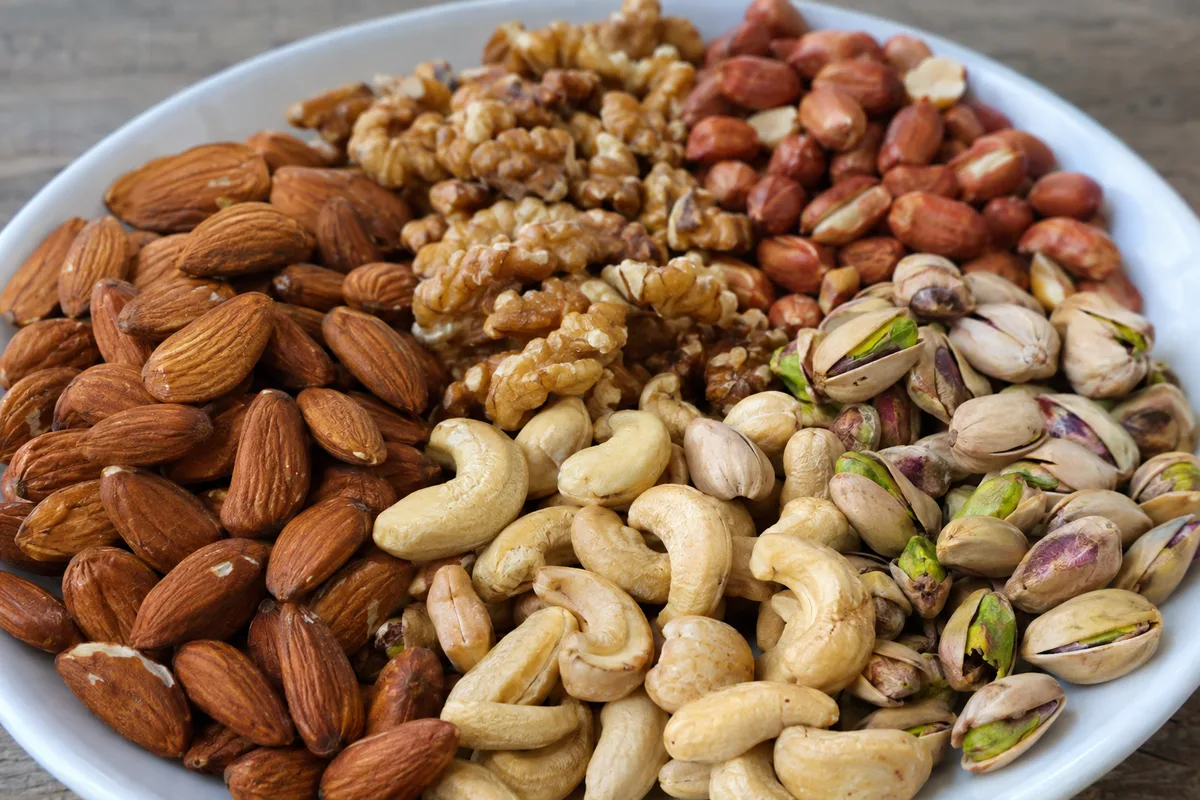
Are Nuts and Peanuts Gluten Free?
This guide explains when nuts and peanuts are gluten free and why some nut products need a closer look. It also covers labels, cross-contact and how to record them accurately in your food diary.
-

How Many Calories Does an Hour of Moderate Dancing Burn?
An hour of moderate dancing can make a useful contribution to your daily activity, but there is no single calorie figure that suits everyone. This guide explains what counts as moderate dancing, what affects the estimate and how to record it in your food and activity log.
-
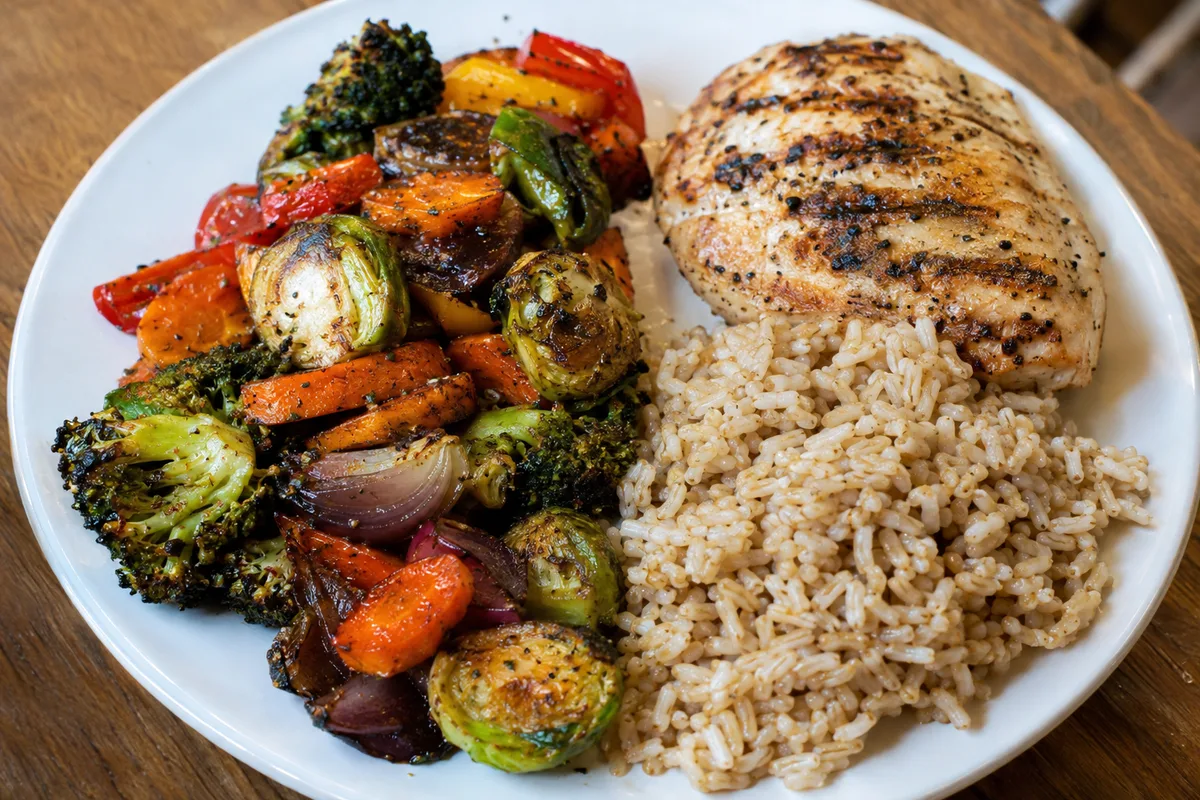
The Plate Diet: What It Means and How to Use It
The plate diet is a visual way to balance vegetables, protein and starchy carbohydrates at a meal. Here is how the approach works, where food tracking fits and why portions still depend on the person.
-
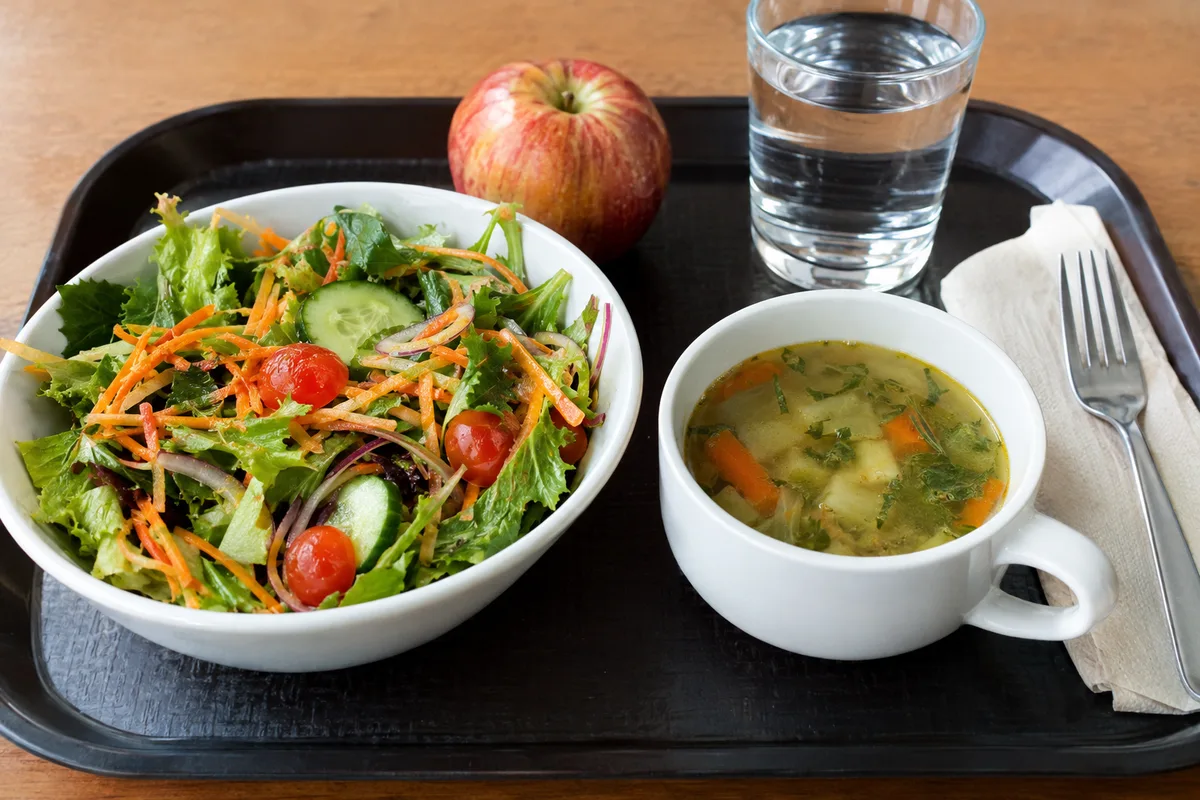
How to Choose a Diet-Friendly Meal at Panera Bread
A diet-friendly Panera Bread choice depends on what you track, how hungry you are and what else you eat that day. This guide explains how to compare soups, salads, sandwiches, bowls, sides and bakery items using current menu information.
-
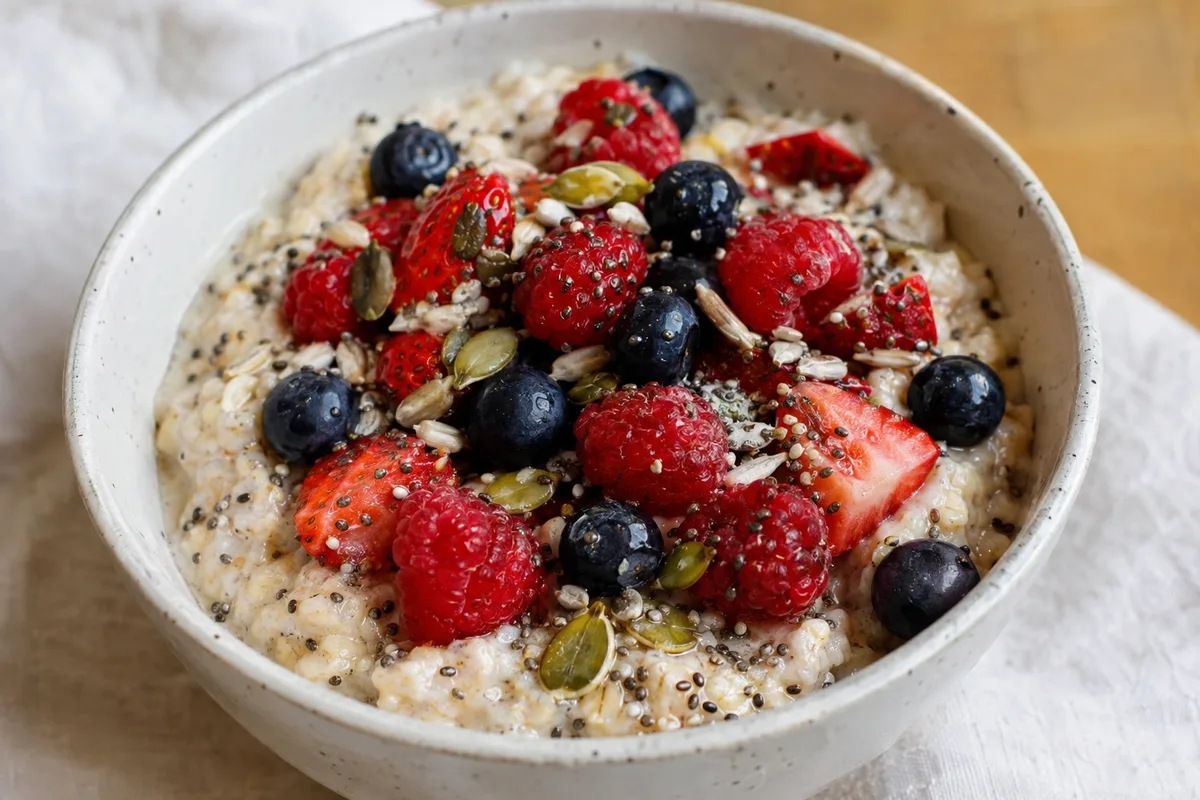
What happens when you take a fibre supplement every day?
A daily fibre supplement can change bowel habits, fullness and digestive comfort, but the effects vary by fibre type and person. This guide explains what to expect, how to track it and why food sources still matter.
-
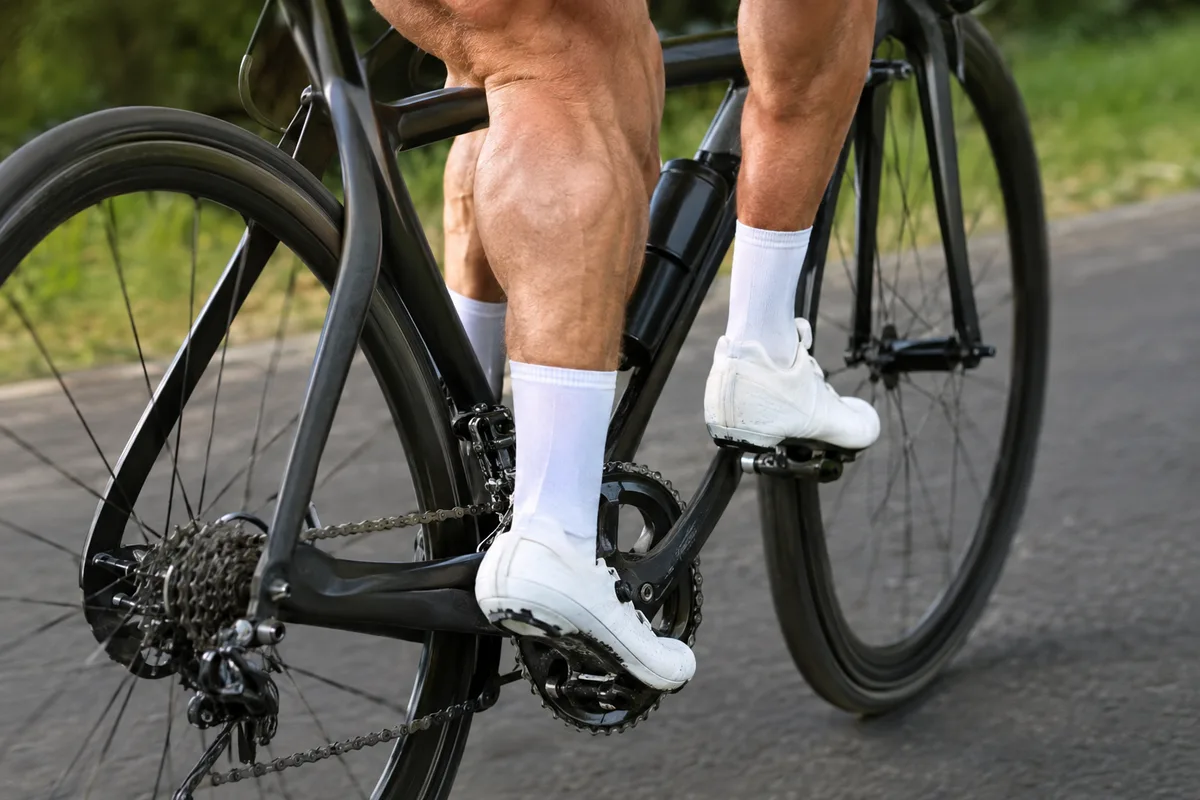
How many calories does cycling 10 miles burn?
There is no single calorie figure for a 10-mile bike ride because the effort and time can vary widely. Here is what changes the estimate and how to record the ride consistently alongside your food intake.
-
Can You Mix Creatine with Protein Powder?
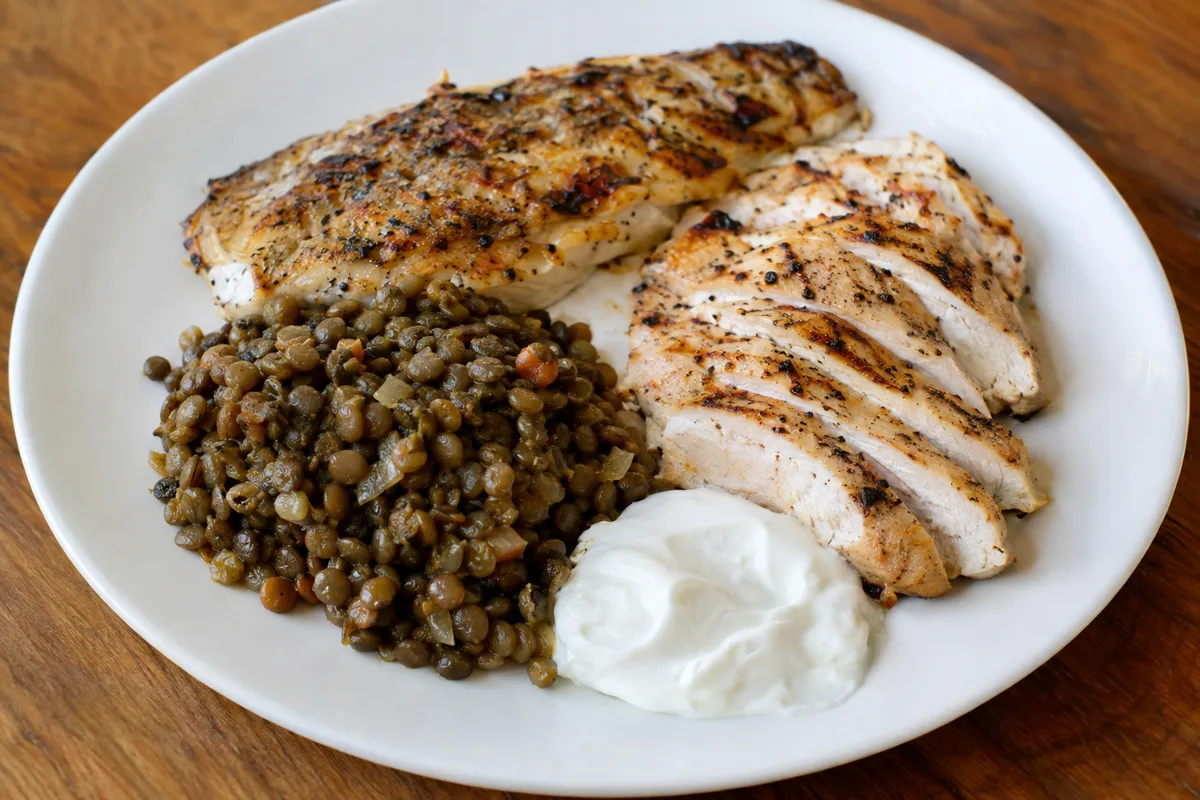
Creatine and protein powder do different jobs, but they can be mixed in the same drink or meal. This guide explains how to combine them, what to track and when separate servings may be more practical.
-
The Zone Diet: what its 40–30–30 balance means
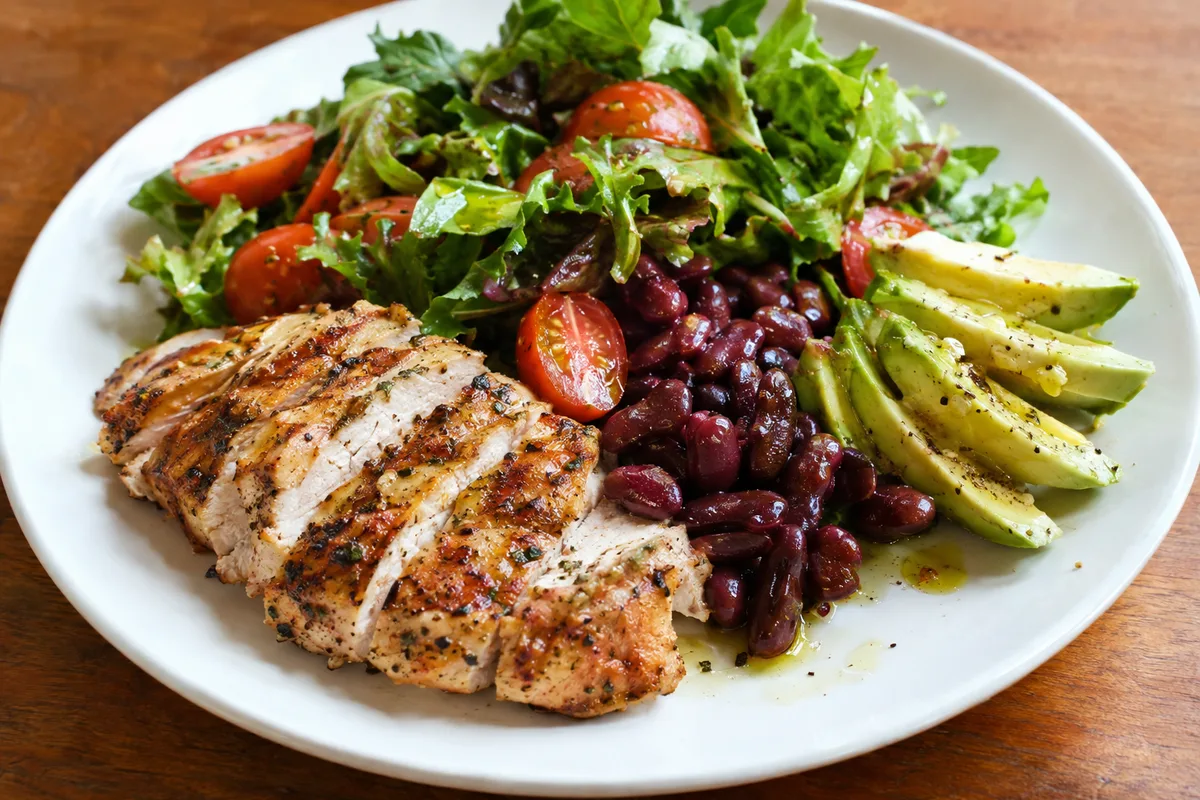
The Zone Diet organises meals around set proportions of carbohydrate, protein and fat. This guide explains how the approach works, how to track it and where flexibility may be useful.