
Notes on eating well
Practical notes on eating, training and keeping track.
-
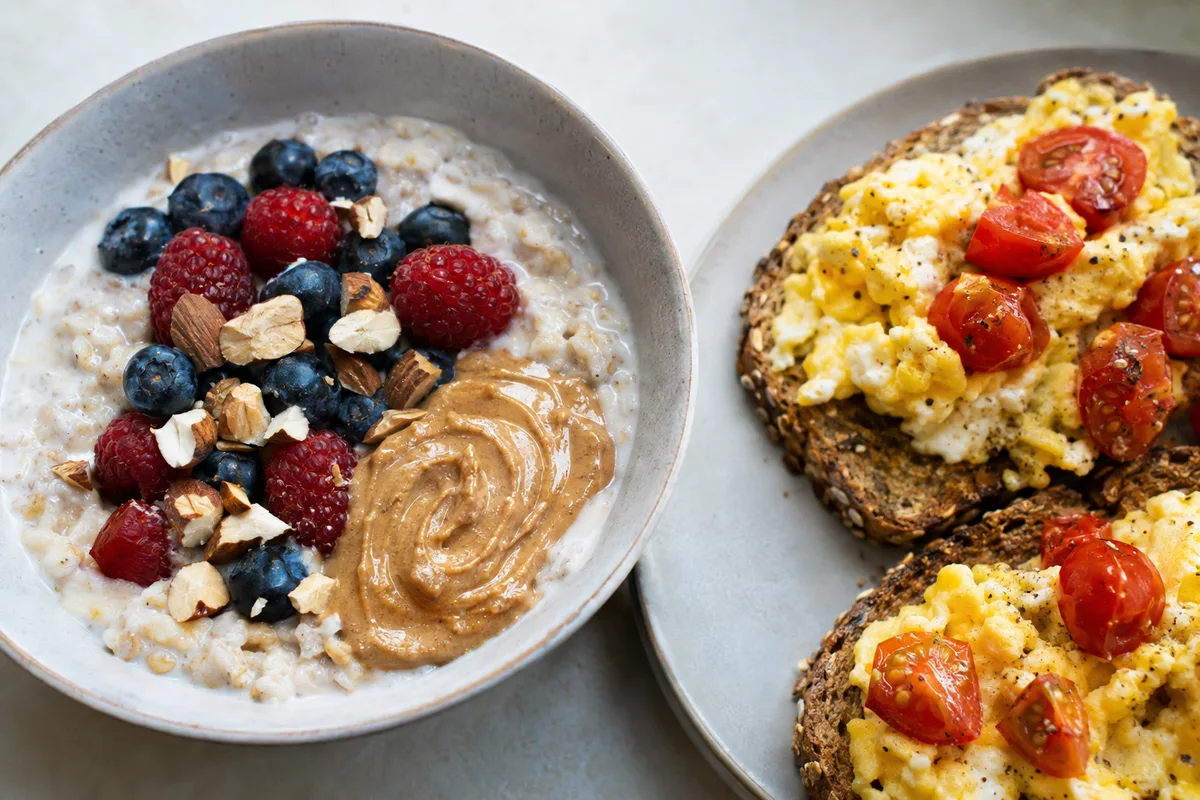
What an 1800-Calorie Day Can Look Like
An 1800-calorie day can include familiar, satisfying foods rather than one fixed menu. This guide shows how to spread your intake across the day and track the details that are easy to miss.
-
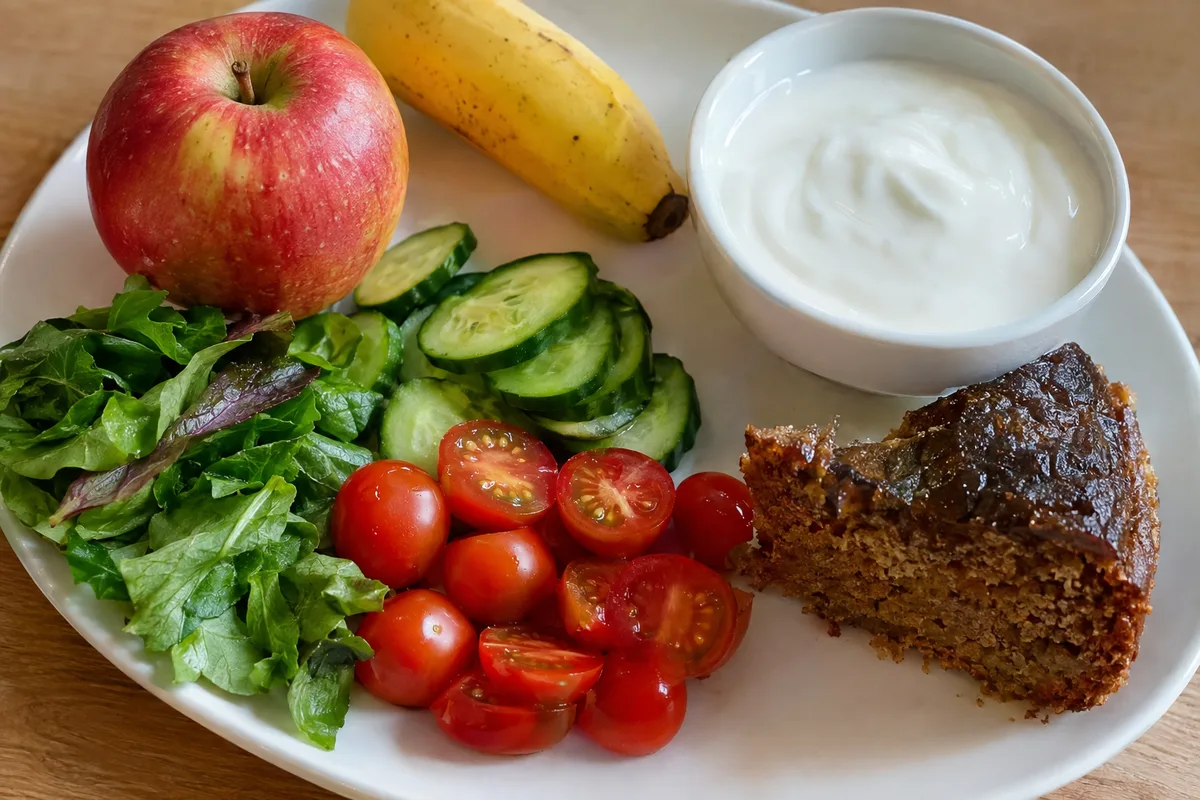
A Low-Sugar Diet: How It Works, Benefits and Drawbacks
A low-sugar diet usually focuses on reducing added and free sugars rather than avoiding every food that contains sugar. This guide explains the possible benefits, common drawbacks and practical ways to adapt what you already track.
-
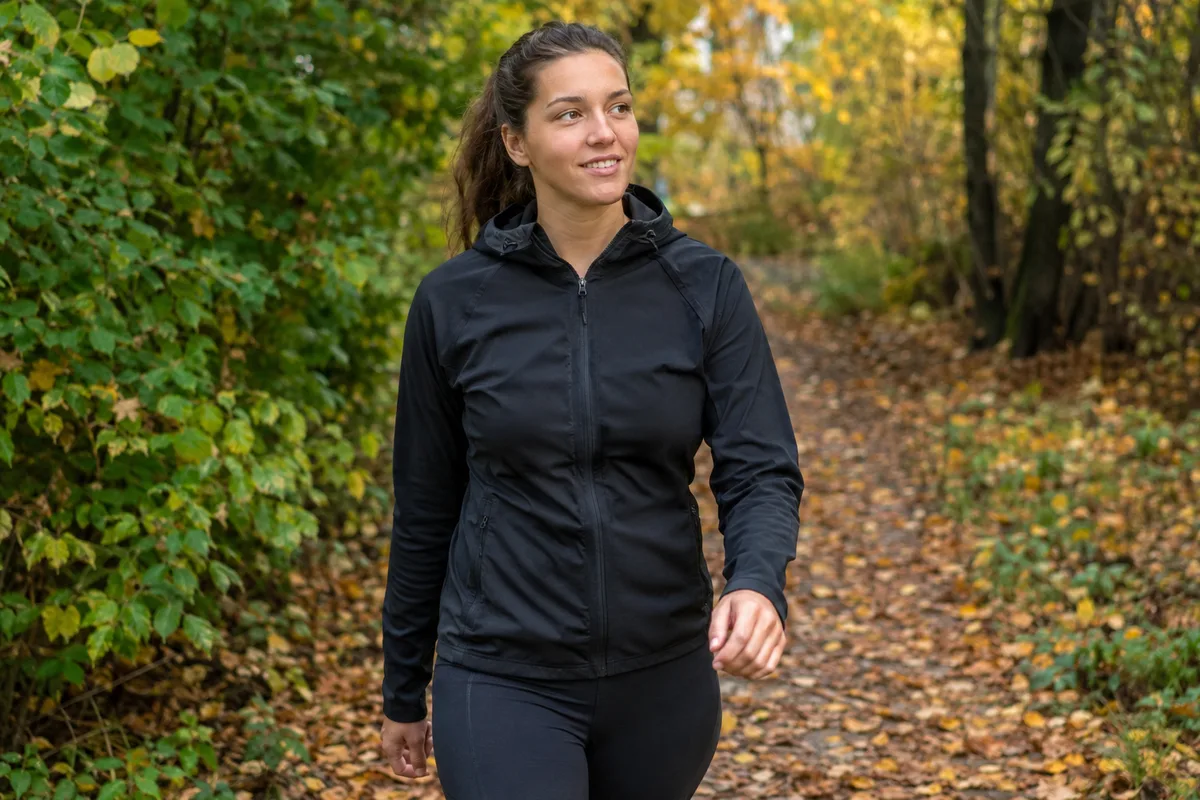
What it takes to burn 300 calories
Burning 300 calories does not require one particular workout or a fixed amount of time. This guide explains what affects the estimate, which activities can contribute and how to track the goal sensibly.
-
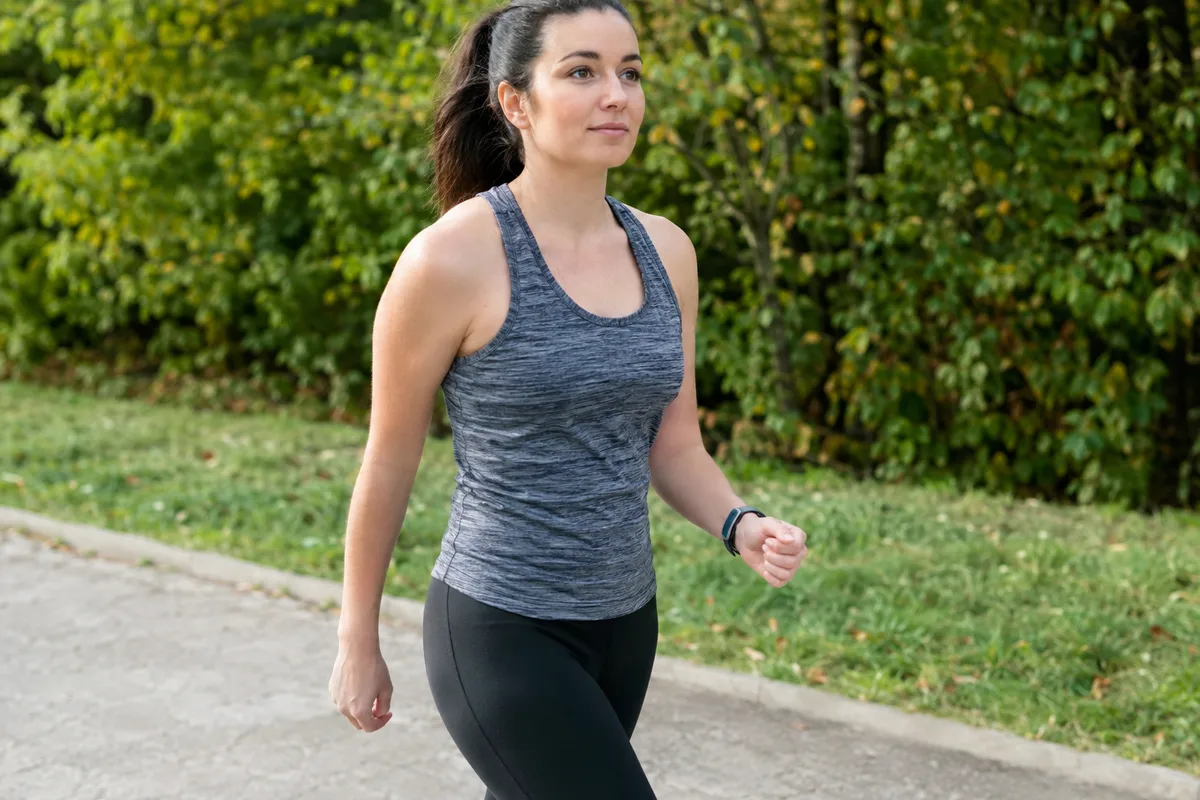
How Cardio and Weight Training Work Together for Fat Loss
Cardio and weight training affect the body in different ways, and both can have a place in a fat-loss programme. This guide explains how to combine them with the food intake you already track.
-
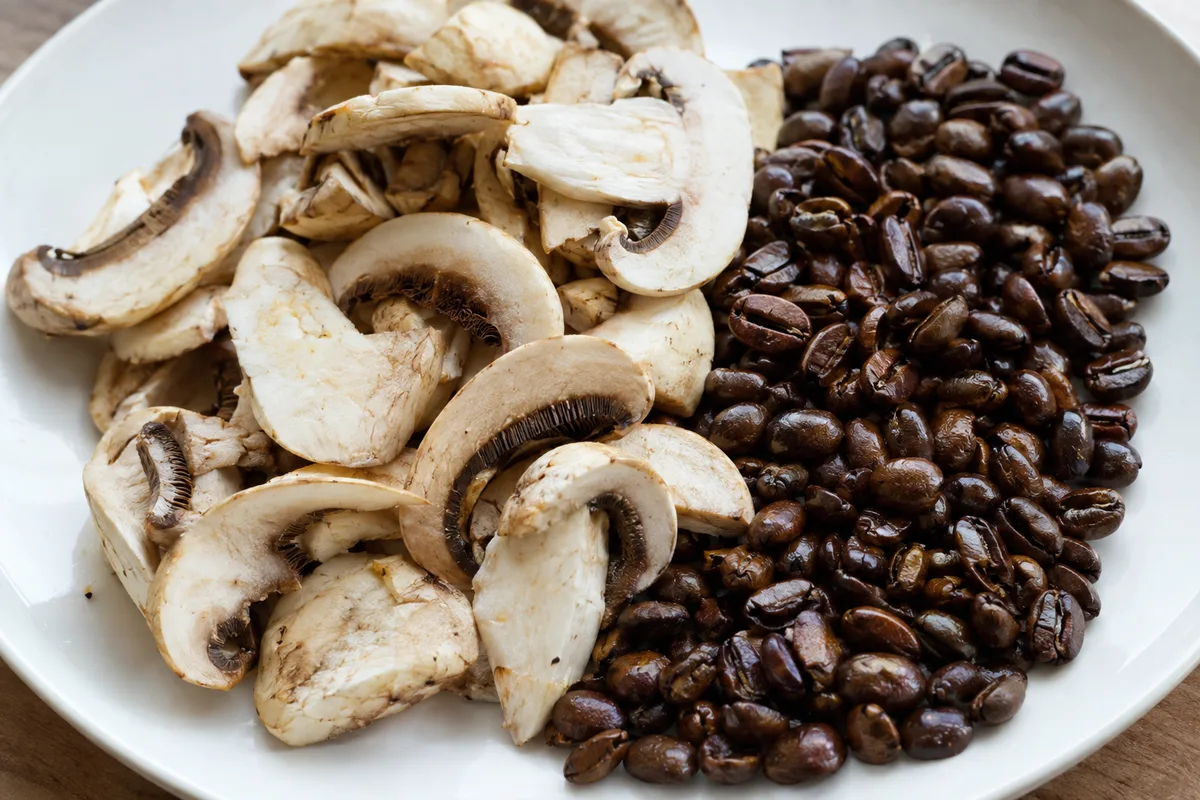
Can Mushroom Coffee Support Weight Loss?
Mushroom coffee combines coffee with mushroom powders or extracts, but the ingredients vary between blends. Here is what it may change, what it cannot do on its own and how to record it accurately.
-
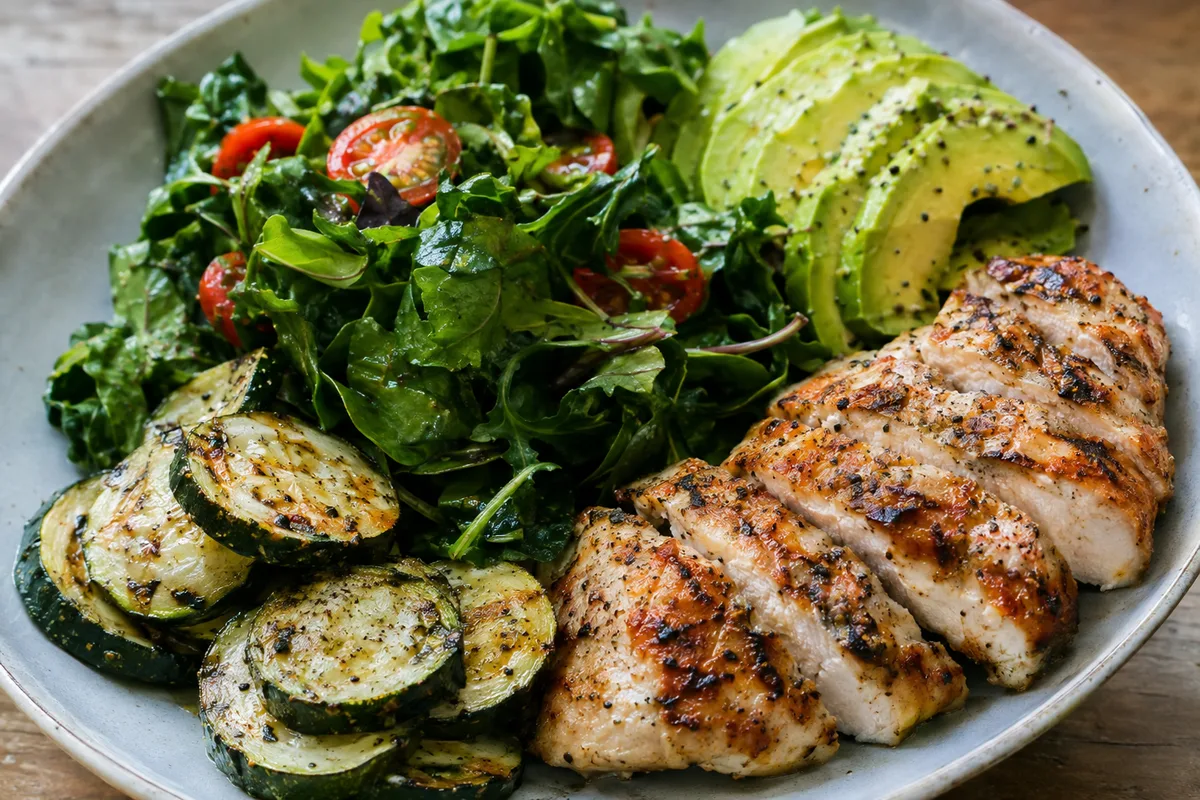
How to Ease Constipation While Eating Low Carb
Cutting carbohydrates can also reduce fibre, food volume and fluid intake, which may make bowel movements harder. This guide explains what to check in your food log and how to make practical adjustments.
-
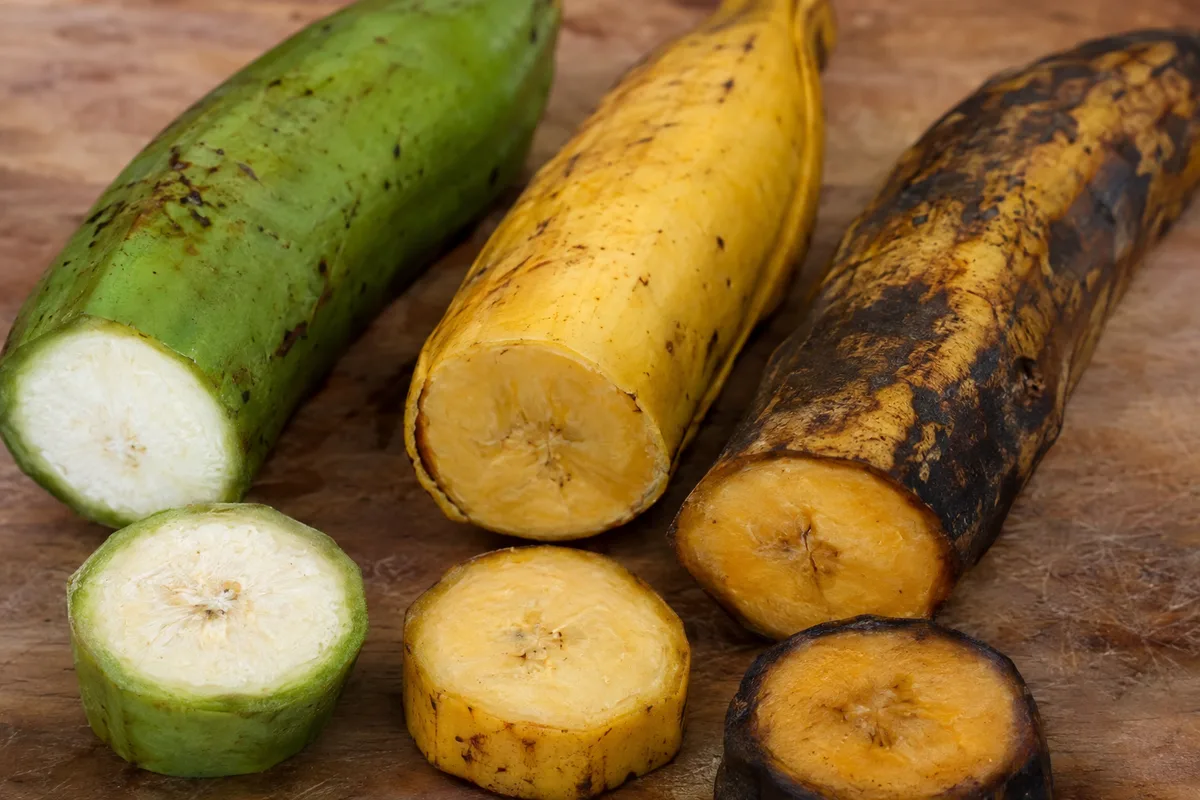
Can Plantains Fit Into a Low-Carb Diet?
Plantains are a starchy food, so they can use a noticeable share of a low-carb target. This guide explains how to track them, choose a portion and build a balanced meal around them.
-
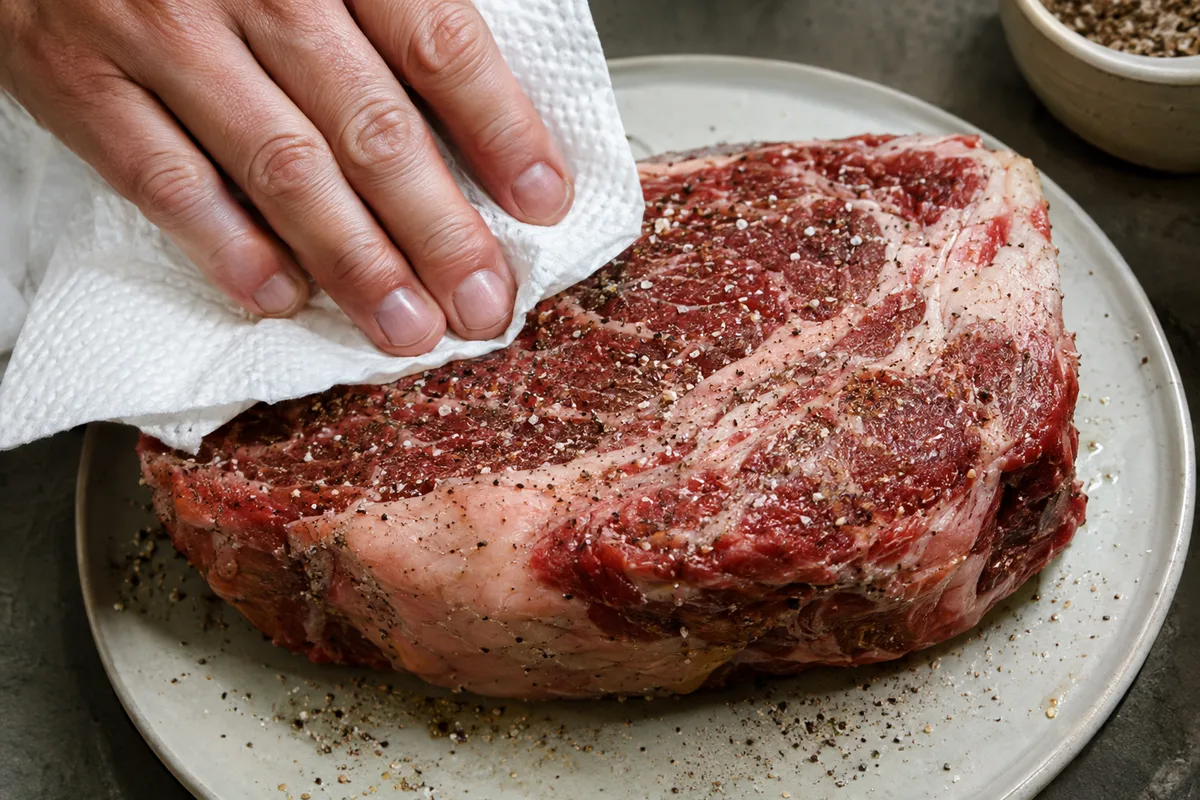
Practical Ways to Cook Cross Rib Steak
Cross rib steak has a rich beef flavour, but its shoulder muscles can make it firmer than some other steaks. The right preparation and cooking method can help you get a tender result while keeping your food log accurate.
-
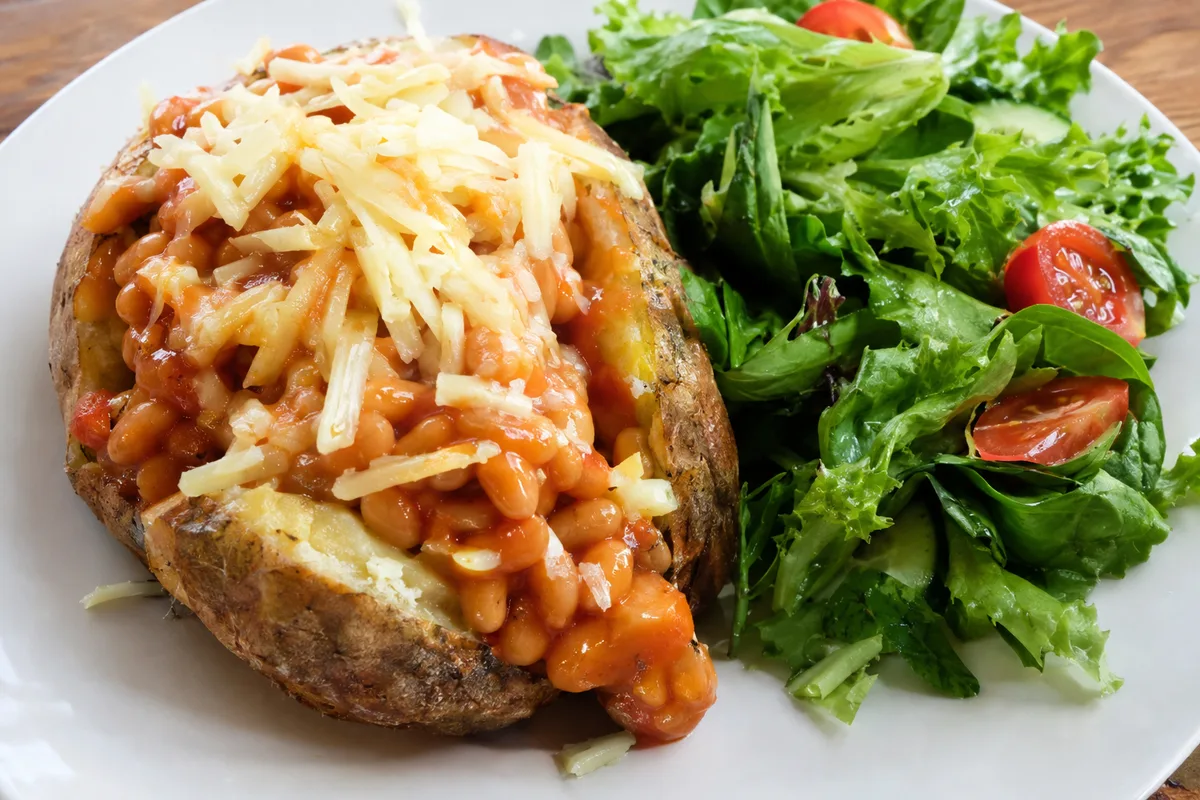
How to Replace Electrolytes Without a Sports Drink
Electrolytes are minerals lost through sweat, but a branded sports drink is not the only way to replace them. This guide explains when replacement matters and how to use ordinary food and drink.
-
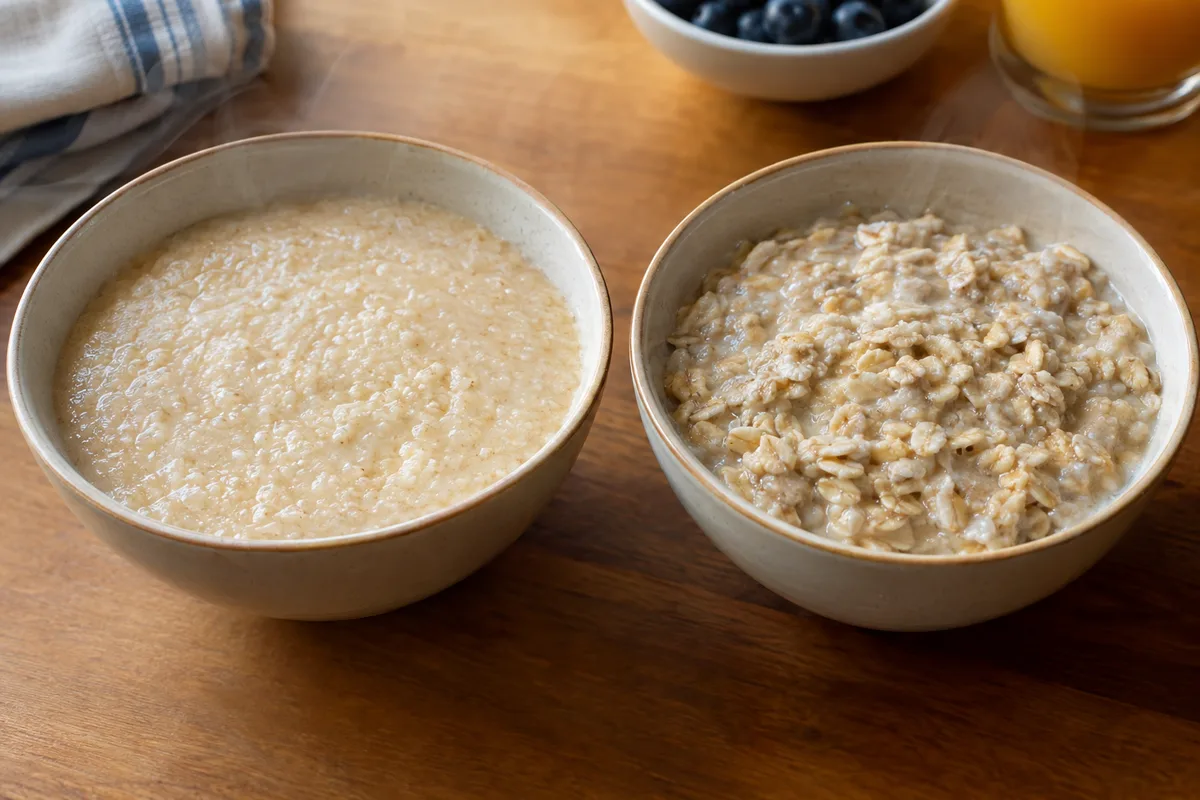
Malt-O-Meal or oatmeal: which breakfast suits your food log?
Malt-O-Meal hot cereal and oatmeal can look similar in a bowl, but they start with different grains. Here is how to compare them fairly and choose the one that fits your taste, routine and nutrition aims.
-
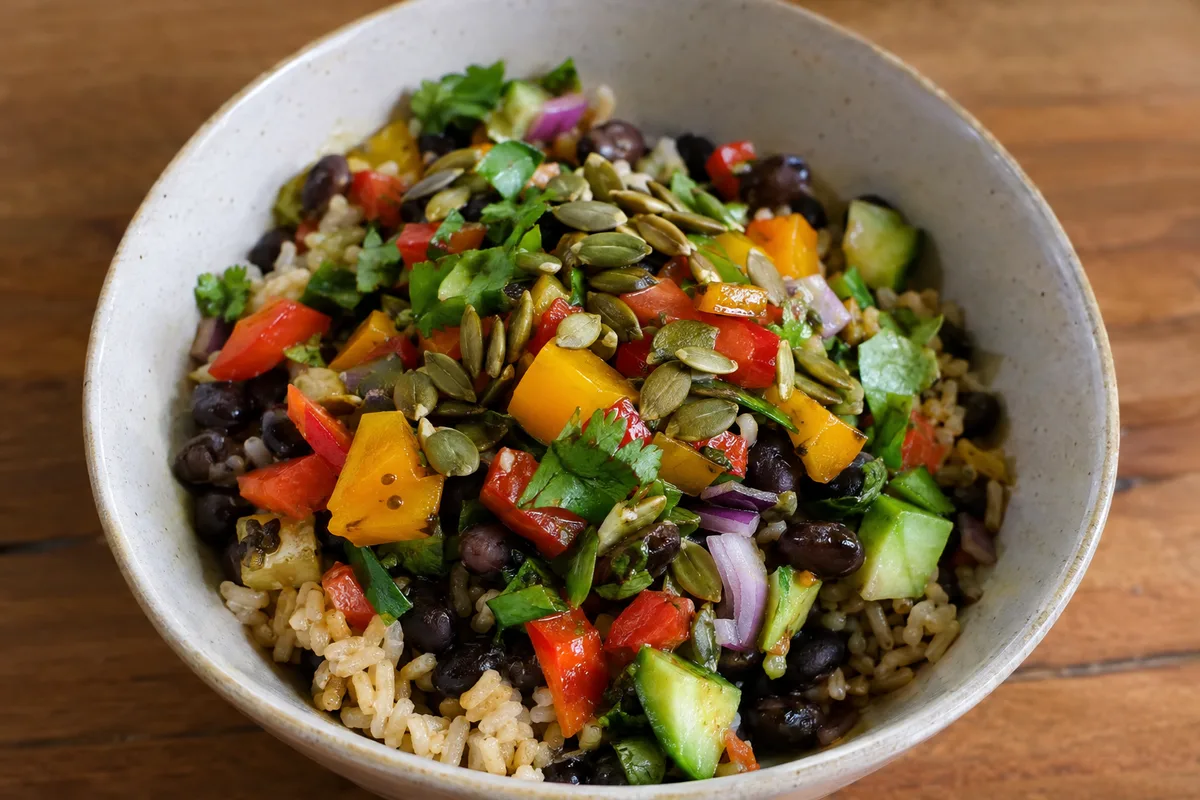
How to Combine Vegan Proteins Without Overcomplicating Your Meals
Plant foods contain different mixes of the amino acids used to build protein in the body. This guide explains useful combinations, simple meal ideas and what to look for in your food log.
-
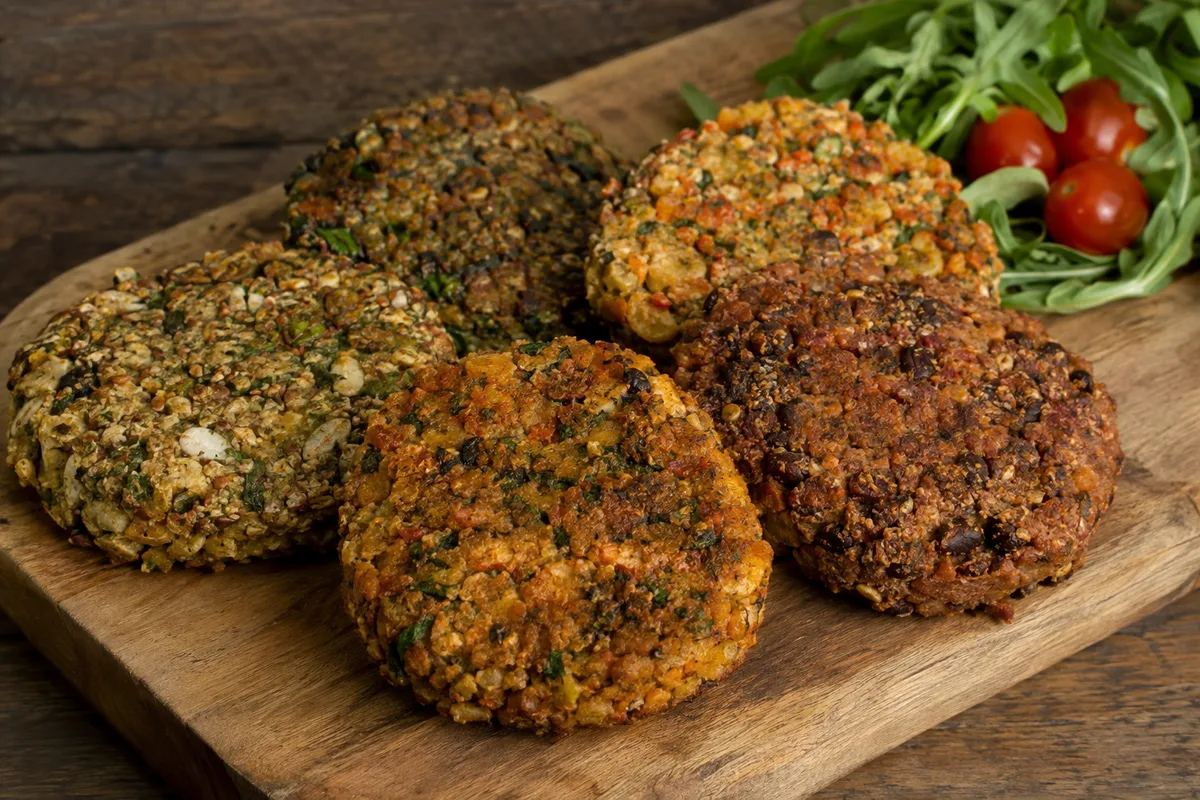
How to Choose a Healthier Veggie Burger
The healthiest veggie burger is one that suits your nutritional needs, tastes good and works within the meal you are tracking. Here is how to compare the options without judging them by calories alone.
-

Can You Burn 1,000 Calories a Day? What the Target Really Means
Burning 1,000 calories can mean total energy used across the day or calories attributed to deliberate exercise, and those are very different targets. This guide explains how to read the number, plan movement and match your food tracking to a realistic routine.
-
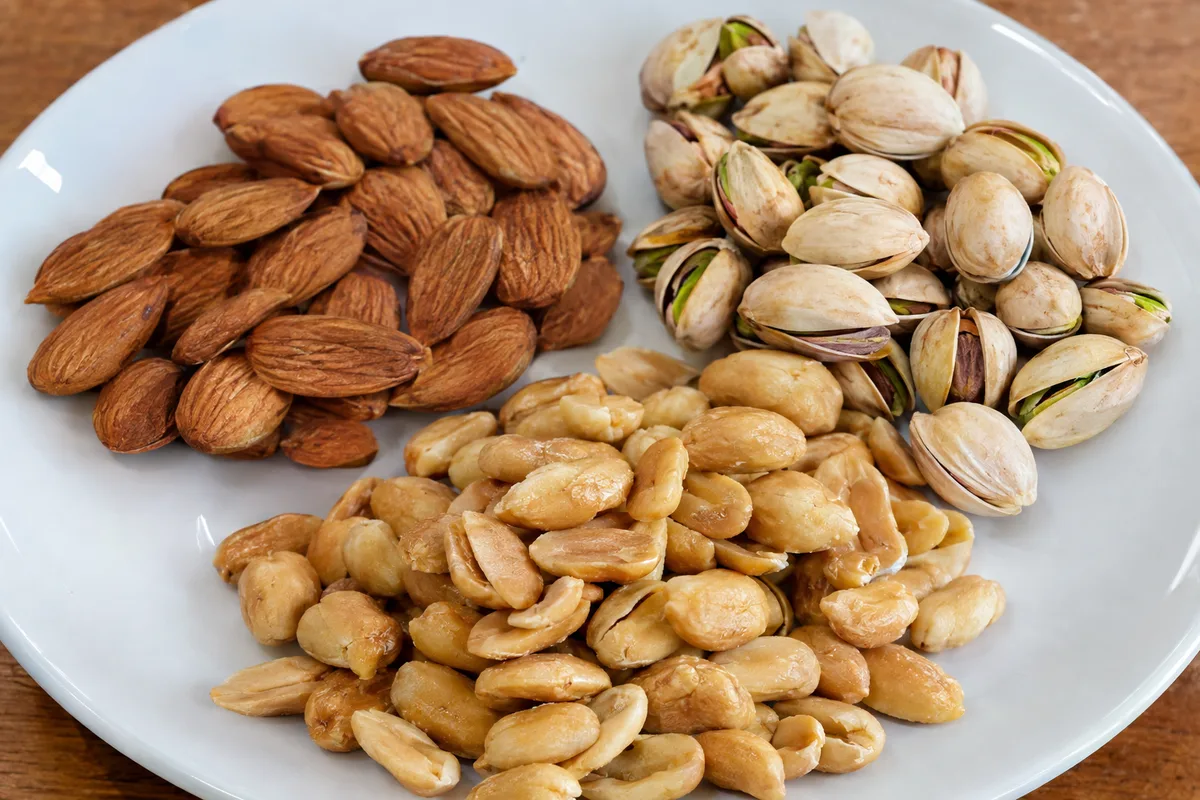
Which Nuts Give You More Protein with Less Saturated Fat?
Nuts contain protein, but the amount and type of fat differ between varieties. This guide explains which choices tend to offer more protein with less saturated fat and how to fit them into your food log.
-
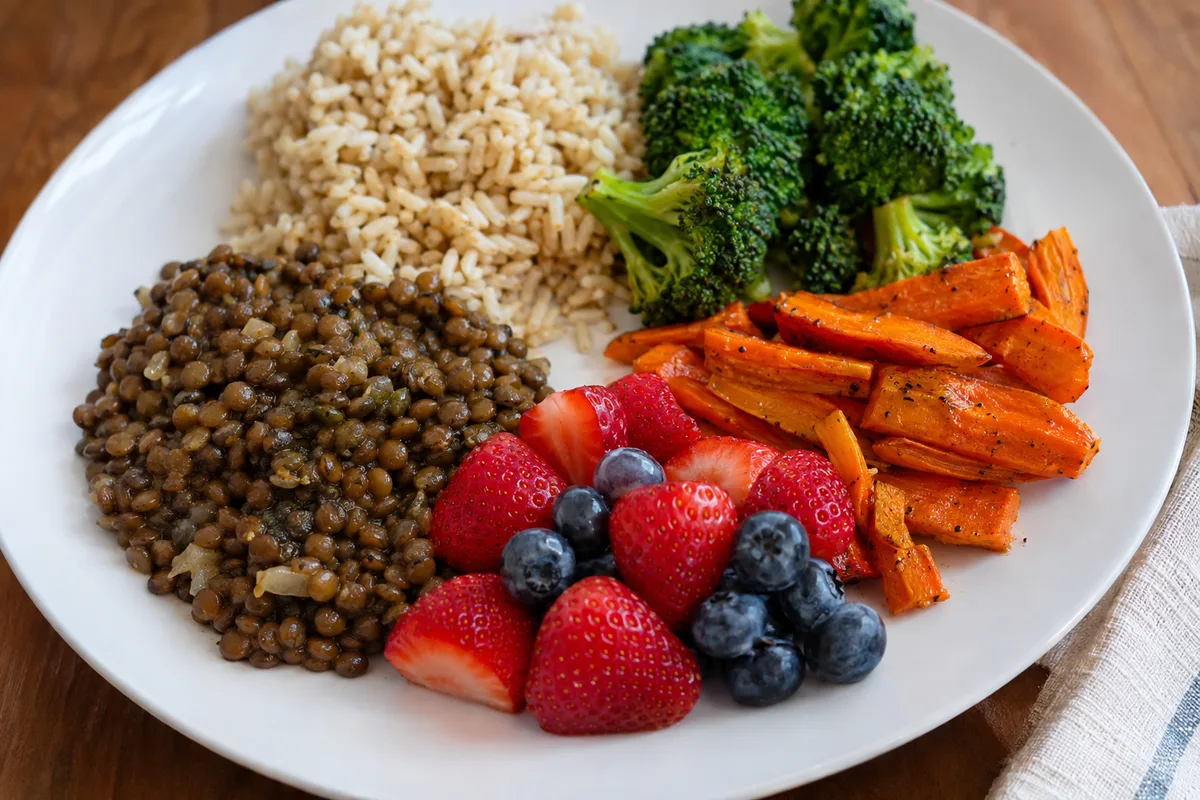
Does the Ornish Diet Really Work?
The Ornish diet is a plant-focused, very low-fat way of eating that is usually part of a broader lifestyle programme. Here is how it works, what food tracking can reveal and why results depend on more than following a food list.
-

Swimming or walking: which burns more calories?
Swimming often burns calories faster than a gentle walk, but the answer changes with pace, stroke, terrain and time. Here is how to compare the two fairly and fit the result into your food tracking.
-
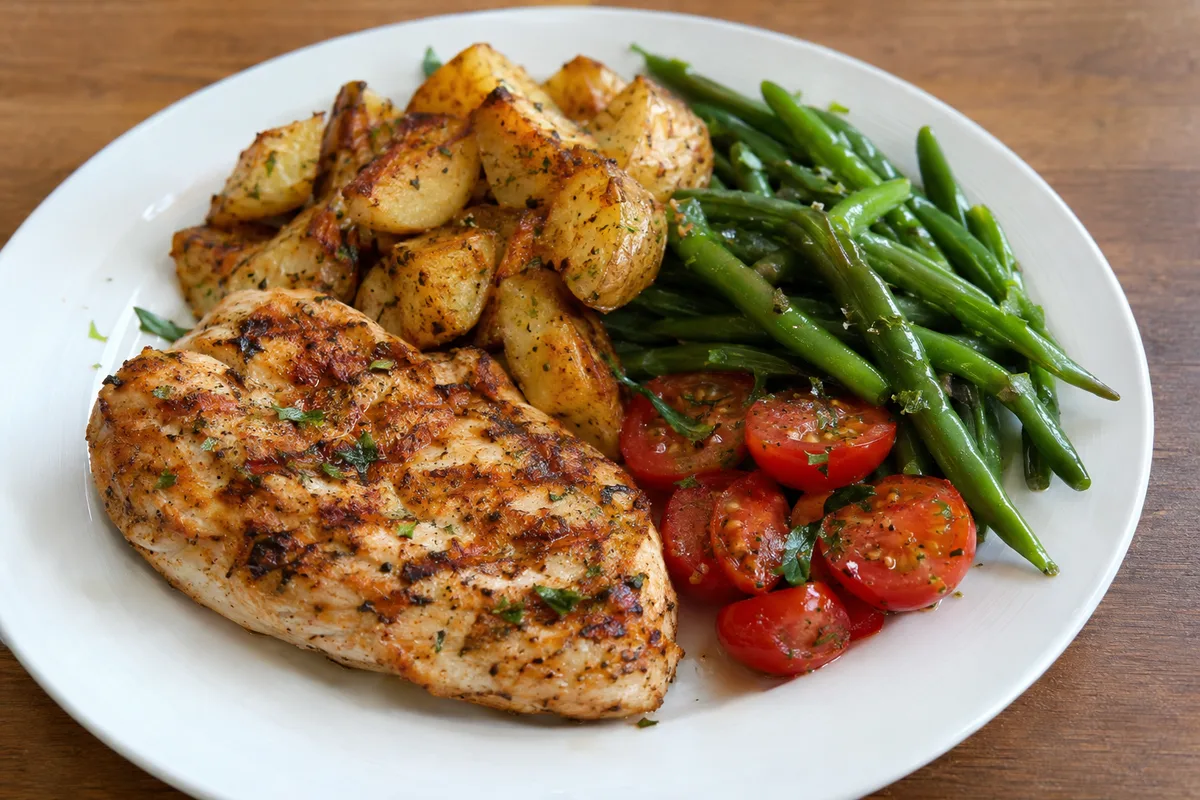
Is a High-Protein Diet the Best Way to Lose Weight?
Protein may help meals feel filling and support muscle while you lose weight, but eating more is not automatically better. This guide explains how to judge your current intake and build a balanced approach that you can maintain.
-
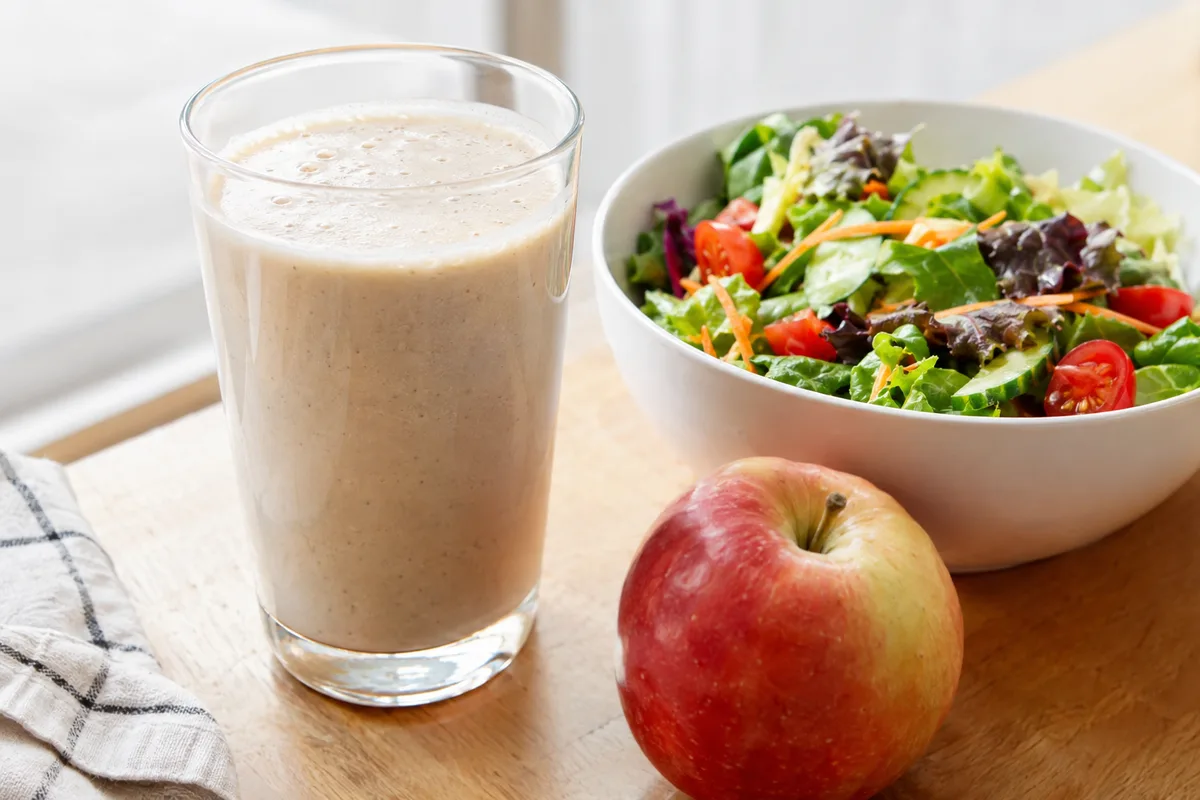
SlimFast diet plan: the practical pros and cons
The SlimFast plan replaces some ordinary meals with branded shakes, bars or similar products while keeping one main meal and planned snacks. Here is how that structure can affect convenience, food tracking, nutrition, flexibility and longer-term eating habits.
-
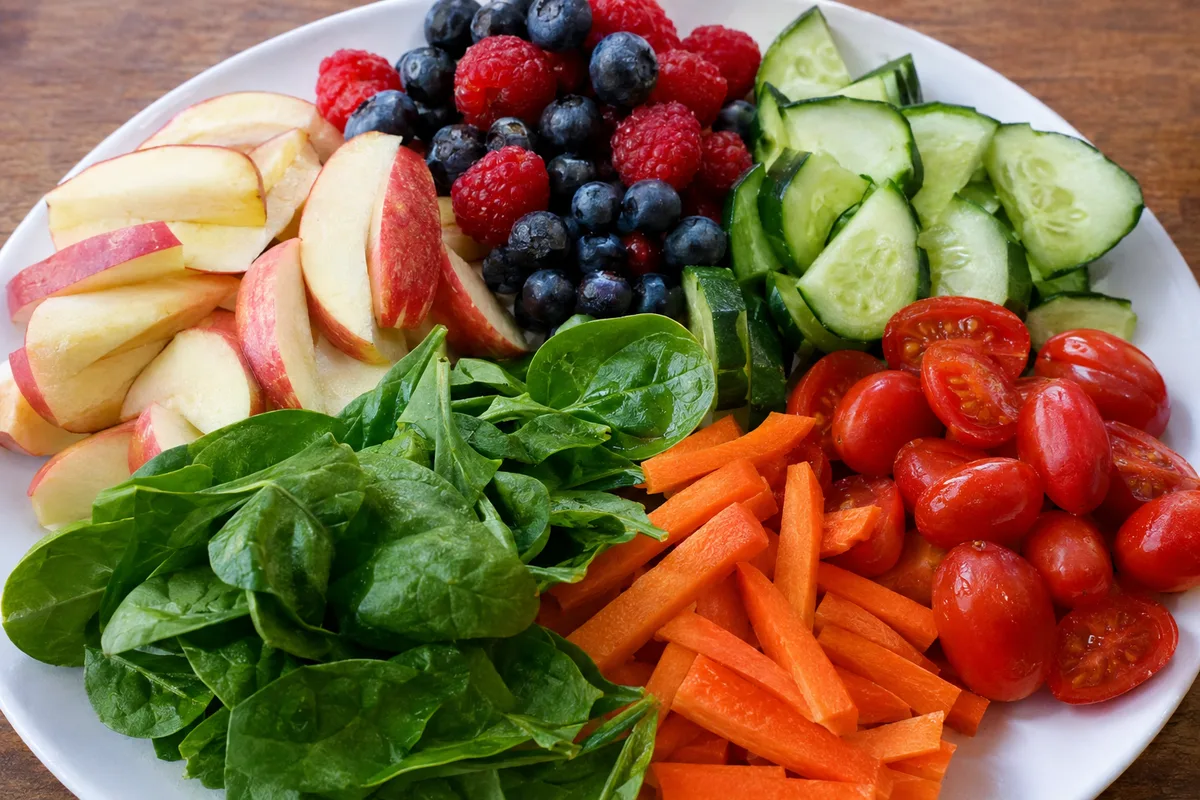
A practical list of fat-free foods for your food diary
Fat-free foods include some everyday fruit, vegetables, drinks and labelled products, but the exact amount can depend on preparation. This guide explains what counts as fat-free and how to record these foods accurately.
-

How to Make Boba Tea a More Balanced Choice
Boba tea can vary greatly depending on its base, sweetness, milk and toppings. This guide explains how to build a more balanced drink and record it without relying on guesswork.