
Notes on eating well
Practical notes on eating, training and keeping track.
-
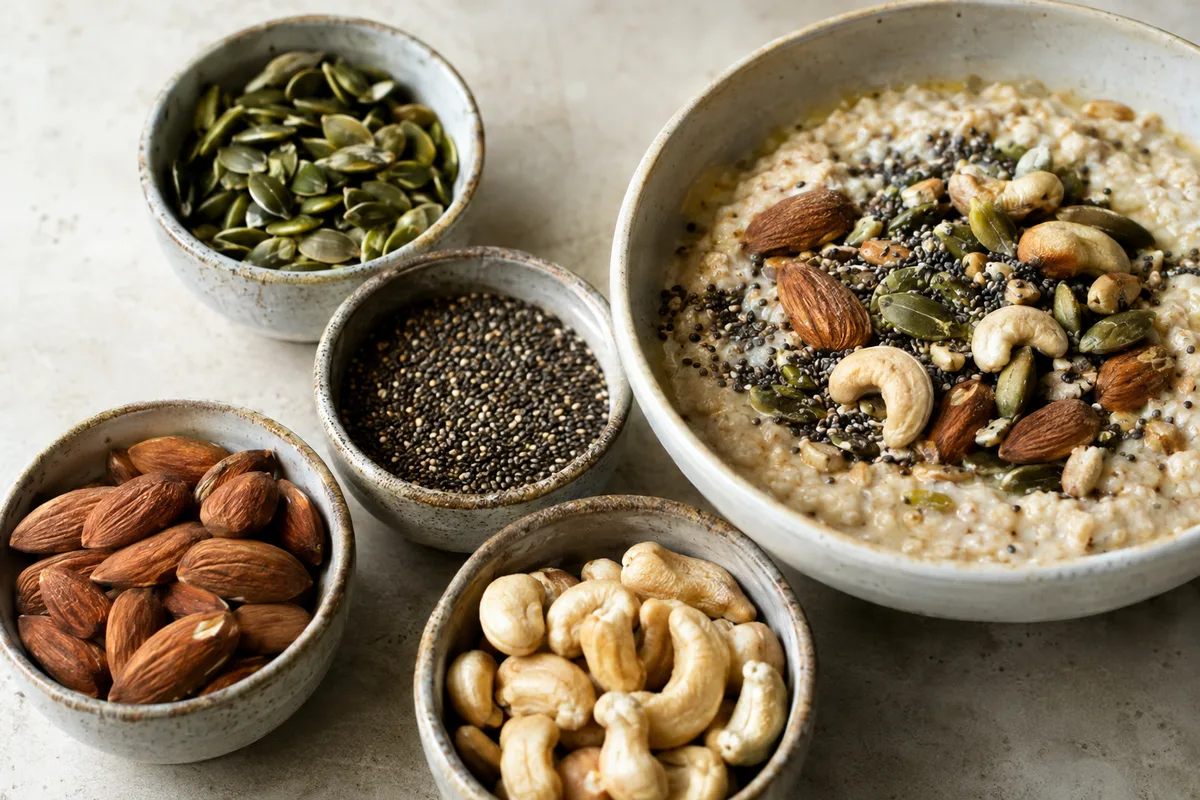
The best magnesium-rich foods for everyday meals
Magnesium comes from a wide range of plant foods, with smaller amounts in some animal foods. This guide covers useful sources, simple meal ideas and sensible ways to track them.
-
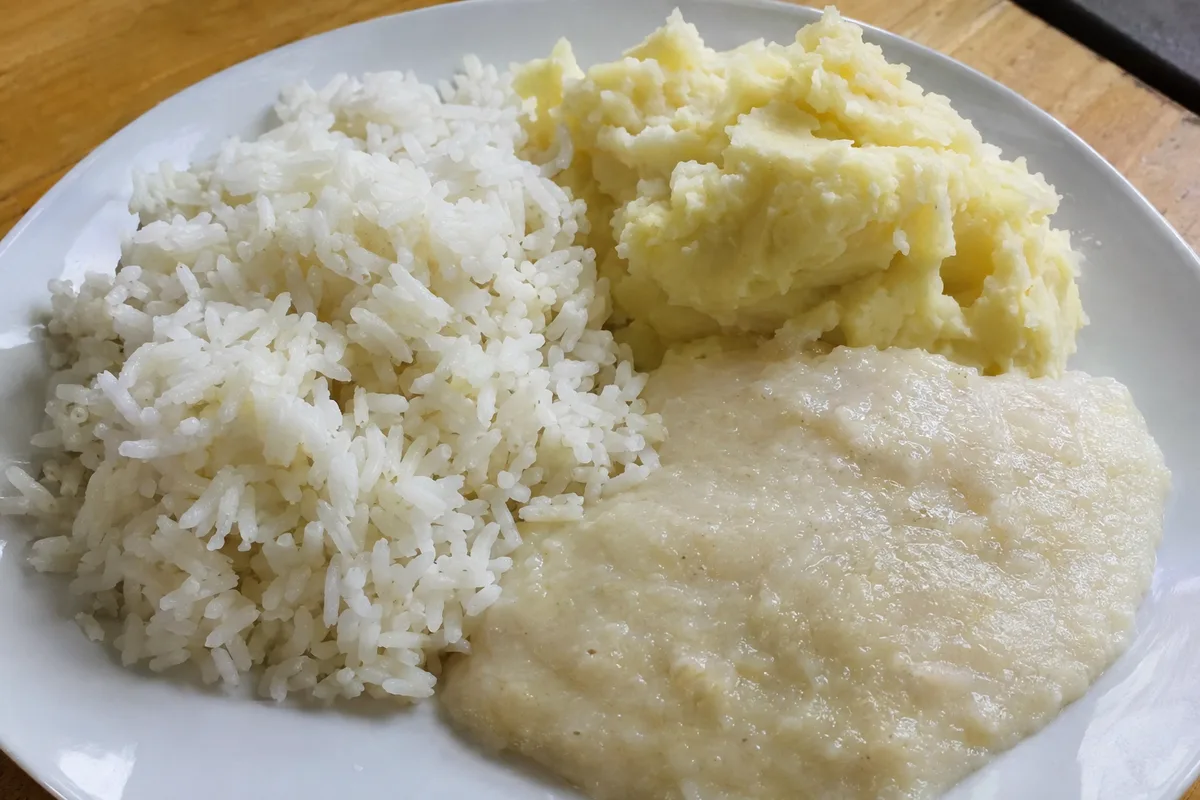
Foods That Feel Easier to Digest
Some foods require less chewing and contain less fibre or fat, which can make them feel easier to digest. This guide explains useful options, simple preparation methods and how to track your own response.
-

What to Eat When You Are Intermittent Fasting
Intermittent fasting changes when you eat, but the food you choose still matters. This guide explains how to build satisfying meals, plan your eating window and use your food log effectively.
-
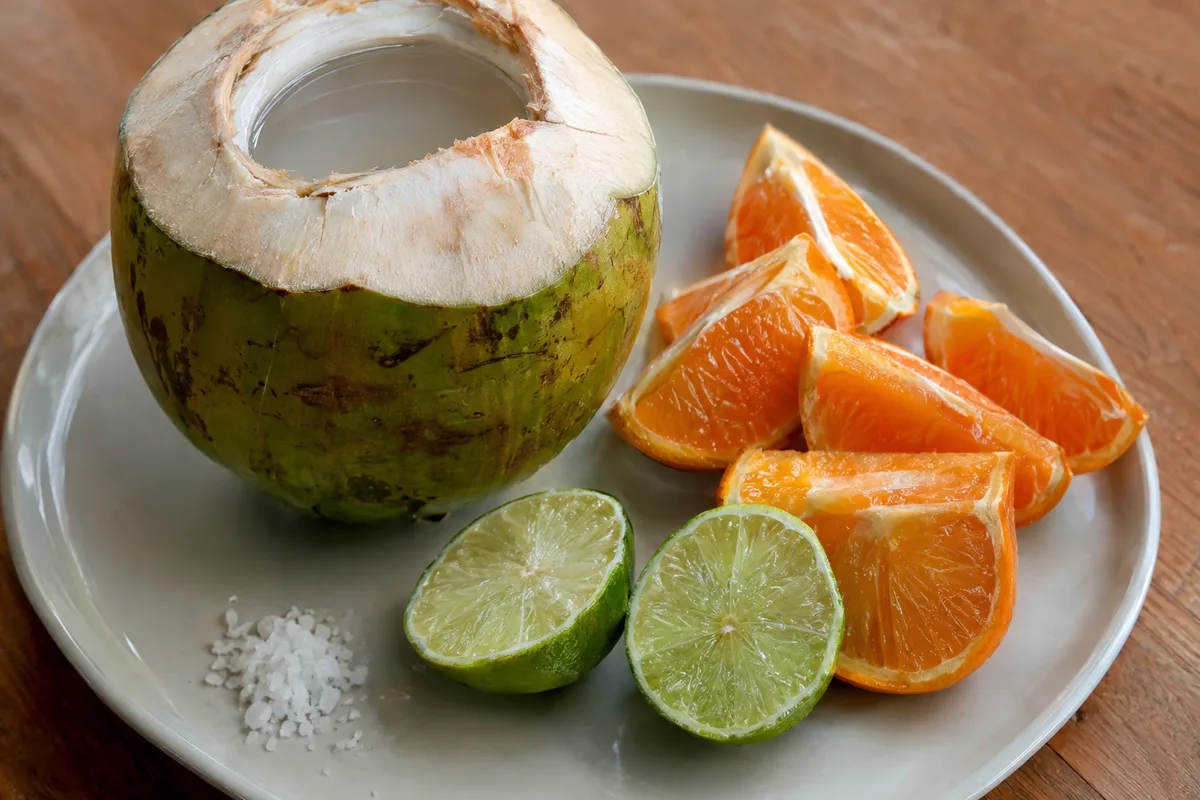
What Is ‘Nature’s Gatorade’ and Does It Actually Work?
‘Nature’s Gatorade’ is an informal name for a homemade drink containing fluid, electrolytes and sometimes carbohydrate. Here is what those ingredients do, when the drink may help and how to track it accurately.
-
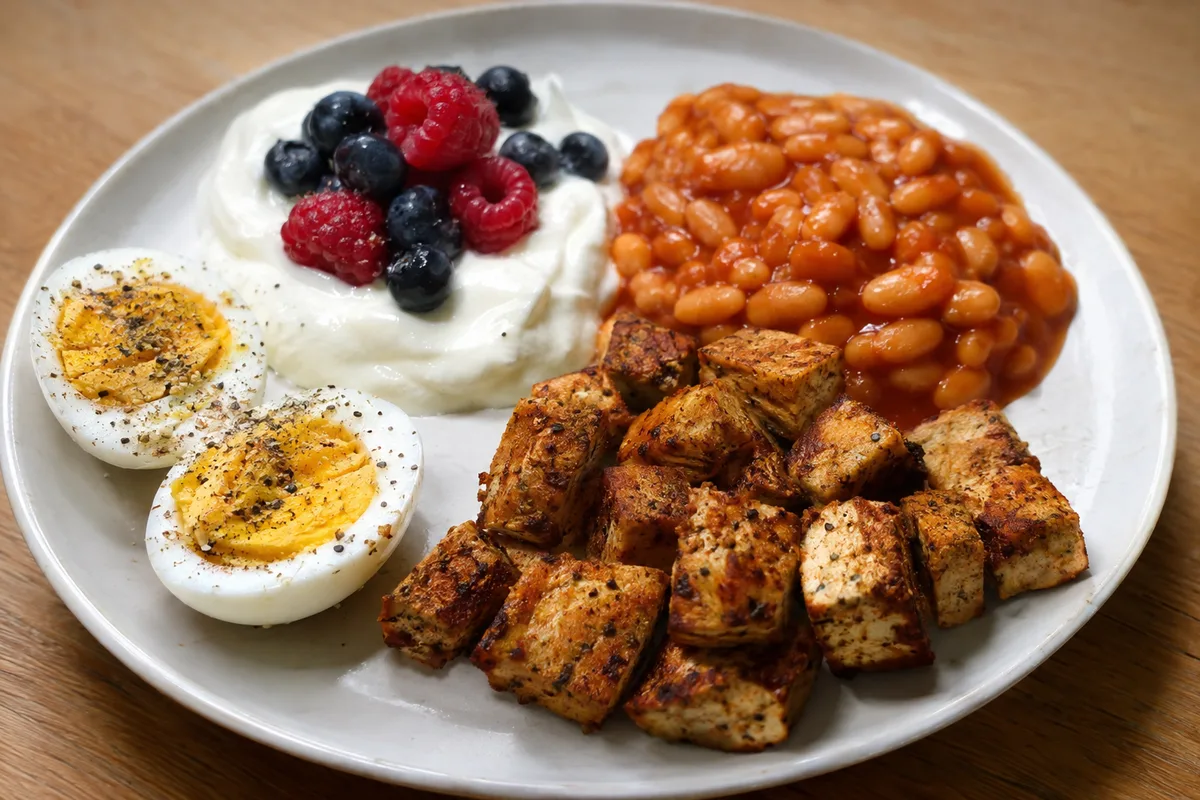
How to Choose a Protein Powder That Fits Your Food Diary
Protein powder can be a convenient way to add protein, but the best choice depends on your diet, preferences and usual meals. This guide explains how to read the label, compare protein sources and log each serving accurately.
-

Can You Drink Too Much Coffee?
There is no single amount of coffee that suits everyone. This guide explains how to notice when your intake may be too high and how coffee fits into food tracking.
-
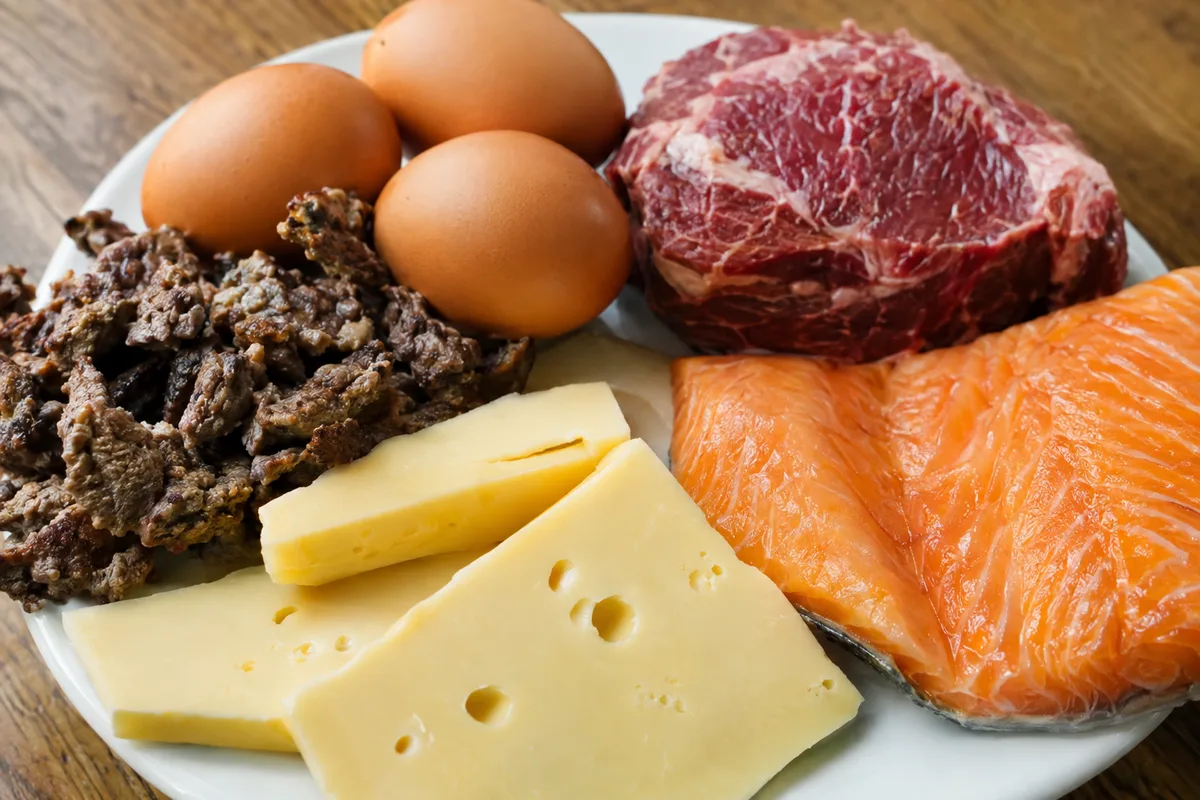
Animal-Based Protein Powders: Types, Benefits and How to Choose
Animal-based protein powders come from dairy, eggs, meat or collagen-rich tissues, and they do not all offer the same nutrition. This guide explains the main types, their practical benefits and what to consider when adding one to your usual diet.
-
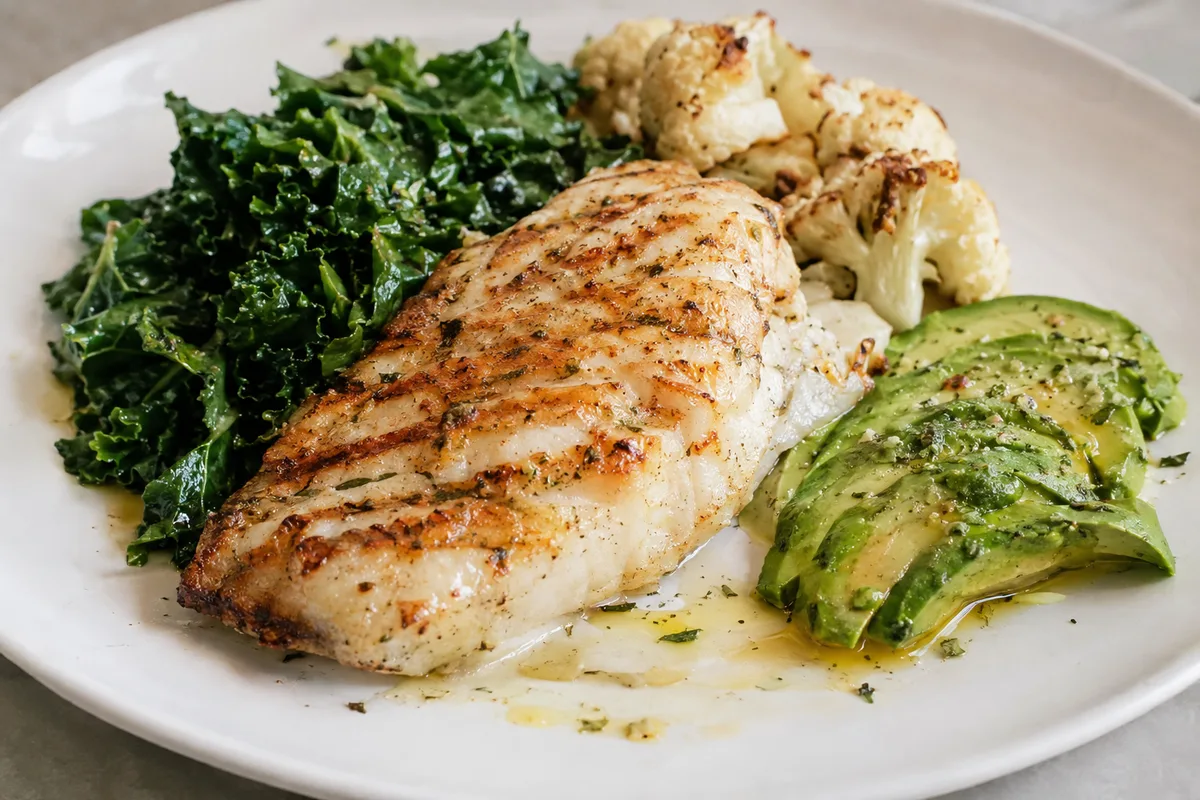
Can a Ketogenic Diet Support Safe Weight Loss?
A ketogenic diet sharply reduces carbohydrate while making fat the main source of food energy. This guide explains how it may affect weight, what to record and how to protect nutrition and wellbeing.
-
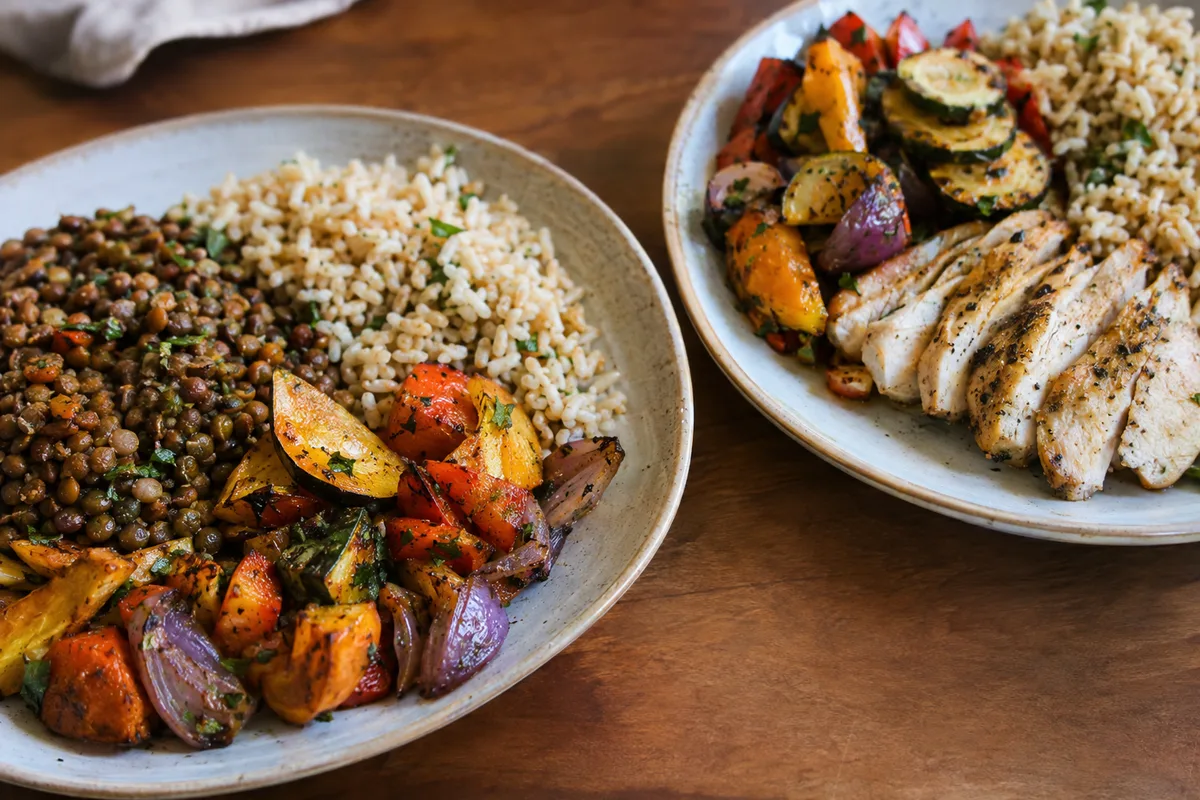
Vegan or meat eater: what changes on your plate and in your food log
Vegan and meat-based diets use different foods, but either can include balanced meals or less useful everyday choices. This guide explains what changes when you track them, from protein sources and calorie density to nutrients that need attention.
-
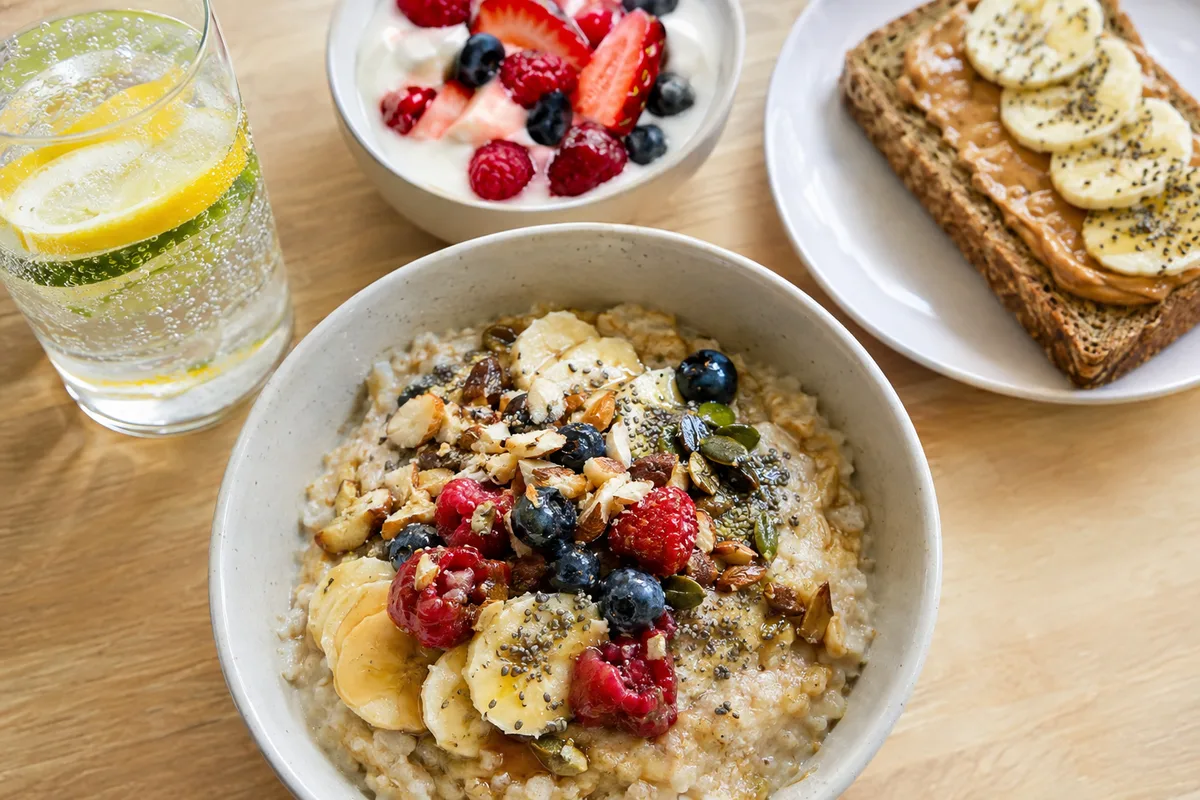
8 Empty-Calorie Foods and Simple, Healthier Swaps
Empty-calorie foods provide energy but relatively little fibre, protein, vitamins or minerals. These eight swaps can make tracked meals and snacks more nourishing without demanding a perfect diet.
-
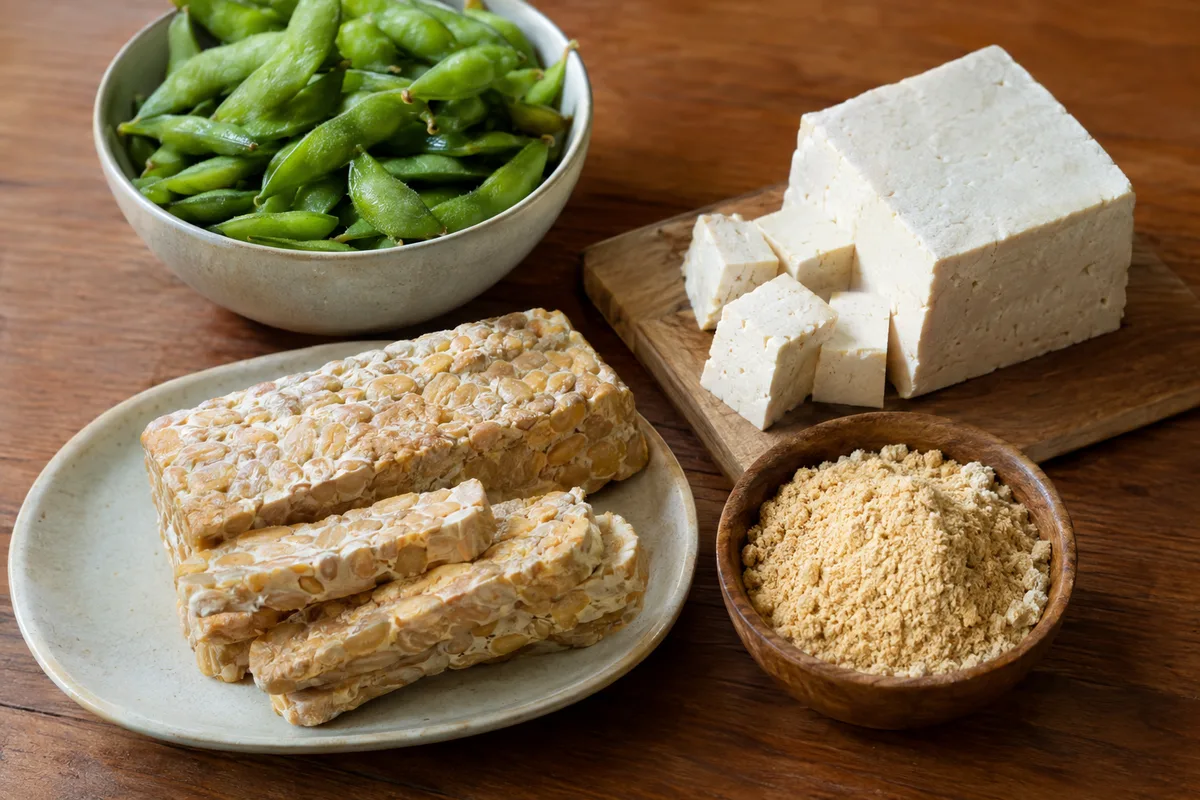
Is soy protein isolate bad for you?
Soy protein isolate is a concentrated protein ingredient made from soybeans. This guide explains how it is produced, what it adds to food and what to consider when tracking your intake.
-

Stevia and Truvia: what is the difference?
Stevia and Truvia are both used to add sweetness, but they are not necessarily the same thing. Here is how dietitians would compare their ingredients, taste, uses and place in your food log.
-
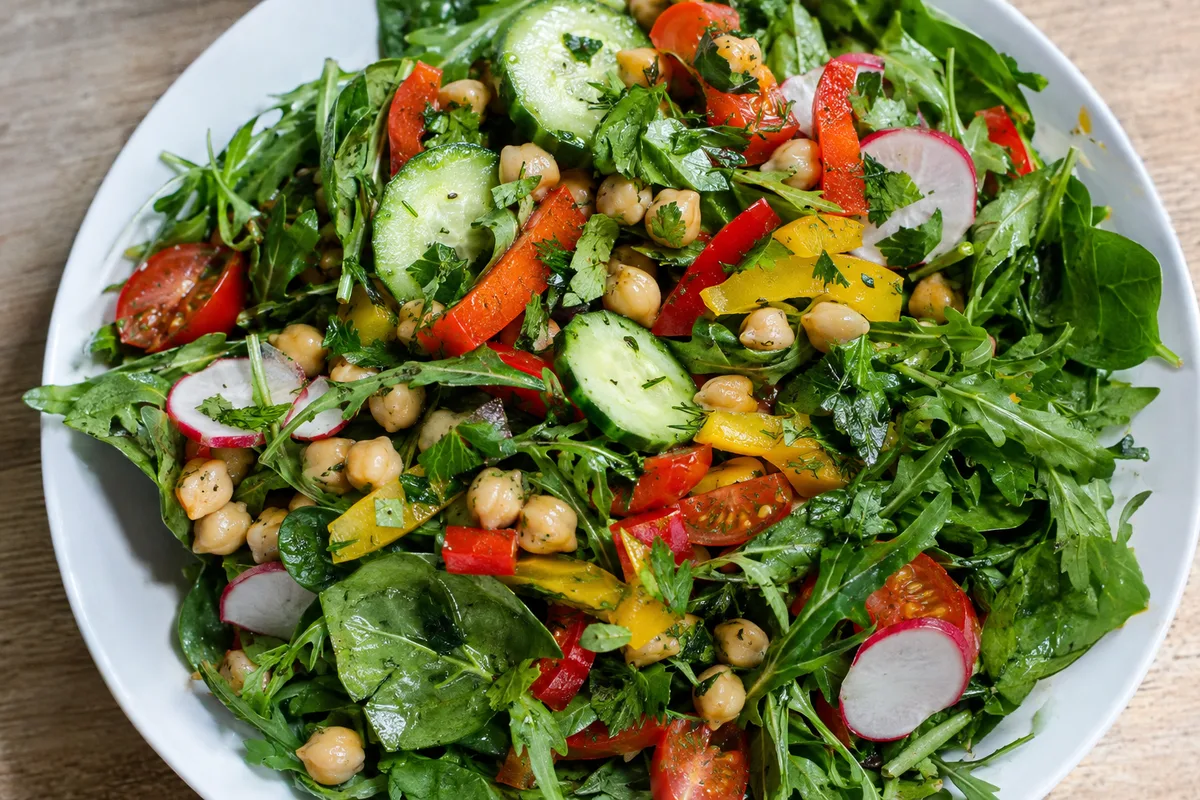
What Eating Salads Can Add to Your Day
Salads are a flexible way to eat more vegetables, fruit and other useful foods without making every meal feel the same. This guide explains their main benefits, how to build a satisfying salad and what to record when tracking one.
-
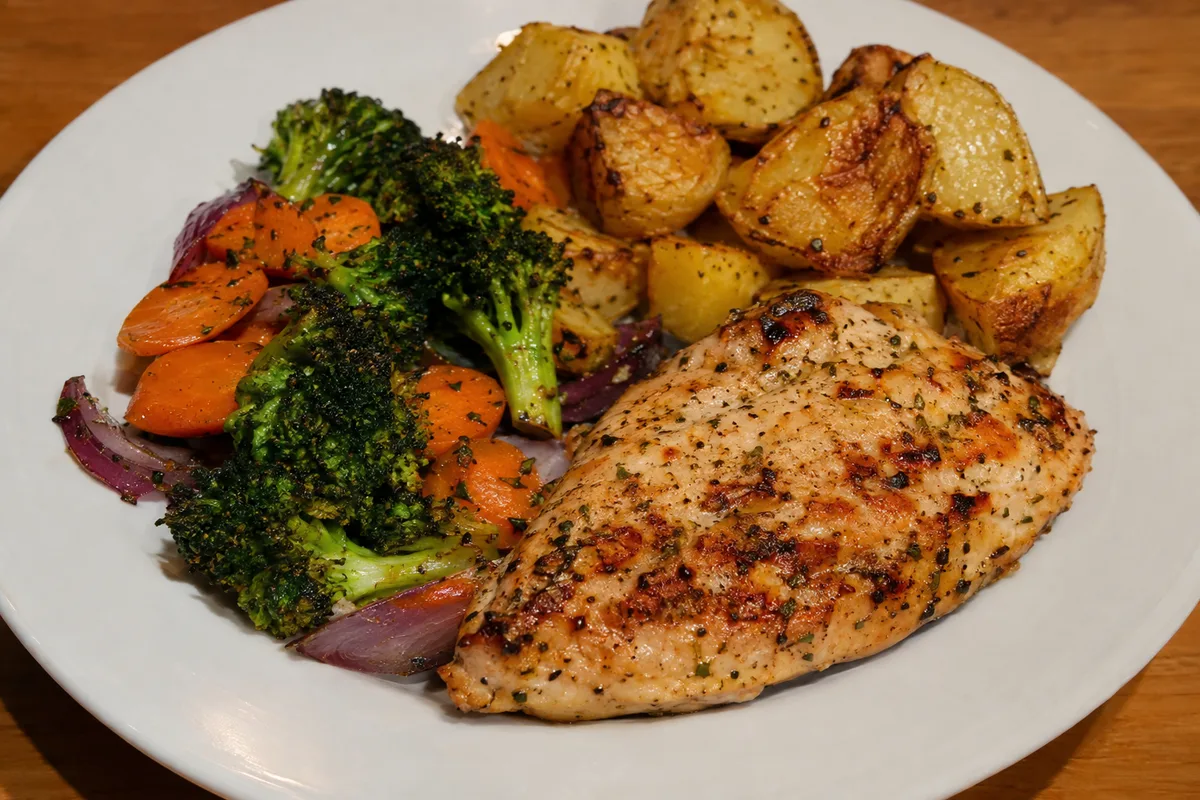
How to Find Portion Sizes That Support Weight Loss
There is no single correct portion size for weight loss because energy needs, appetites and routines differ. This guide explains how to build balanced plates, track portions accurately and make practical adjustments over time.