
Notes on eating well
Practical notes on eating, training and keeping track.
-
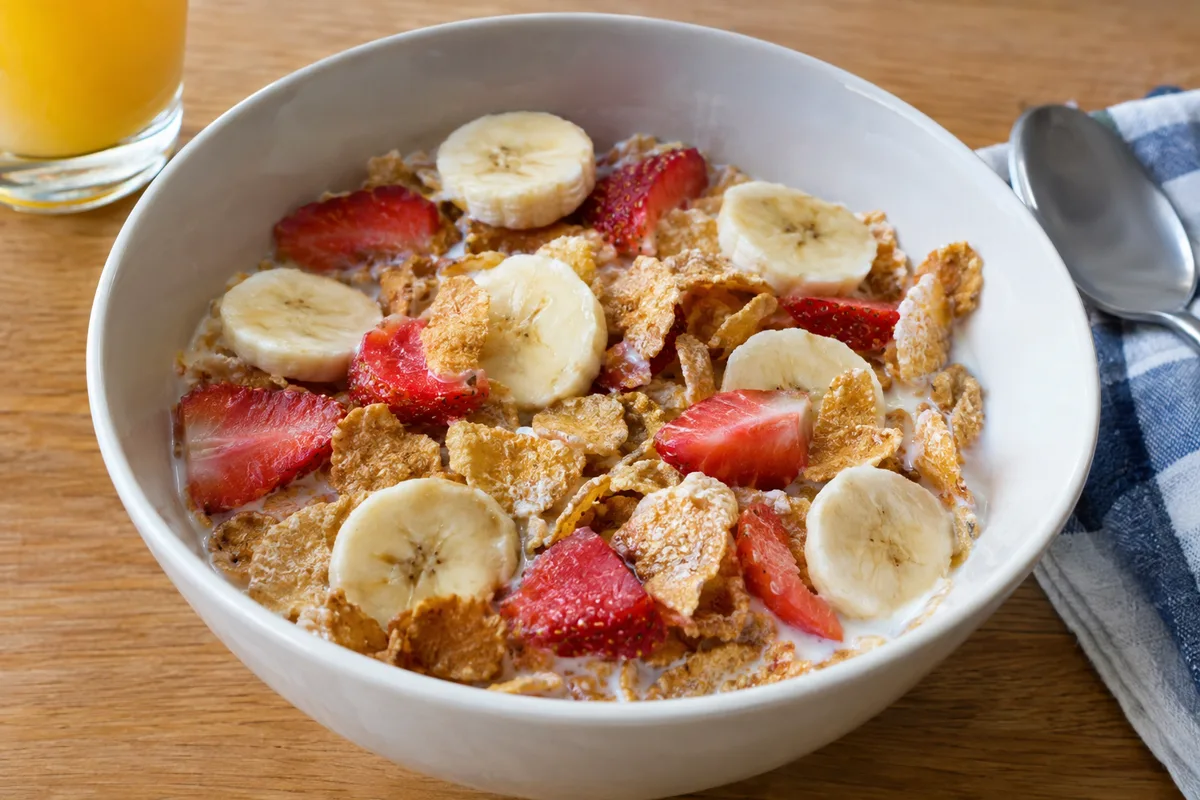
The Special K Diet: what it means for your food diary
The Special K Diet replaces some everyday meals with measured servings of cereal, usually alongside milk. This guide explains how the approach works, what your food log can reveal and how to build more balanced meals.
-
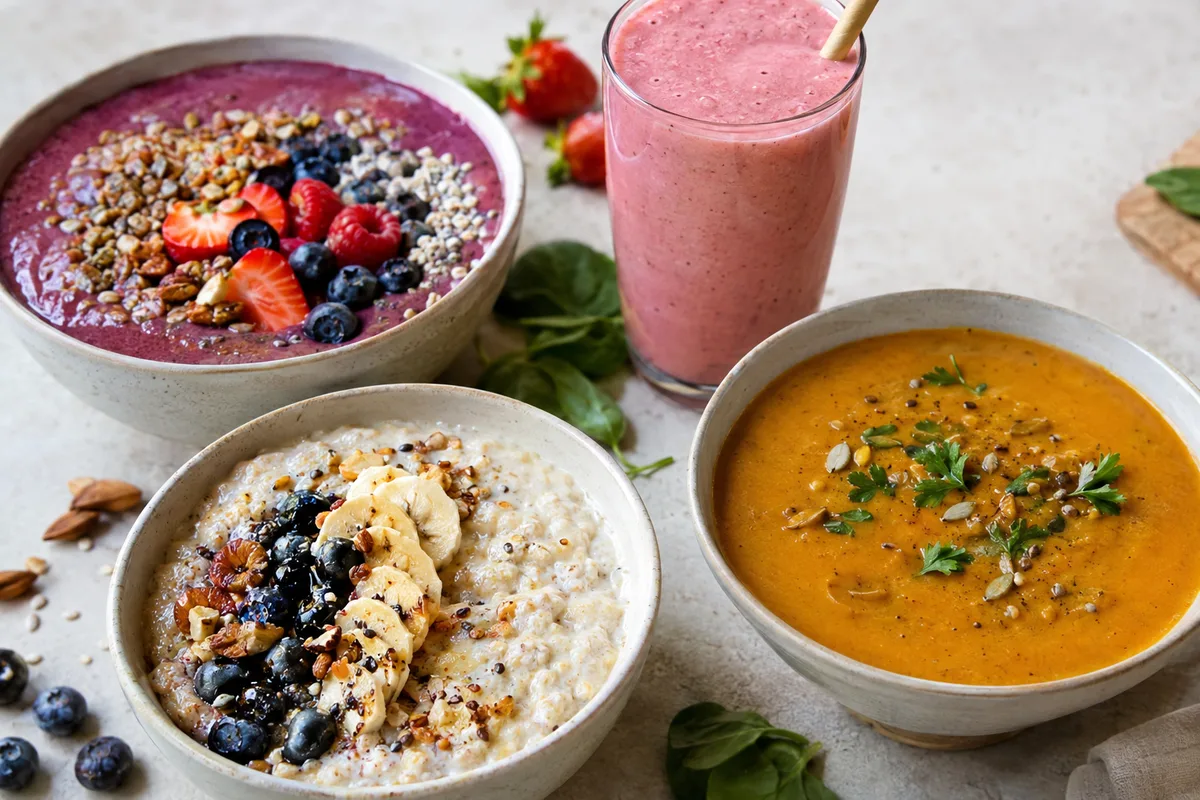
How to Find the Best Pea Protein Powder for You
The best pea protein powder is one that suits your meals, preferences and reasons for using it. This guide explains how to read the label, compare formulas and track it accurately.
-
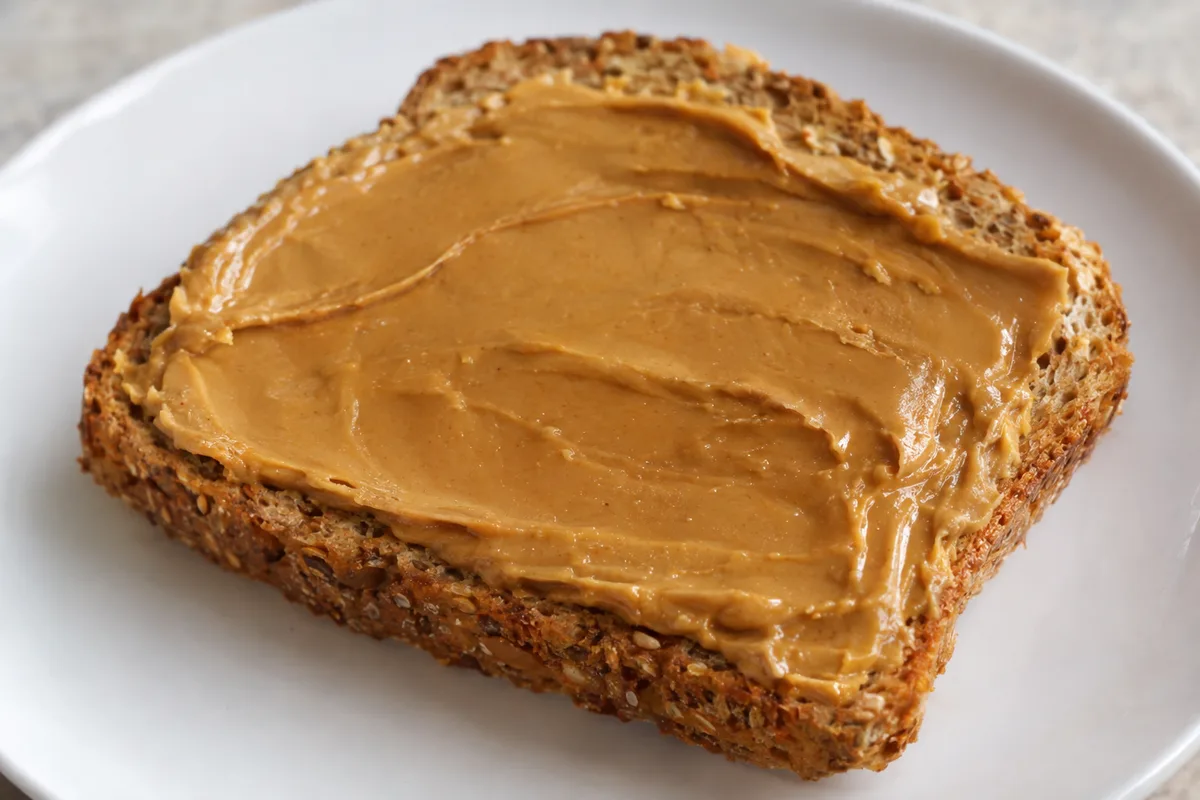
Can Peanut Butter Fit a Weight-Loss Plan?
Peanut butter can fit into a weight-loss plan, but its energy-dense nature makes portions worth noticing. This guide explains how to log it accurately, choose useful pairings and decide when it is satisfying enough for you.
-
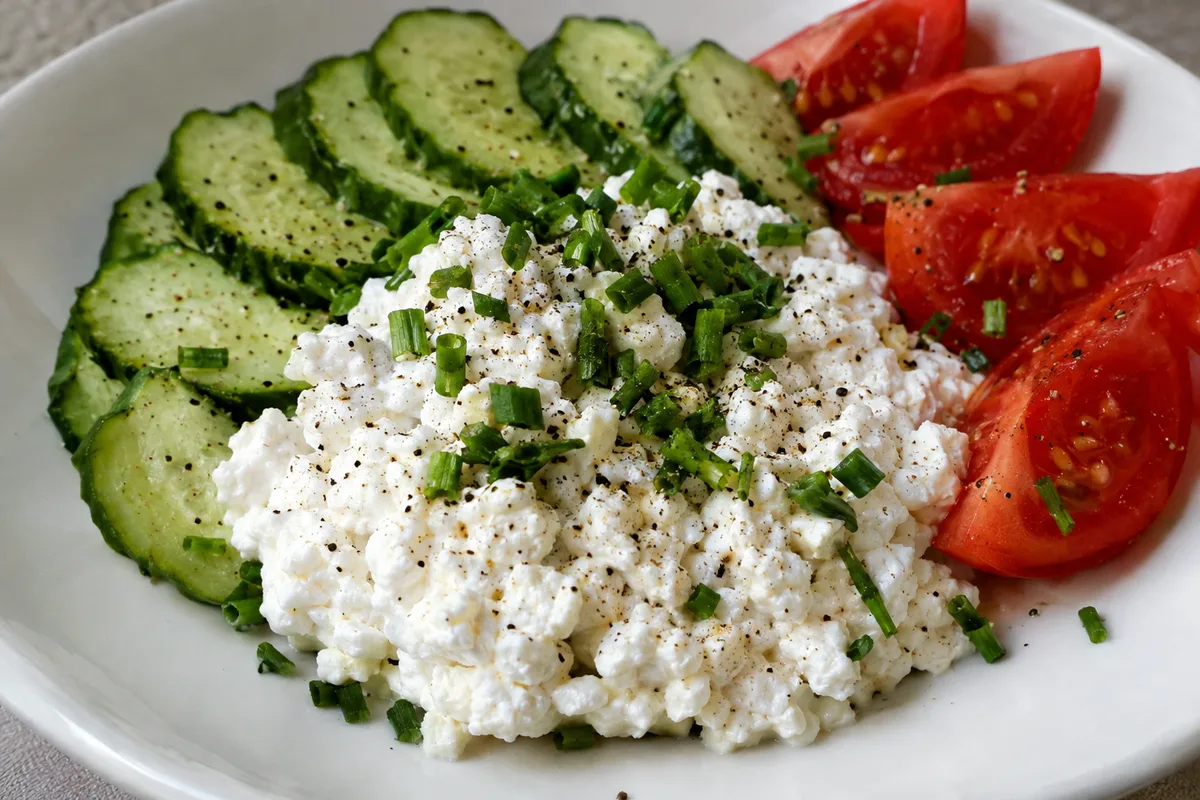
Five lower-calorie cheeses that are easy to track
Cheese can fit into a lower-calorie eating pattern when you choose the type and portion with care. These five options provide flavour and protein while being straightforward to record in a nutrition tracker.
-

Starbucks protein cold foam: what to know before adding it
Starbucks has introduced protein cold foam as a way to add protein and a creamy topping to selected cold drinks. This guide explains what it is, what may be included and how to log it without guessing.
-
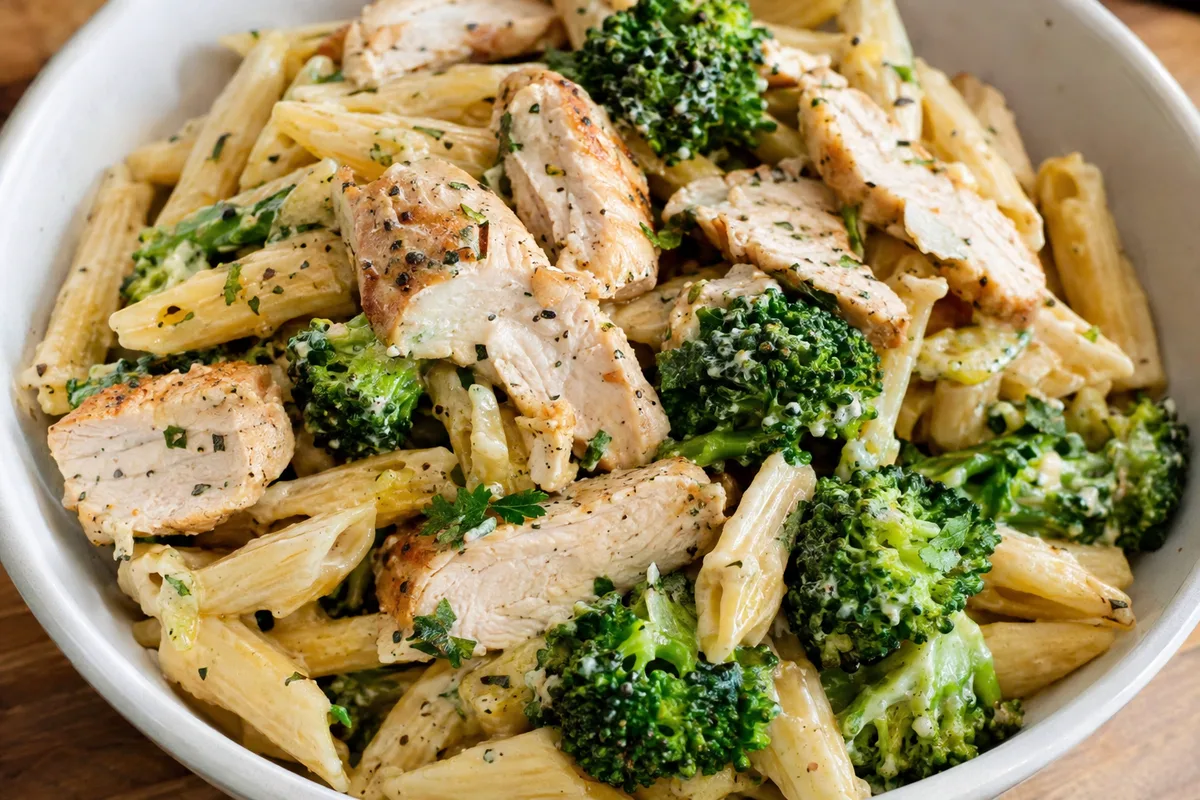
High-Protein Pasta Dishes That Still Feel Like Pasta
A high-protein pasta dish starts with more than simply choosing a different packet of pasta. This guide explains how to combine pasta, protein, vegetables and sauce while keeping the meal enjoyable and straightforward to log.
-
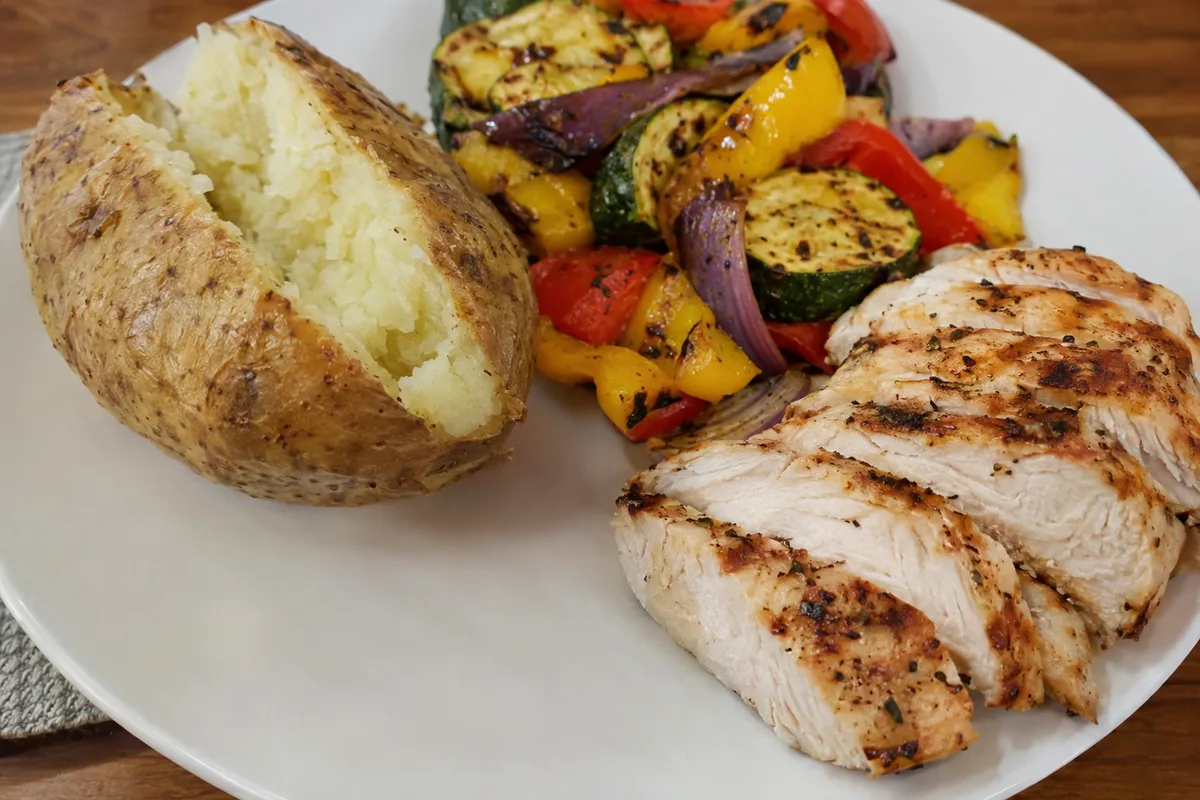
Can Potatoes Fit a Weight-Loss Plan?
Potatoes are filling, versatile and easy to track, but preparation can change their calorie content considerably. Here is how to include them while keeping your meals balanced and aligned with your goals.
-
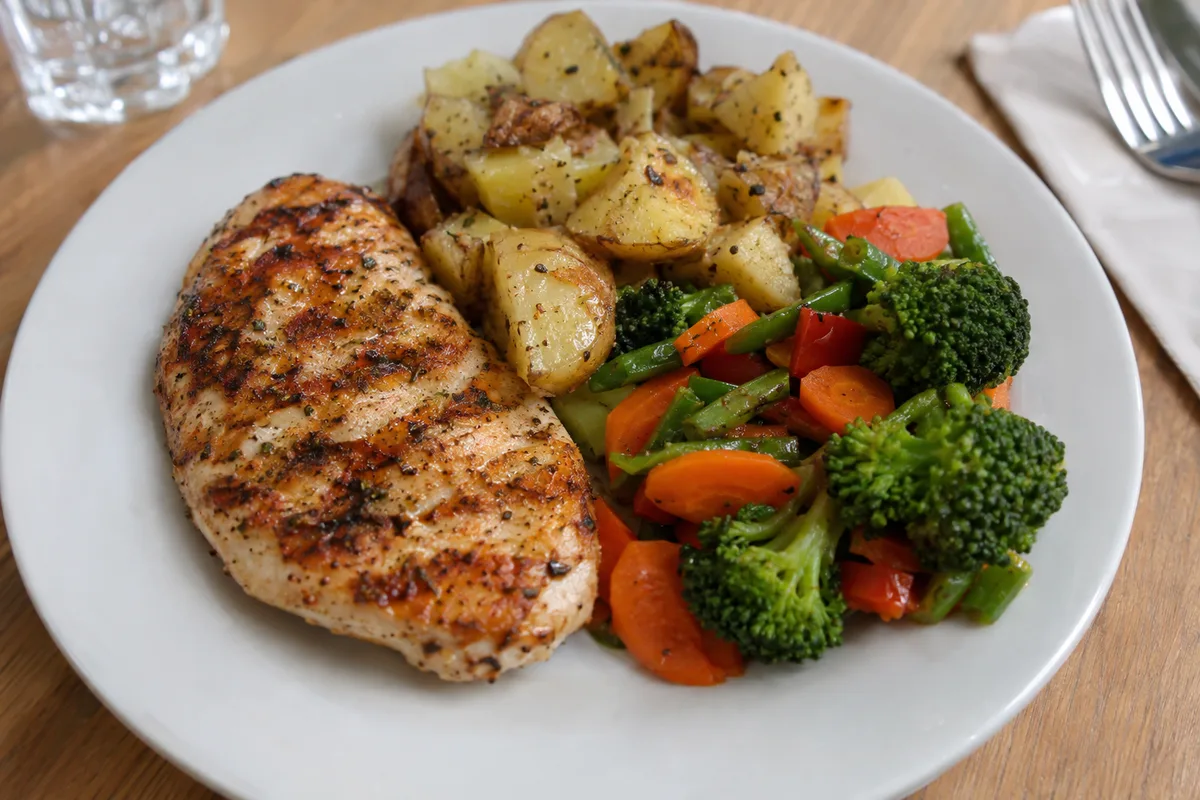
How to Build an Easy Meal Plan for Weight Loss
A practical meal plan can reduce daily decisions while helping you manage your energy intake. This guide explains how to turn foods you already track into flexible breakfasts, lunches, dinners and snacks.
-

Erythritol, stevia or xylitol: which sweetener fits your food diary?
Erythritol, stevia and xylitol can all replace sugar, but they behave differently in food and in your body. This guide explains what each one is, how to log it and where it tends to work best.
-
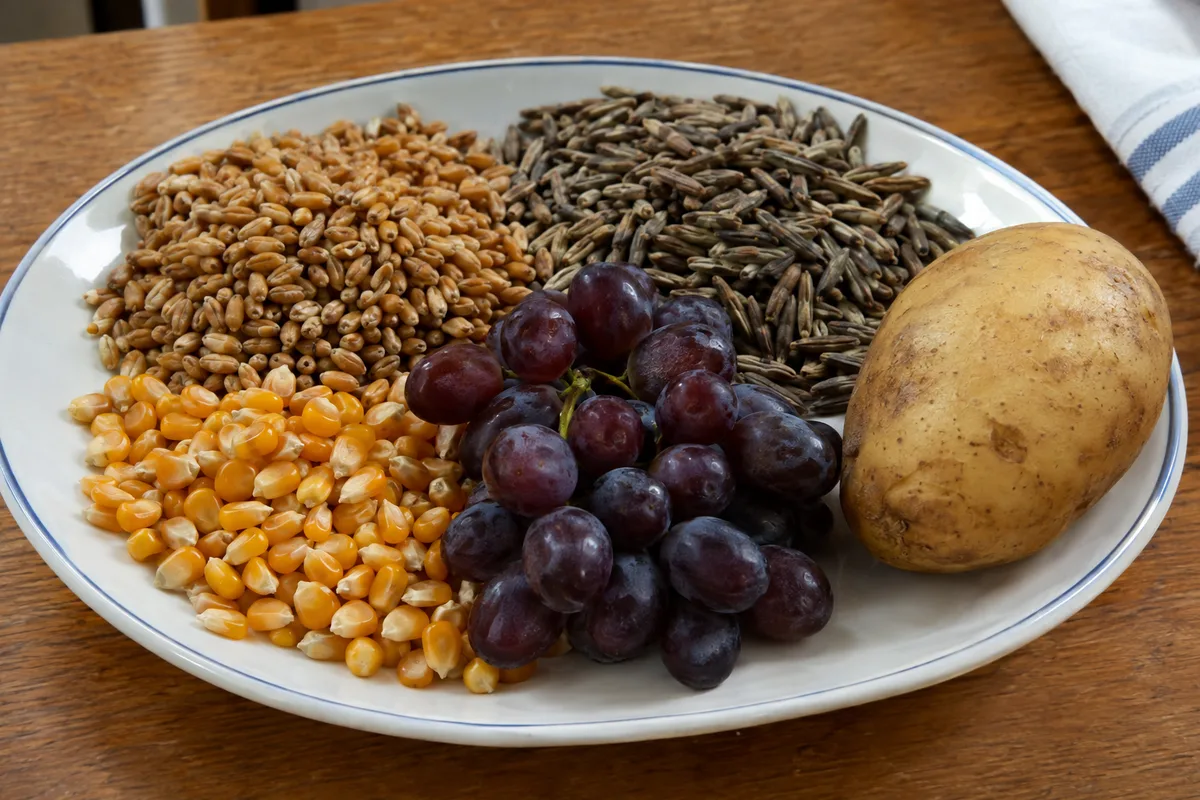
Is Vodka Gluten Free? What to Check Before You Pour
Vodka can begin with wheat, barley or rye and still contain no gluten after distillation. This guide explains why, what can introduce gluten later and what to record when tracking your intake.
-
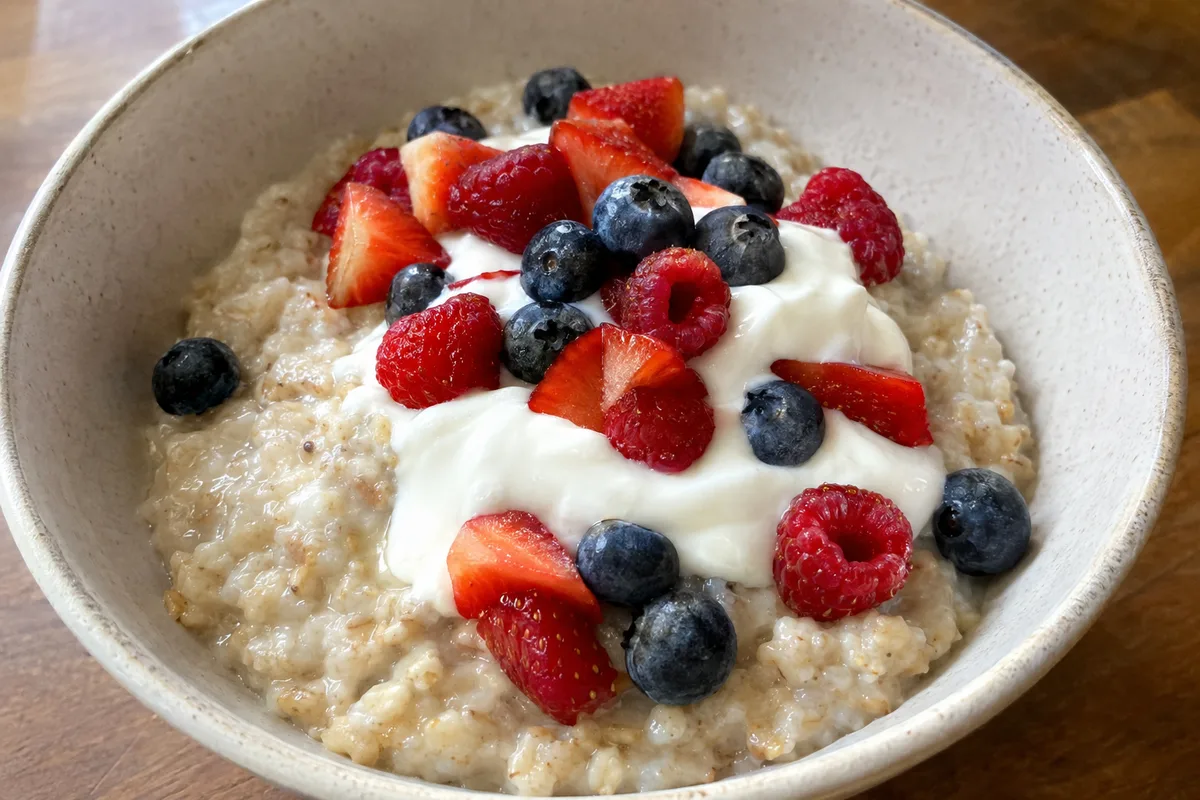
Simple Ways to Add More Protein to Oatmeal
Oatmeal is easy to adapt, but many popular toppings add flavour without contributing much protein. These upgrades show how to change the base, choose useful additions and keep your food log accurate.
-
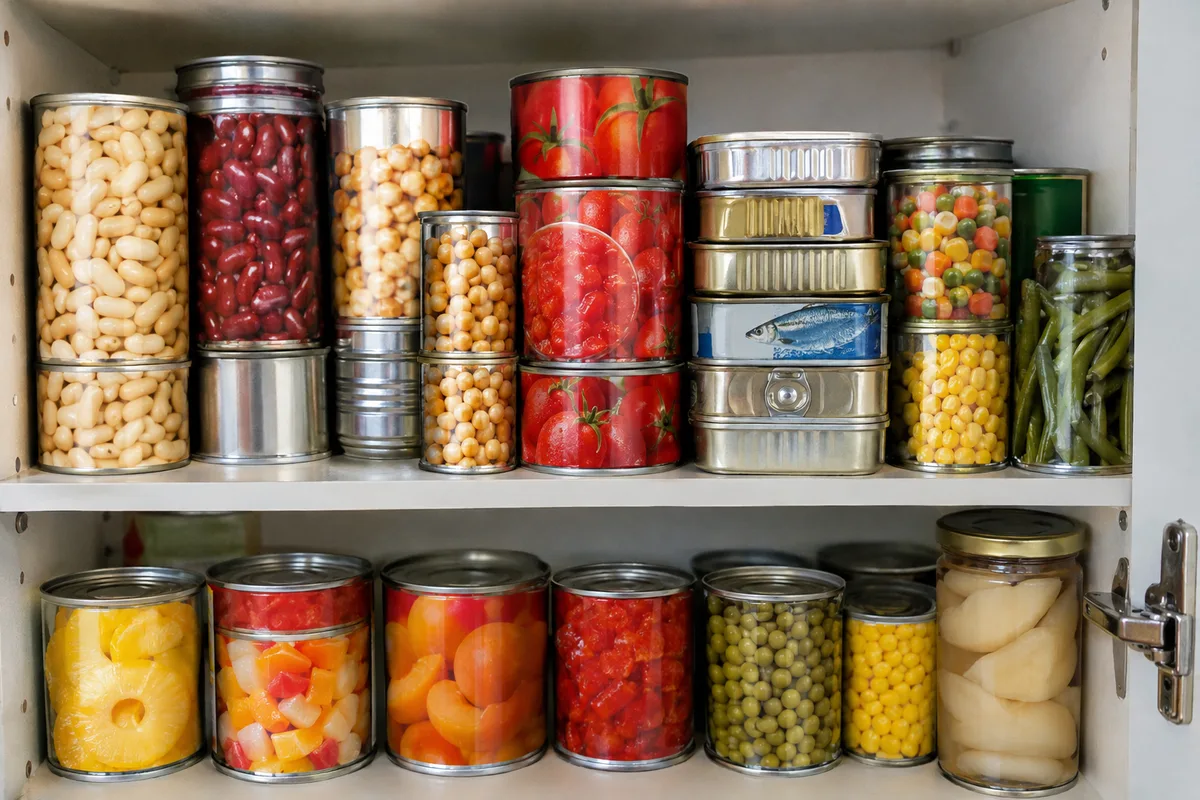
Canned foods that can make weight-loss meals easier
Canned foods can bring fibre, protein and plenty of flavour to meals without demanding much preparation. This guide explains which options dietitians often suggest, how to use them and what to record in your food log.
-
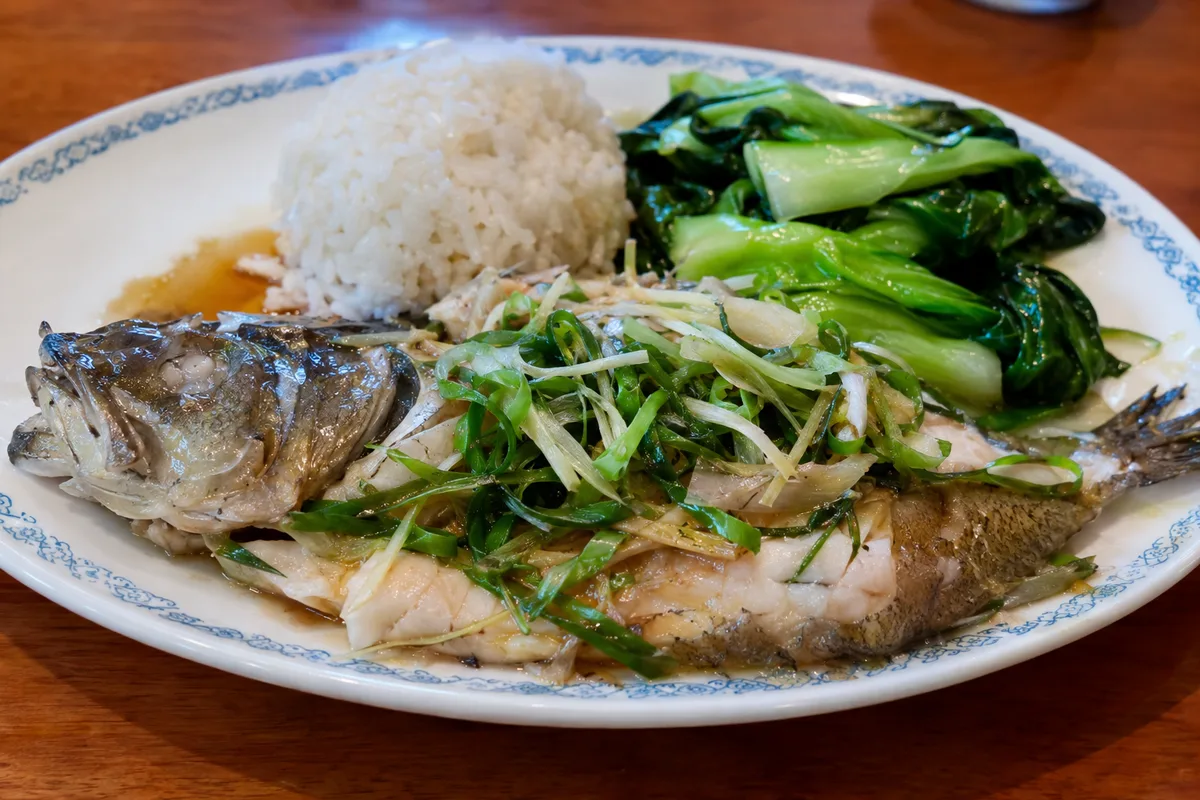
How to Eat Lower Carb in a Chinese Restaurant
Chinese restaurant meals can fit a lower-carb approach when you know where carbohydrates tend to appear. This guide covers menus, sauces, side dishes, portions and sensible ways to log an uncertain meal.
-
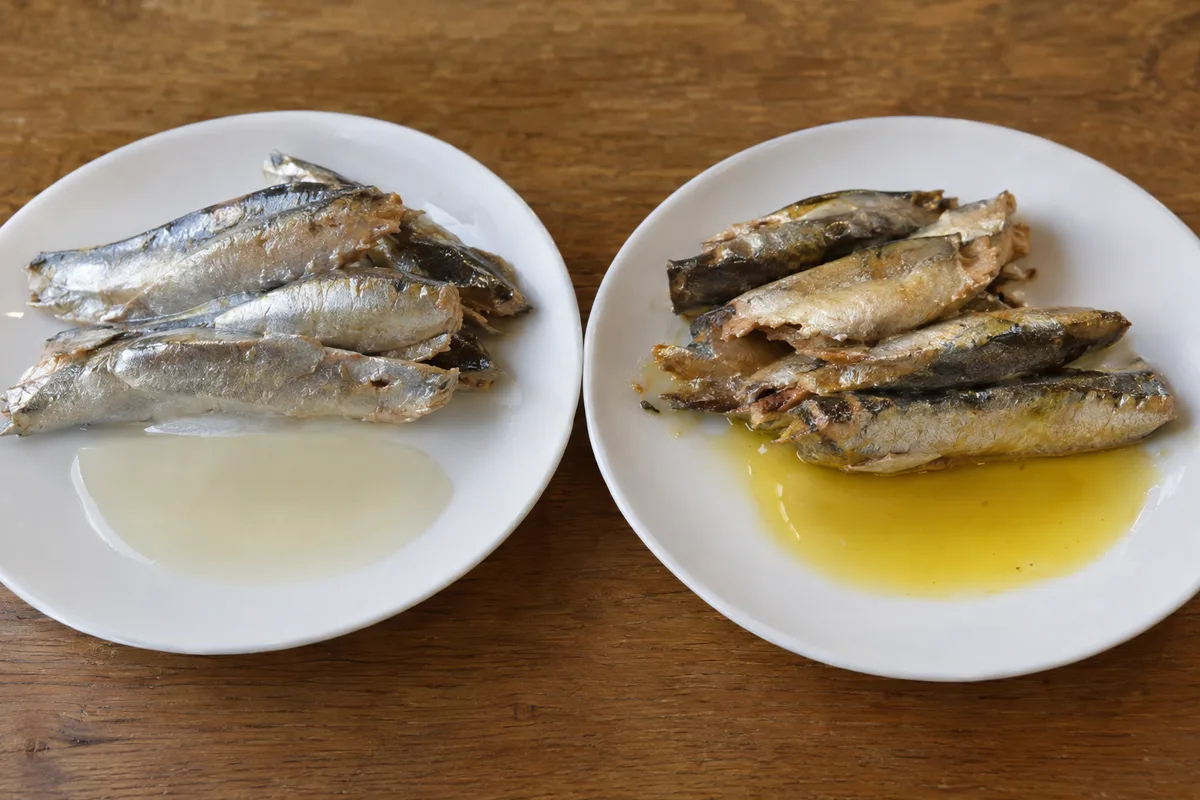
Sardines in Water or Oil: Which Is the Better Choice?
Sardines in water and sardines in oil offer much of the same protein and other nutrients, but the packing liquid changes their energy content and flavour. This guide explains how to choose and log the option that fits your meal.
-
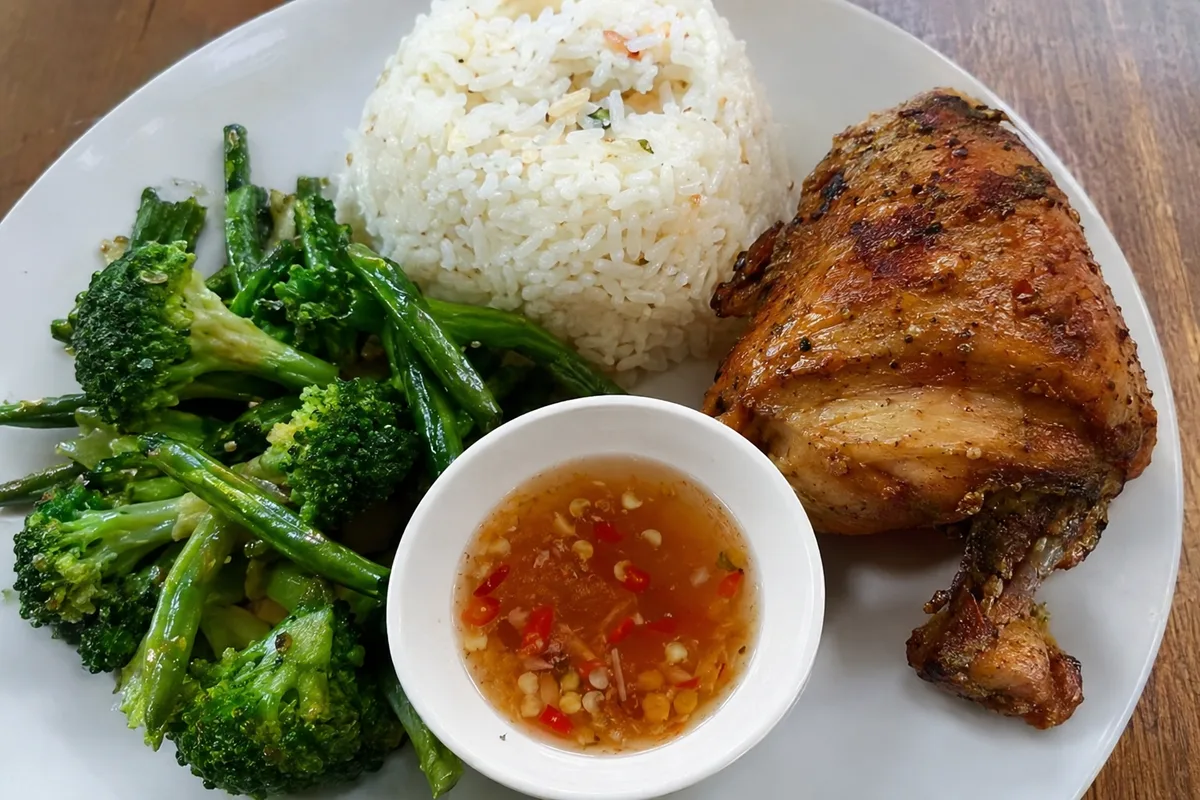
Can Eating Too Little Make You Gain Weight?
A rising weight after eating less can feel as though the usual rules do not apply. This guide explains short-term changes, tracking gaps and how severe restriction can shape eating and movement.
-
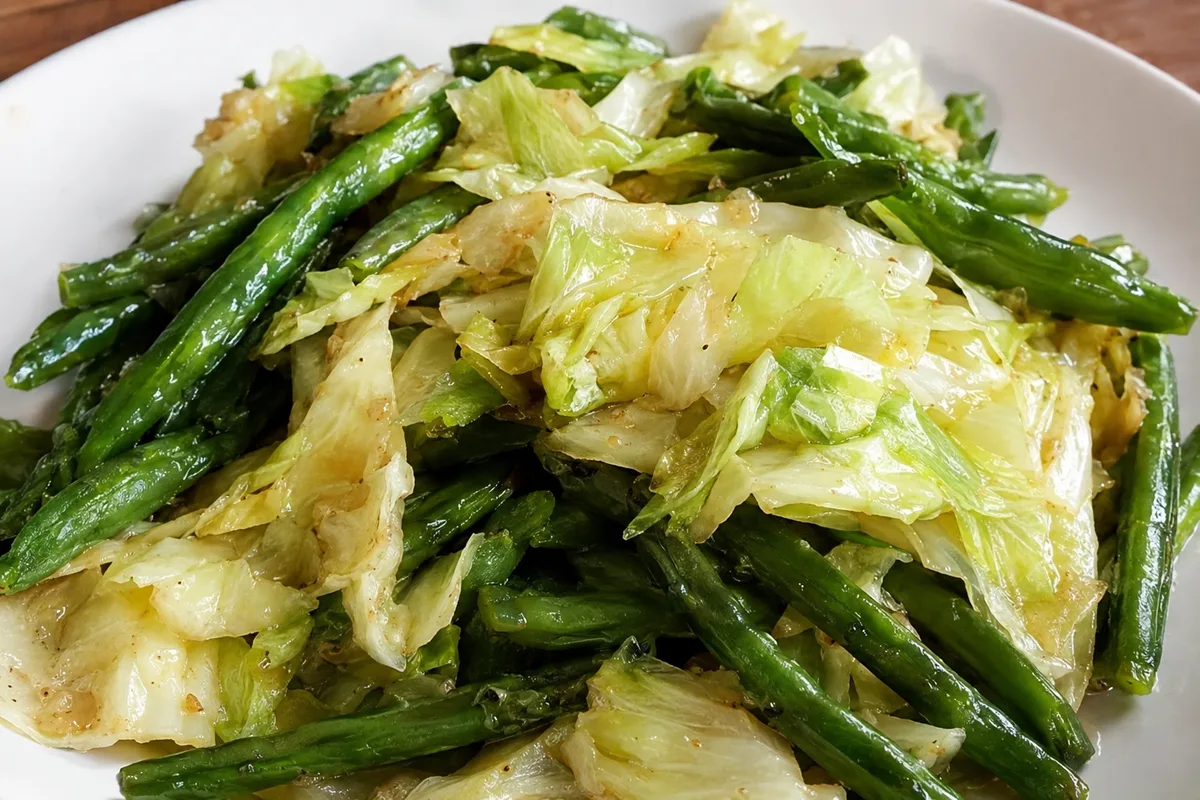
Malt Vinegar: Useful Condiment, Modest Health Benefits
Malt vinegar can make simple meals more appealing without adding much fat or sugar, which may help when tracking food. This article explains what it contains, where its practical benefits come from and why it should not be treated as a health remedy.
-
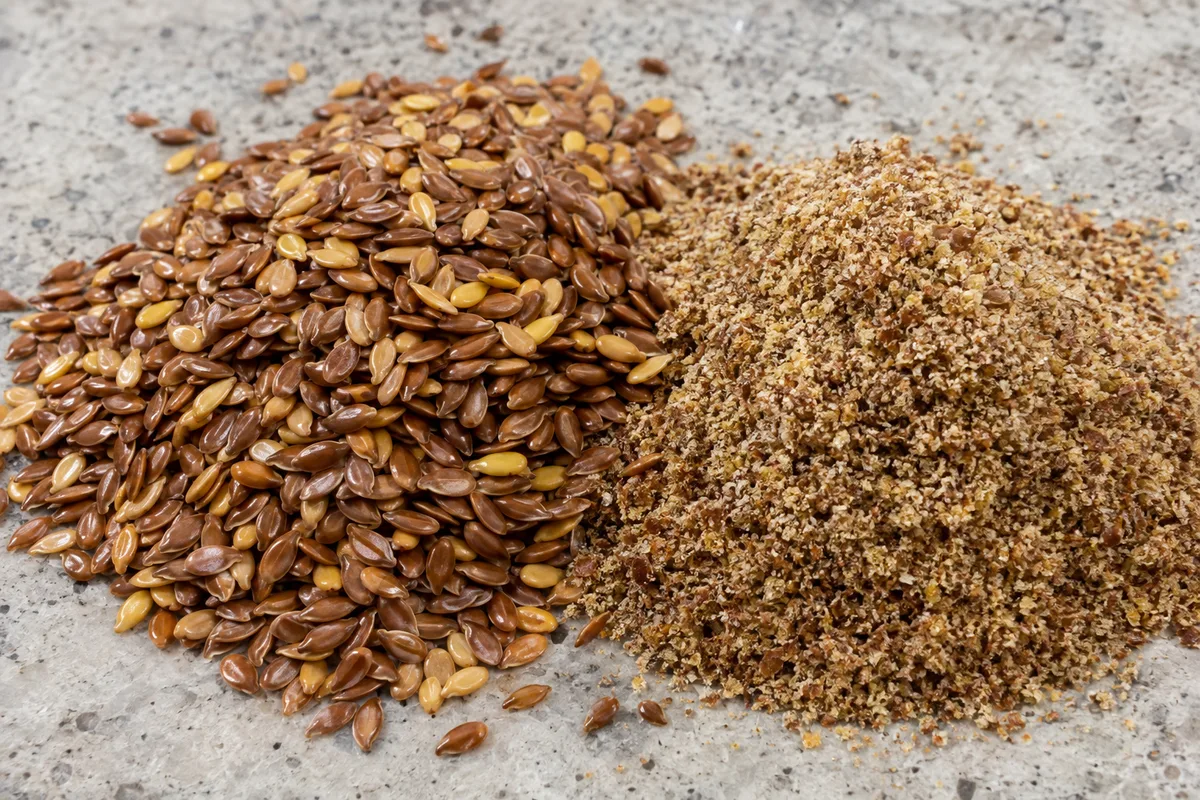
Simple ways to add flaxseed to the food you already eat
Flaxseed, also called linseed, can add fibre, fat and a mild nutty flavour to familiar meals. This guide explains which form to choose, how to introduce it and how to record it in your food log.
-

Three ways to avoid constipation during intermittent fasting
Changing when you eat can also change your usual toilet routine. These three practical habits can support comfortable, regular bowel movements without changing the basic structure of your fasting plan.
-

Which Starbucks Products Are Gluten Free?
Some simple Starbucks drinks are made without obvious gluten ingredients, while flavoured drinks and food need closer checking. This guide explains what may be suitable, what to verify and how to order clearly.
-
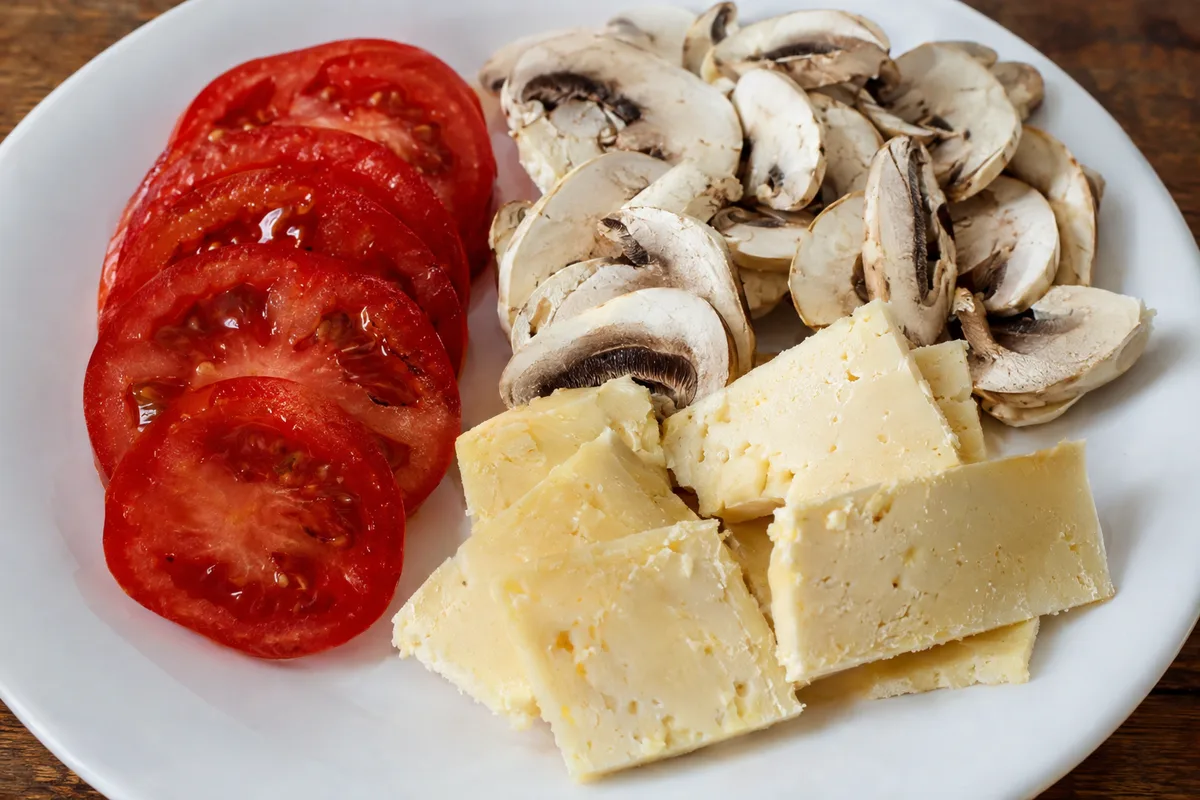
MSG-free foods: a practical list for everyday tracking
MSG is a flavour enhancer that may be added to packaged foods, seasonings and prepared meals. This guide explains which foods are usually MSG-free and how to record them accurately in your food diary.