
Can Potatoes Fit a Weight-Loss Plan?
Potatoes are filling, versatile and easy to track, but preparation can change their calorie content considerably. Here is how to include them while keeping your meals balanced and aligned with your goals.
Potatoes are not automatically fattening
Weight loss depends mainly on your overall calorie intake over time, rather than on whether you eat one particular food. Potatoes can fit within a calorie target just as rice, pasta and bread can. The amount you serve and what you add to them matter more than their reputation.
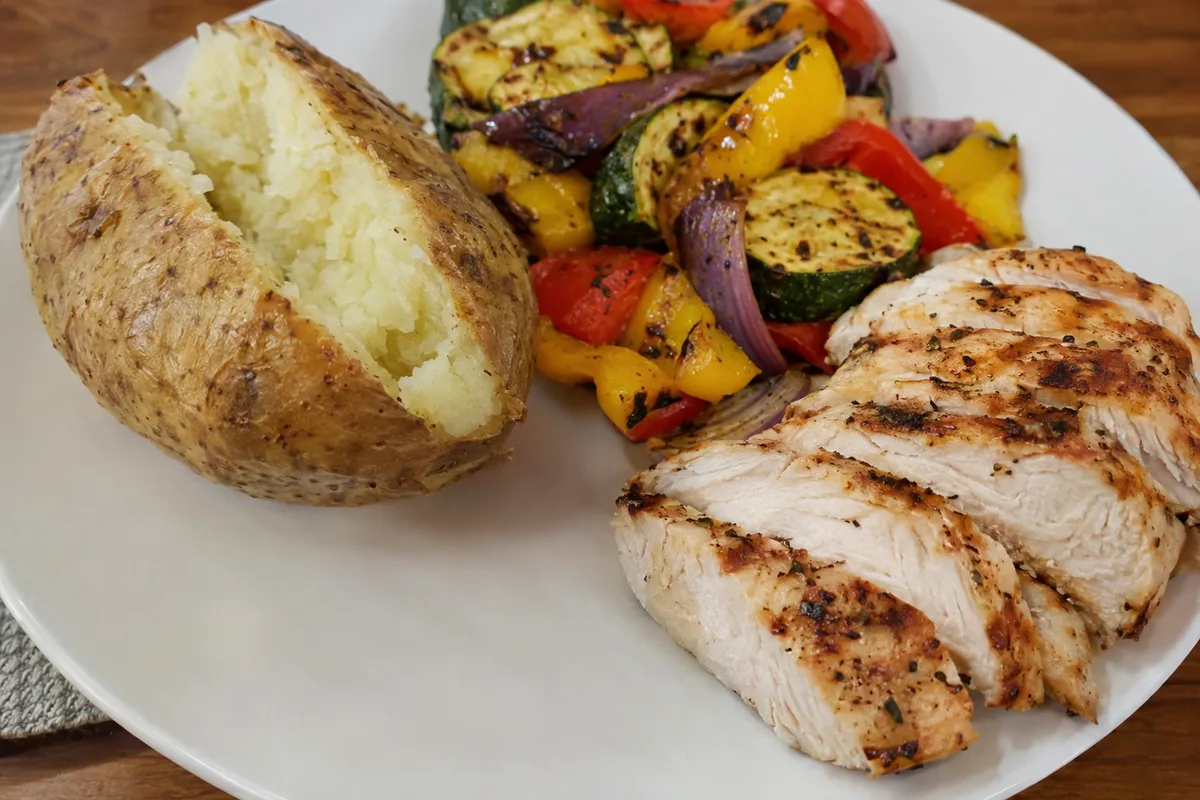
Plain potatoes provide carbohydrate, fibre and several useful nutrients. They also contain plenty of water, so boiled or baked potatoes can make a meal feel substantial. Keeping the skin on adds fibre, although peeled potatoes can still be part of a balanced meal.
Cooking method makes a big difference
A plain boiled, steamed or baked potato is different from one cooked with a generous amount of oil or topped with rich extras. Potatoes absorb fat during some cooking methods, increasing the calories in the finished serving. This does not make fried or roasted potatoes forbidden, but it does make accurate tracking more important.
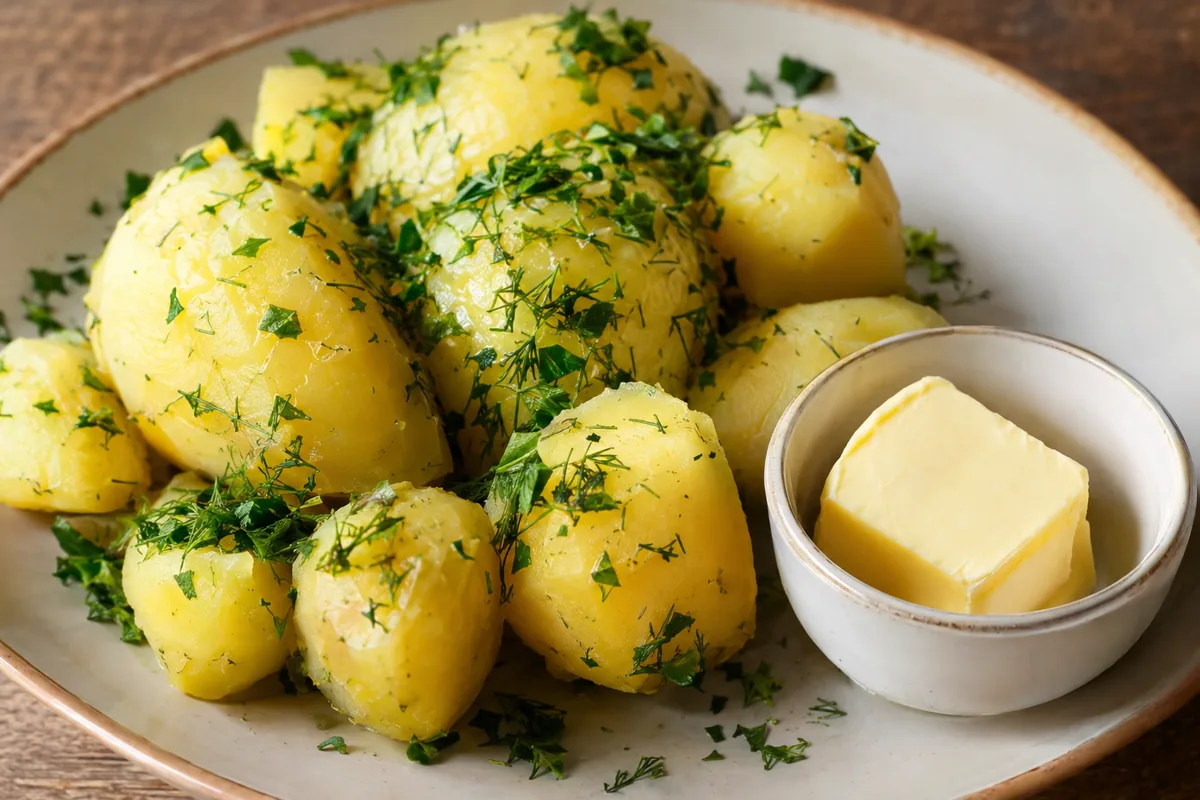
When you log a potato dish, include the oil, butter, cheese, creamy sauce or other additions separately if your entry does not already cover them. For homemade dishes, tracking the raw ingredients for the whole recipe can be clearer than choosing a vague database entry. Divide the recipe total by the number of portions you actually serve.
- Boil or steam potatoes and add herbs, pepper or mustard for flavour.
- Bake a whole potato and choose measured toppings.
- Mash with a measured amount of milk or butter rather than estimating.
- For roast potatoes, track the cooking oil as well as the potatoes.
Choose a portion that fits the meal
There is no single ideal potato portion because calorie needs, appetite and the rest of the day differ between individuals. Start with an amount that fits your planned meal, then look at whether it leaves enough room for protein, vegetables and any sauce. Your food log can help you compare different portions without labelling one as universally correct.
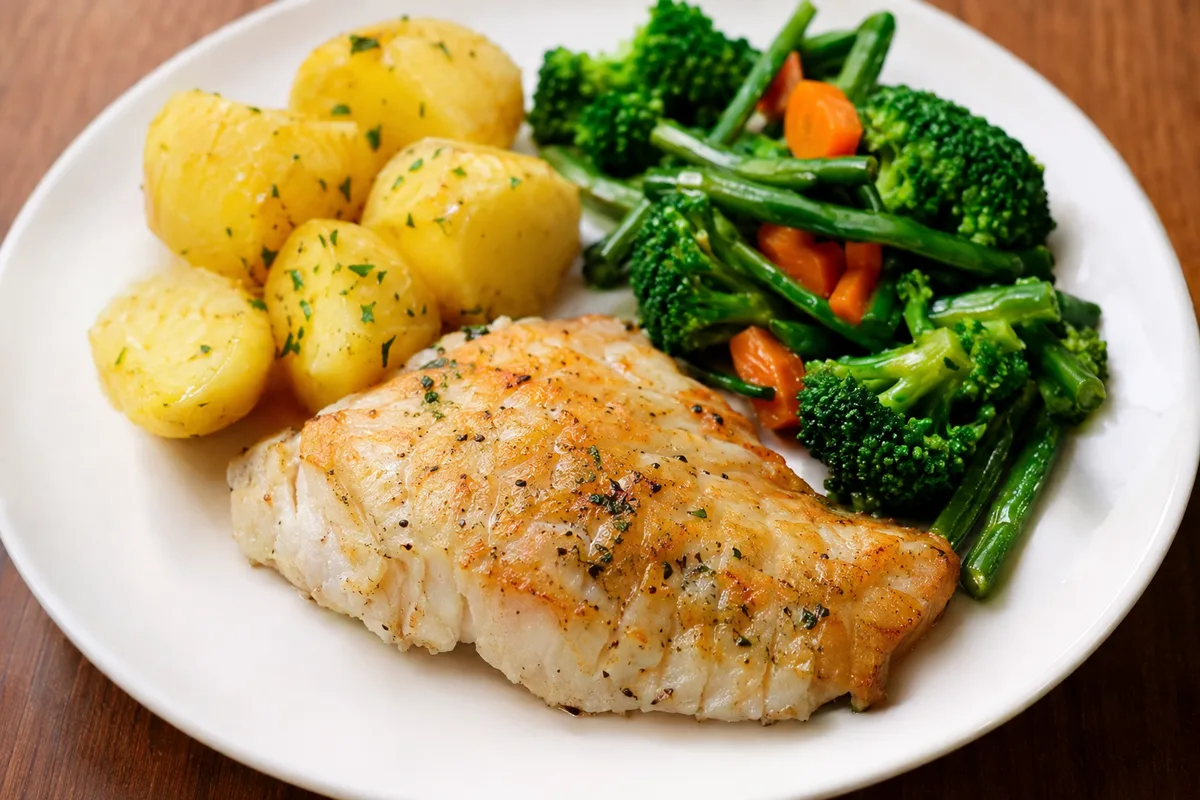
Potatoes are usually most useful as the starchy part of a meal rather than the entire meal. Pairing them with a source of protein and plenty of vegetables can create a more varied, satisfying plate. If the meal also includes bread, pastry or another starchy food, decide whether you want both and track them accordingly.
- Potato with beans and a mixed salad
- Boiled potatoes with fish and green vegetables
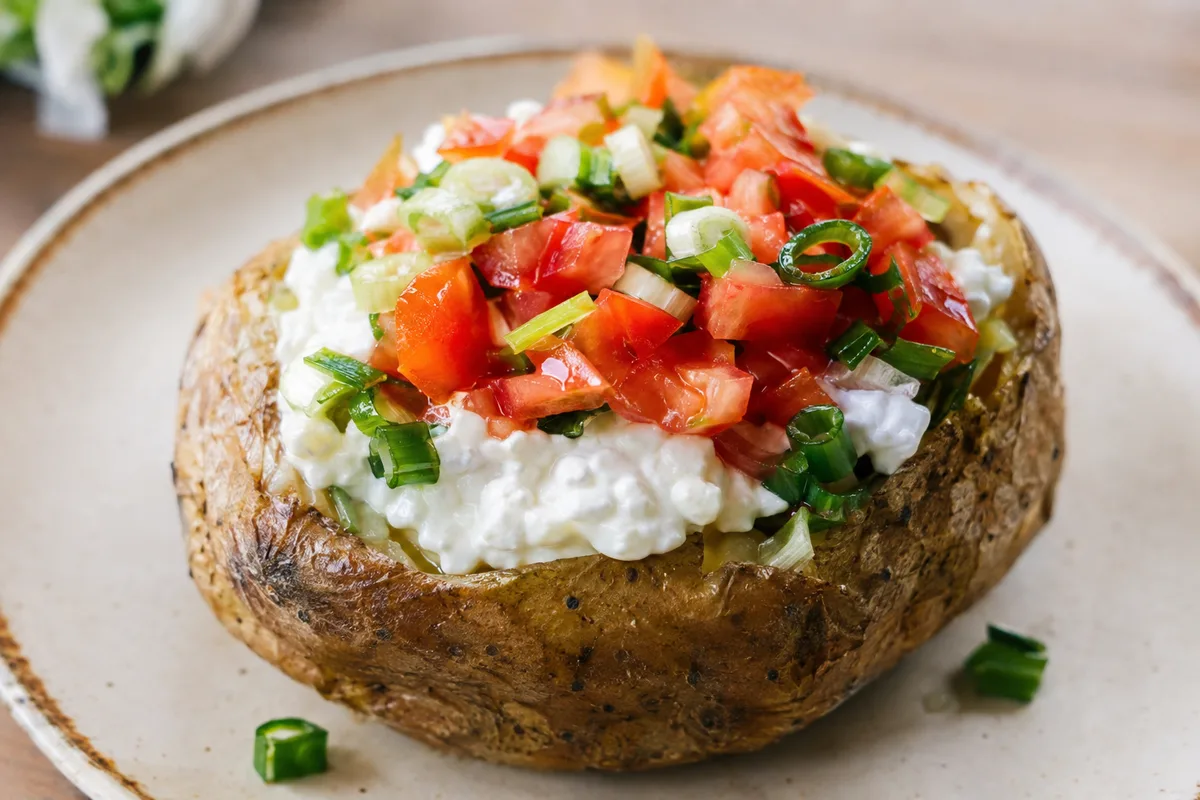
- Baked potato with cottage cheese and tomatoes
- Potato wedges with a vegetable-rich omelette
Use your food log to test what works
Since you already track your food, treat potatoes as something to assess rather than avoid. Compare meals with similar calorie totals and note which one keeps you comfortably satisfied. Appetite responses vary, so your own repeated experience is more useful than a rigid rule.
Log the form of potato as accurately as possible because raw, boiled, baked and fried entries are not interchangeable. Be consistent about whether you record the food before or after cooking. If you use a recipe often, save the ingredients and usual serving size so future entries are easier to repeat.
- Record cooking oil and toppings.
- Choose an entry that matches the cooking method.
- Use the same raw or cooked basis each time.
- Note whether the meal felt satisfying until your next planned meal.
Watch the extras without making the meal joyless
The potato itself may not be the most calorie-dense part of the plate. Oil, butter, cheese, mayonnaise and creamy sauces can contribute a substantial share while adding relatively little volume. Measuring these ingredients occasionally can improve your estimate and show which ones matter most in your usual meals.
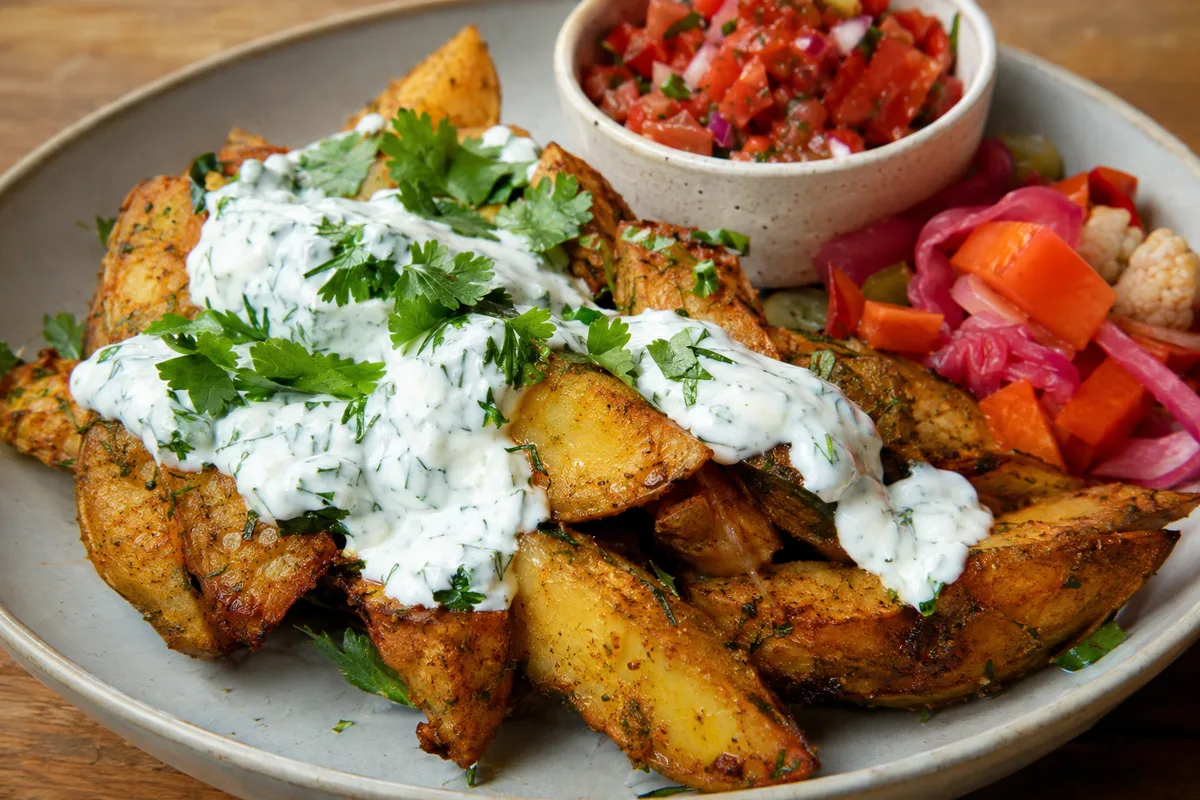
You do not need to eat potatoes plain. Choose the extras you enjoy most, use an amount that fits your target and add flavour through herbs, spices, vinegar, mustard or chopped vegetables. A meal that tastes good is often easier to repeat than one built around unnecessary restriction.
- Swap part of a creamy topping for plain yoghurt and herbs.
- Use a measured drizzle of oil instead of pouring freely.
- Add spring onions, salsa or pickled vegetables for stronger flavour.
- Keep a favourite richer topping, but log the amount you use.
The practical answer
Potatoes can be a good choice during weight loss when they fit your overall calorie intake and help you build satisfying meals. Boiled, steamed and baked versions are often easier to fit into a target than heavily fried or richly topped dishes. Portion size and preparation remain the main points to track.
There is no need to remove potatoes simply because they contain carbohydrate. Look at the whole plate, include every ingredient in your log and adjust based on your progress and appetite. The best approach is one you can follow consistently while still enjoying your food.