
Sardines in Water or Oil: Which Is the Better Choice?
Sardines in water and sardines in oil offer much of the same protein and other nutrients, but the packing liquid changes their energy content and flavour. This guide explains how to choose and log the option that fits your meal.
The main difference is the packing liquid
Both versions start with the same fish, so either can provide protein, omega-3 fats and useful minerals. Sardines with edible bones can also contribute calcium. The biggest difference is whether water or oil surrounds the fish in the tin.
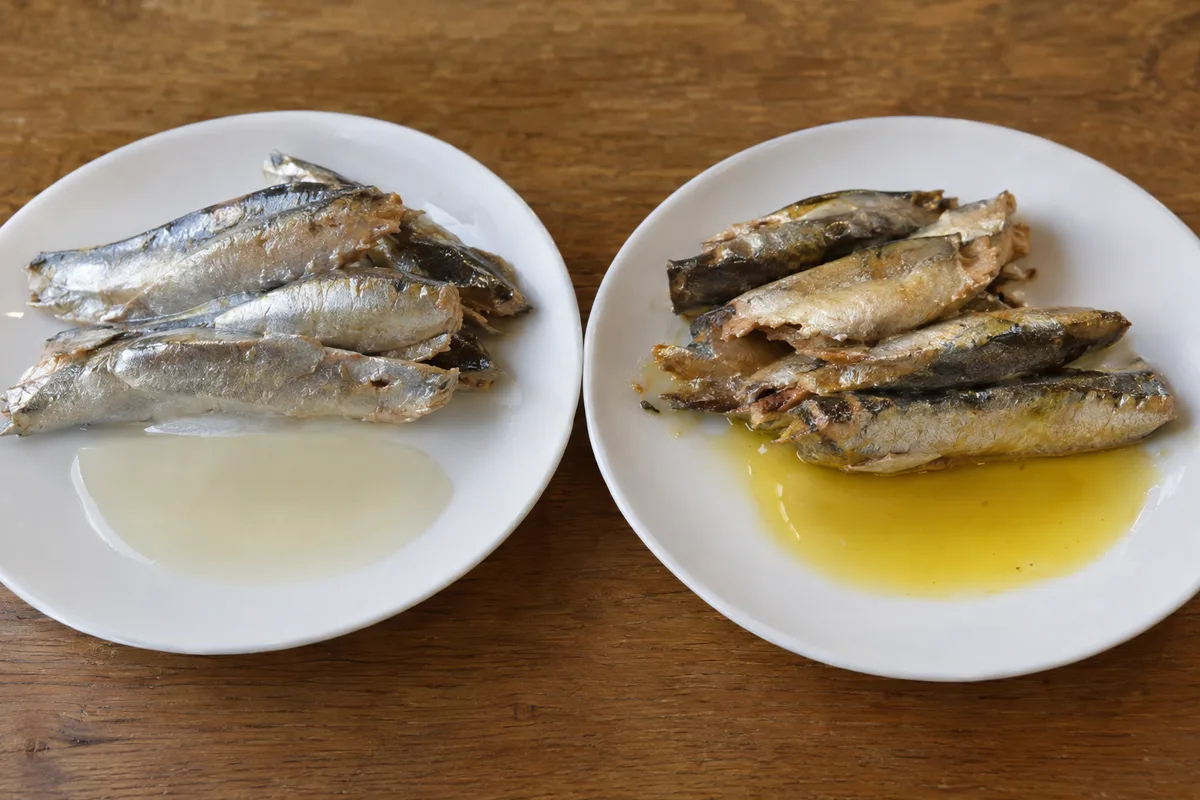
Water adds little or no energy, while oil is energy-dense because fat provides about 9 kcal per gram. Some oil remains on the sardines after draining, so oil-packed fish will often contribute more energy than water-packed fish. The exact difference depends on the product and how thoroughly it is drained.
- Choose water-packed sardines when you want more control over added fat.
- Choose oil-packed sardines when their richer flavour suits the meal.
- Check whether the label describes drained fish or the full contents.
- Compare similar serving sizes rather than relying on the front of the tin.
What stays much the same
The fish itself remains the main source of protein in either version. Packing sardines in water does not turn them into a different food, and packing them in oil does not remove their natural nutrients. Differences between brands, fish size and preparation can still affect the label.
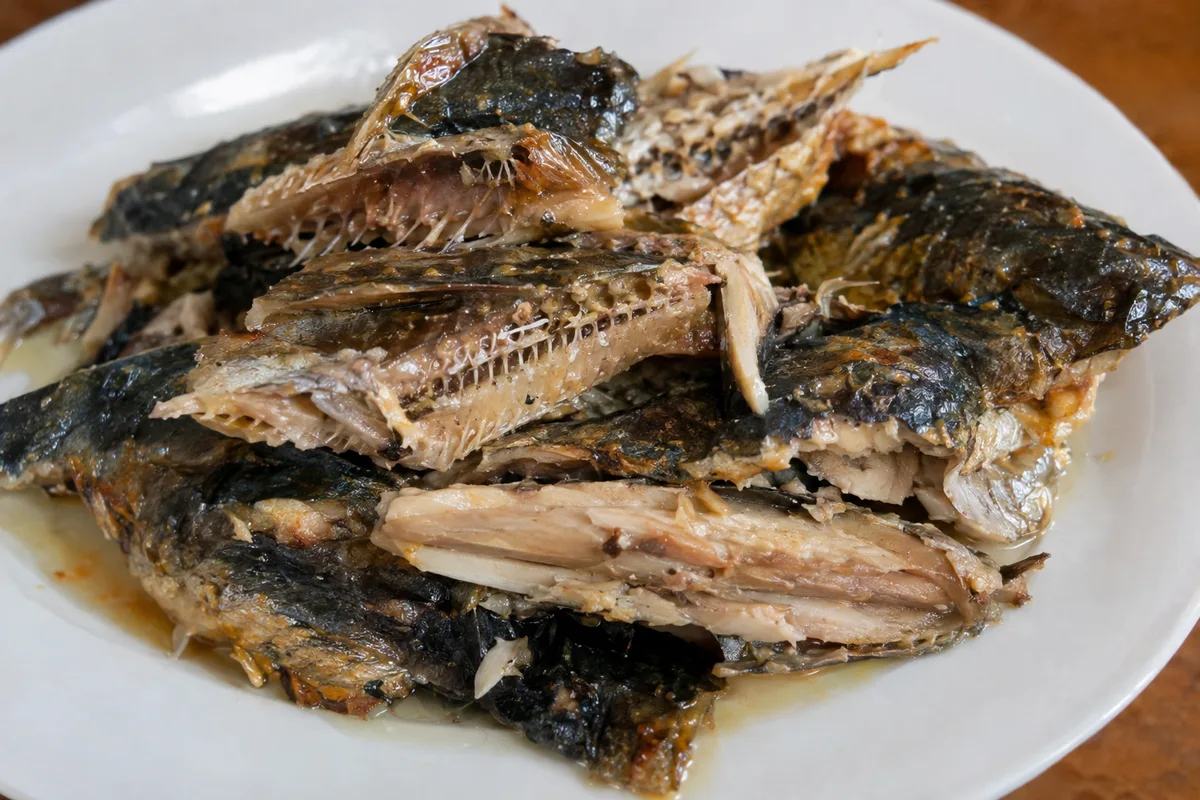
Sardines naturally contain fat, including omega-3 fats, even when packed in water. Draining oil-packed sardines removes some of the packing oil but not the fish's own fat. This is why a water-packed version should not be treated as fat-free when you log it.
- Protein from the fish
- Natural fats from the fish
- Omega-3 fats
- Calcium when the softened bones are eaten
Oil changes energy, texture and flavour
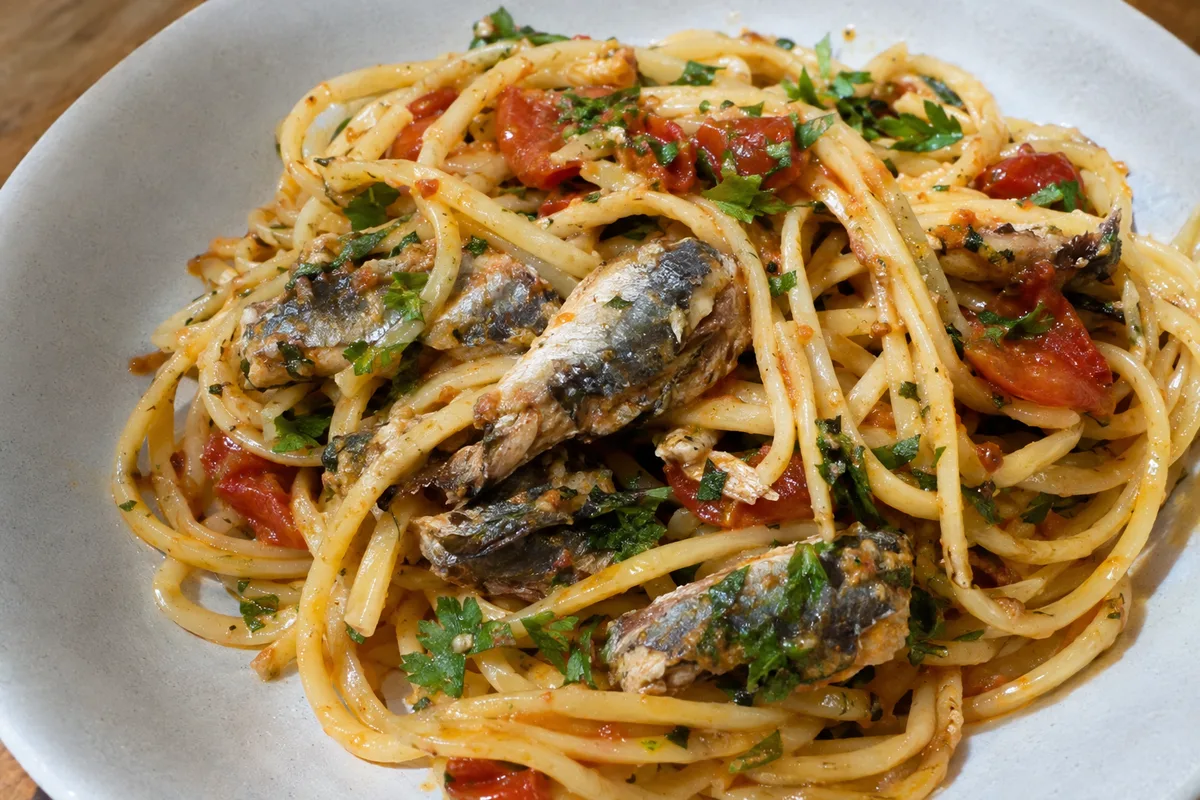
Oil-packed sardines tend to taste richer and may feel softer or more succulent. Their oil can also help carry seasonings through a salad, pasta dish or toast topping. If you use that oil in the meal, it belongs in the food log.
Water-packed sardines usually have a cleaner, lighter flavour, although texture varies by brand. They can be useful when the rest of the meal already contains oil, mayonnaise, avocado or another source of fat. You can then add exactly the dressing or sauce you prefer.
- Use oil-packed sardines and their oil as part of a pasta sauce.
- Drain them lightly when a little richness is wanted.
- Drain them thoroughly when another fatty ingredient is included.
- Use water-packed sardines when adding your own measured dressing.
Salt and the type of oil also matter
Water-packed does not always mean packed in plain water. Some sardines are in brine, while others have added salt, so the nutrition panel gives a clearer answer than the product name. Compare the sodium figure using the same serving basis.
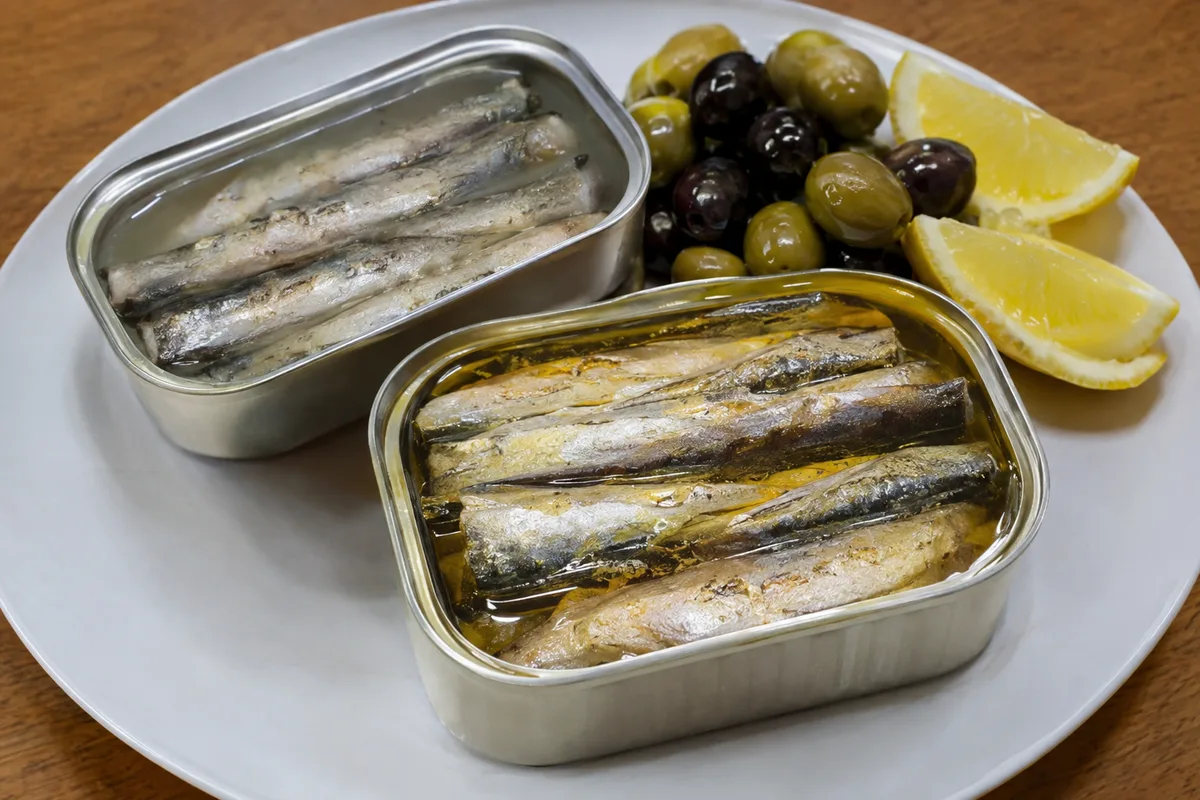
Oil-packed sardines may use olive oil, sunflower oil or another vegetable oil. The choice changes the flavour and the mix of fats in the finished food. If that matters to you, read the ingredients rather than assuming all oil-packed sardines are alike.
- Look for water, brine or oil in the ingredients.
- Check whether salt has been added.
- Identify the type of oil used.
- Compare nutrition figures per serving or per 100 grams consistently.
How to log sardines more accurately
Start by finding out whether the database entry refers to sardines in water, brine or oil. Then check whether it is based on the drained fish or the full contents of the tin. A close match matters more than choosing a generic entry with a different packing liquid.

If you discard the liquid, use the drained amount and a drained-food entry where possible. If you eat or cook with the oil, include it rather than logging only the fish. The amount of oil left behind or eaten depends on how the sardines are served, so there is no single adjustment that fits every meal.
- Match the packing liquid to the database entry.
- Check whether the listed amount is drained or undrained.
- Log retained oil when it becomes part of the meal.
- Save the verified entry if you eat the same product regularly.
So, which one is better for you?
Sardines in water may be the more practical choice when you want to keep added energy lower or control the fat used elsewhere in the meal. Sardines in oil may be better when you value their flavour, need a ready-made dressing or prefer their texture. Neither option is automatically the right choice for every meal.
Your overall plate matters more than the packing liquid alone. Consider what you will serve with the sardines, whether you will use the oil and how the product fits your usual food intake. For tracking, the best choice is often the one you can identify and log accurately.
- Pick water-packed sardines for easier control over added oil.
- Pick oil-packed sardines when the oil replaces another dressing or cooking fat.
- Let taste, the rest of the meal and the label guide the decision.