
Are Wheat Thins a Healthy Snack?
Wheat Thins contain wheat and can provide some fibre, but they are still a processed cracker with added oil and salt. Here is how to assess them, track a portion and turn them into a more satisfying snack.
The short answer
Wheat Thins can be part of a healthy way of eating, but the name alone does not make them a particularly nourishing snack. Their nutritional value depends on the variety, the amount you eat and what else is on the plate. They are best viewed as crackers rather than as a replacement for minimally processed whole grains.
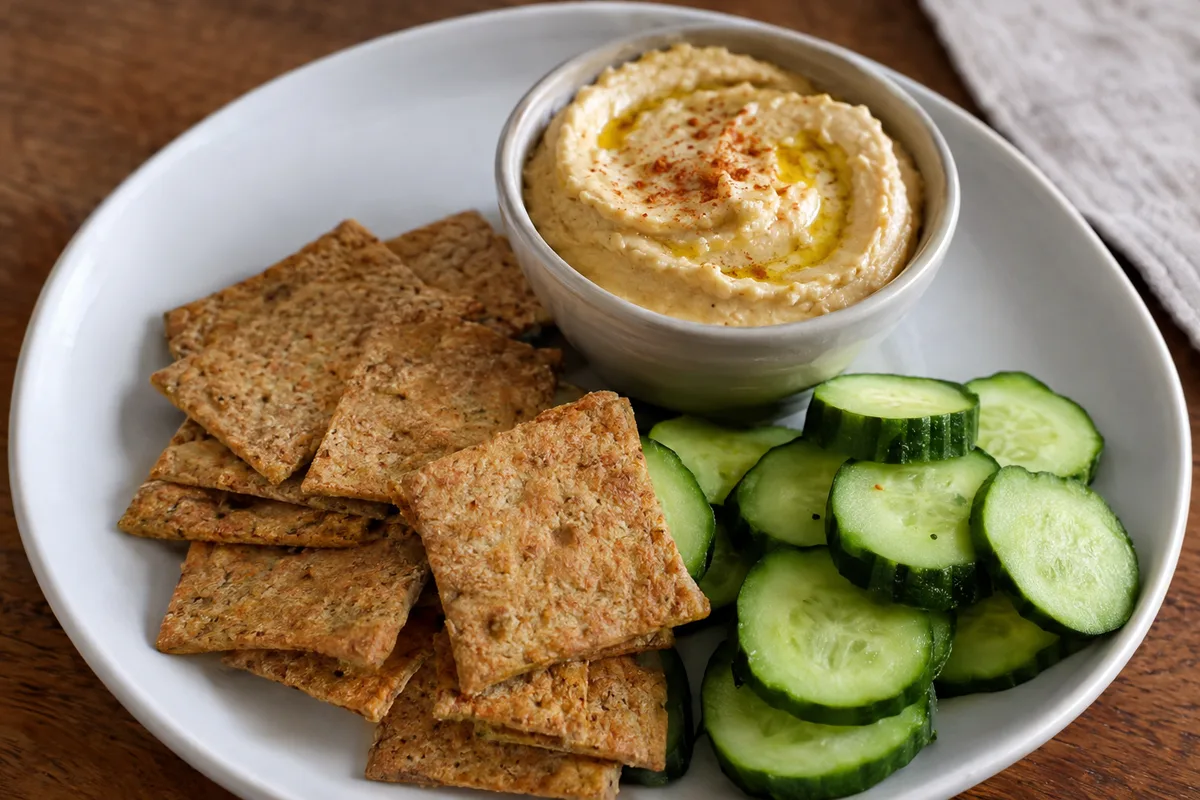
A portion can offer crispness and carbohydrate without being very filling on its own. Pairing the crackers with a source of protein, fibre or both usually makes the snack more substantial. Your wider eating pattern matters more than whether one individual food earns a healthy label.
- Check the exact variety rather than judging by the front of the packet
- Track the portion you actually eat
- Consider the sodium, fibre and added sugar shown on the label
- Look at what the crackers are served with
What is in Wheat Thins?
Recipes vary between flavours and countries, so the packet in front of you is the most reliable source. Wheat is usually central to the recipe, alongside oil, sweetening ingredients and salt. Flavoured versions may contain additional seasonings and other ingredients.
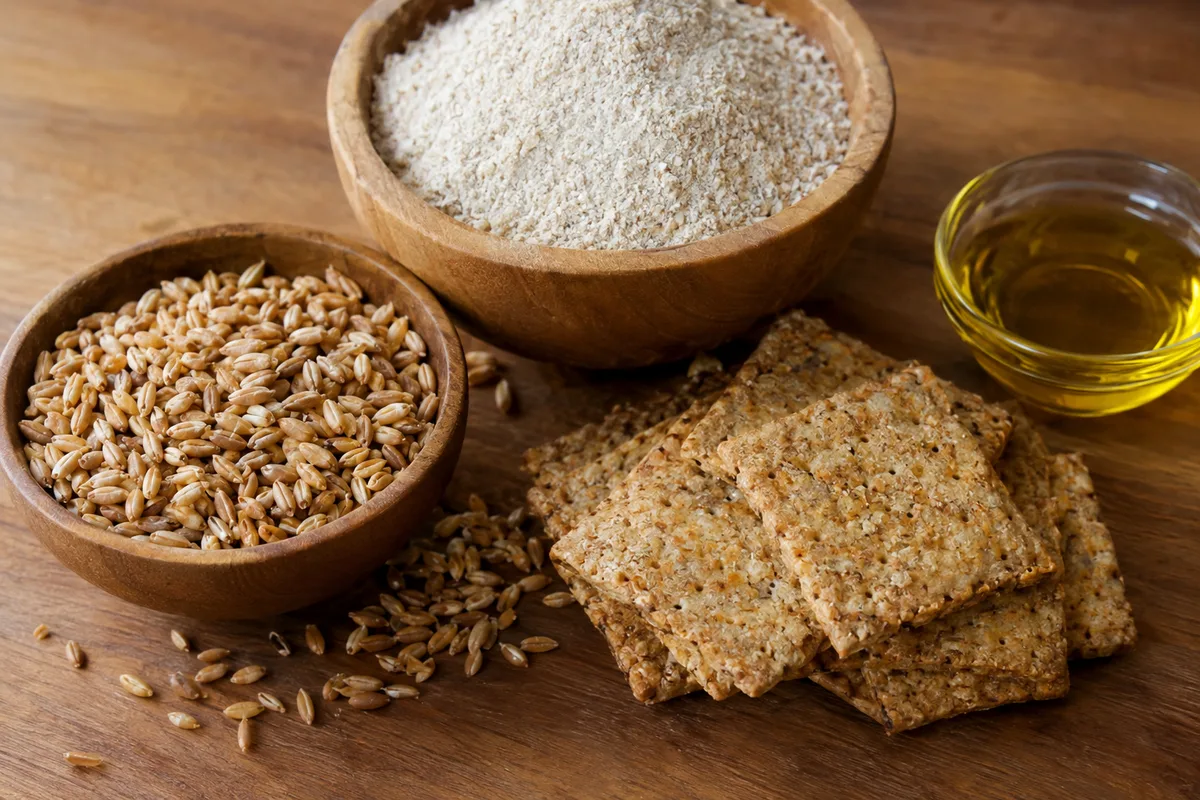
Wholegrain wheat can contribute fibre, but that does not mean the crackers are nutritionally the same as a bowl of intact grains. Grinding wheat into flour and baking it into thin crackers creates a food that is easy to eat quickly. The amount of fibre also varies, so compare the figure per serving rather than relying on words such as wheat or whole grain.
- Read the ingredients in descending order by weight
- Note whether wholegrain wheat is listed prominently
- Check for added sugars under their different ingredient names
- Compare fibre and sodium between varieties
Why portions can creep up
Thin crackers are easy to pick at while working, watching television or preparing a meal. Eating directly from the packet can make it difficult to remember how many you have eaten. This matters when you track food because several small handfuls may be quite different from the serving entered in your diary.
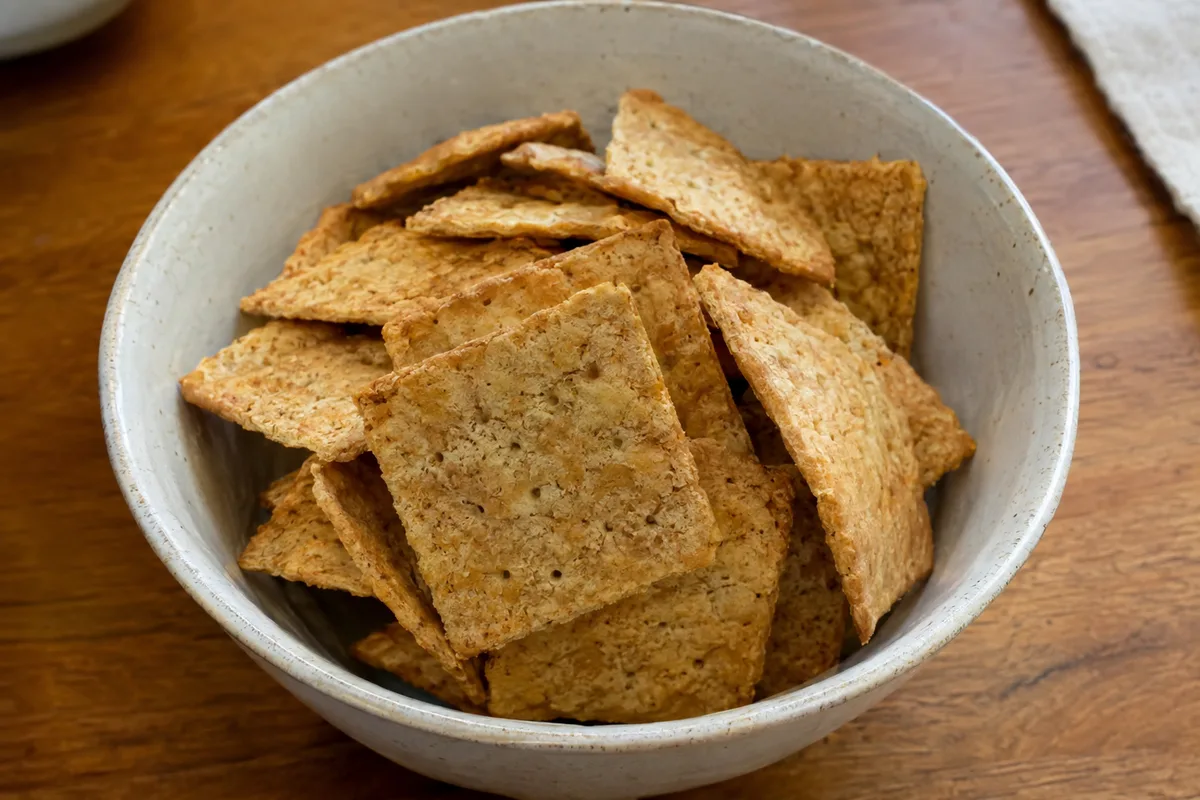
Use the serving information as a reference, not as a rule about how much you must eat. Count or weigh the amount when accuracy matters, then log that actual portion. Over time, you may learn what your usual portion looks like without needing to check every time.
- Put your intended portion on a plate or in a bowl
- Return the packet to the cupboard before eating
- Log extra crackers if you go back for more
- Notice whether you are hungry or simply enjoying the crunch
How to make the snack more balanced
Wheat Thins mainly contribute carbohydrate and some fat, while the amount of protein may be modest. Adding a protein-rich topping can make the snack feel more complete. Fruit or vegetables can add fibre, volume, colour and different textures.
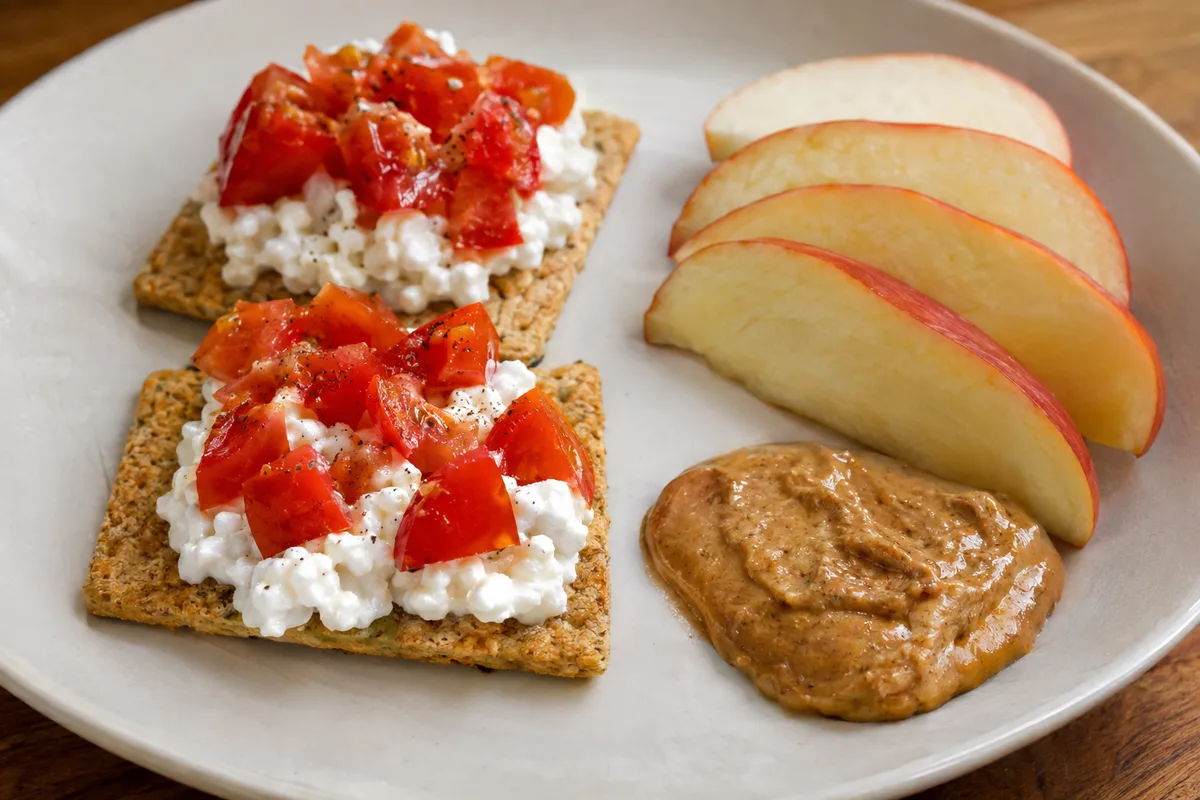
The best combination depends on your appetite and the role of the snack. A light bite before a meal may need less than a snack intended to carry you through a long afternoon. Track each part separately if you want to understand which combinations suit you.
- Crackers with hummus and cucumber slices
- Crackers with cottage cheese and tomato
- Crackers with nut butter and sliced apple
- Crackers with mashed beans and chopped peppers
- Crackers alongside a boiled egg and grapes
How they compare with other crunchy choices
No cracker is automatically the healthiest option. Some alternatives contain more fibre or protein, while others mainly differ in flavour, texture or portion size. Compare products using the same weight where possible, because suggested servings may not match.
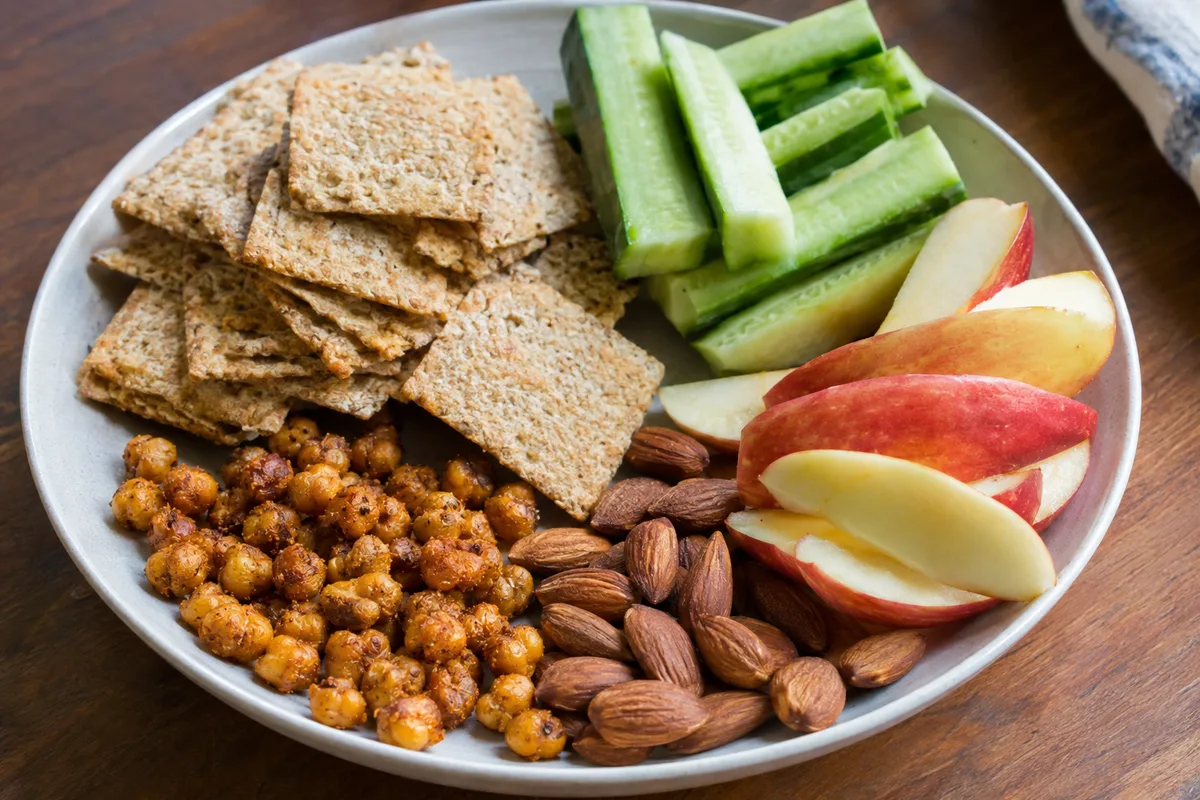
You can also choose foods that provide crunch without being crackers. Vegetables, fruit, nuts and roasted pulses each offer a different mix of nutrients. The suitable choice depends on what else you have eaten and what you want from the snack.
- Choose higher-fibre crackers when you want a more filling base
- Use crisp vegetables when you want freshness and volume
- Add nuts or roasted pulses when protein and texture are priorities
- Pick the option you enjoy enough to eat in a sensible portion
The bottom line for your food diary
Wheat Thins do not need to be classed as either healthy or unhealthy. They can fit into your food diary as a convenient cracker, particularly when the portion is clear and the rest of the snack adds protein or fibre. Their oil, salt and sweetening ingredients are reasons to look at the label, not reasons to panic.
If you eat them often, compare varieties and pay attention to how satisfied you feel afterwards. If they leave you hungry, try a smaller cracker portion with a more substantial topping or side. The most useful entry in your tracker is the one that reflects what you actually ate.
- Select the matching flavour and serving details in your tracker
- Adjust the entry to your real portion
- Include dips, cheese, spreads and toppings
- Save a satisfying combination as a repeat meal if your tracker allows it