
Are You Eating to Support Muscle?
Building and maintaining muscle takes more than adding protein to your food log. This guide explains what to track, how meals support training and how to assess your routine over time.
Food and training have different jobs
Strength training gives your muscles a reason to adapt, while food supplies the energy and building materials involved. Eating more protein without using your muscles regularly does not replace training. In the same way, training hard while consistently eating too little can make recovery and progress more difficult.

Muscle-focused eating is not one special menu. It means getting enough overall food, spreading useful nutrients across your day and adjusting your intake to match your activity. Your needs depend on factors such as your body size, routine, appetite and goal.
- Include regular strength-based movement in your week
- Track complete meals rather than protein alone
- Look at your usual pattern across several days
- Adjust food intake when your training load changes
Make protein a regular part of the day
Protein provides amino acids, which the body uses to maintain and build tissue. Rather than saving most of your protein for one meal, include a source at several eating occasions. The right amount depends on the person, so your food log is most useful when it shows both your total intake and how it is spread.
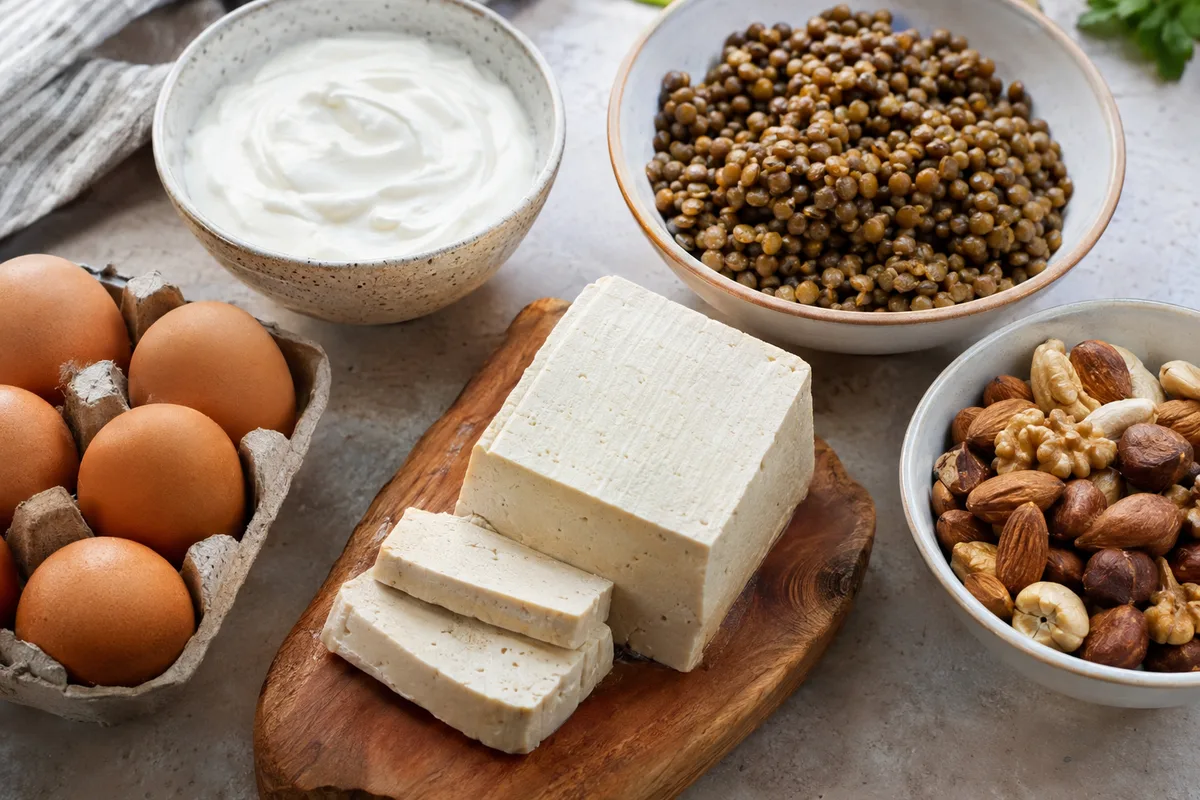
Protein foods vary in texture, convenience and the other nutrients they provide. Mixing animal or plant sources can make meals easier to enjoy and repeat. If you eat only plant foods, variety across the day helps create a broader mix of amino acids.
- Eggs, yoghurt, milk or cottage cheese
- Fish, chicken, turkey or lean meat
- Tofu, tempeh or soya foods
- Beans, lentils or chickpeas
- Nuts, seeds or nut butter
Do not overlook total energy
Protein cannot do every job if your overall intake is consistently too low for your activity. The body needs energy for training, everyday movement and recovery. Carbohydrate and protein provide about 4 kcal per gram, while fat provides about 9 kcal per gram.
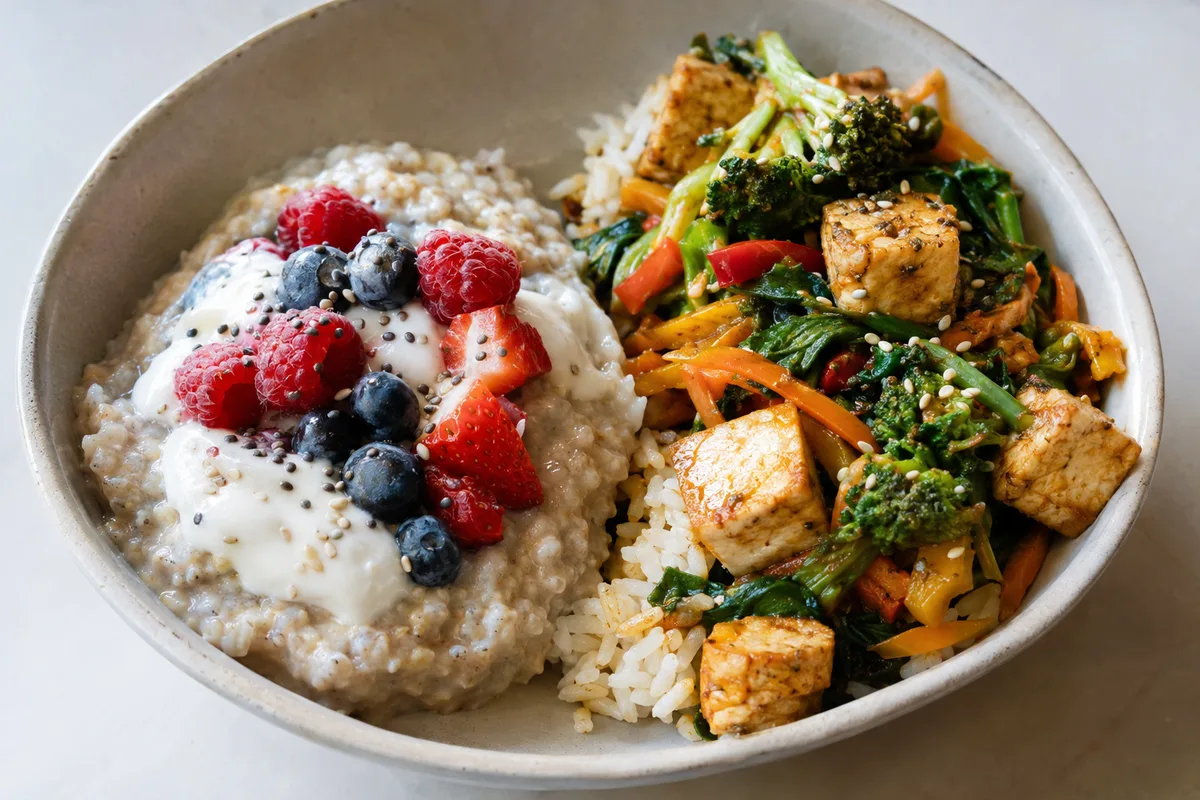
A muscle-focused food log should therefore show more than a protein total. Check whether meals are substantial enough, whether you often skip food around busy periods and whether hunger regularly builds late in the day. There is no single calorie level that suits everyone, and your appropriate intake depends on your body and activity.
- Review meal size as well as nutrient totals
- Notice long gaps between meals
- Record drinks, sauces and cooking fats consistently
- Compare more active days with quieter days
Use carbohydrates to support training
Carbohydrates are a useful source of energy for demanding movement. Foods such as oats, rice, potatoes, bread, pasta, fruit and pulses can help make a meal more suitable before or after training. Cutting them back sharply may leave a meal high in protein but poorly matched to the work you are asking your body to do.
Before training, choose foods that feel comfortable to digest and fit the time available. Afterwards, combining carbohydrate with protein creates a practical recovery meal. The exact portion and timing depend on your appetite, schedule and the length and intensity of your session.
- Porridge with milk, yoghurt and fruit
- Rice with tofu or chicken and vegetables
- A baked potato with beans and cheese
- Pasta with fish, tomato sauce and greens
Keep fats, plants and fluids in the picture
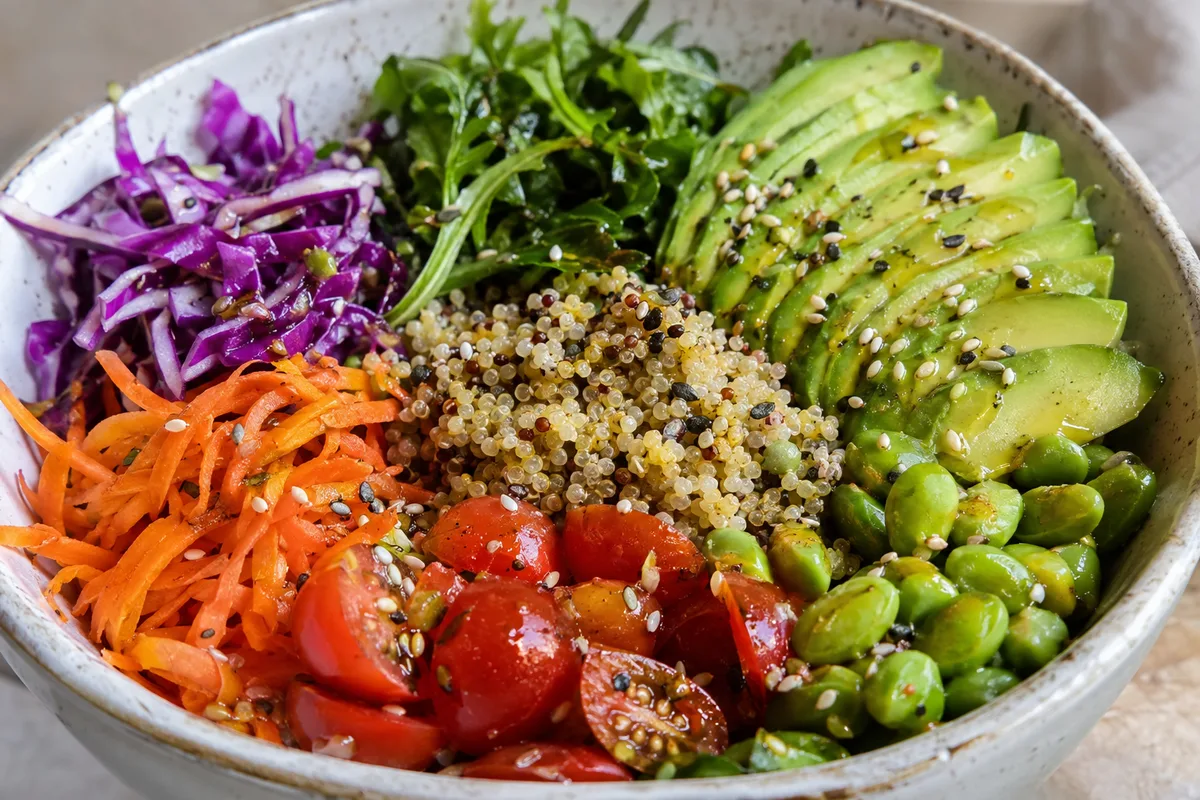
Dietary fat provides energy and helps meals feel satisfying. Sources such as olive oil, nuts, seeds, avocado and oily fish can sit alongside protein and carbohydrate rather than competing with them. Because fat is energy dense, logging portions consistently gives you a clearer view of your intake.

Fruit and vegetables add fibre, colour and a range of nutrients to meals. They should not crowd out every energy-rich food when muscle is the goal, but they remain part of a balanced pattern. Drinking regularly also matters, especially around warm or demanding training sessions.
- Add olive oil or avocado to a grain bowl
- Stir nuts or seeds into yoghurt or porridge
- Serve vegetables with rice, potatoes or pasta
- Pair fruit with a protein-containing snack
- Drink with meals and around training
Judge the pattern, not one perfect day
A single day in your tracker cannot show whether your routine supports muscle. Review several ordinary days and look for repeated gaps, such as meals without protein, low-energy training days or long periods without eating. Consistency matters more than creating an ideal-looking entry once.
Your training notes can add context to the food log. Pay attention to whether you can complete planned sessions, recover between them and gradually handle more resistance or controlled repetitions. Changes in appetite, routine and activity may mean your eating pattern needs to change too.
Make one practical adjustment at a time so you can see how it fits. That could mean adding protein to breakfast, including carbohydrate before training or preparing a fuller meal afterwards. If you need a personal intake target, seek guidance from an appropriately qualified nutrition professional.
- Check several typical days together
- Compare food intake with training demands
- Choose one repeatable change
- Review how the change affects appetite and sessions