
Can Peanut Butter Fit a Weight-Loss Plan?
Peanut butter can fit into a weight-loss plan, but its energy-dense nature makes portions worth noticing. This guide explains how to log it accurately, choose useful pairings and decide when it is satisfying enough for you.
Peanut butter is not automatically slimming or fattening
Weight loss depends on your overall energy intake over time, not on whether one food is included or avoided. Peanut butter contains protein, fat and some fibre, which may help make a meal or snack feel more satisfying. However, it also packs a fair amount of energy into a small serving, so an untracked spoonful can make a noticeable difference to your day.
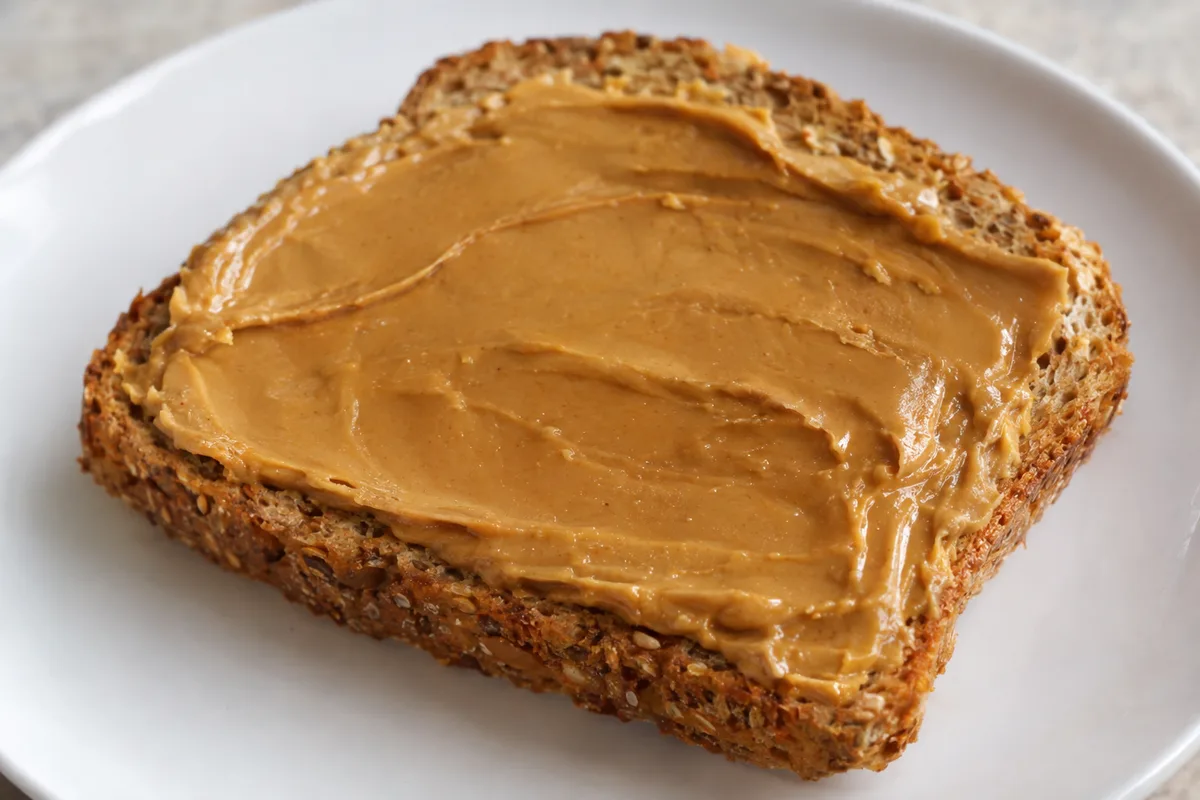
Think of peanut butter as one part of a meal rather than a special weight-loss food. It can add flavour and richness, but it does not guarantee fullness or weight loss. Whether it fits comfortably depends on your portions, preferences and wider eating pattern.
- Include it when you enjoy it and can fit it into your usual intake
- Notice whether it keeps you satisfied between meals
- Adjust the portion rather than labelling the food as good or bad
- Review the whole day instead of judging one snack
Why a small amount can contain plenty of energy
Peanut butter is made mainly from peanuts, which naturally contain a substantial amount of fat. Fat provides about 9 kcal per gram, while protein and carbohydrate each provide about 4 kcal per gram. This helps explain why a compact spoonful can contribute more energy than its size suggests.
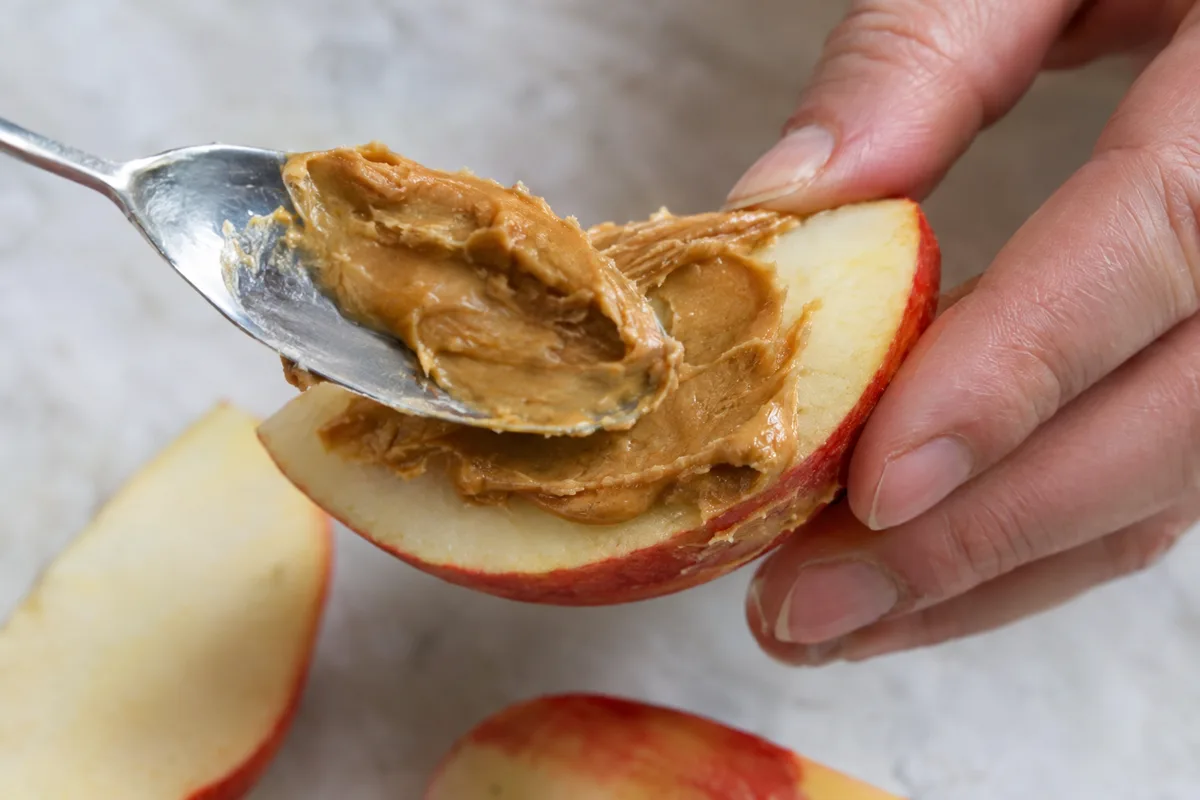
That energy density is not a reason to avoid peanut butter. It simply means that estimating by eye can be less reliable than it looks, especially when it is spread thickly or eaten straight from a jar. The amount that suits you depends on your energy needs and what else you are eating.
- A thin layer covers more surface than one thick mound
- Peanut butter stirred into porridge can be easy to lose sight of
- Several small tastes can add up without feeling like a serving
- Extra toppings can change the overall energy content of a snack
Track the portion you actually eat
If you already track your food, record the amount that reaches your plate or bowl. Spoon size, spreading style and the texture of the peanut butter can all affect how much you serve. A level spoon and a heaped spoon are not the same, even if both are logged as one spoonful.
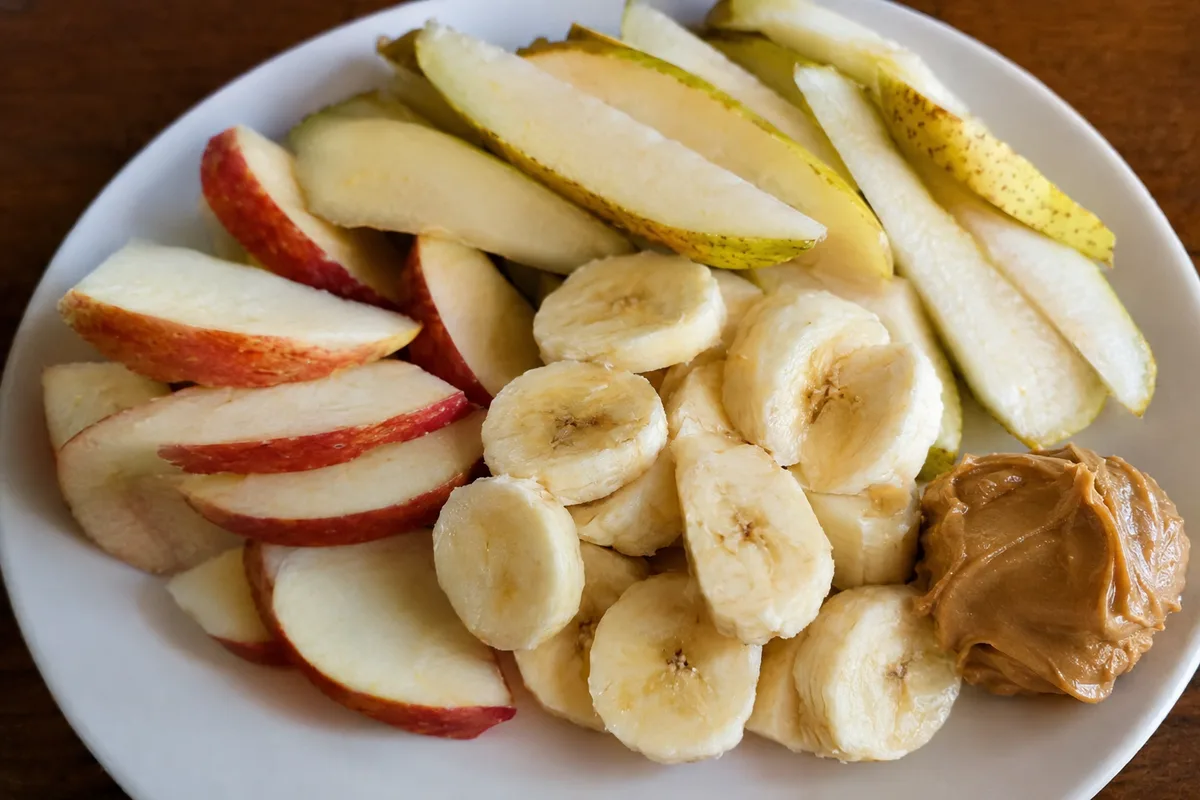
Use the nutrition information for the particular peanut butter you are eating because recipes vary. Some contain only peanuts, while others include added oils, sugar or salt. Choose the correct serving entry in your tracker and avoid relying on a generic listing when accurate information is available.
Accuracy matters, but perfection is not required. A consistent method gives you a clearer picture than switching between guesses, spoon measures and different database entries. If peanut butter regularly takes your total beyond your target, try a smaller serving and see whether the meal still feels satisfying.
- Serve the portion before putting the jar away
- Keep the measuring method consistent
- Log added jam, honey, bread, crackers or fruit separately
- Check that the tracker entry matches the type you ate
Pair it with foods that add volume
Peanut butter is concentrated, so pairing it with a larger portion of fruit or another fibre-rich food can make the snack feel more substantial. The aim is not to disguise hunger with tiny portions. It is to combine flavour and satisfaction with foods that take up more room on the plate.
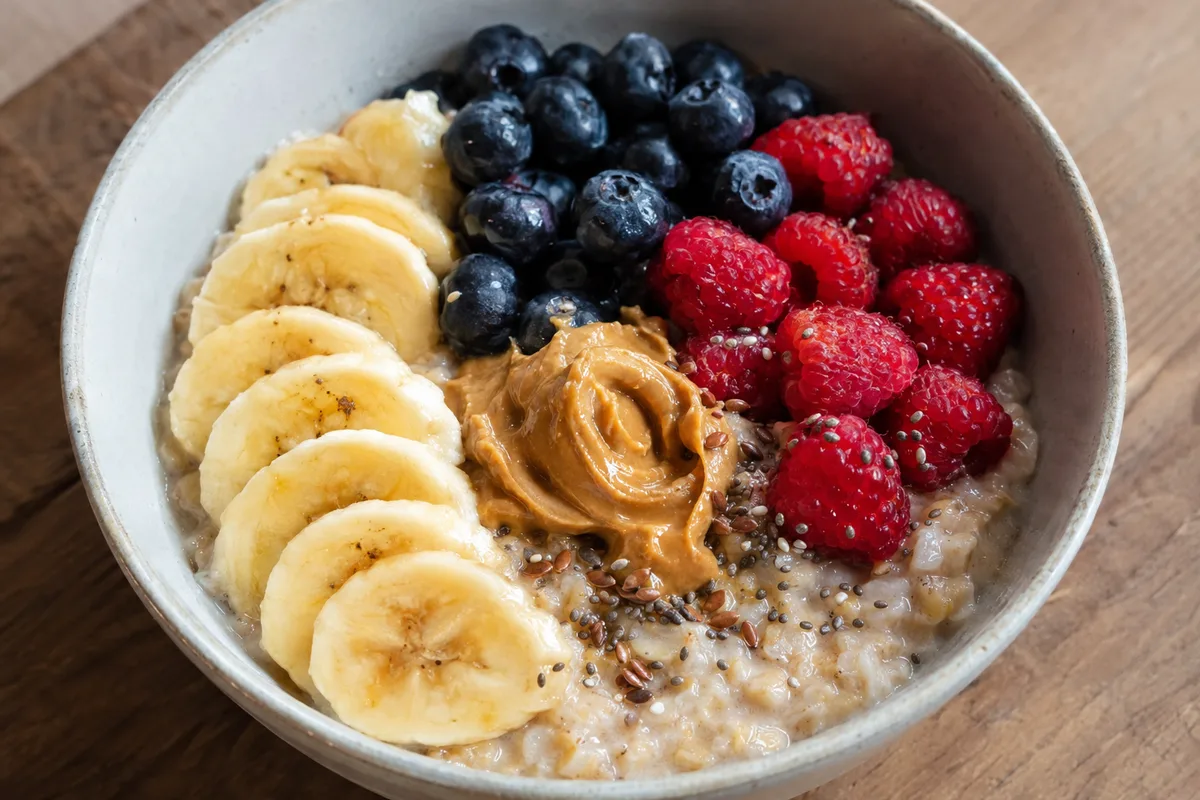
For example, a modest spread of peanut butter can add richness to apple, pear or banana. It can also be stirred through porridge or served with plain yoghurt and fruit. Track every part of the combination, as the total matters more than any single ingredient.
- Apple wedges with a thin peanut butter spread
- Porridge topped with fruit and a small swirl of peanut butter
- Plain yoghurt with berries and a little peanut butter
- Wholemeal toast with peanut butter and sliced banana
Read the label without searching for a perfect choice
Peanut butter products can differ in ingredients, texture and nutrition. A shorter ingredient list does not automatically make a product suitable for your personal target, and a reduced-fat version is not automatically lower in energy. Check the information that affects your own tracking rather than relying on the wording on the front.
Compare products using the same amount so the figures are meaningful. Look at energy, protein, fibre, fat, sugar and salt in the context of the rest of your meals. Taste matters too, because a version you find satisfying may be easier to portion than one that leaves you wanting more.
Crunchy and smooth peanut butter can both fit. Added pieces may change how easily the spread can be measured, but the practical difference depends on the product. The best option for your plan is the one you enjoy, can log accurately and can serve in a portion that works for you.
- Compare nutrition information using an equal quantity
- Check whether oils, sugar or salt have been added
- Choose the tracker entry that matches the label
- Consider taste and satisfaction alongside the numbers
Use your food log to judge whether it works for you
Your log can show more than your daily energy total. Note how hungry you were before eating peanut butter, how satisfying the meal felt and whether you wanted another snack soon afterwards. These observations can help you decide whether its energy contribution feels worthwhile.
If the portion is hard to manage, change how you serve it rather than banning it immediately. Spread it onto food instead of eating it from the jar, include it within a planned meal, or reduce other rich toppings. You can also eat it less often if you prefer to use your intake on larger portions of other foods.
Weight change is influenced by your overall pattern, and the suitable portion will differ from person to person. Peanut butter can fit when it is tracked and enjoyed in a useful amount. Keep it when it supports your plan, and adjust it when it does not.
- Plan the serving before the meal
- Record hunger and satisfaction alongside the food entry
- Review patterns across several days rather than one meal
- Change the portion or pairing if it is not satisfying