
Notes on eating well
Practical notes on eating, training and keeping track.
-

How many calories do you burn in a 20-minute run?
There is no single calorie figure that fits every 20-minute run. This guide explains what affects your burn, how to interpret an estimate and how to record it alongside your food.
-
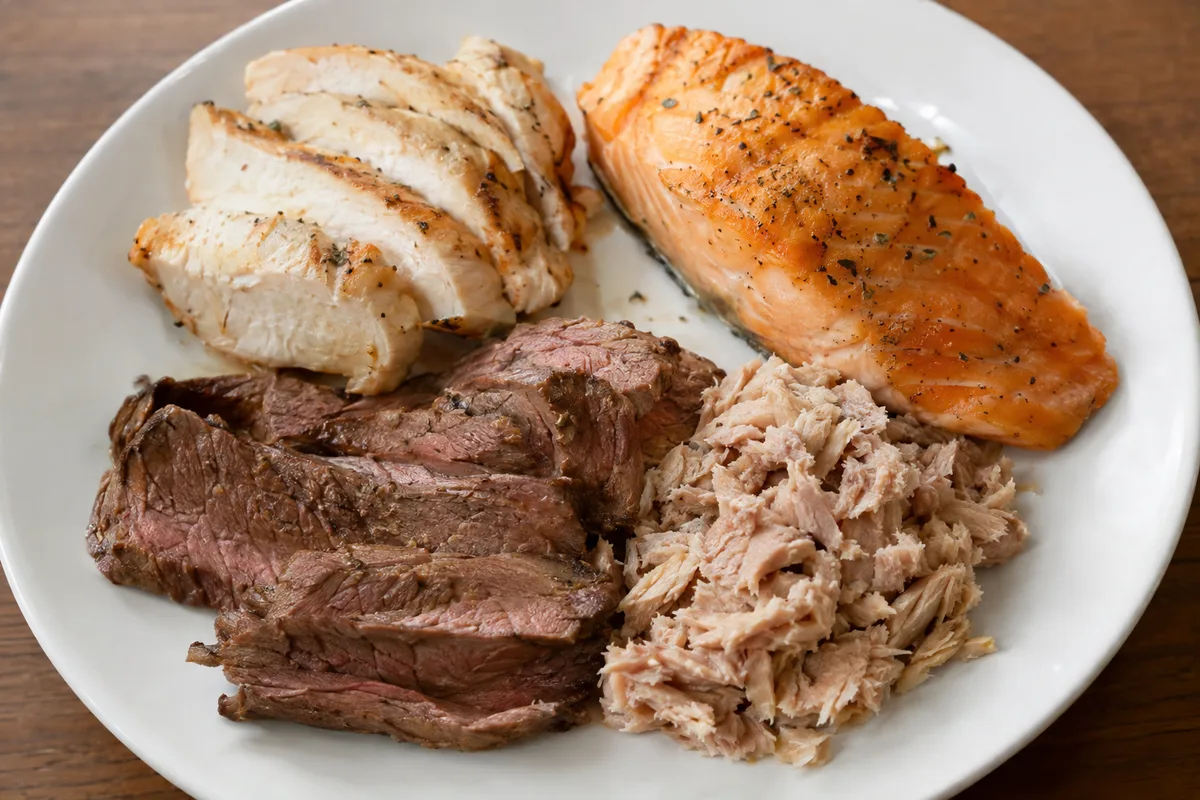
High-protein foods and how much protein they provide
Protein comes from meat, fish, eggs, dairy foods, beans, soya, nuts and seeds. This guide gives approximate amounts and explains how portions, preparation and labels can change what you record.
-

Which Cooking Oil Is Healthiest for Deep Frying?
The best oil for deep frying needs to remain stable at high heat while fitting your wider eating pattern. This guide explains which labels to look for, how to handle the oil and how to log fried food.
-
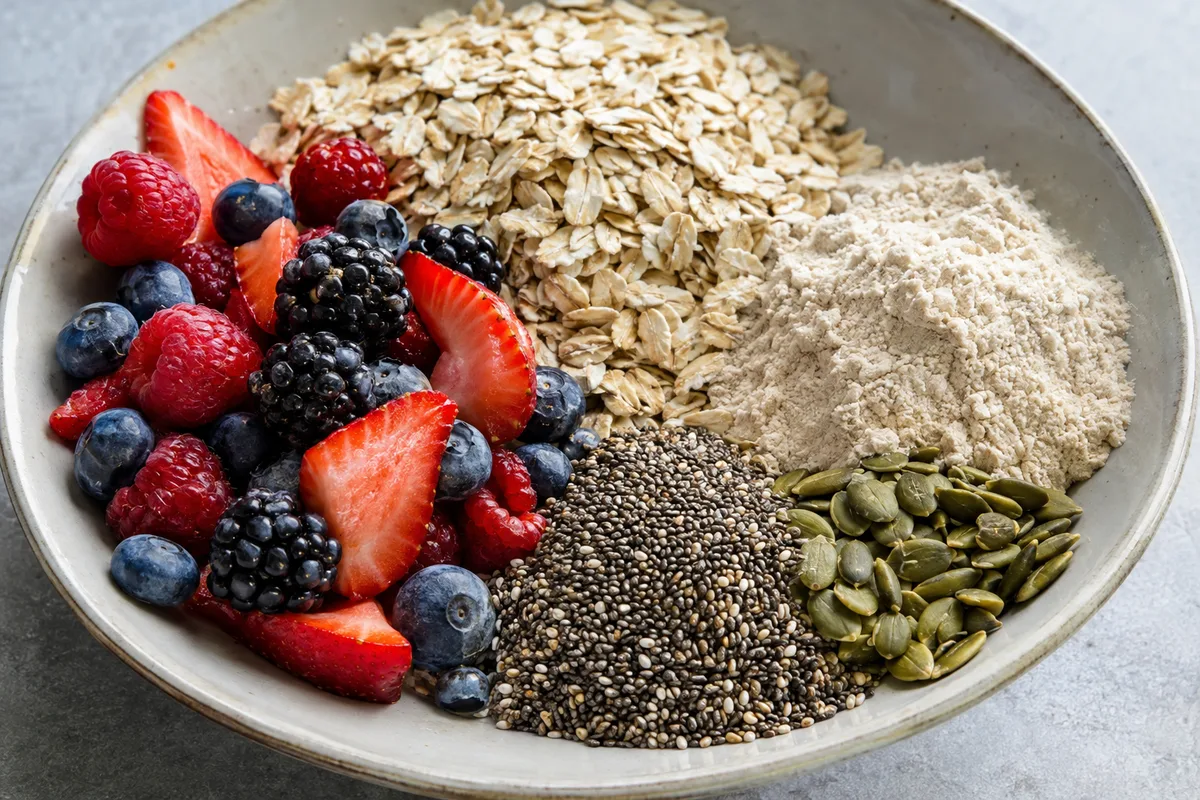
Can Replacing Two Meals with Protein Shakes Help You Lose Weight?
Replacing two meals with protein shakes can create a lower-energy eating pattern, but weight loss is not guaranteed. Here is how to assess your tracked intake, the quality of the shakes and whether the routine works in everyday life.
-
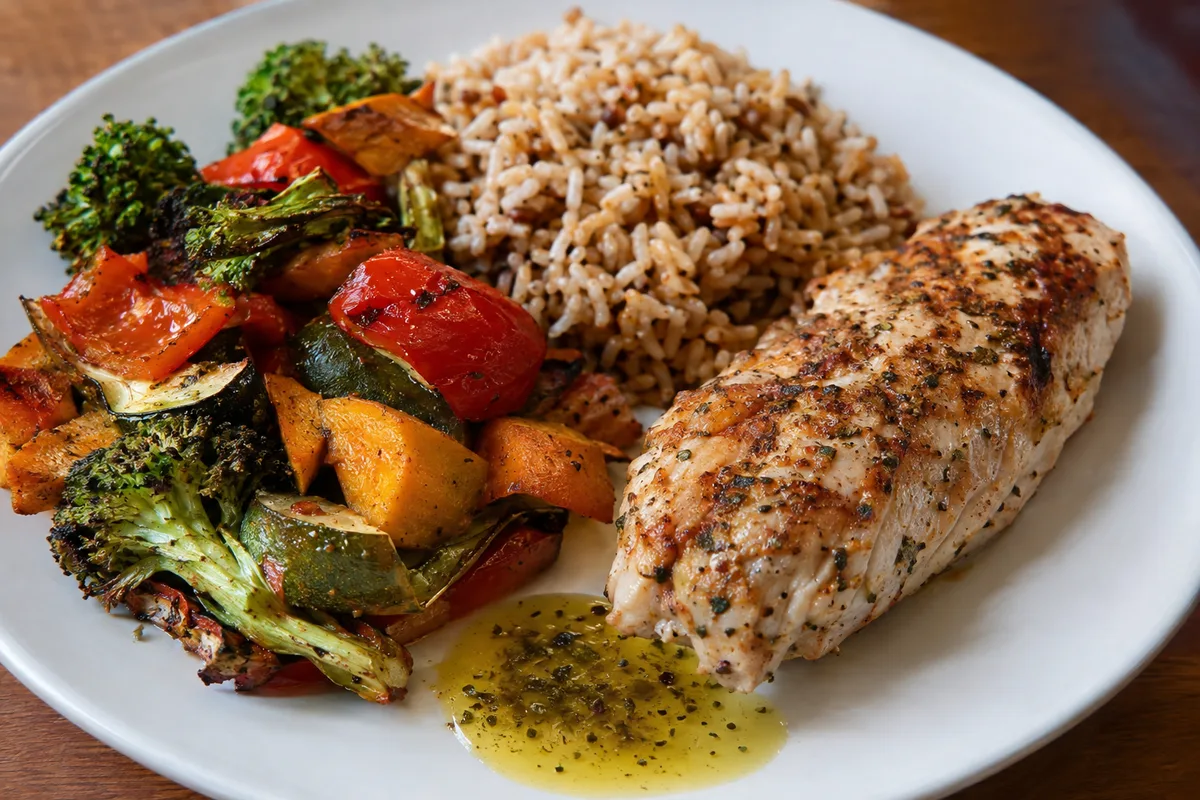
What Should I Eat? A Simple Guide to Building a Balanced Plate
There is no single perfect meal, but a simple plate pattern can make everyday food choices easier. This guide shows what to include, how each part helps and how to record it in your food tracker.
-
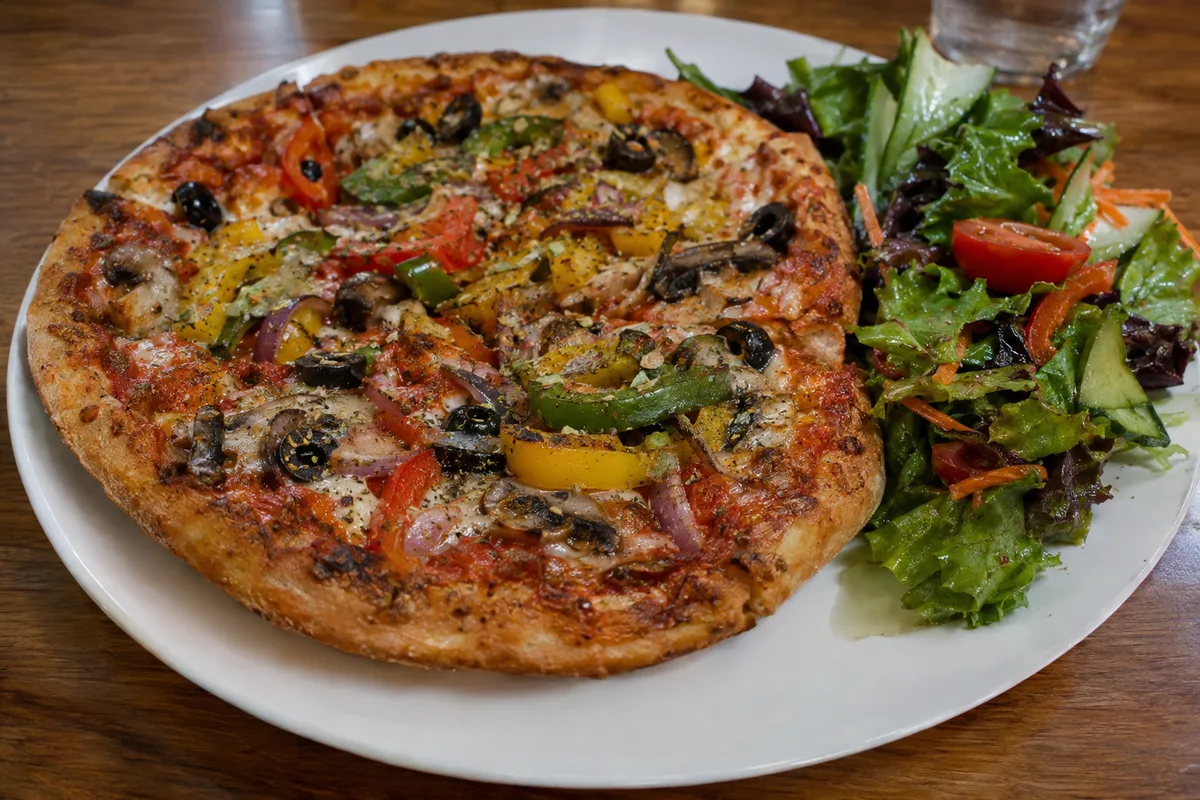
How to Enjoy Pizza While Working Towards Weight Loss
You do not have to remove pizza from your food log simply because you want to lose weight. This guide explains how to plan it, make it satisfying and track it without turning one meal into a verdict on your progress.
-
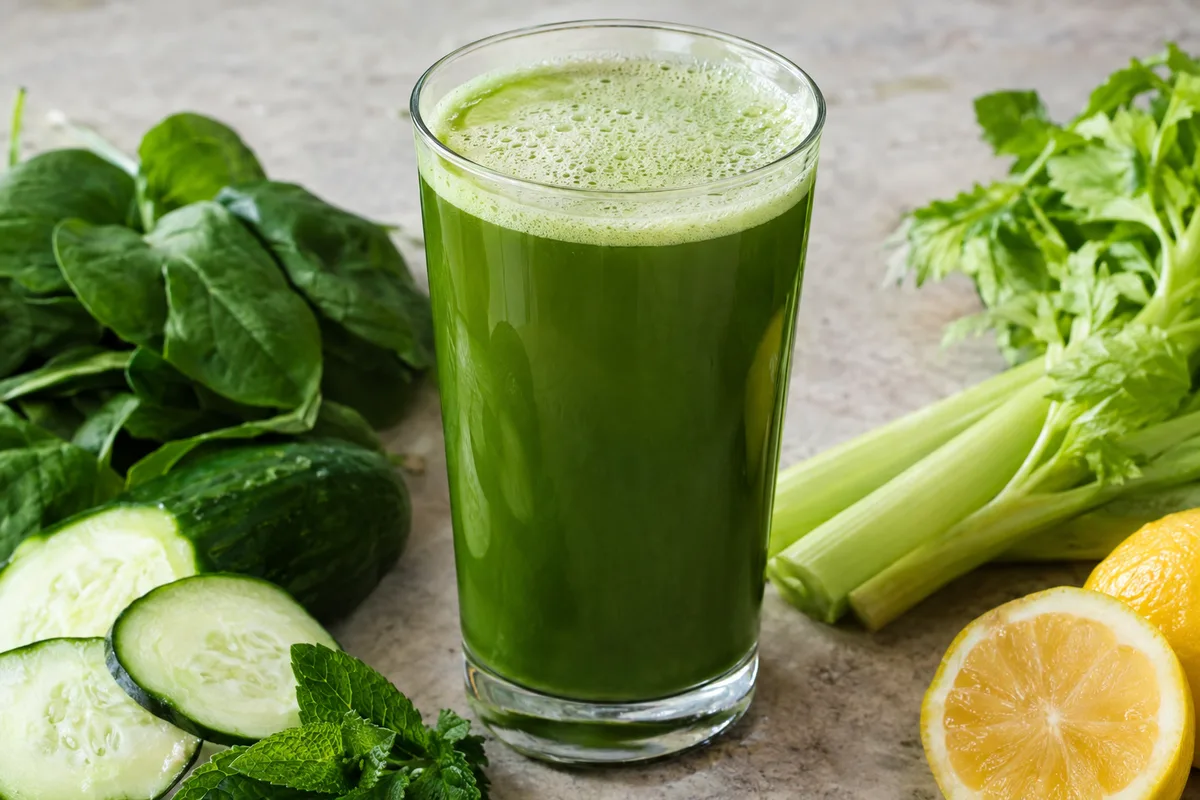
How to Choose Juices That Are Lower in Sugar and Carbs
Sugar is one type of carbohydrate, so a juice that is lower in sugar will often be lower in total carbs too. This guide explains which ingredients tend to work best, what to check on labels and how to record juice in your food diary.
-
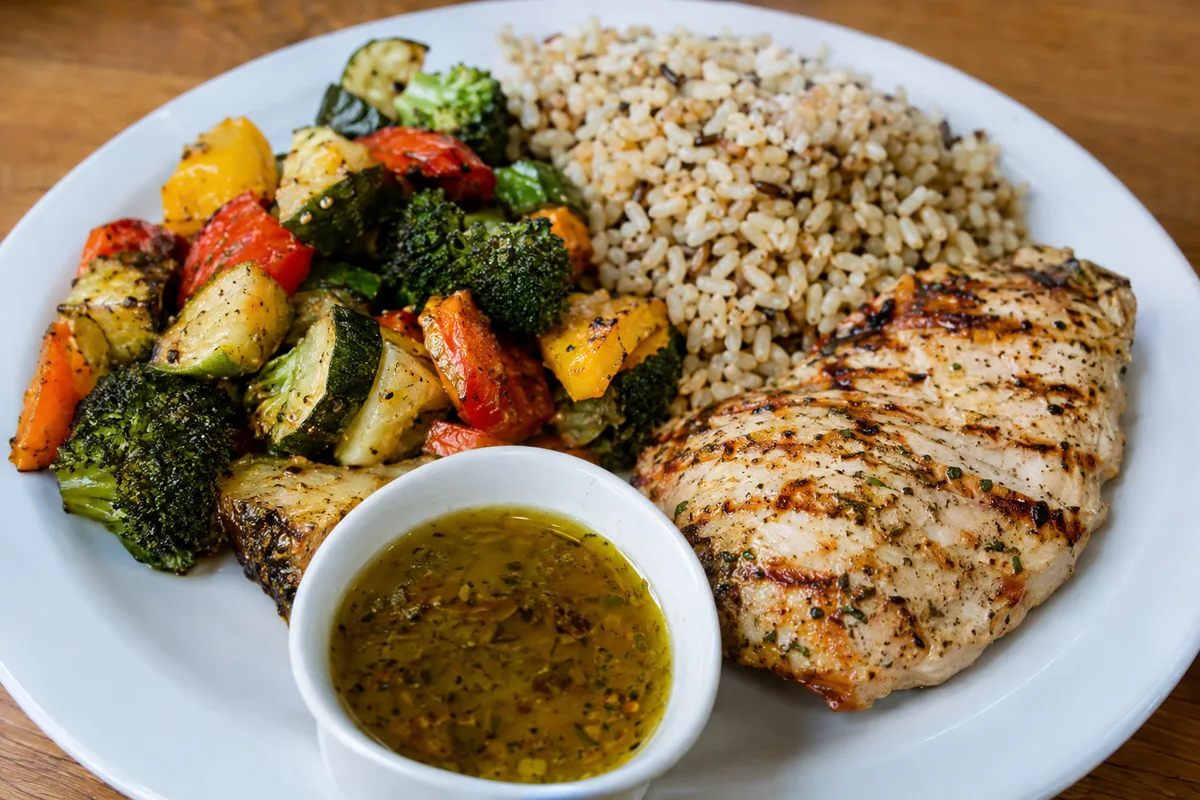
Choosing a Diet for Health and Weight Loss
There is no single diet that suits every appetite, routine or food preference. This guide compares several common approaches and shows how to use your food log to choose one you can maintain.
-
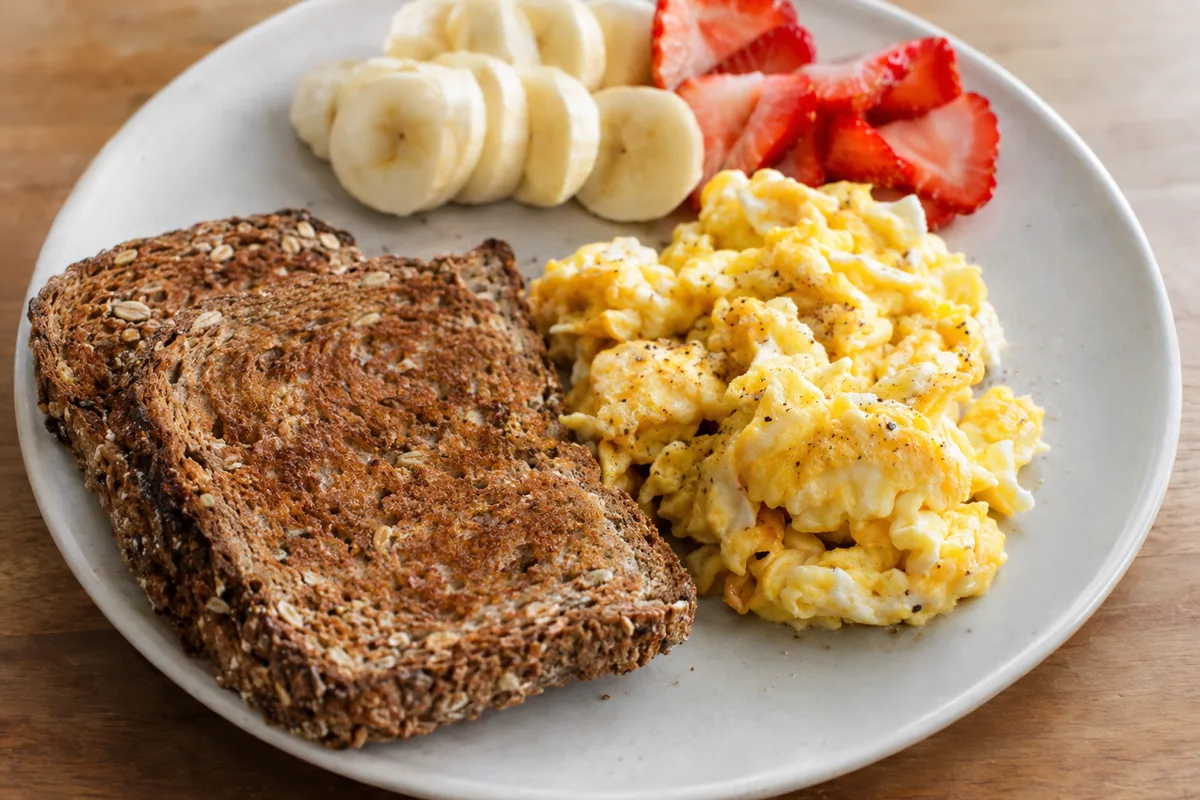
How to Plan a Pre-Workout Meal or Snack
What you eat before exercise can affect how energetic and comfortable you feel while moving. This guide explains timing, food choices and how to use your existing food log to find an approach that suits you.
-

Is stevia sweetener safe to use?
Stevia sweeteners are generally considered safe when they contain purified ingredients approved for use in food. This guide explains what stevia is, how safety limits work and what to check when tracking your intake.
-
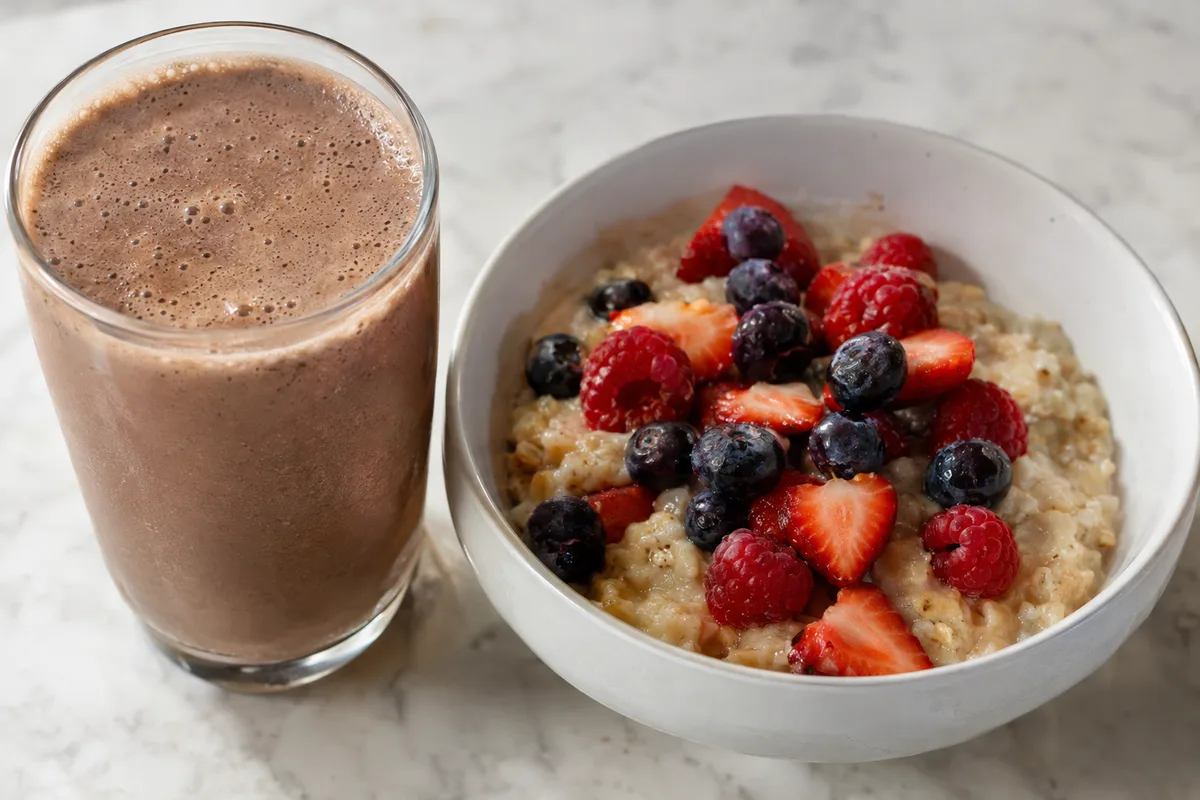
How to choose the best protein powder for you
The best protein powder is one that suits your eating pattern, tastes good to you and fits comfortably into your tracked meals. This guide explains the main types, what to check on the label and when powder is genuinely useful.
-

What is the fastest way to burn carbohydrates?
Your body uses carbohydrates all day, but harder movement usually makes it rely on them more heavily. This guide explains what that means, which activities help and how to use your food log alongside exercise.
-

Foods That Can Help You Gain Weight
Gaining weight usually means eating more energy than your body uses, but larger portions are not the only option. This guide explains how to build satisfying meals and snacks while using your food log to adjust your approach.
-

How to Fit Popular Dunkin Foods Into a Weight-Loss Plan
Dunkin foods do not need to be automatically ruled out when you are trying to lose weight. This guide explains how to compare familiar choices, build a satisfying order and record it accurately.
-
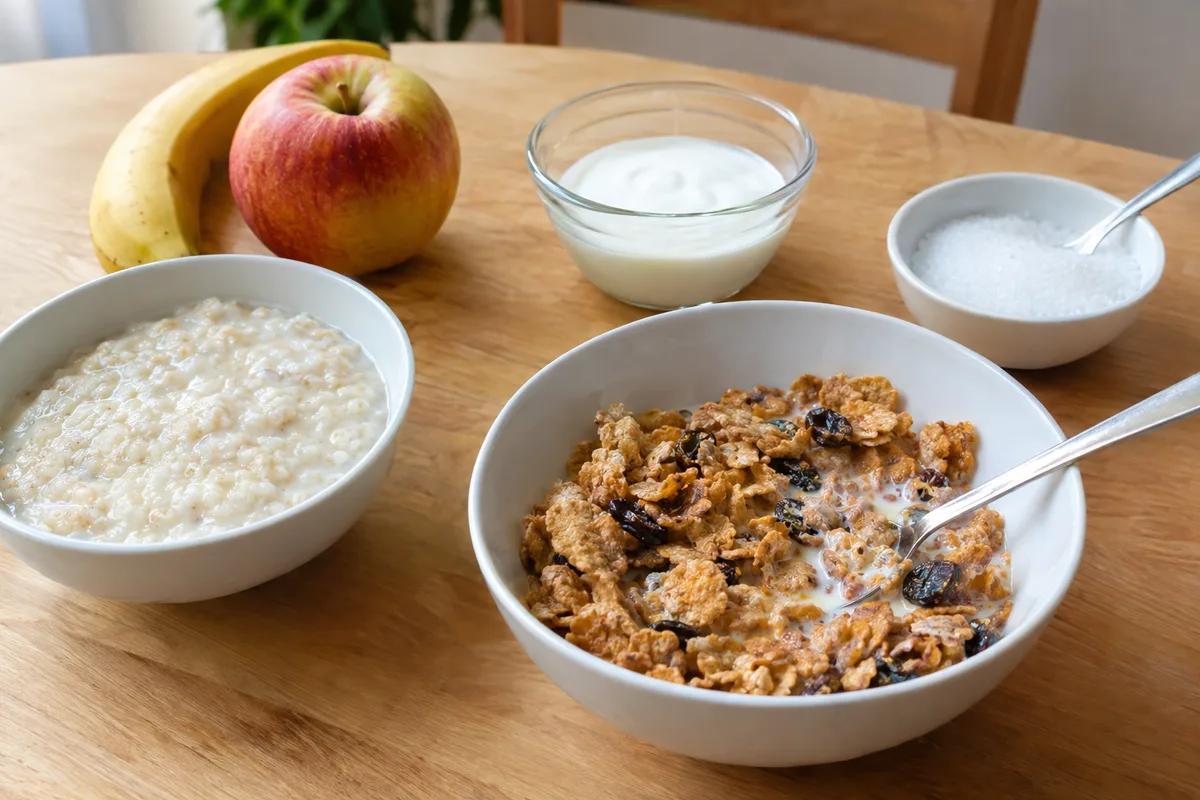
What a no sugar diet really means
A no sugar diet usually means cutting back on sugars added to food and drink, rather than removing every food that contains sugar. This guide explains what to look for, what you can still eat and how to make the approach practical.
-
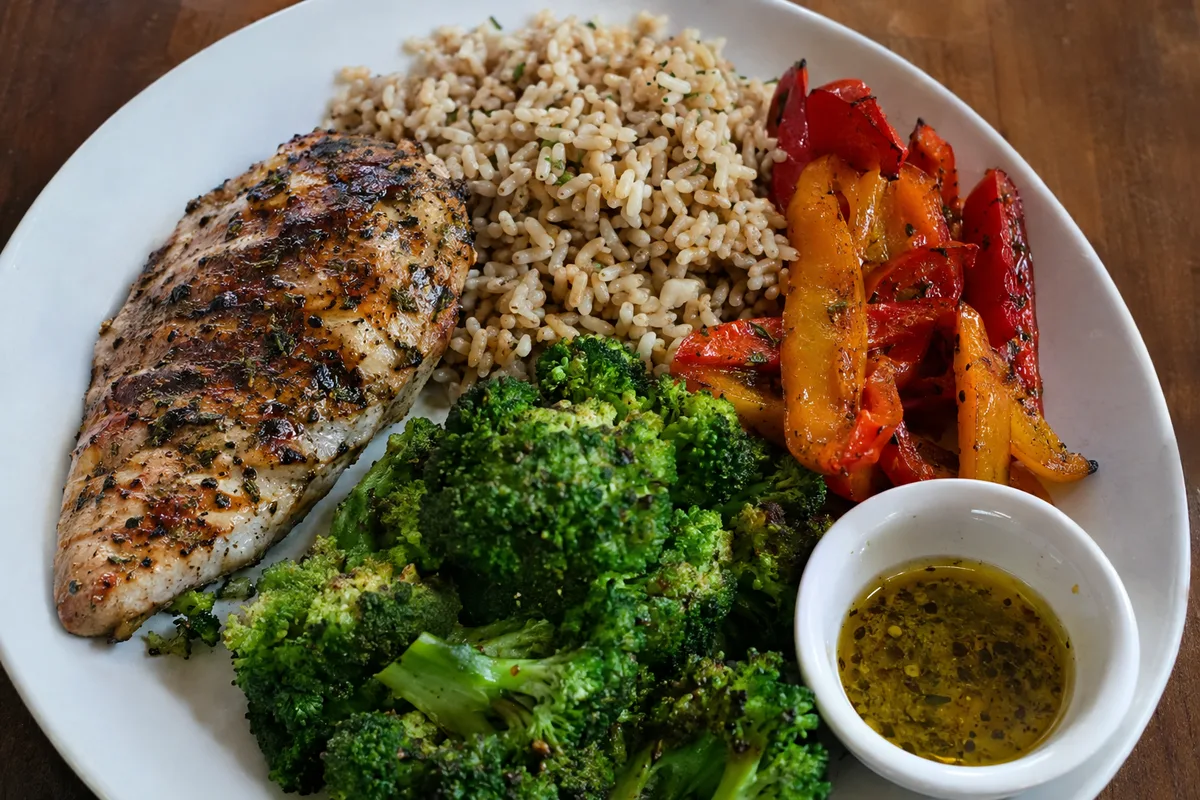
Body Type Eating: What Your Shape Can and Cannot Tell You
Body type eating suggests that different body shapes need different balances of food. This guide explains the idea, its limits and how to use your own food log to make practical choices.
-

How Many More Calories Do You Burn Walking Uphill?
Walking uphill makes your muscles work harder against gravity, so it normally uses more energy than walking the same distance on level ground. This guide explains what changes the difference and how to record a sensible estimate in your food diary.
-

Does Lemon Water Really Improve Health or Support Weight Loss?
Lemon water is often credited with benefits that go far beyond what a squeeze of fruit can provide. Here is what it contributes, how it may affect your food tracking and where the claims become overstated.
-
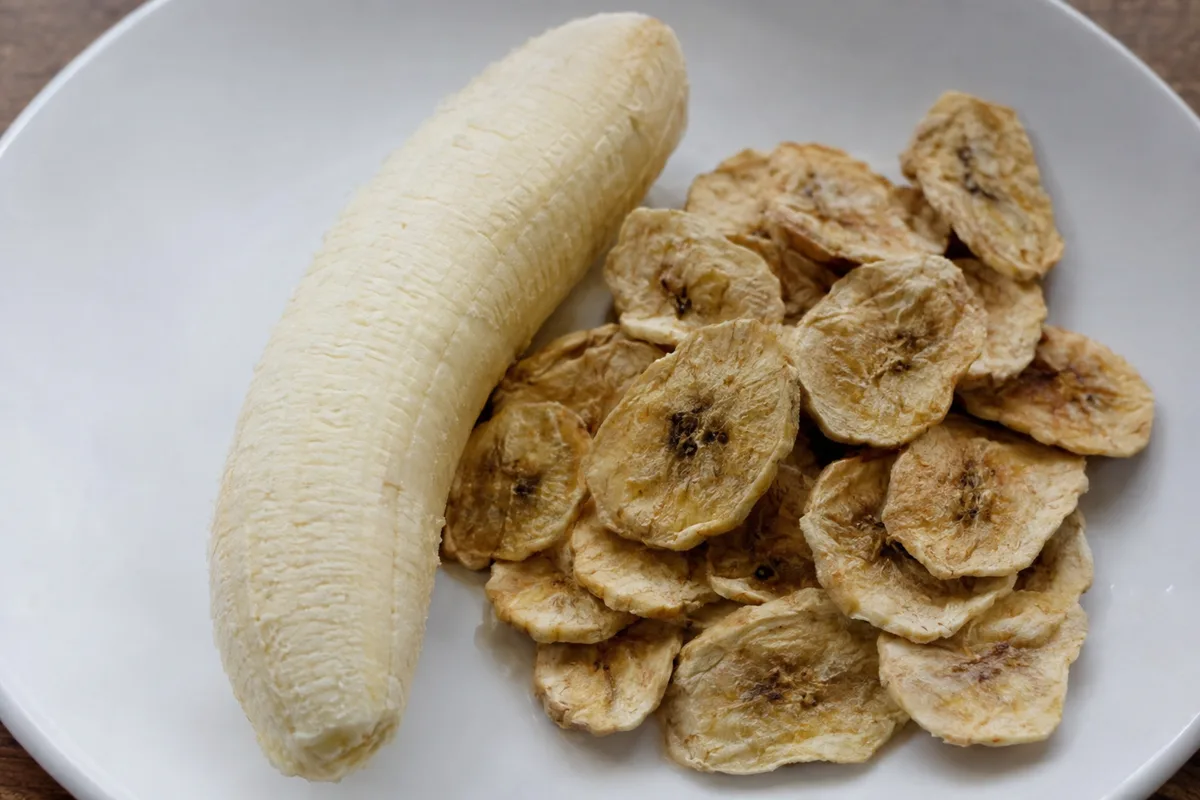
Bananas and Dehydrated Bananas: What Changes When the Water Goes
Fresh and dehydrated bananas begin with the same fruit, but removing water changes the portion, texture and nutrient concentration. Here is how those differences affect food tracking and everyday choices.
-
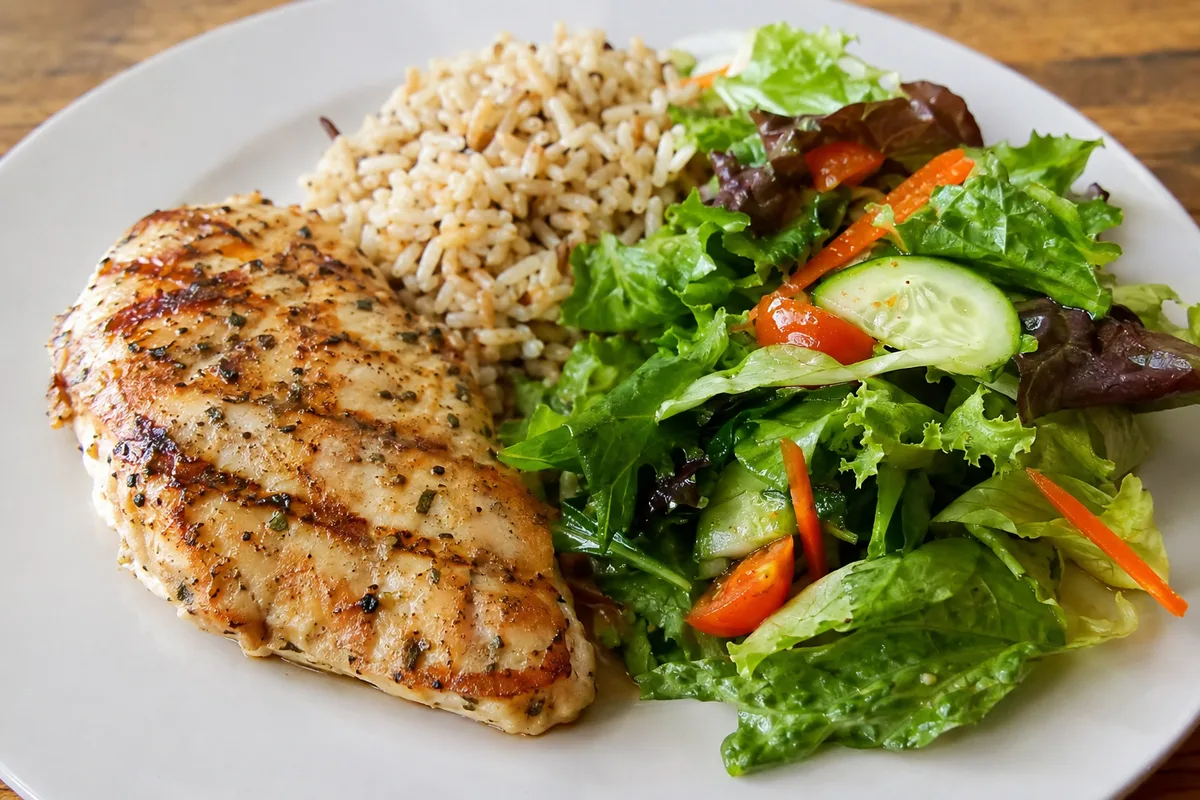
How to Approach Weight Loss on a Low-Carb Diet
A low-carb diet can change what you eat, how satisfied you feel and what appears in your tracking record. This guide explains how to build balanced meals, interpret early weight changes and find an approach you can maintain.