
How to Enjoy Pizza While Working Towards Weight Loss
You do not have to remove pizza from your food log simply because you want to lose weight. This guide explains how to plan it, make it satisfying and track it without turning one meal into a verdict on your progress.
Pizza can fit into the bigger picture
Weight loss depends on your overall energy intake over time, rather than whether you eat one particular food. Pizza can be higher in calories than some meals because the base, cheese, oil and toppings all contribute energy. That does not make it forbidden, but it does make the amount and frequency worth noticing.
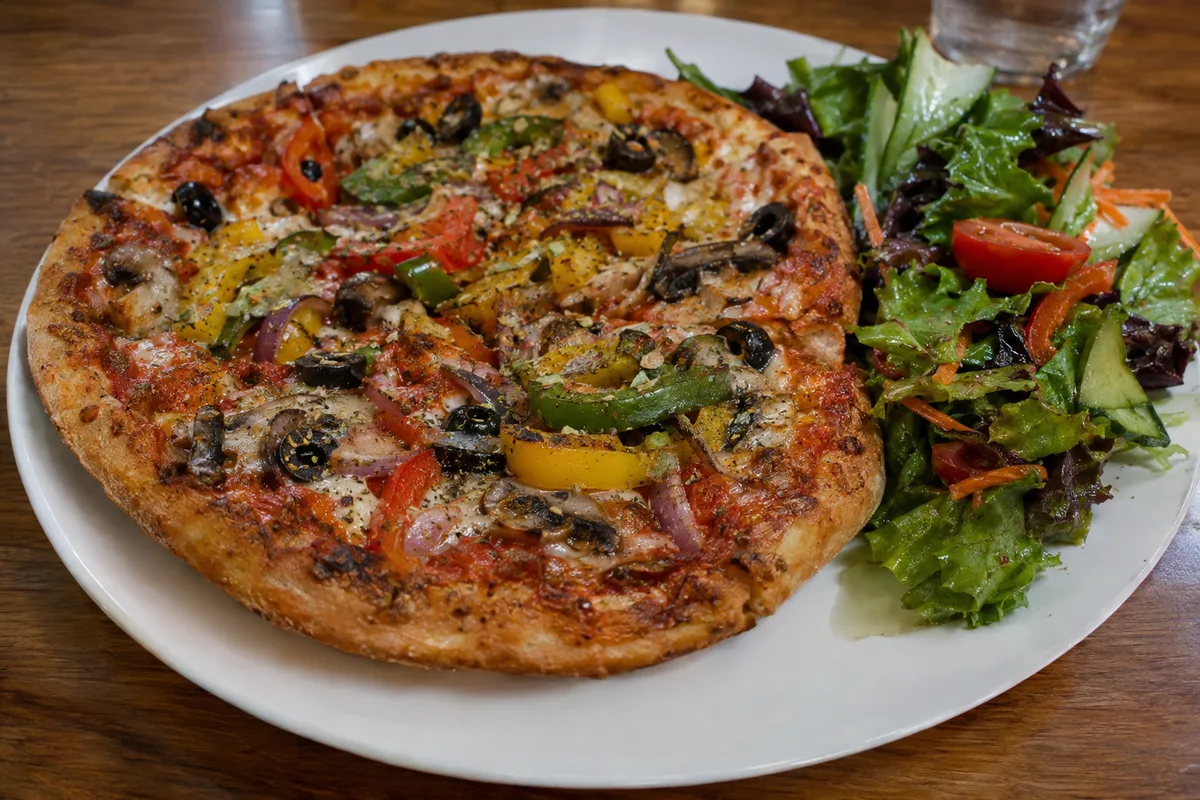
Think of pizza as part of your usual eating pattern rather than a break from it. If it fits your planned intake and leaves room for foods that provide fibre, protein and variety, there is no need to label it a mistake. The right portion depends on the pizza, the rest of your day and your own needs.
- Include pizza in your food log before eating when you can
- Consider the whole meal, including dips, drinks and side dishes
- Choose an amount that suits your energy target rather than following someone else's portion
- Keep favourite foods in perspective by looking at your wider eating pattern
Plan for pizza without saving every calorie
Planning ahead can make pizza easier to fit into your day. You might log an estimate in advance, then build your other meals around foods that are filling and nutritious. This is different from skipping meals and arriving extremely hungry.
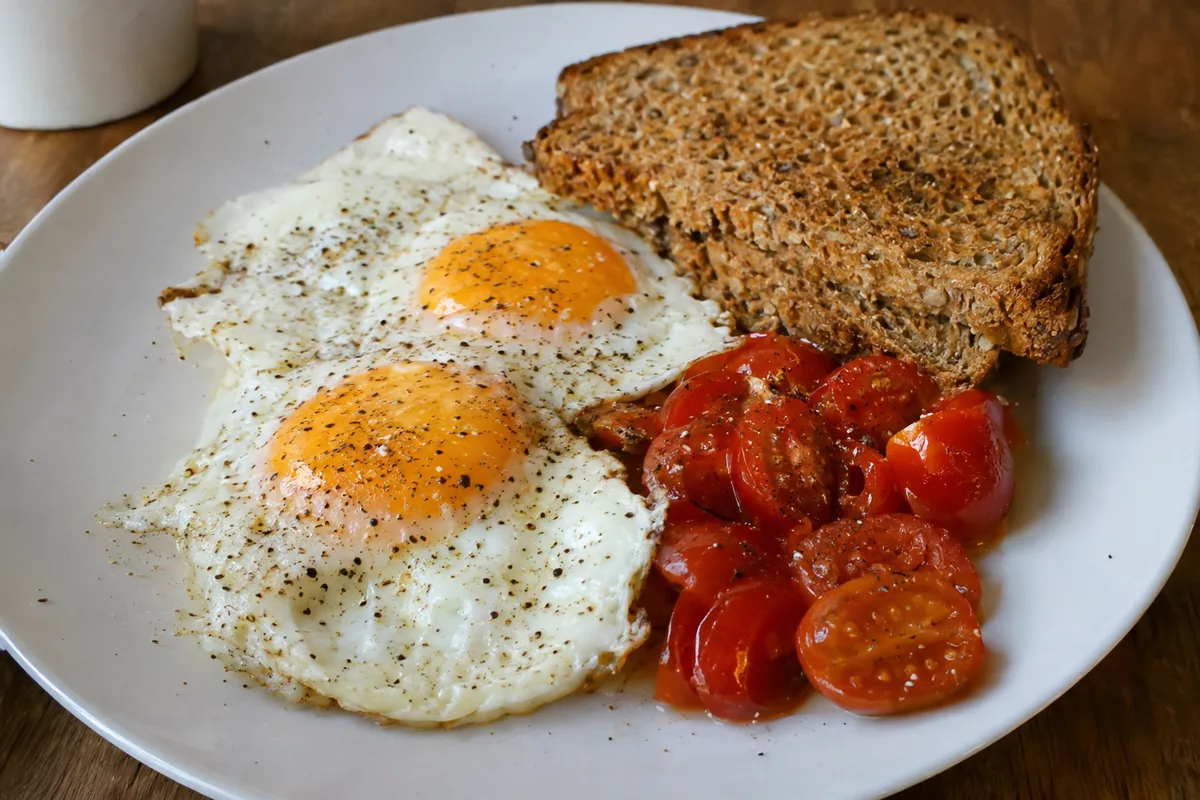
Eating too little beforehand can make it harder to notice when you have had enough. A regular breakfast or lunch containing protein, fibre and produce may help you approach pizza as a normal meal. Your daily total still matters, but so does making the plan practical enough to repeat.
- Log the likely pizza meal in advance
- Eat regular meals earlier in the day
- Include protein and fibre before the pizza meal
- Allow some room for differences between your estimate and the served food
Build a meal that feels complete
Pizza does not always need to stand alone. Adding vegetables or another fibre-rich side can increase the amount of food on your plate without relying only on extra slices. A source of protein may also make the meal feel more satisfying.
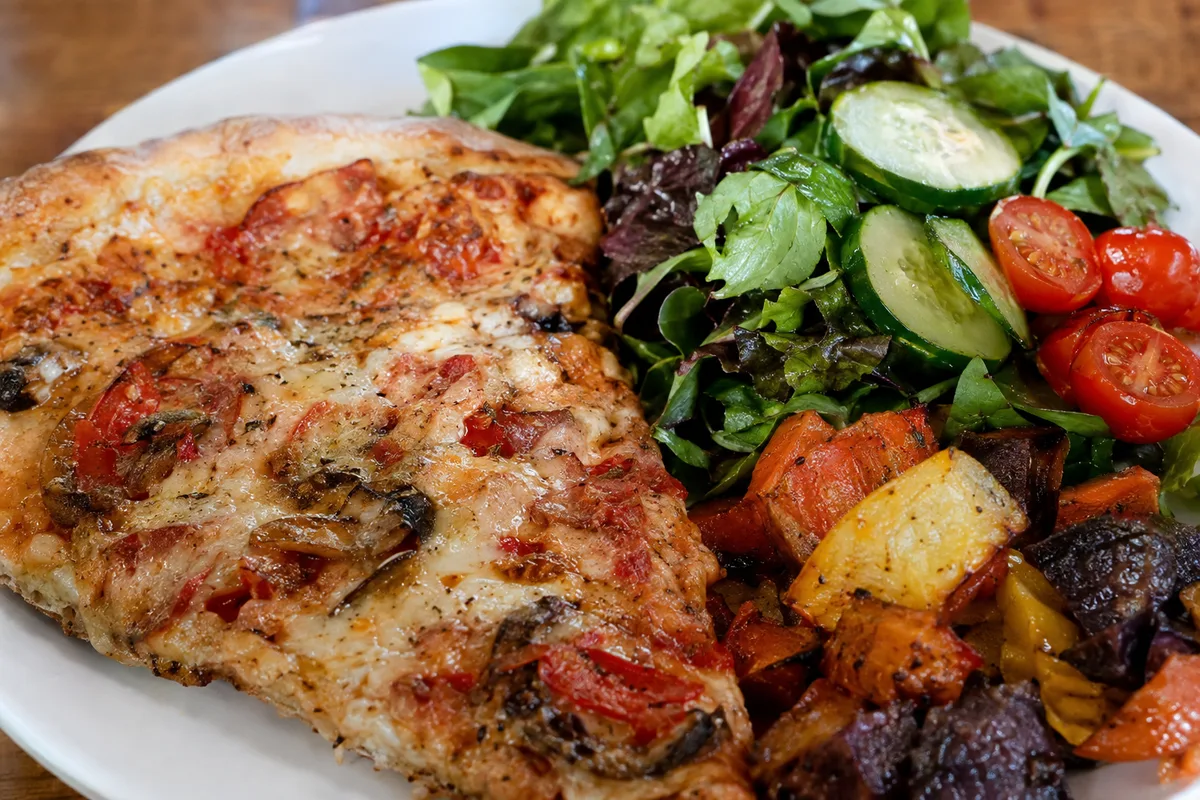
Choose sides that you genuinely want to eat rather than treating them as punishment for having pizza. A crisp salad, roasted vegetables or vegetable soup can provide contrast and variety. If your pizza already has generous protein and vegetable toppings, you may only need a simple side.
- Leafy salad with tomatoes, cucumber or peppers
- Roasted courgette, aubergine, mushrooms or onions
- Vegetable soup without a heavy cream topping
- Pizza toppings such as chicken, tuna, beans or extra vegetables
Make deliberate choices about crust and toppings
Different pizzas can vary greatly in energy content, even when they look similar in size. A thicker base, stuffed crust, generous cheese and oily meat toppings will usually add more energy. A thinner base and vegetable-heavy topping may leave more room in your plan, but neither choice is automatically right for everyone.
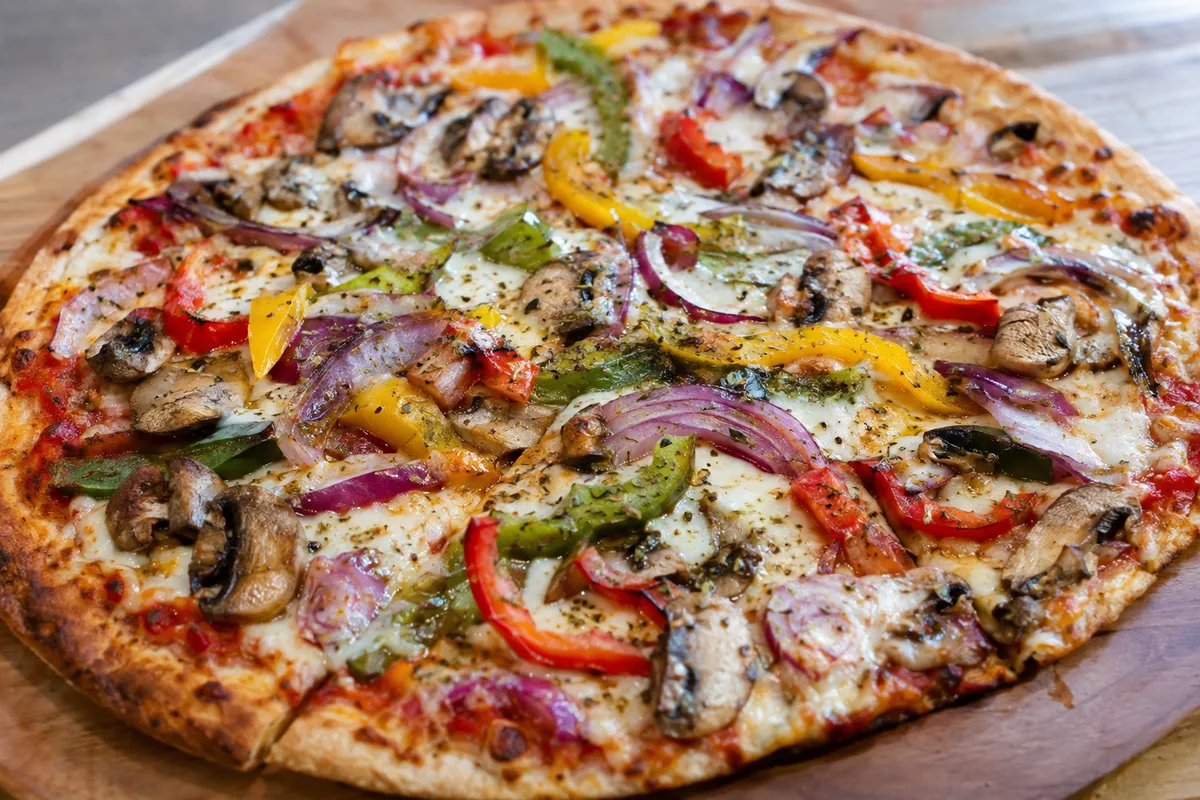
Satisfaction matters because a lighter option is not helpful if it leaves you wanting the pizza you originally had in mind. Choose the features you care about most, then simplify the ones that matter less. You might keep your favourite cheese or topping while choosing a simpler crust or skipping an extra dip.
- Choose a thinner crust if the base is not your favourite part
- Ask for fewer high-fat toppings when that will not reduce enjoyment
- Add mushrooms, peppers, onions, tomatoes or other vegetables
- Keep one favourite topping rather than adding every available extra
- Use dips deliberately and include them in your log
Serve it, slow down and track honestly
Pizza is easy to eat directly from a shared box, which can make the amount harder to notice. Put the portion you intend to eat on a plate and include your chosen side. Eat at a comfortable pace and check whether you still want more before serving another piece.
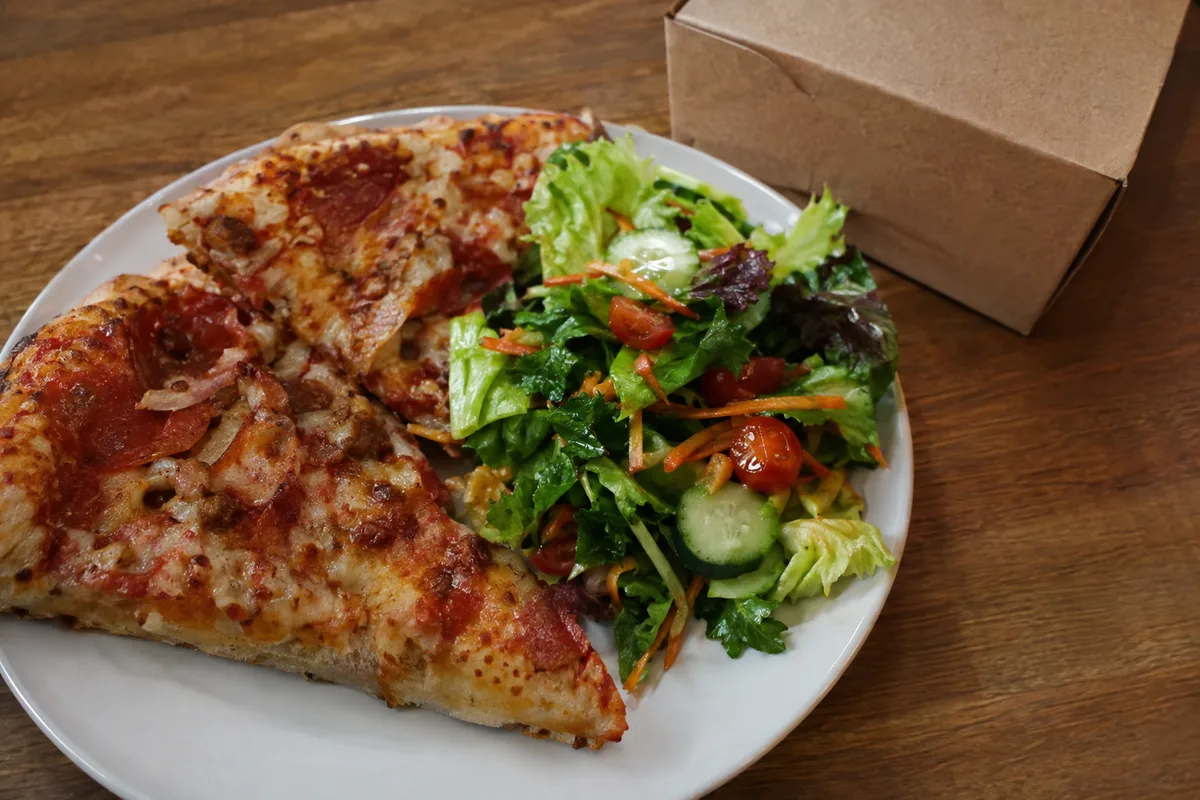
Tracking takeaway or restaurant pizza will often involve an estimate. Use the available menu information when it is provided, or choose the closest sensible entry in your tracker. Consistent, reasonable estimates are more useful than leaving the meal out because you cannot make the entry exact.
- Plate the pizza instead of eating from the box
- Include crusts, dips, drinks and extras in the log
- Pause before deciding whether to have more
- Store leftovers once you feel comfortably satisfied
- Use the closest suitable tracking entry when exact information is unavailable
Treat one meal as information, not failure
A pizza meal does not decide the outcome of your efforts. Body weight can move from day to day because of food volume, salt, carbohydrate intake and water, so a short-term change does not show the full picture. Return to your normal routine rather than trying to compensate with severe restriction.
Review your log over a longer period and ask whether your pizza plan was enjoyable, filling and compatible with your target. If you were still hungry, you could adjust the side dish, toppings or planned portion next time. If the meal used more of your intake than expected, treat that as useful information rather than a reason to abandon tracking.
- Resume your usual meals at the next opportunity
- Look for patterns across your food log rather than judging one entry
- Adjust future portions according to hunger and your personal target
- Keep changes small enough to feel realistic